
Make sure to join my list for Weekly Tips and Recipes to Your Inbox
13 Best Blueberry Companion Plants

When I first looked at my blueberry plot, the bushes were all alone, and online advice was confusing; some said tomatoes, others said no nightshades. I didn’t know which companions would actually help my blueberry bushes thrive.
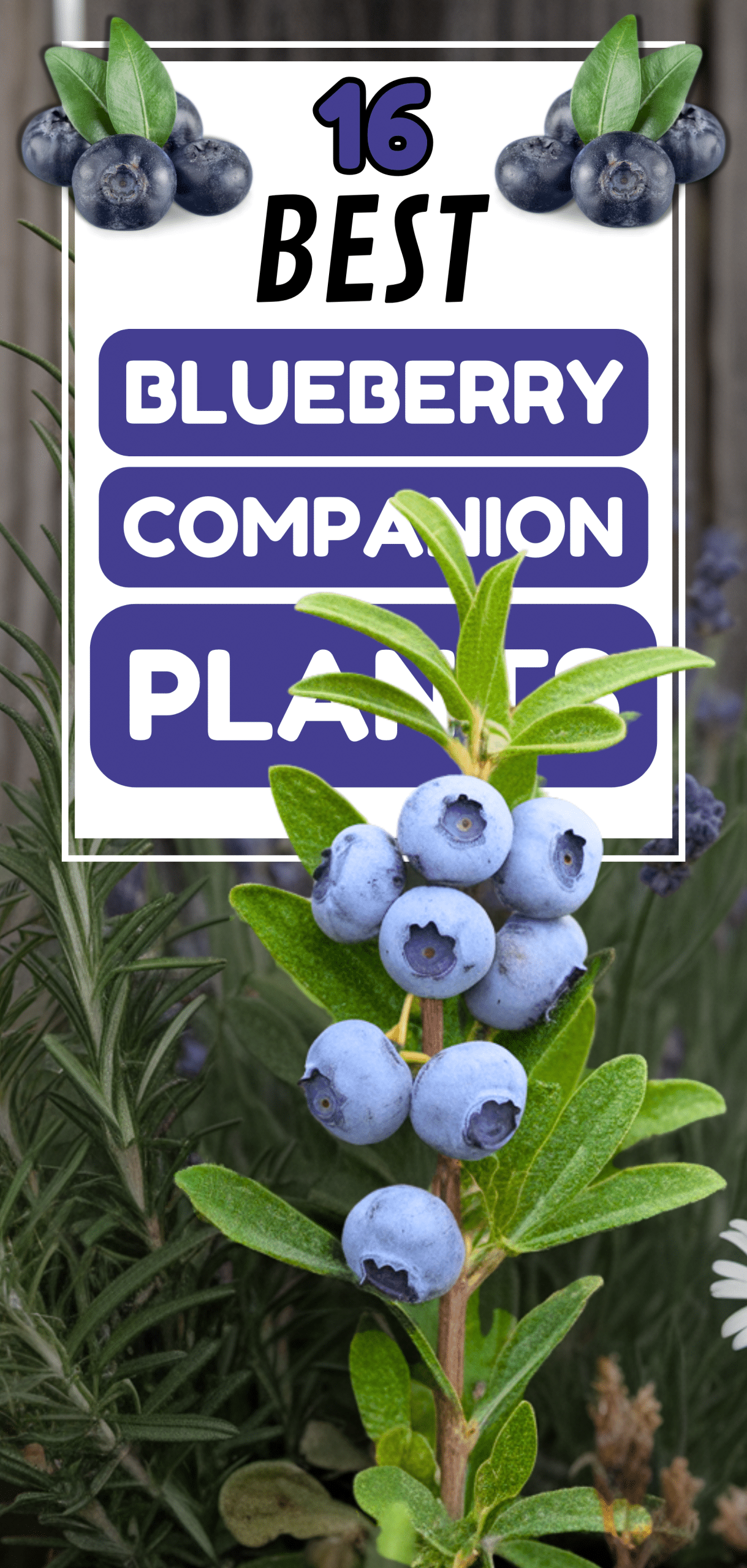
I found success with lemon balm and mint; they deter pests, attract pollinators, and make the plot look vibrant. Strawberries along the edges also helped by conserving soil moisture and adding extra fruit.
The solution was simple: plant beneficial herbs and groundcovers around blueberries. Adding lemon balm, mint, or even sage creates a healthy ecosystem, ensuring strong, productive blueberry bushes. For more ideas on plants, check my article on 15 Hanging Plants Perfect For Apartments.
13. Azaleas
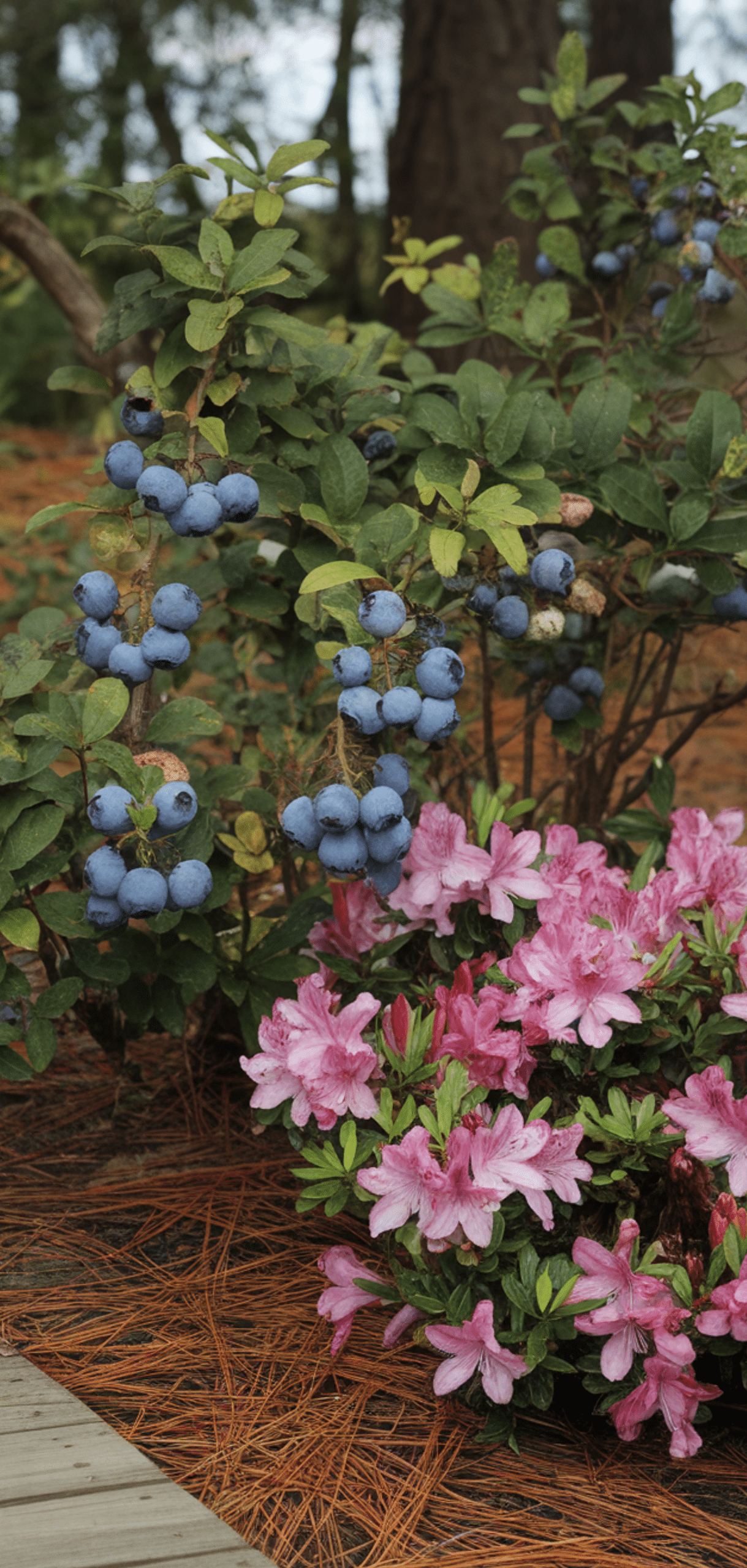
Azaleas thrive in the same acidic soil conditions as blueberries. Their shallow roots do not compete heavily, making them ideal ornamental companions that also protect soil moisture with their foliage.
12. Rhododendrons
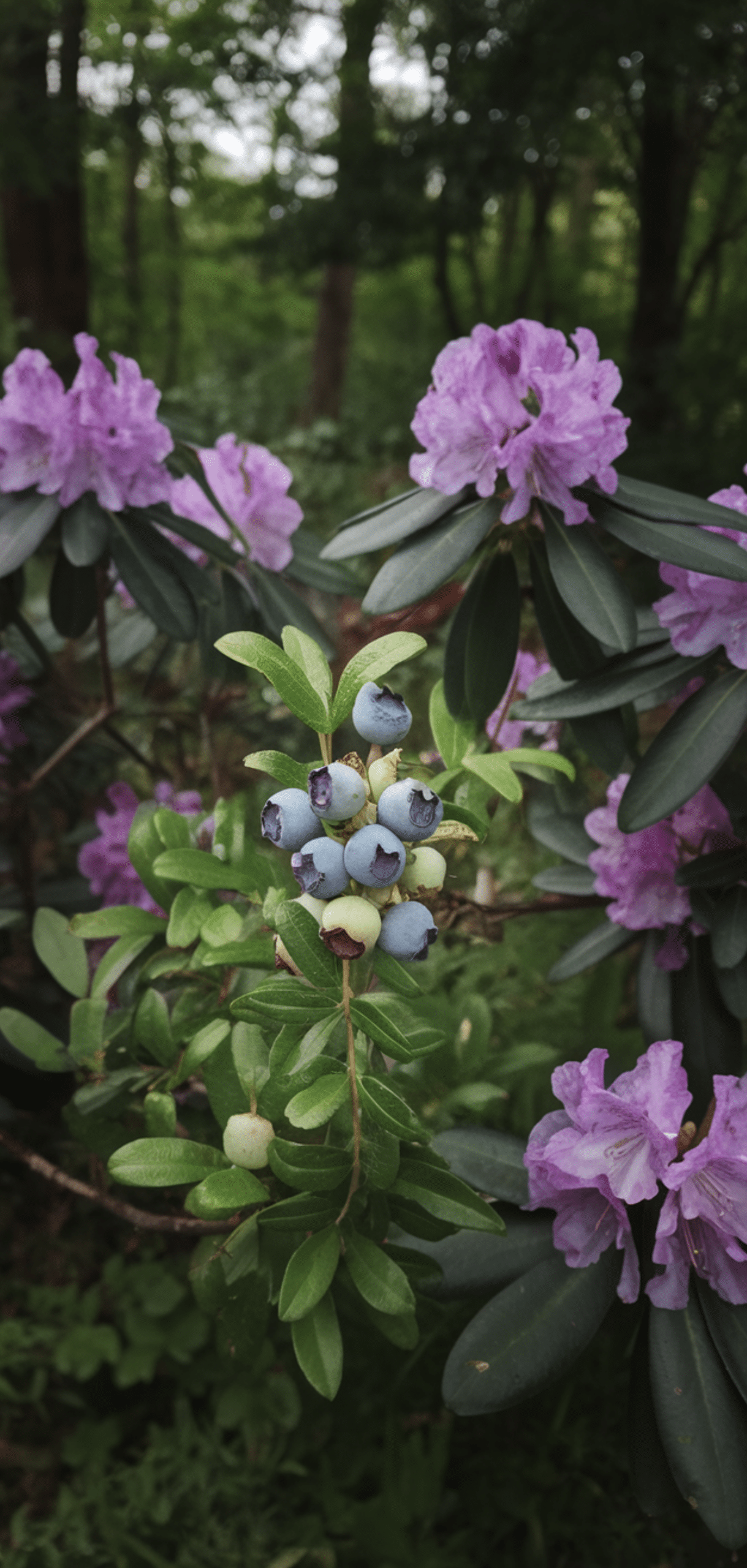
Like azaleas, rhododendrons prefer acidic, well-drained soil. Their larger size provides partial shade, helping protect blueberry roots from drying out in hot climates.
11. Cranberries
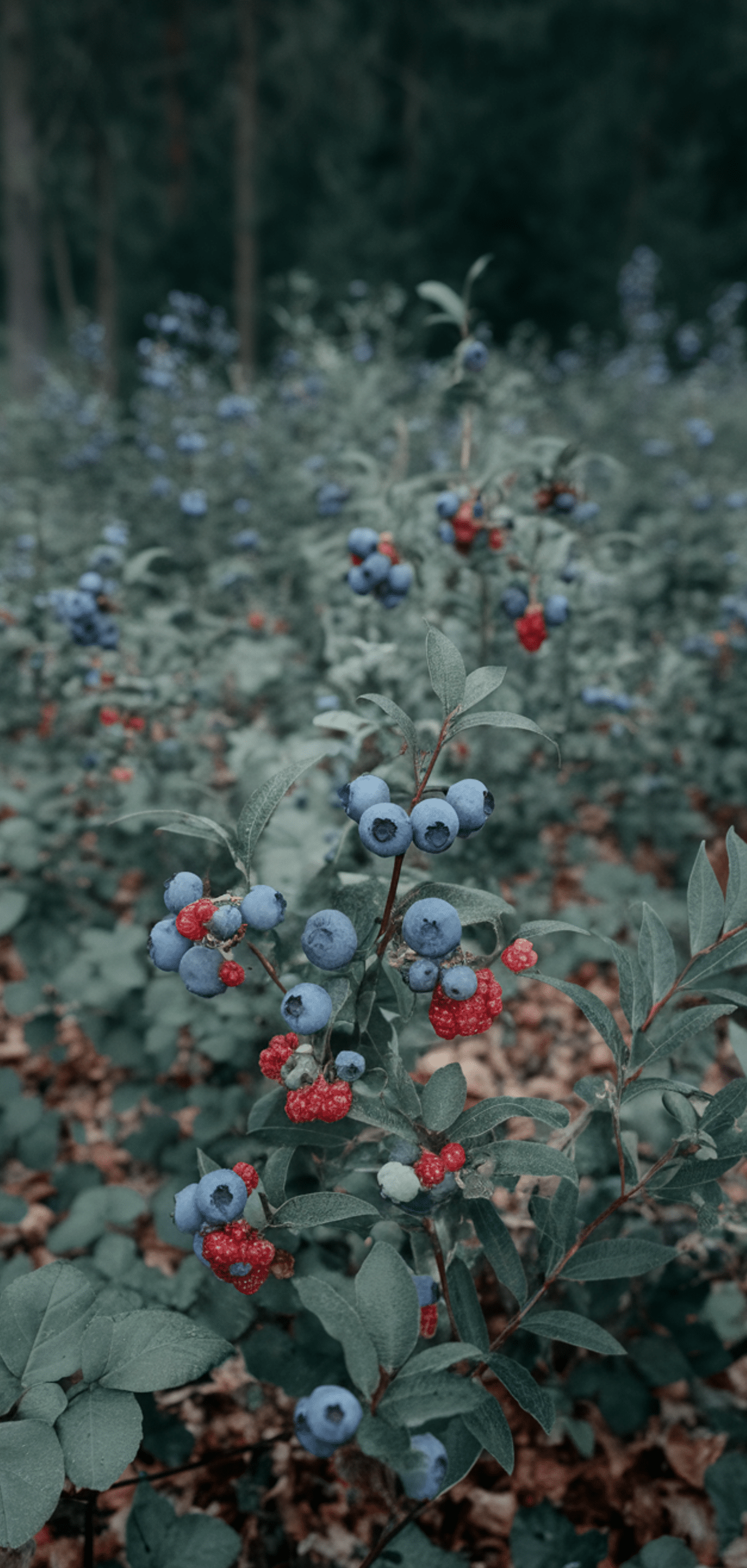
Cranberries enjoy the same acidic, bog-like conditions as blueberries. Their creeping growth suppresses weeds and creates a natural groundcover around blueberry bushes.
10. Strawberries
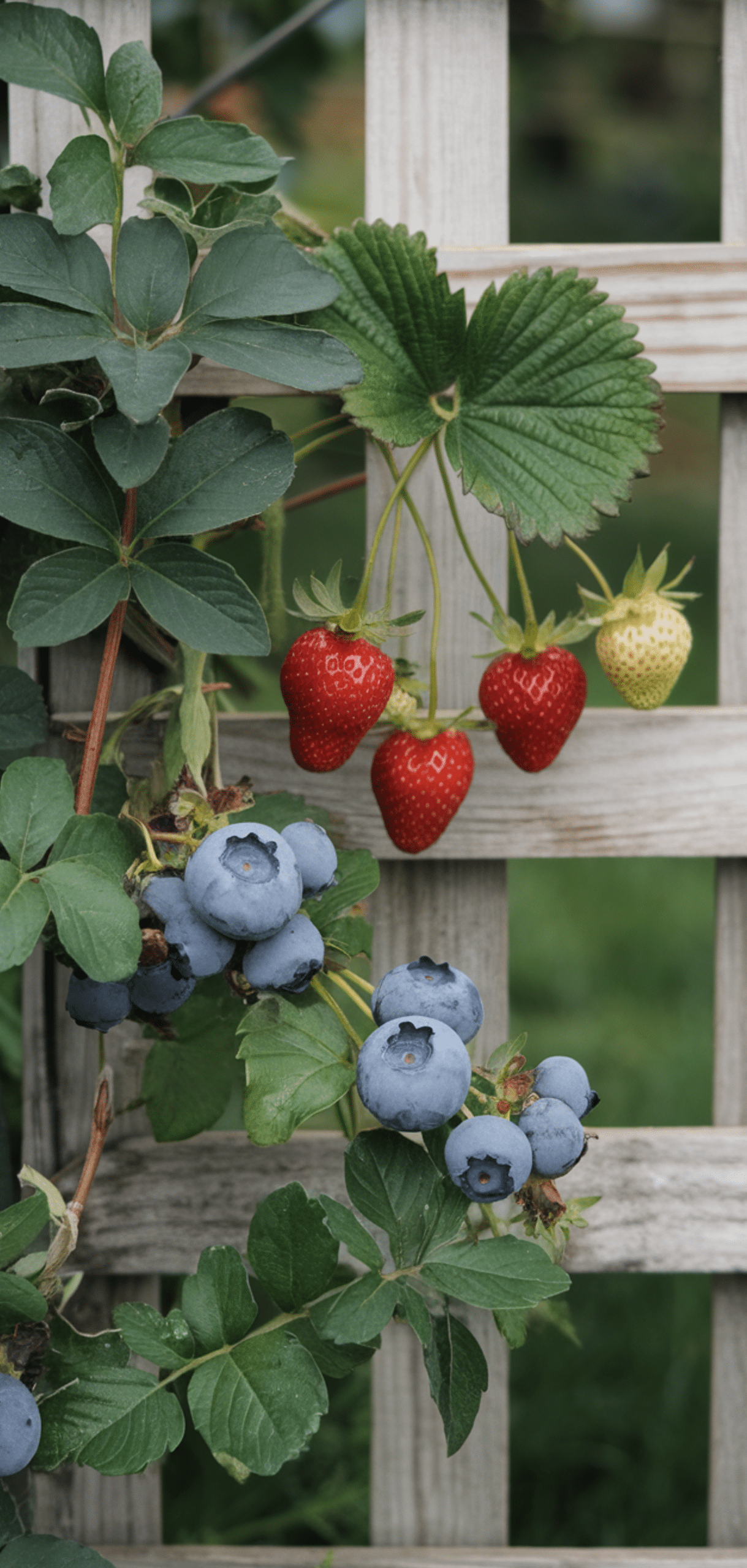
Strawberries form a low-growing mat that suppresses weeds and conserves soil moisture. They also attract pollinators that benefit blueberry blossoms. Plant them around the edges of blueberry beds.
9. Lingonberries
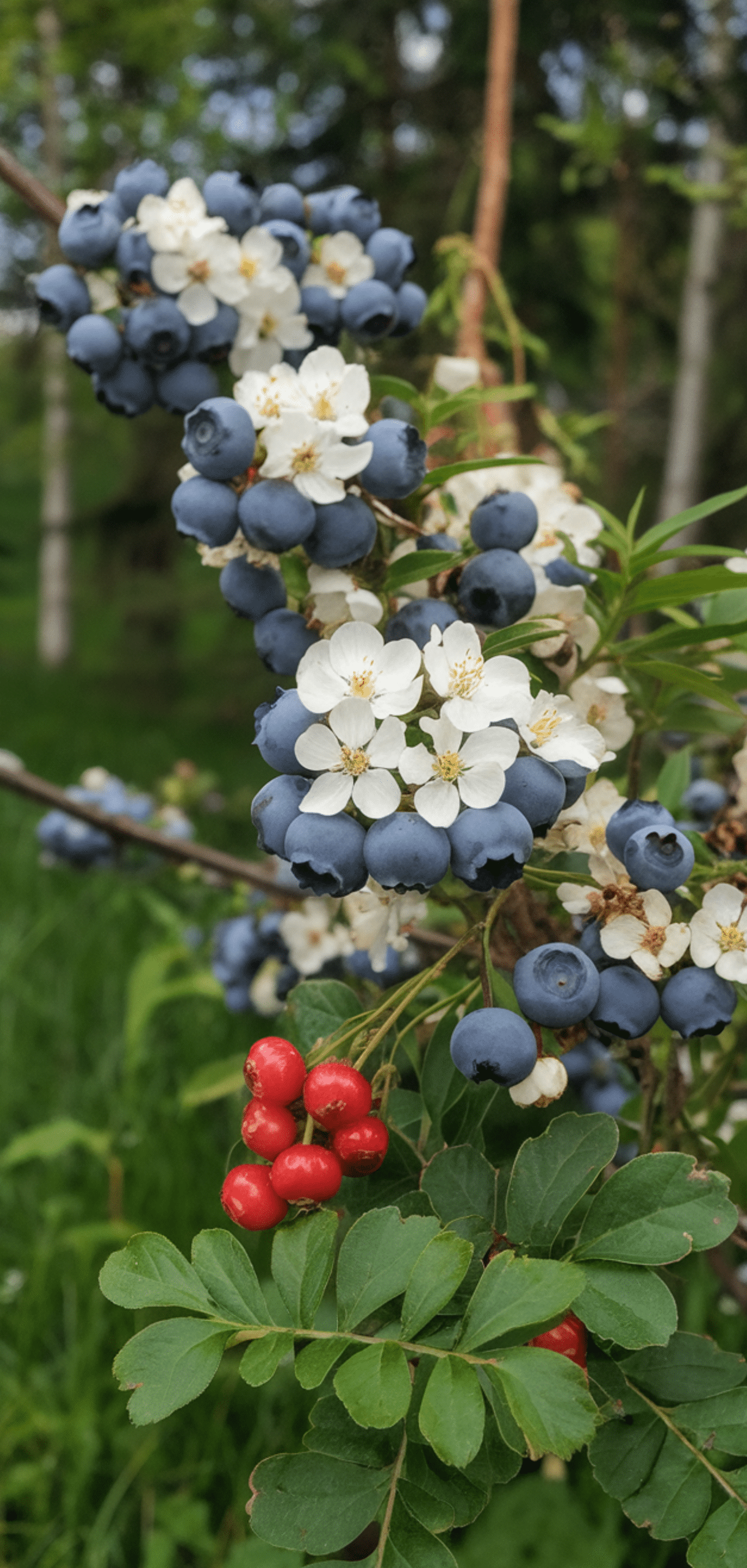
Lingonberries thrive in acidic soil and form evergreen mats that act as living mulch. They provide a year-round, attractive groundcover under blueberries.
8. Evergreen Trees (Pine, Spruce, Fir)
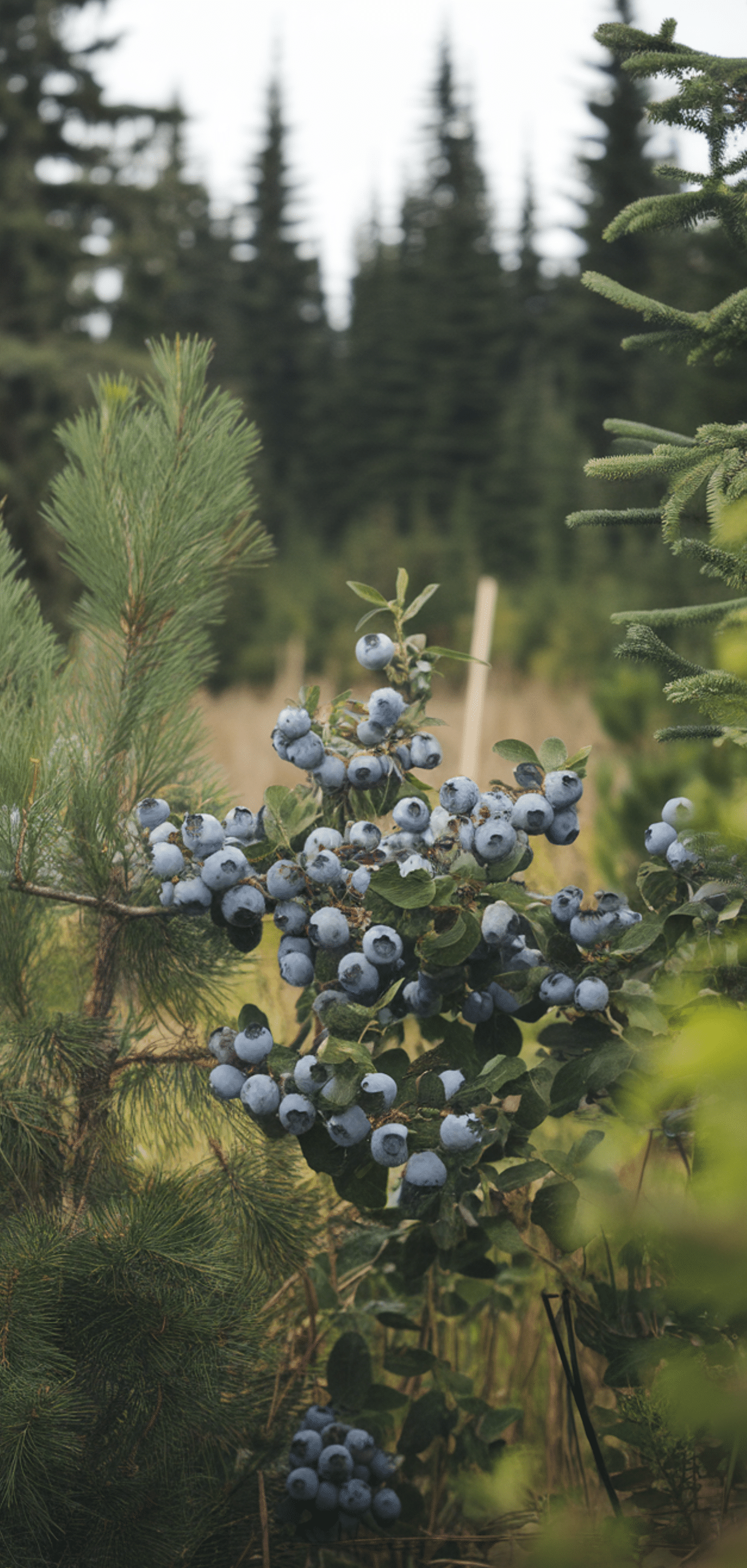
Evergreens naturally acidify the soil with fallen needles. Plant blueberries near but not directly under evergreens to reduce competition while benefiting from soil acidity.
7. Huckleberries
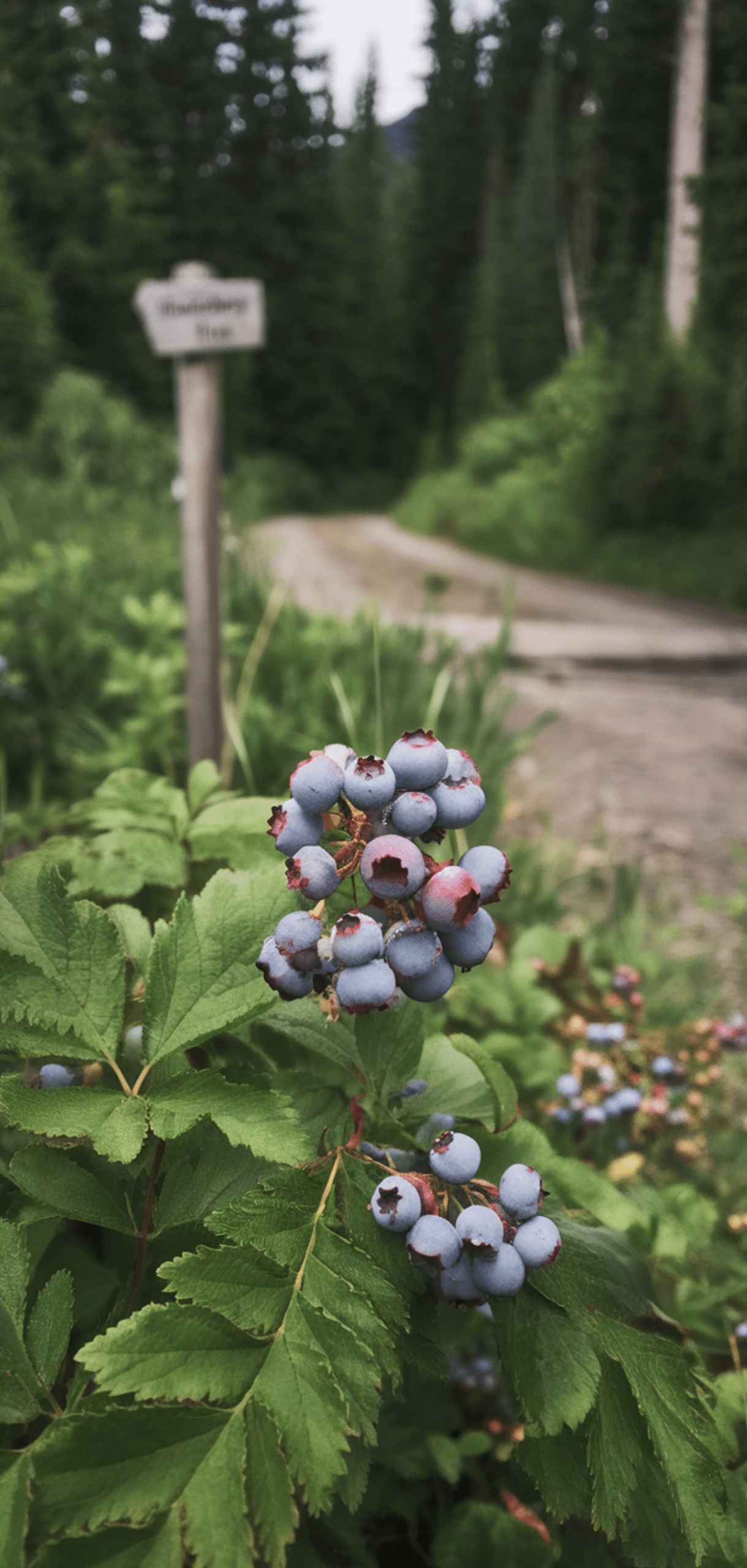
Closely related to blueberries, huckleberries thrive in the same soil and moisture conditions. Planting them nearby increases biodiversity and extends berry harvest seasons.
6. Heathers
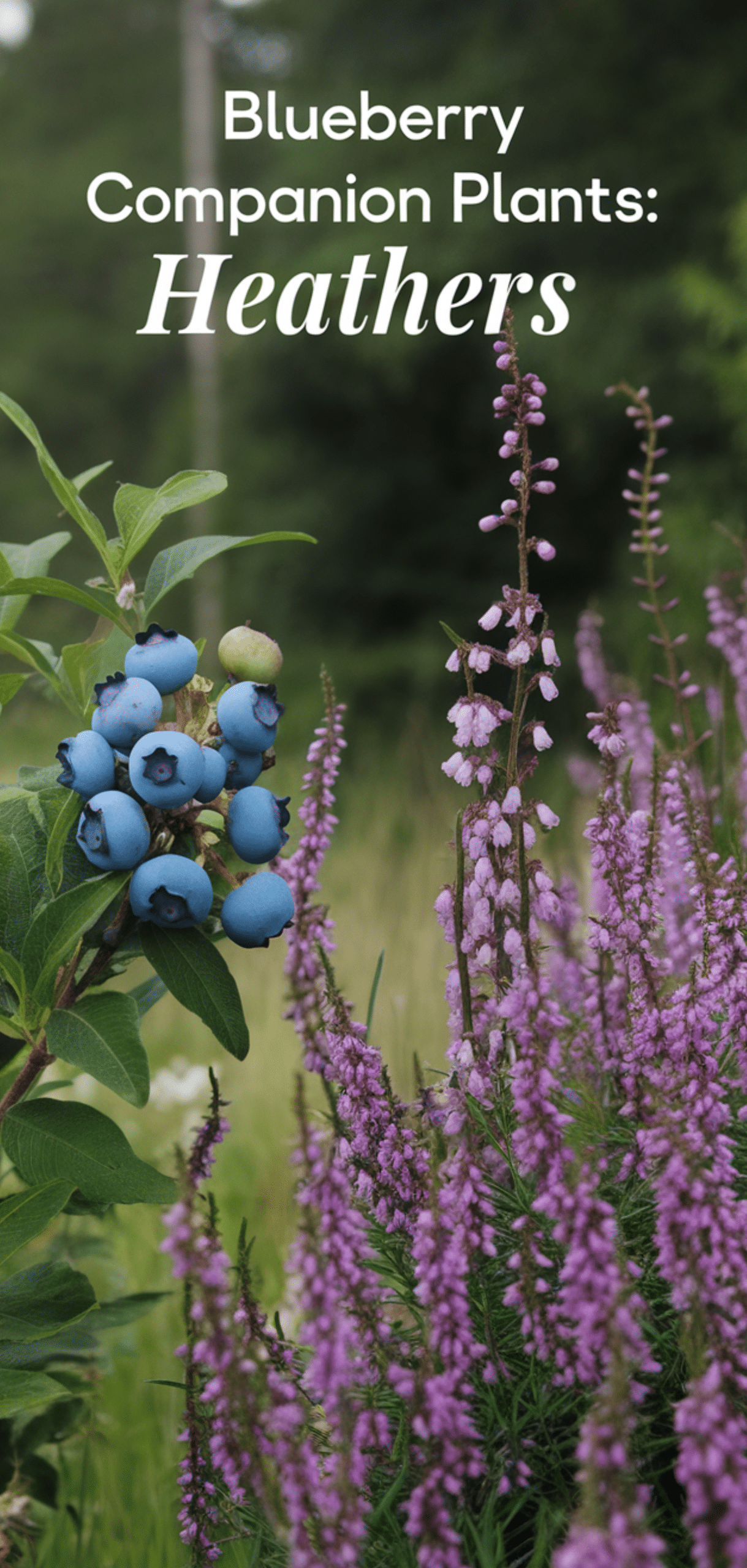
Heather shrubs prefer acidic soil and attract pollinators. Their extended flowering period ensures consistent pollinator activity during blueberry bloom.
5. Mint
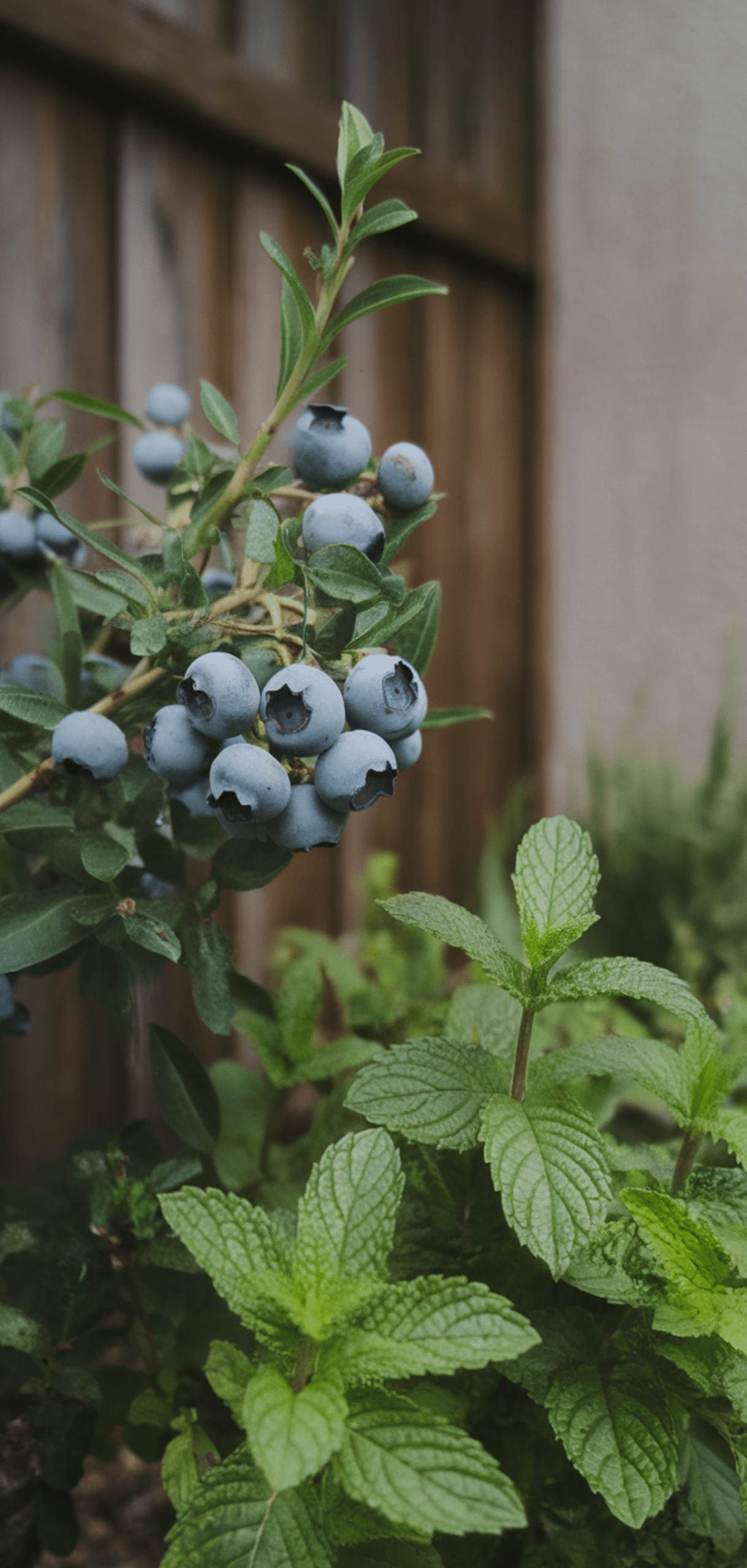
Mint deters ants and aphids, but its invasive growth means it should be planted in containers near blueberries, not directly in the soil.
4. Basil
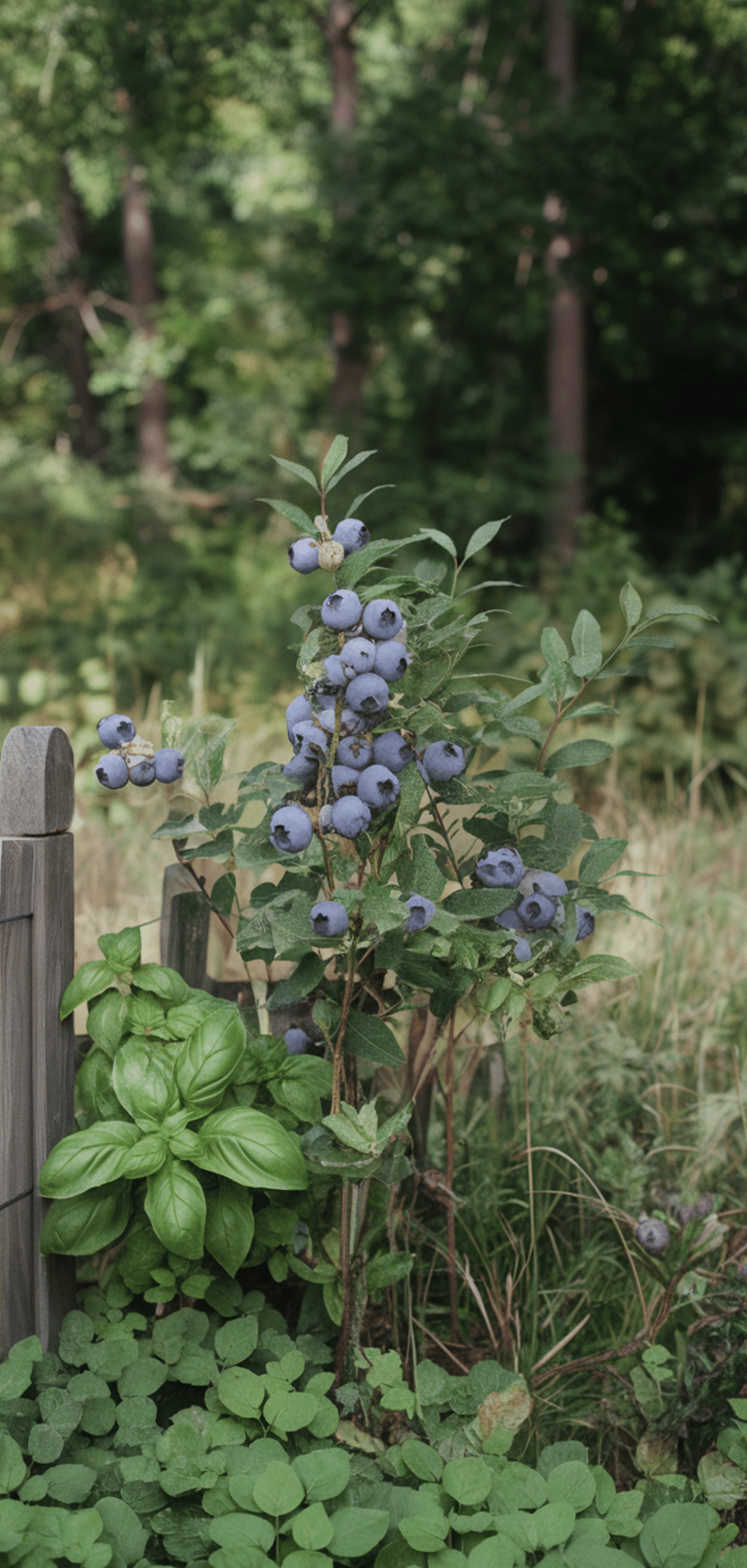
Basil attracts pollinators and deters mosquitoes and flies. Plant basil in pots around blueberry bushes for pest control and improved garden biodiversity.
3. Oregano
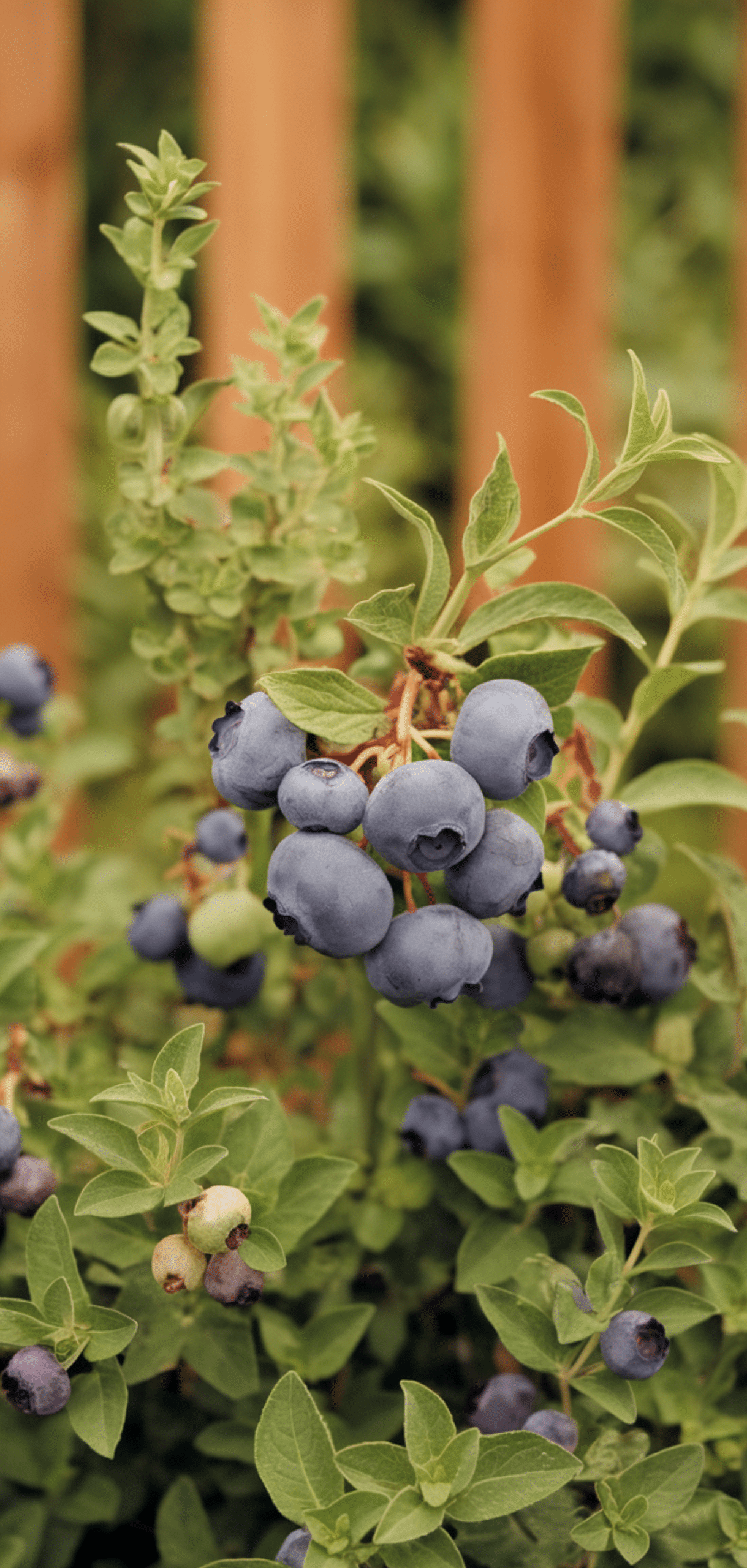
Oregano serves as a hardy and aromatic ground cover, creating a living mulch that helps conserve moisture, suppress weeds, and protect the soil surface. Its strong fragrance acts as a natural deterrent, repelling harmful insects such as aphids, spider mites, and even certain beetles that can damage tender blueberry foliage. Thriving in the same acidic soil conditions that blueberries prefer, oregano grows vigorously when planted nearby, enhancing the health of the garden ecosystem while offering the added benefit of flavorful leaves for culinary use.
2. Bee Balm (Monarda)
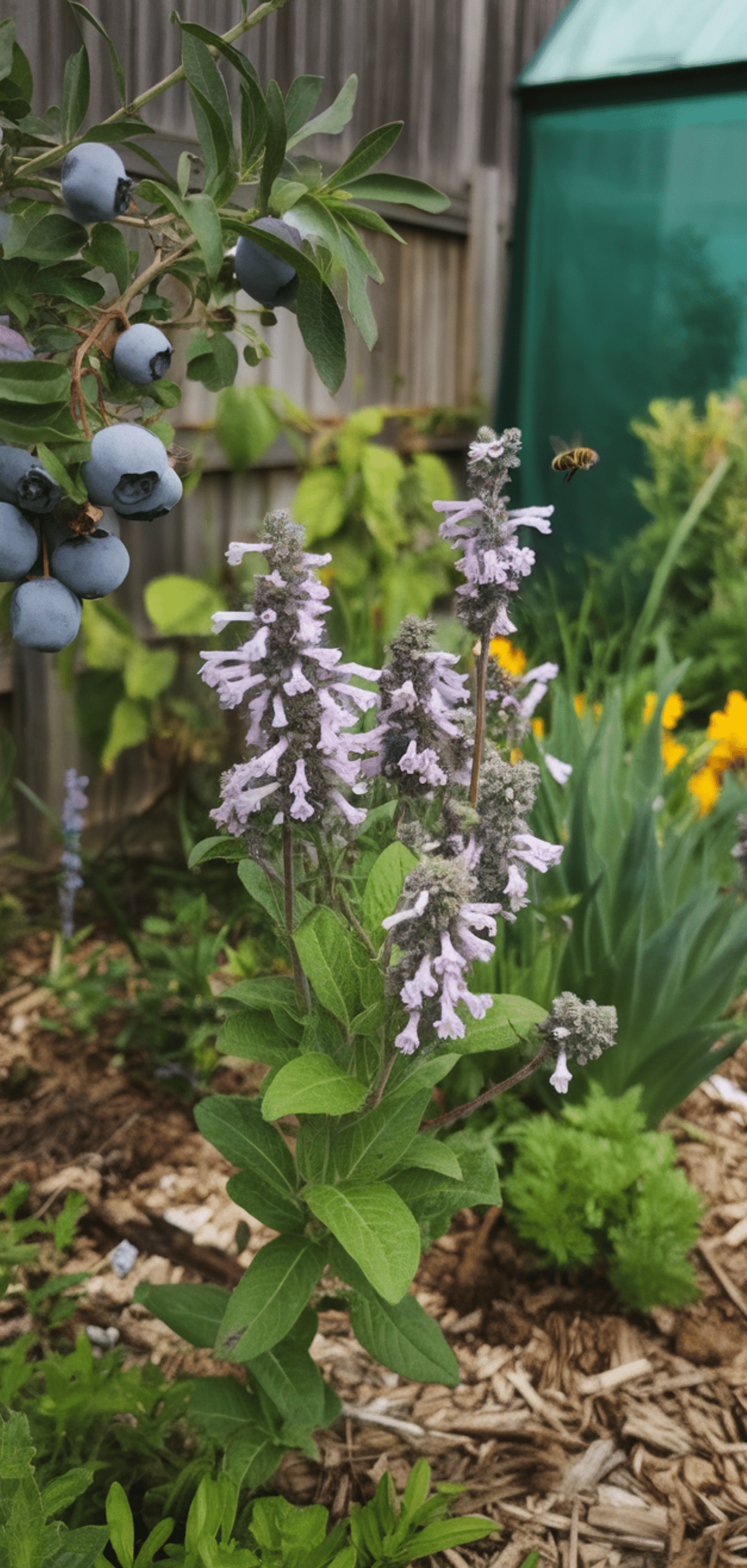
Bee balm is excellent for attracting bees, hummingbirds, and butterflies. Its pollinator-friendly blooms ensure abundant cross-pollination for blueberries.
1. Comfrey
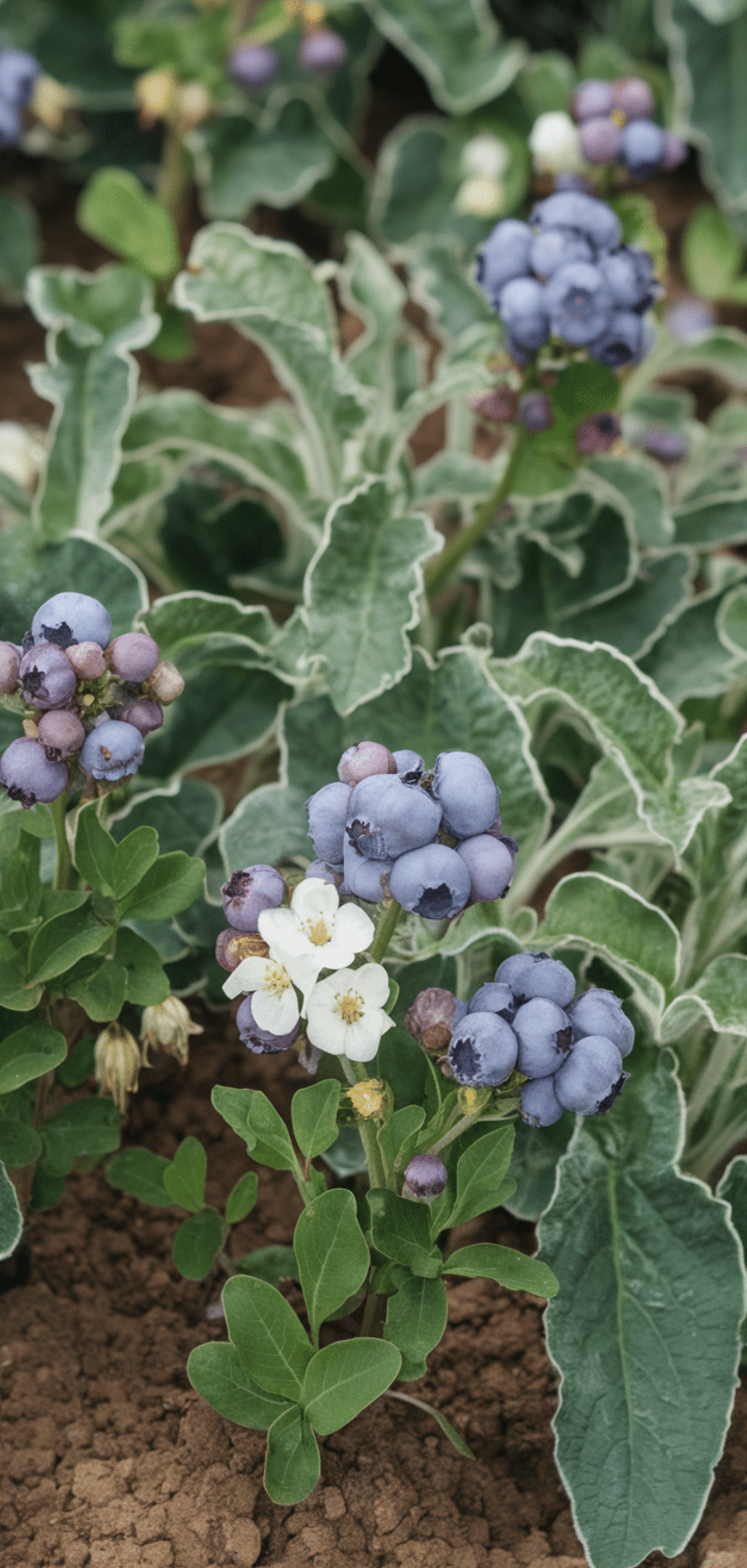
Comfrey is a powerful nutrient accumulator with exceptionally deep roots that reach far into the subsoil, drawing up valuable minerals and trace elements to the surface. When its large, lush leaves are cut and applied as mulch, they gradually break down, enriching the soil with organic matter and essential nutrients. This natural process improves soil fertility, supports beneficial microbes, and provides a steady source of nourishment that helps blueberry plants thrive without the need for synthetic fertilizers.
Conclusion
To ensure thriving, healthy, and productive plants, carefully select companion species that enjoy acidic soil, provide strong pollinator support, or offer natural pest control. Incorporate groundcovers like strawberries and clover to protect and enrich the soil, herbs like thyme and oregano to naturally deter pests, and vibrant flowering plants like bee balm to attract bees, butterflies, and other essential pollinators.
With thoughtful placement, proper care, and a mix of complementary companions, blueberry bushes will flourish beautifully, rewarding us with abundant, flavorful harvests and a resilient, biodiverse, and visually stunning garden year after year.