
Make sure to join my list for Weekly Tips and Recipes to Your Inbox
18 Best 5 Acre Homestead Layouts

A little note: Some images in this post may come from third-party sources and are shared purely to inspire you. All credit goes to their original creators. Visit our Image Credits Policy for more information.
Homestead layout became my biggest struggle the moment I bought thirty-one acres of rural upstate South Carolina because I had no idea how to place anything on a piece of land that was mostly one long hill.
At the beginning, I could barely imagine where a future barn, a garage, a greenhouse, or a coop should go, and the more I studied the map, the more overwhelmed I felt. I remember mentioning my article about Tiered Trays For Your Fall Decor just to distract myself from the fact that the top six acres were workable pasture while the rest was steep forest sliding south.
Standing on the apex where the house will face the Blue Ridge mountains, I wondered if I would ever figure out what went where without ruining the land. Every time I walked the property, new challenges came up. The neighbor still used the old hay bar, and his cattle wandered through a few times a year, so I had to plan around their path.
The only gate sat at the bottom of the proposed driveway, and every utility cost increased the farther I ran wires and pipes uphill. People warned me about erosio, especially if I ever chose to keep goats, because overgrazing could strip the hillside bare.
Others said to keep the barn near the coop and place the greenhouse near the garden, but even simple advice felt vague when I stood on so much uneven ground. I kept hearing the same truth whispered again and again that I needed to live with the land before forcing a design onto it.
Eventually, the solution arrived slowly as I let the land guide me instead of fighting it. I learned where the soil stayed firm after a storm, where morning light settled longest, where the slope eased enough for a garden, and where livestock would cause the least erosion.
I placed the barn where it hid the neighbors without blocking their access and kept the coop close so chores were easy. The greenhouse found a home just east of the house, where temperatures stayed stable and the bees would thrive.
The homestead layout finally stopped feeling like a problem and turned into a plan shaped by the hill itself, a plan that grew clearer each day I listened instead of rushing.
What We're Exploring
- 01 18. Centralized Homestead Hub
- 02 17. Zoning for Livestock and Crops
- 03 16. Orchard Placement for Sun Exposure
- 04 15. Raised Garden Beds Near House
- 05 14. Small Livestock Barns
- 06 13. Perimeter Fencing for Security
- 07 12. Water Access and Irrigation Layout
- 08 11. Pasture Rotation System
- 09 10. Compost and Waste Management Area
- 10 9. Greenhouse for Year-Round Crops
- 11 8. Tool and Equipment Storage
- 12 7. Walkways and Access Roads
- 13 6. Flower and Pollinator Zones
- 14 5. Outdoor Living and Recreation Space
- 15 4. Woodland Buffer Zones
- 16 3. Solar Panel Placement
- 17 2. Rainwater Harvesting Systems
- 18 1. Emergency Access and Exit Routes
- 19 Conclusion
18. Centralized Homestead Hub
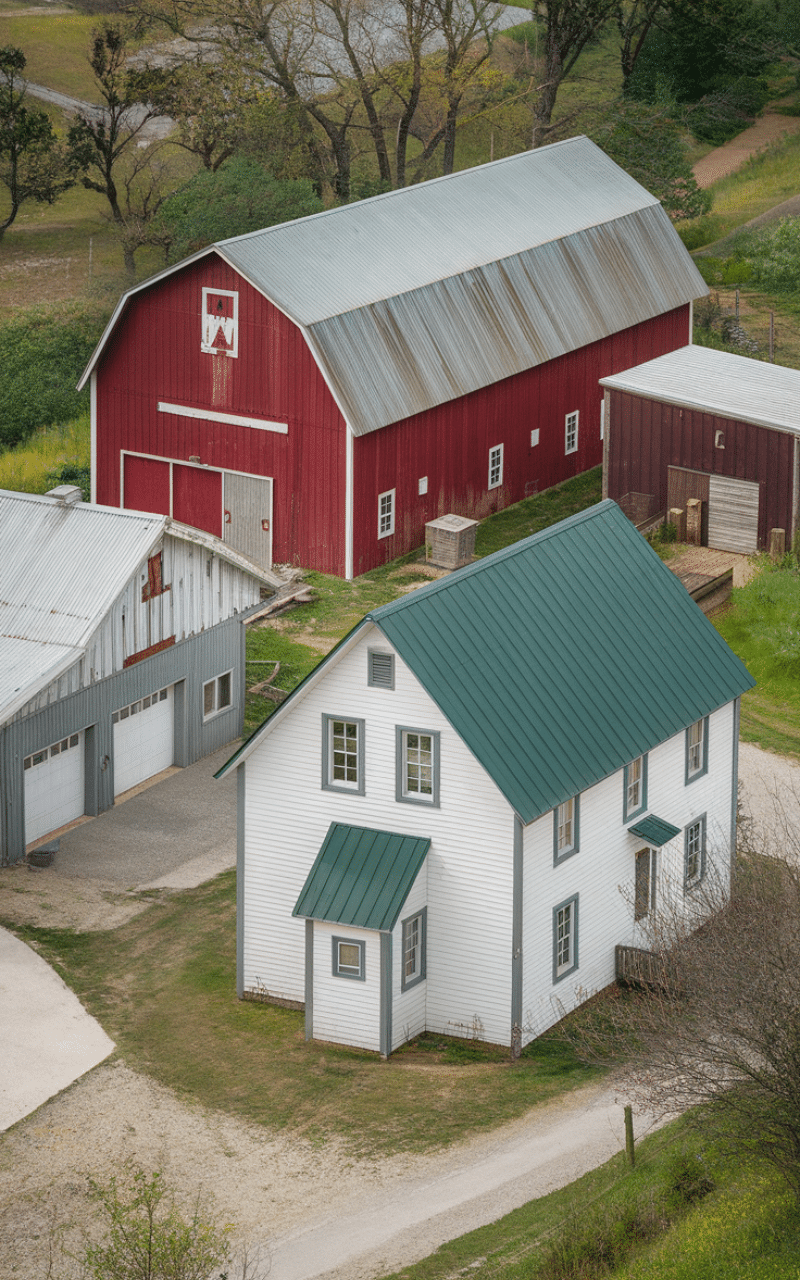
Positioning the main house, barn, and garage close together creates a central hub for easy access to all homestead areas.
5 Acre Homestead Layout Tip: Use gravel or paved paths to connect buildings and reduce mud during rainy seasons.
17. Zoning for Livestock and Crops
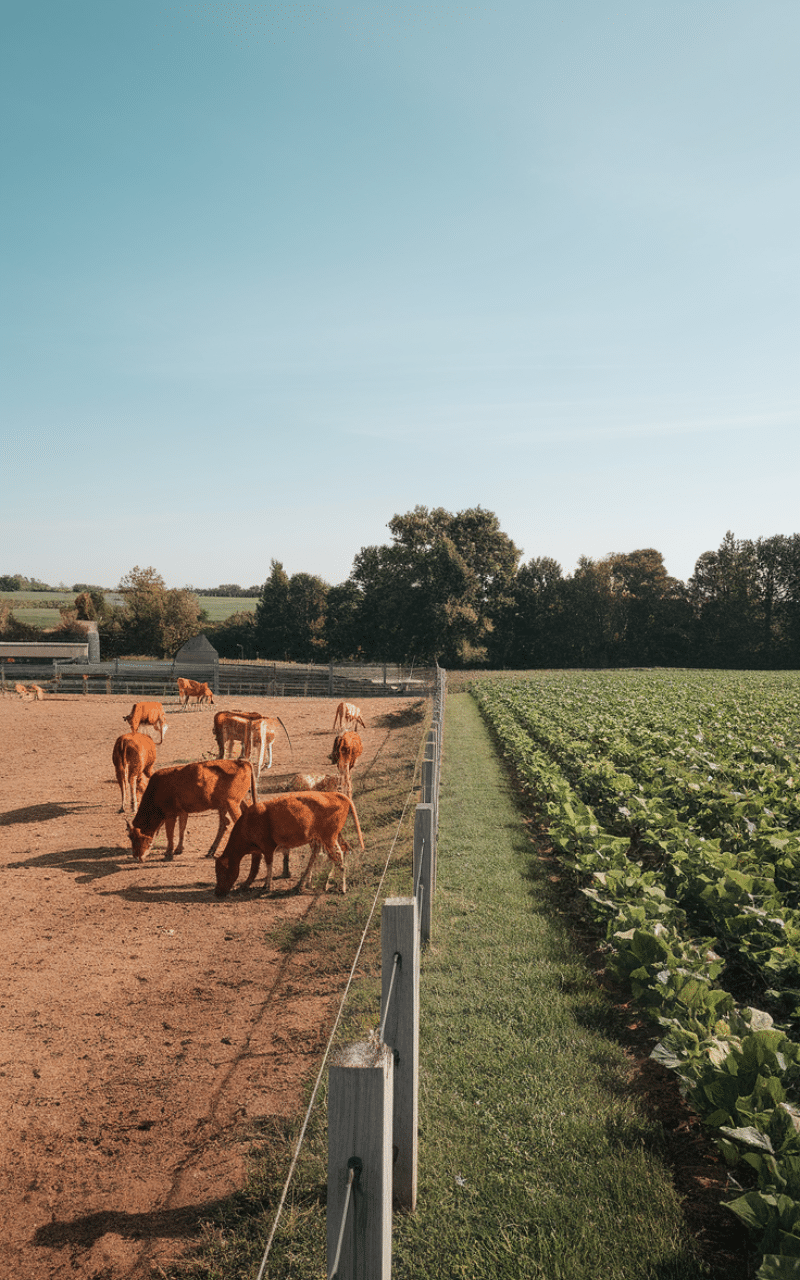
Separate livestock areas from crop fields to prevent contamination and overgrazing.
5 Acre Homestead Layout Tip: Use fencing and natural barriers to clearly define zones and rotate grazing areas seasonally.
16. Orchard Placement for Sun Exposure

Plant fruit trees in areas with maximum sunlight to improve growth and fruit yield.
5 Acre Homestead Layout Tip: Leave enough spacing between trees for air circulation and equipment access.
15. Raised Garden Beds Near House
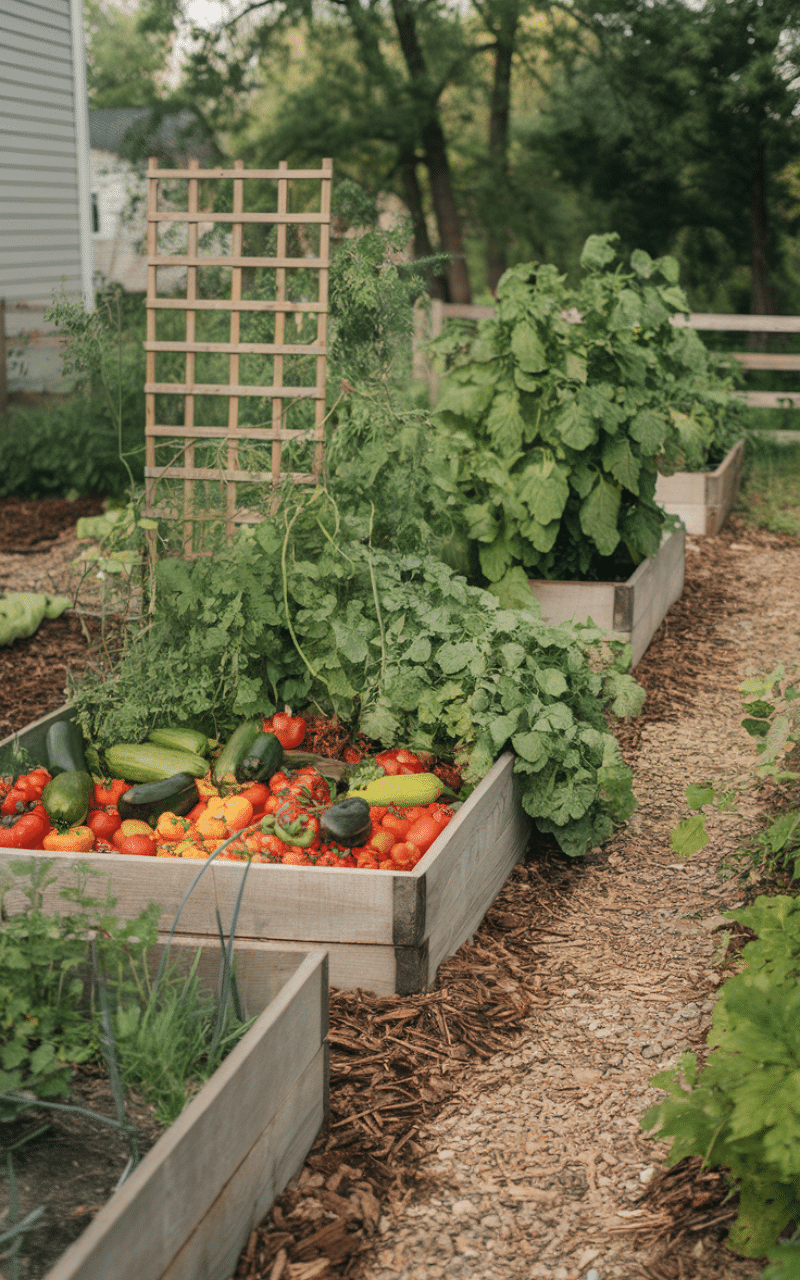
Locate raised vegetable beds close to the house for convenience and frequent care.
5 Acre Homestead Layout Tip: Include irrigation lines and pathways for easy maintenance and harvesting.
14. Small Livestock Barns
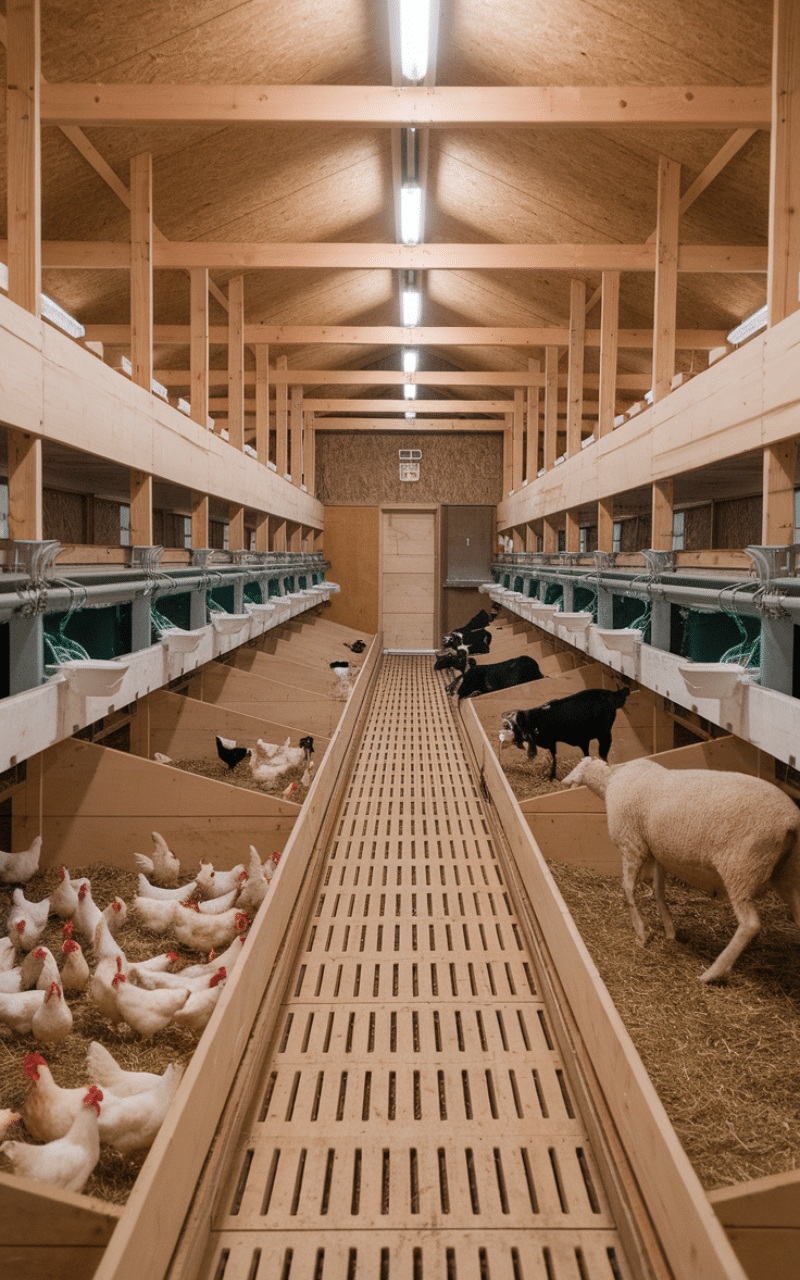
Divide barns into small units for chickens, goats, or sheep to simplify care and feeding.
5 Acre Homestead Layout Tip: Design barns with proper ventilation and drainage to maintain healthy animals.
13. Perimeter Fencing for Security
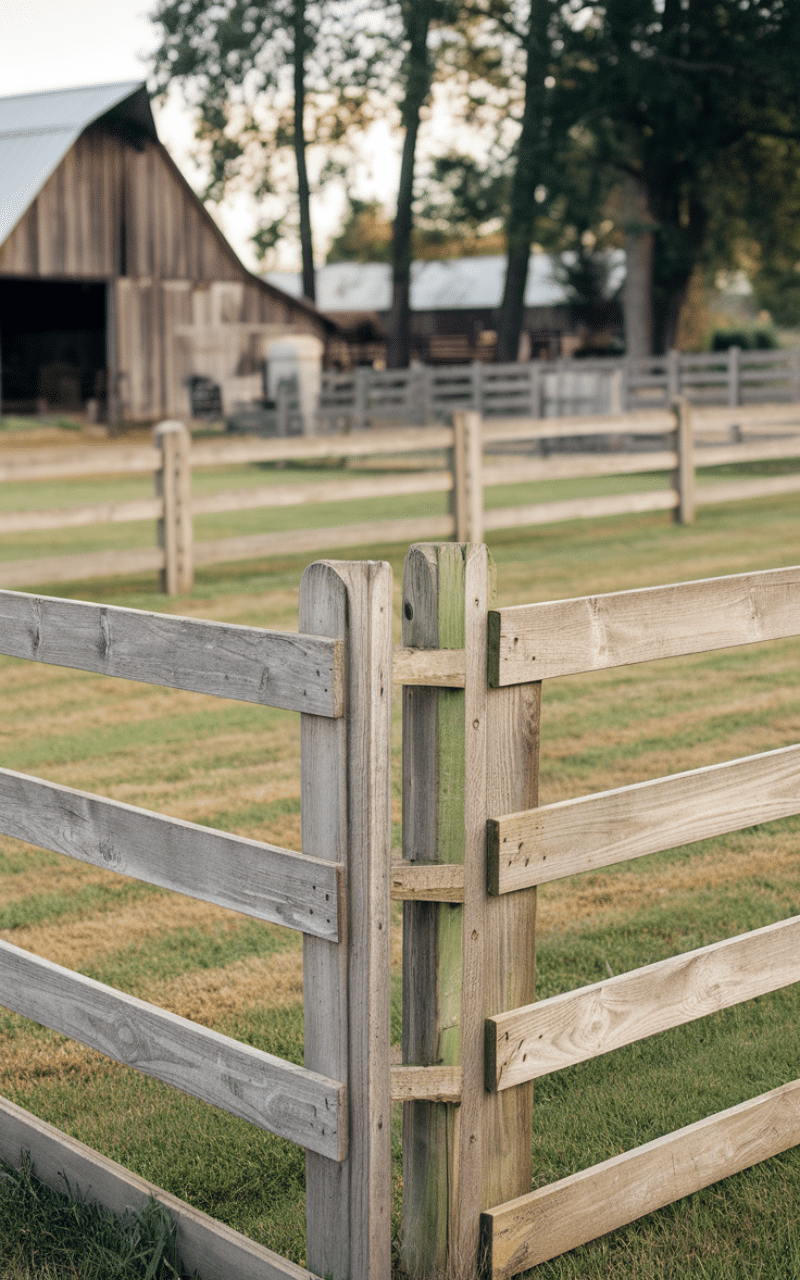
Install fencing around the property to protect crops and livestock from wildlife.
5 Acre Homestead Layout Tip: Use durable materials and gates for easy access and maintenance.
12. Water Access and Irrigation Layout
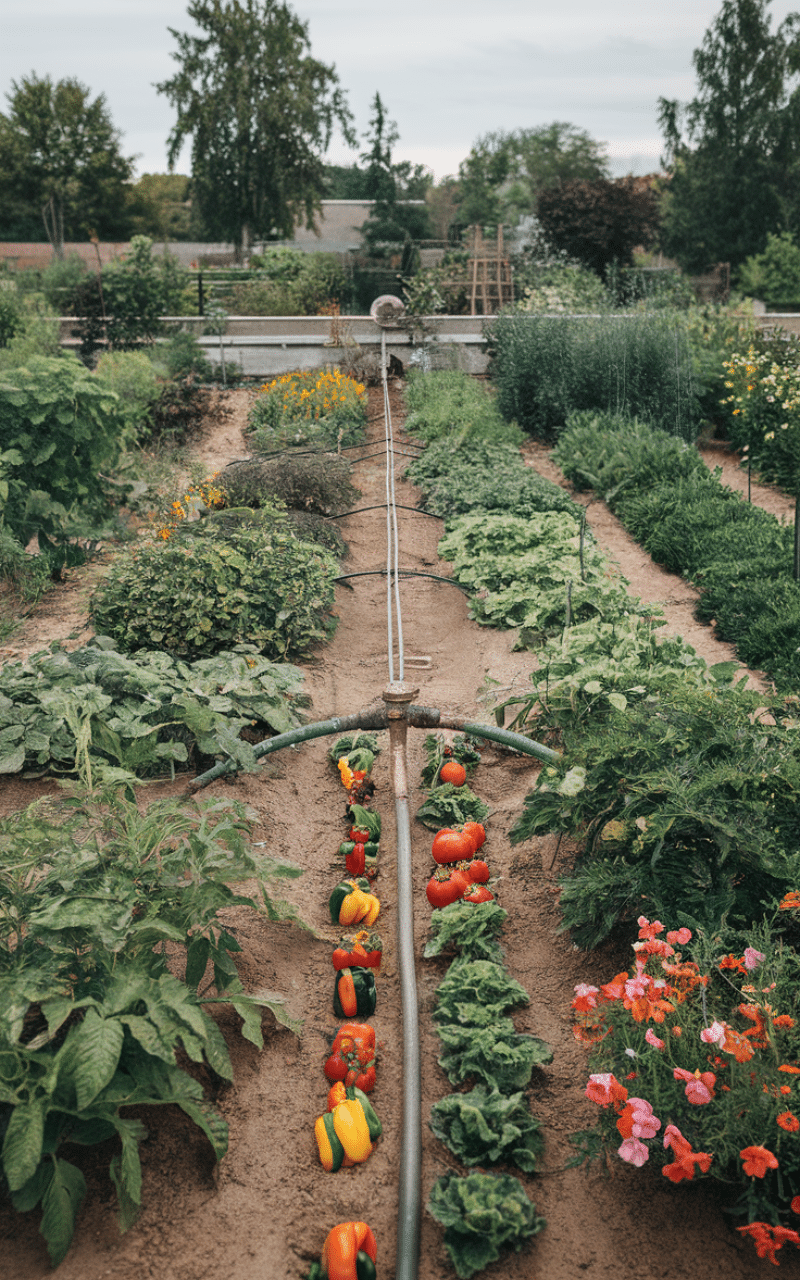
Position water sources centrally and install irrigation systems to cover crops and garden areas efficiently.
5 Acre Homestead Layout Tip: Use drip irrigation to conserve water and reduce soil erosion.
11. Pasture Rotation System
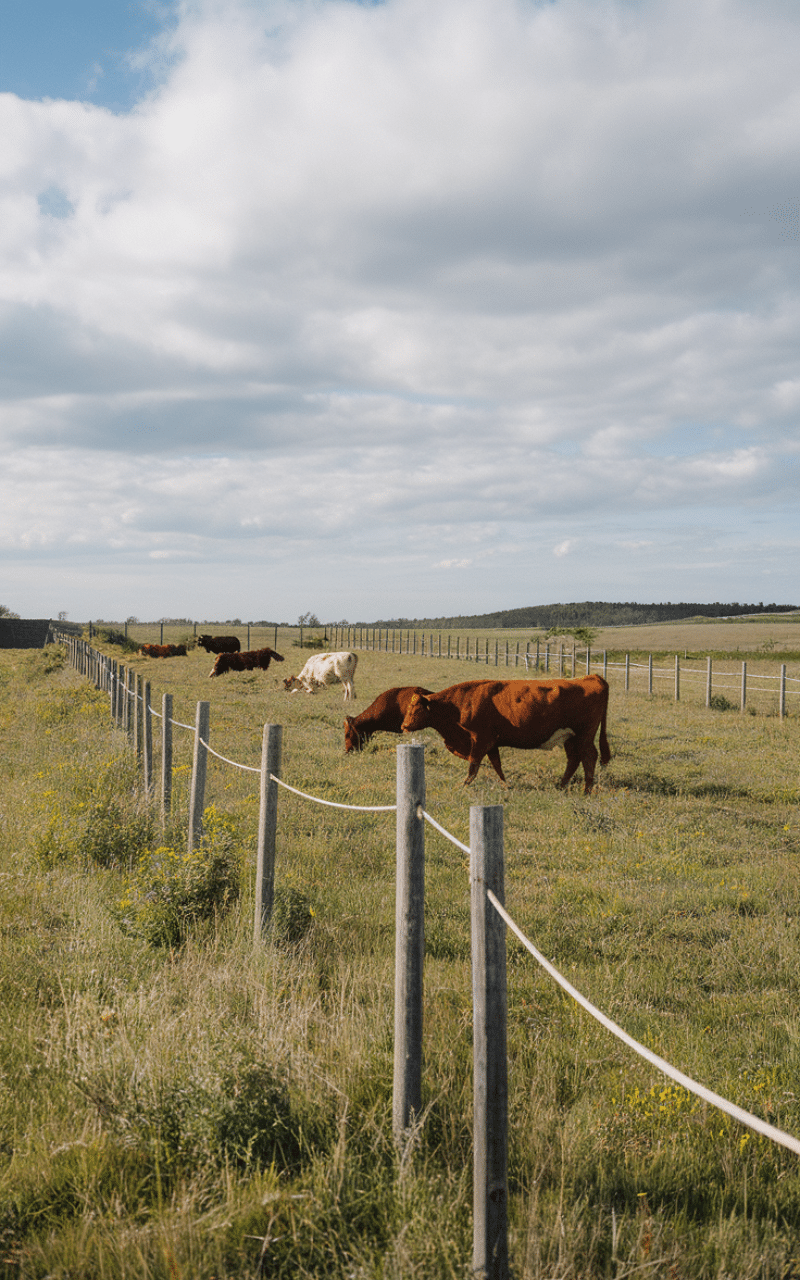
Divide pastures into sections to rotate livestock grazing and prevent overuse.
5 Acre Homestead Layout Tip: Use movable fencing and provide shaded areas to protect animals during hot seasons.
10. Compost and Waste Management Area
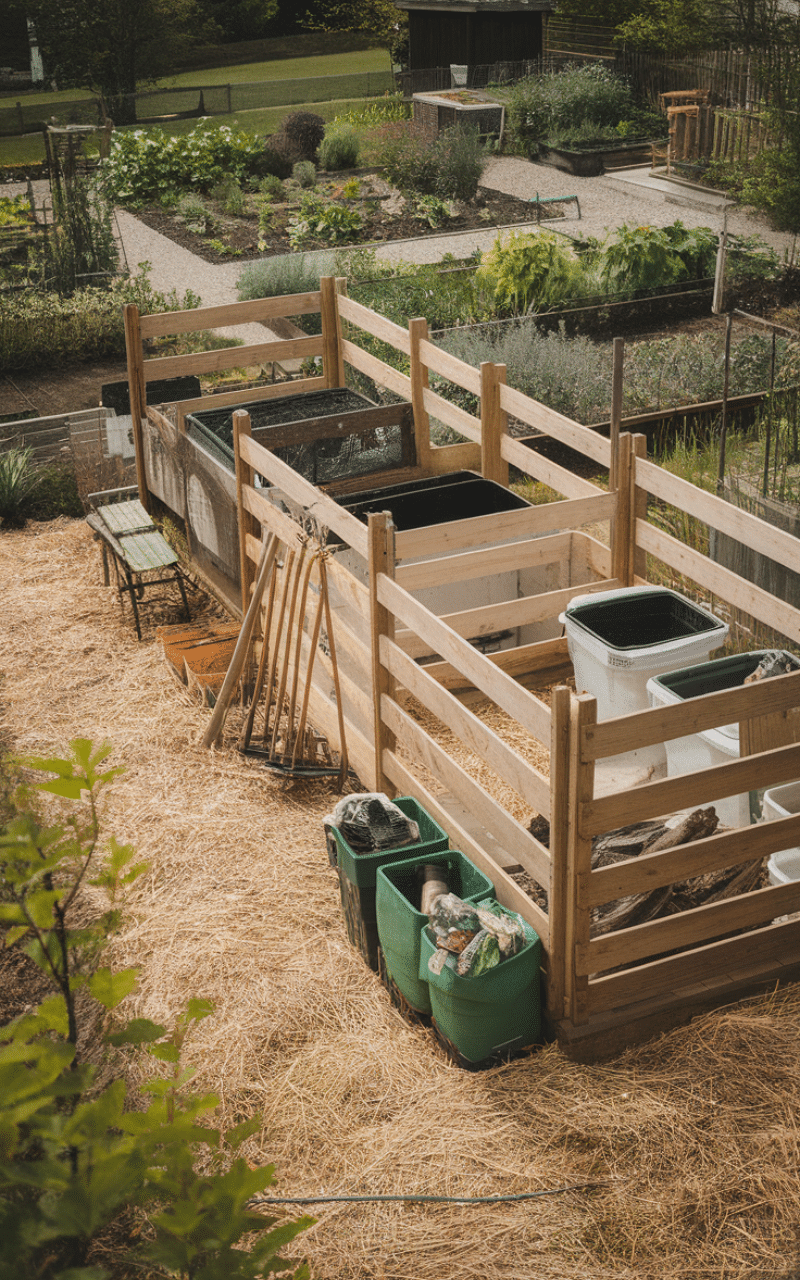
Designate a compost zone away from living areas but accessible to gardens.
5 Acre Homestead Layout Tip: Keep the area organized and cover compost to minimize odor and pests.
9. Greenhouse for Year-Round Crops
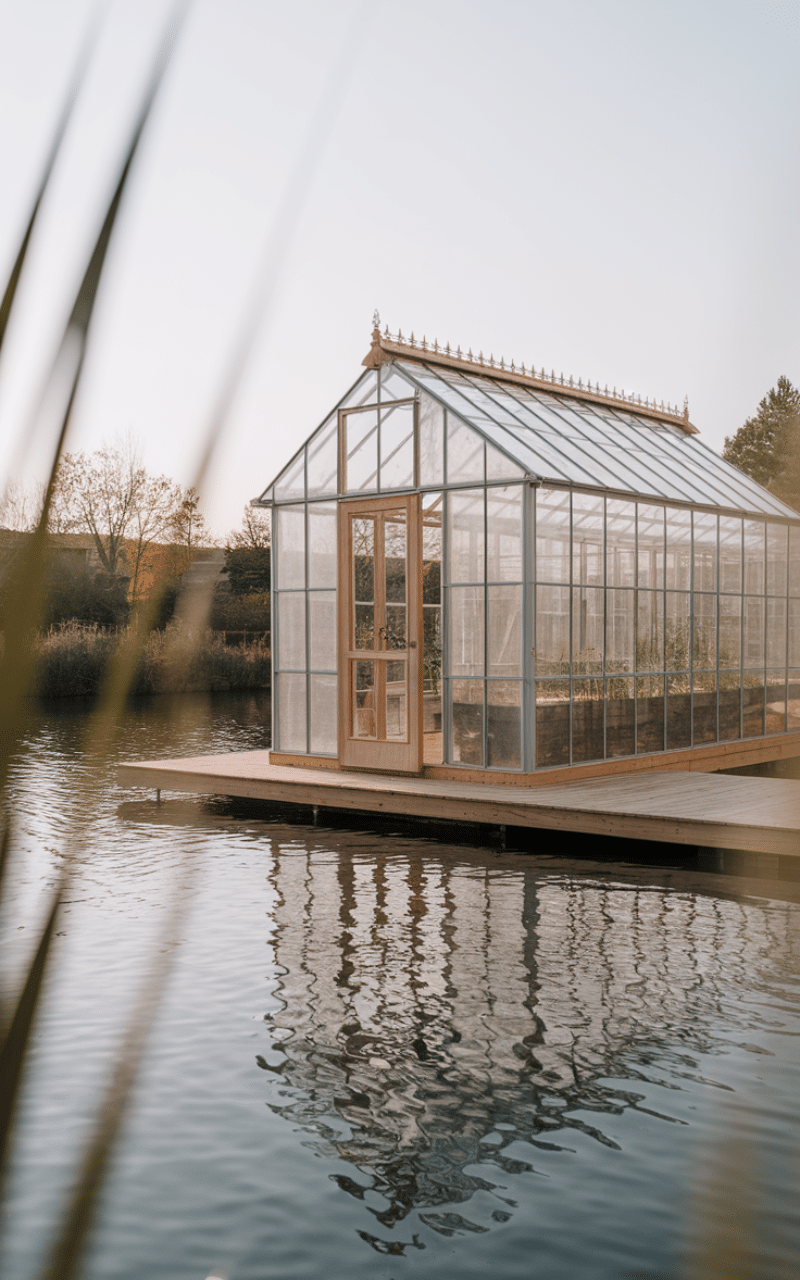
Install a greenhouse near water access for consistent growing conditions.
5 Acre Homestead Layout Tip: Use transparent panels and ventilation to regulate temperature and humidity.
8. Tool and Equipment Storage
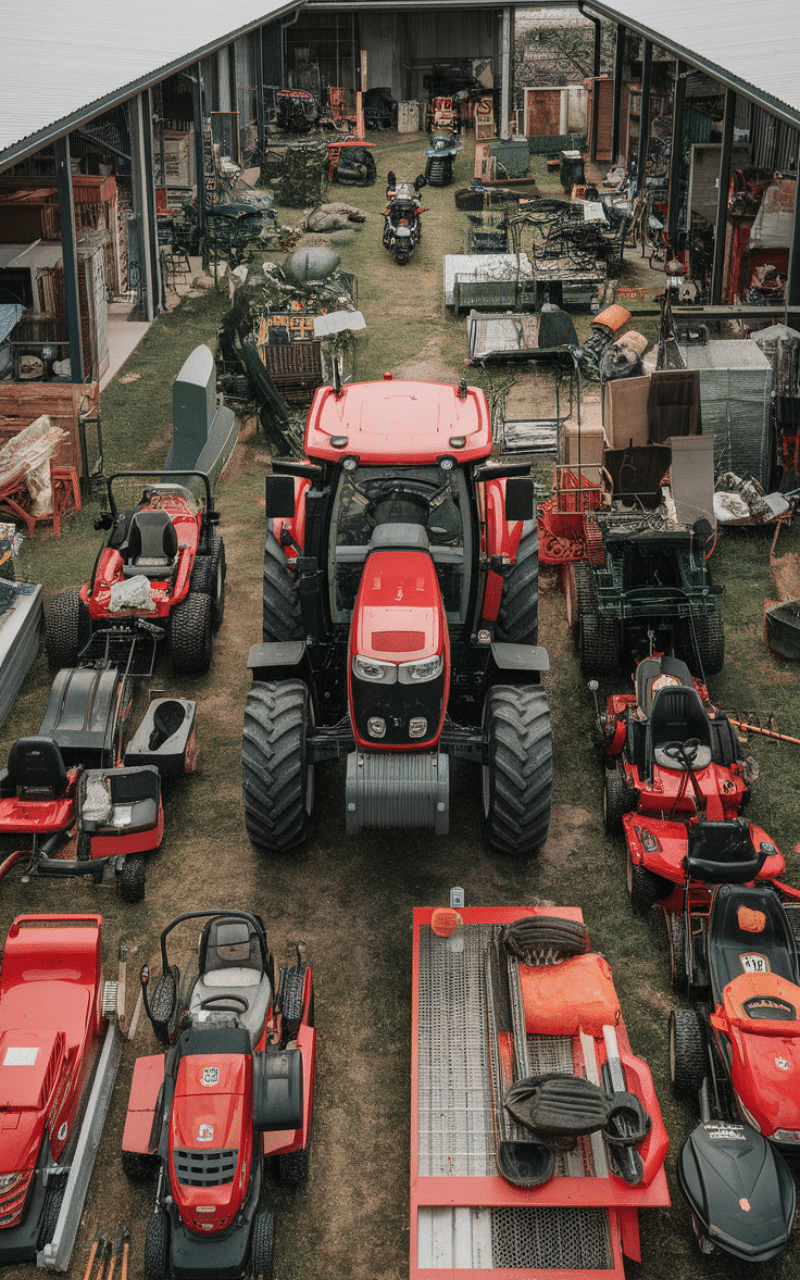
Centralized storage for tools, tractors, and machinery reduces time spent locating equipment.
5 Acre Homestead Layout Tip: Organize tools by type and use shelving for smaller items to maximize space.
7. Walkways and Access Roads
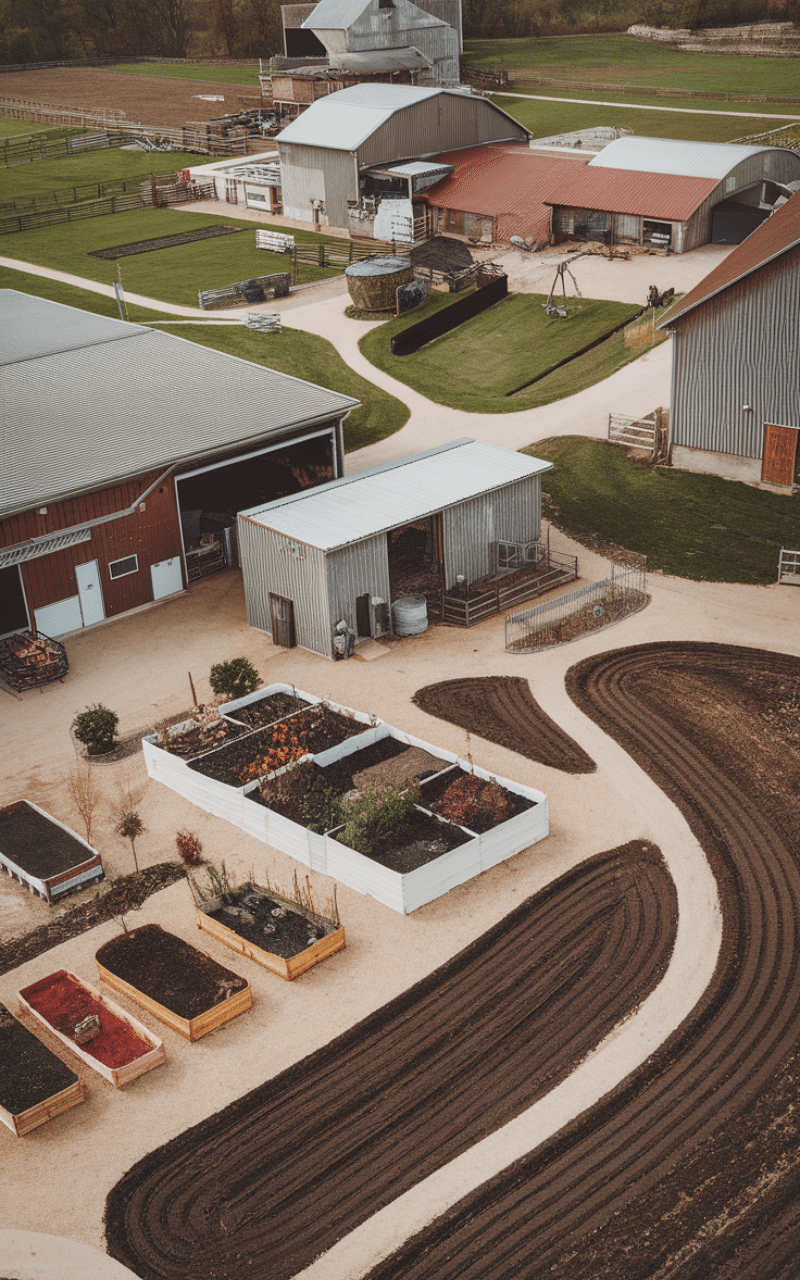
Create durable paths between barns, gardens, and fields to ensure smooth movement.
5 Acre Homestead Layout Tip: Gravel or compacted soil roads reduce mud and make tractor access easier.
6. Flower and Pollinator Zones
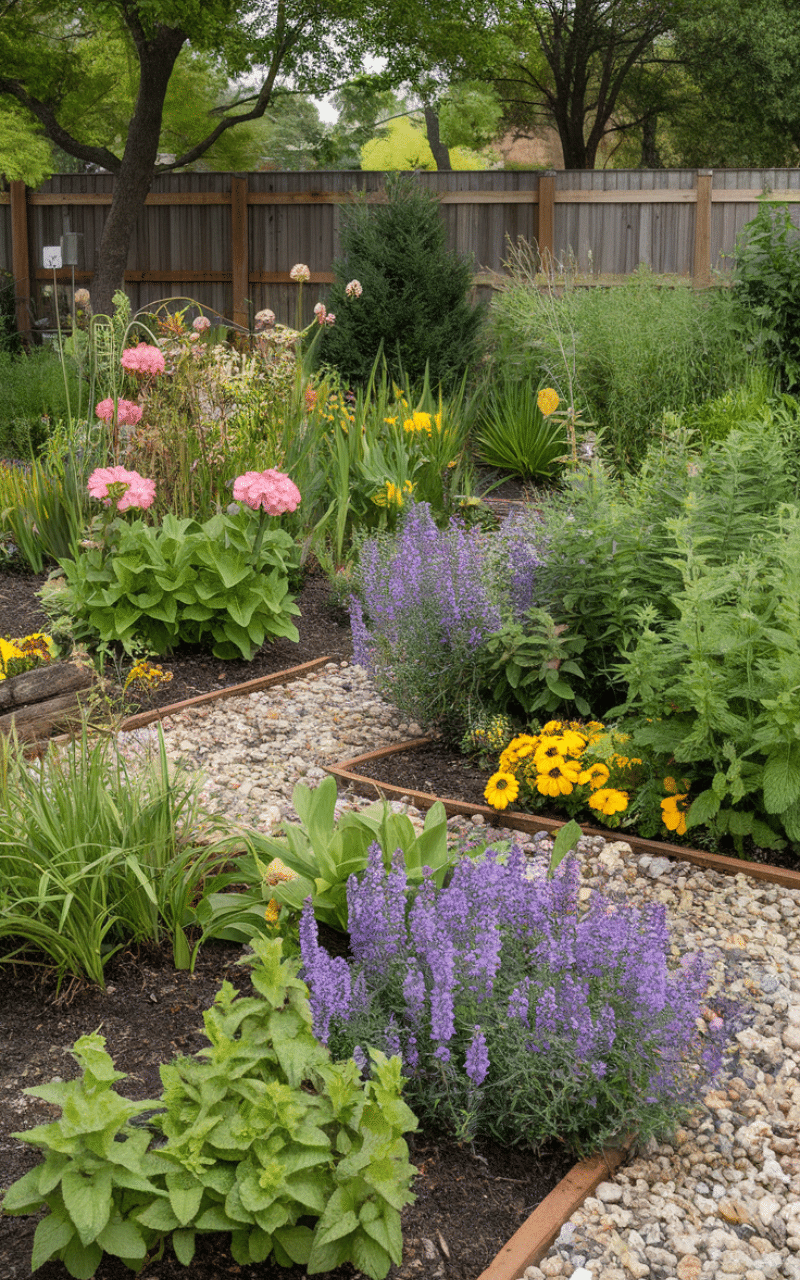
Designate small areas for flowers and pollinator plants to increase garden productivity.
5 Acre Homestead Layout Tip: Plant native species and avoid pesticides to support bees and beneficial insects.
5. Outdoor Living and Recreation Space

Incorporate a patio, fire pit, or seating area for relaxation and family enjoyment.
5 Acre Homestead Layout Tip: Position these areas near the house for convenience and social gatherings.
4. Woodland Buffer Zones
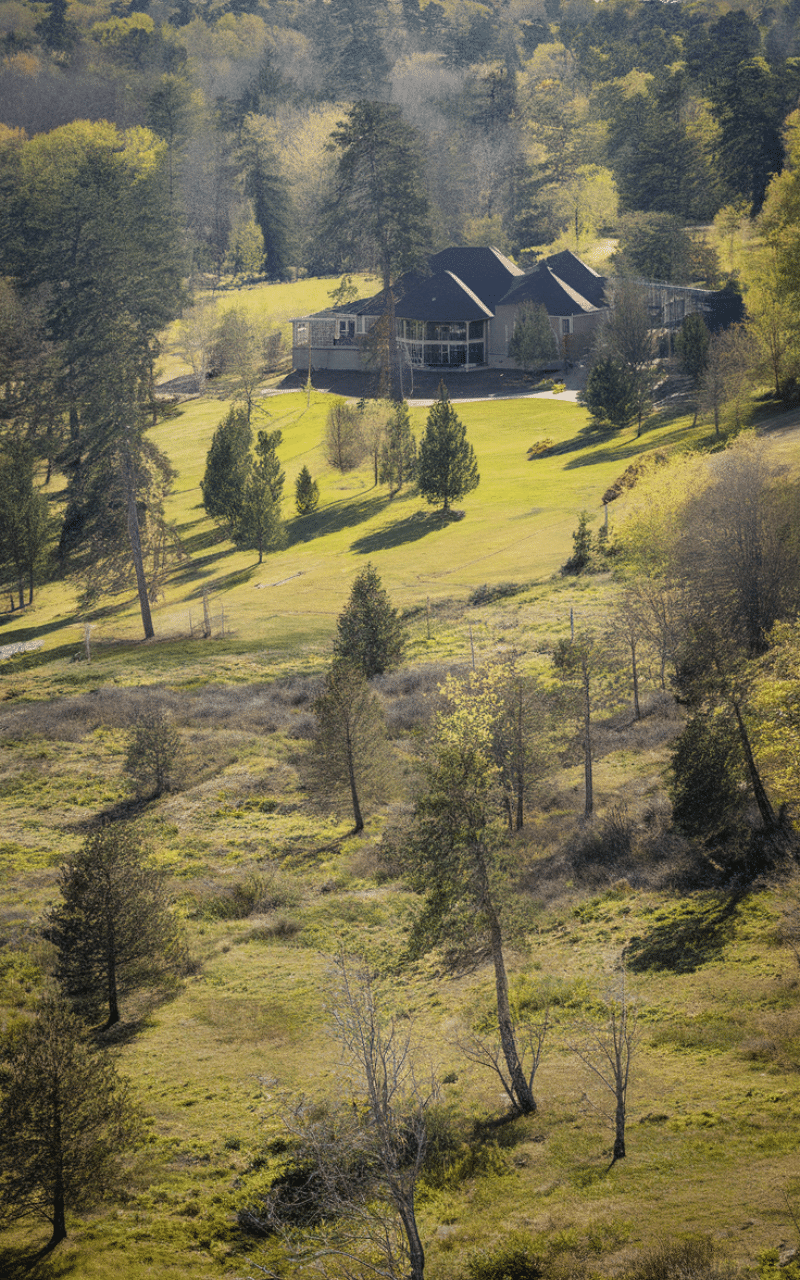
Retain or plant wooded areas around property edges for windbreaks and wildlife habitat.
5 Acre Homestead Layout Tip: Use selective tree planting to control shade and maintain accessibility.
3. Solar Panel Placement
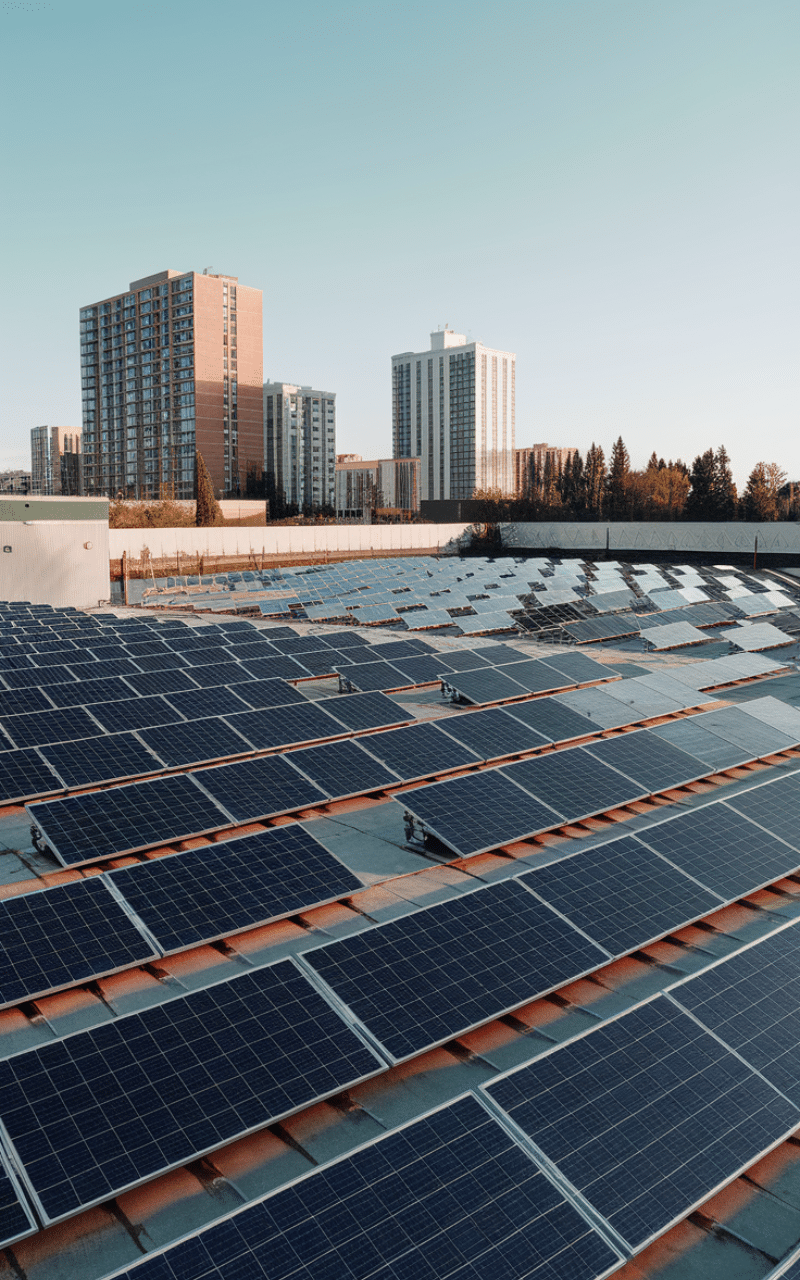
Install solar panels on roofs or open areas for renewable energy generation.
5 Acre Homestead Layout Tip: Position panels to avoid shading from trees and buildings.
2. Rainwater Harvesting Systems
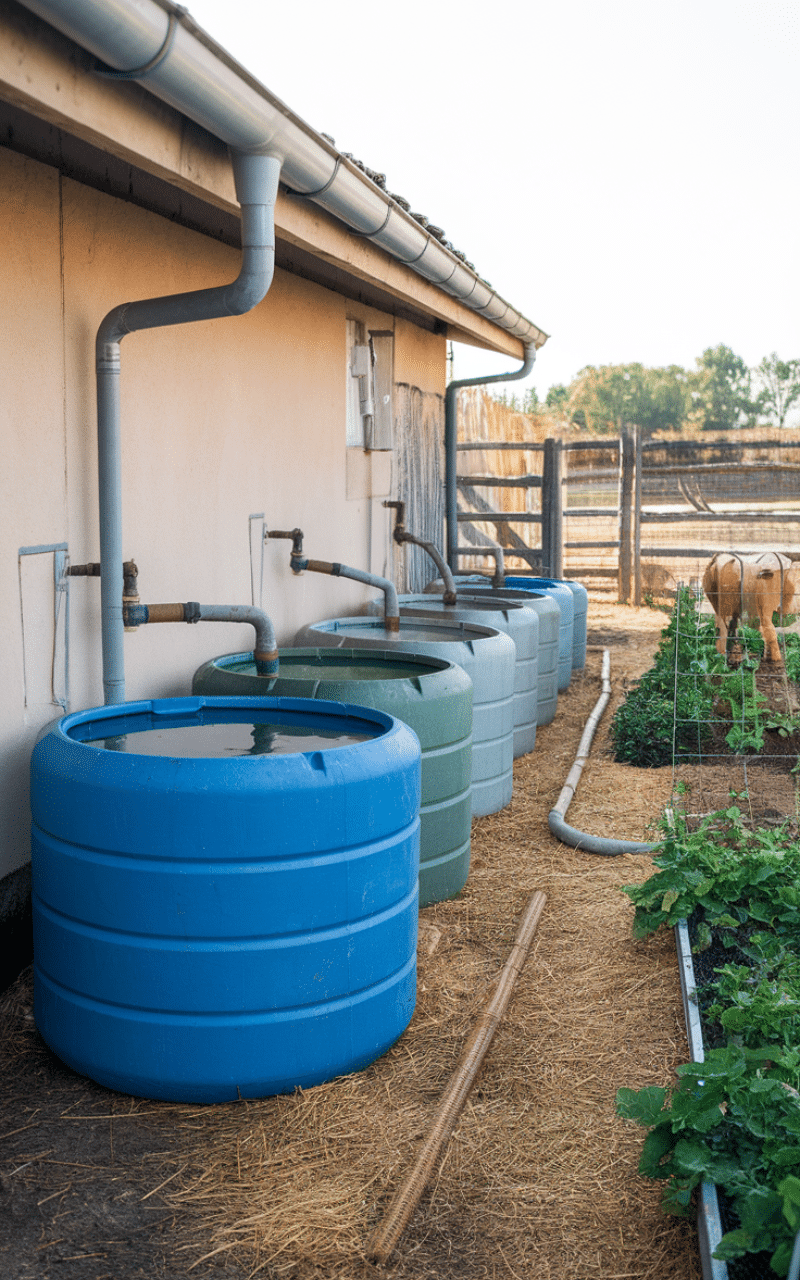
Set up rainwater collection from roofs to supply gardens and livestock.
5 Acre Homestead Layout Tip: Use gutters and storage tanks with screens to prevent debris entry.
1. Emergency Access and Exit Routes
Plan multiple entry and exit points for safety and convenience in case of emergencies.
5 Acre Homestead Layout Tip: Clearly mark routes and maintain gates for easy vehicle access.
Conclusion
A well-planned 5-acre homestead balances functionality, sustainability, and convenience. By implementing these 18 layout ideas, you can maximize productivity, ensure smooth workflow, and create a self-sufficient property that supports both crops and livestock while providing comfortable living spaces.
Enjoyed this post?
Share the love with another mom!
Every share helps this little blog grow — thank you so much