
Make sure to join my list for Weekly Tips and Recipes to Your Inbox
18 Best Potager Garden Design Ideas

A little note: Some images in this post may come from third-party sources and are shared purely to inspire you. All credit goes to their original creators. Visit our Image Credits Policy for more information.
When I first committed to building a potager garden, I honestly thought I had made a mistake before I even planted a single seed. Every sketch I drew looked crooked, every plan felt too complicated, and my confidence kept shrinking each time I compared my empty beds to the perfect layouts I saw online.
I kept telling myself I should stick to simpler projects, like the ideas I shared in my article about Apartment Balcony Shade Ideas, because a potager garden felt completely out of my league. The problem was not the soil or the plants but the fear that I would ruin something meant to be beautiful and functional at the same time.

My breakthrough came in the first season when I tried growing everything at once and failed spectacularly. I put tomatoes, melons, and cucumbers on the same drip line, and nothing grew the way it should. I overcrowded herbs, forgot how much parsley can self-seed seed and watched my carefully planned symmetry collapse in a matter of weeks.
Yet in the middle of all that chaos, I also saw tiny wins. Self-seeded flowers popped up where I had given up, a small trellis with pumpkins brought unexpected charm, and the potager garden taught me more in one summer than any guide could. That personal experience changed how I approached the entire design.
By the next year, I finally understood why a potager garden is meant to evolve slowly, not perfectly. I grouped my perennials into one long-term section, chose crops based on matching water needs, and rotated everything through four beds like a puzzle with moving pieces.
Instead of forcing symmetry, I let the garden teach me where it wanted height, color, and space. What started as an intimidating dream turned into a system that works because I learned it by living through every mistake. For the first time, my potager garden felt possible because it grew with me instead of against me.
What We're Exploring
- 01 18. Use Symmetrical Layouts and Axis
- 02 17. Incorporate Low Boxwood or Herb Edging
- 03 16. Plant Flowers Among Vegetables
- 04 15. Utilize Vertical Growing Structures
- 05 14. Create Distinct Themed Zones
- 06 13. Incorporate Decorative Pathways
- 07 12. Use Fruit Trees as Focal Points
- 08 11. Select Variegated and Colorful Foliage
- 09 10. Install an Attractive Central Feature
- 10 9. Utilize Clever Companion Planting
- 11 8. Plant Edibles in Decorative Containers
- 12 7. Include a Comfortable Seating Area
- 13 6. Edge with Terra Cotta or Brick
- 14 5. Incorporate a Cold Frame or Cloche
- 15 4. Design with Geometric Planting Patterns
- 16 3. Utilize Decorative Labels and Markers
- 17 2. Introduce Archways and Gates
- 18 1. Plant an Abundance of Nasturtiums
- 19 Conclusion
18. Use Symmetrical Layouts and Axis
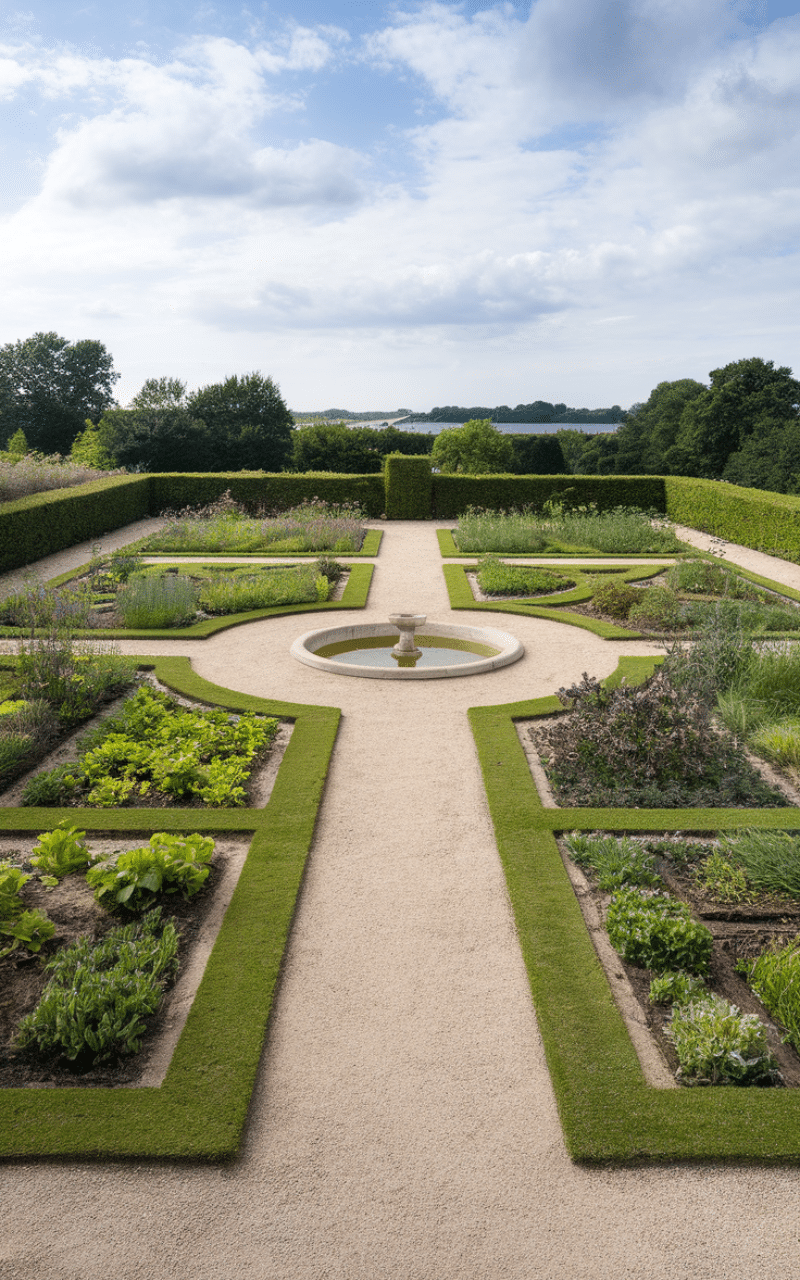
Establish a formal symmetrical layout with a clear central axis or pathway because this is the fundamental characteristic of a classic potager garden design so the geometric precision of the paths and beds creates order which beautifully contrasts with the wildness of the growing plants thus a central feature like a fountain or a birdbath at the heart of the design enhances this sense of balance and formality so regular shapes like squares rectangles or triangles work best for creating this pleasing symmetry.
17. Incorporate Low Boxwood or Herb Edging
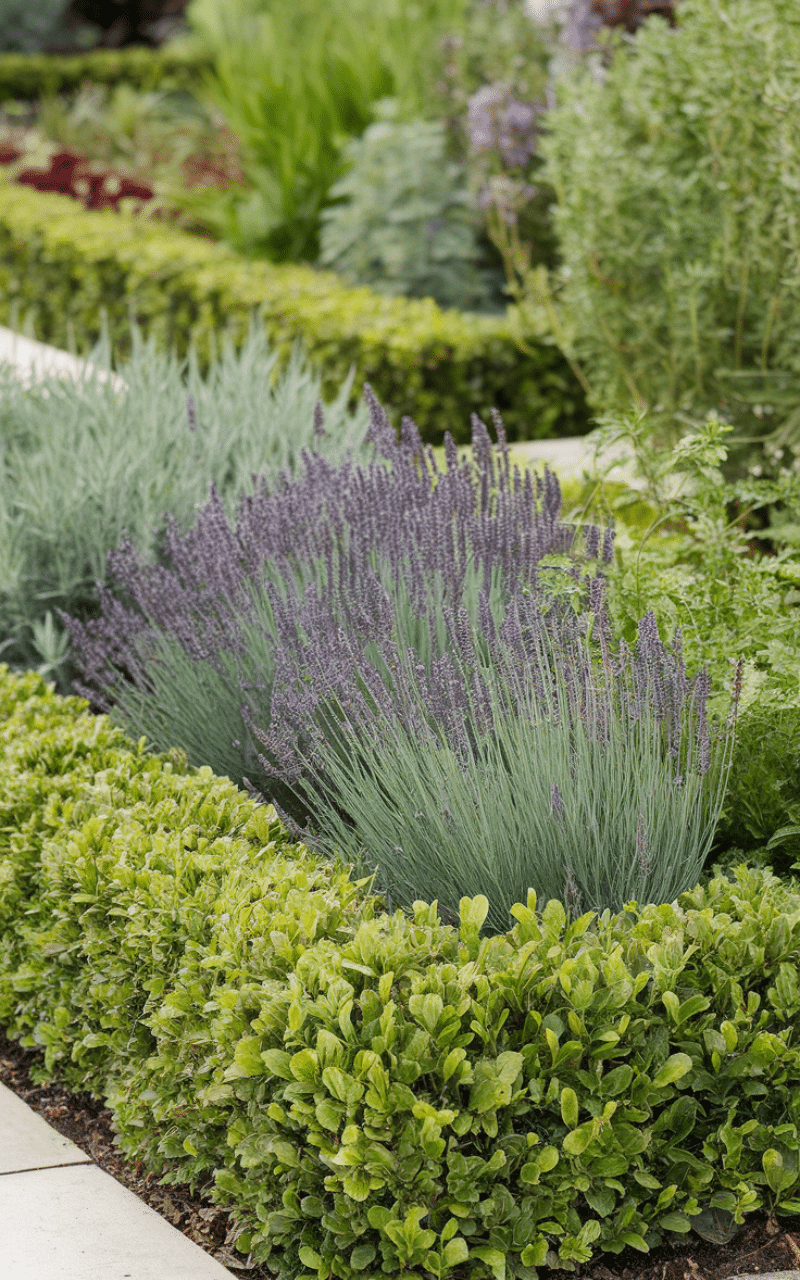
Border your planting beds with a low neatly clipped hedge of boxwood lavender or culinary herbs like thyme because this clearly defines the edges and adds a touch of traditional formality so the crisp lines of the edging visually contain the bountiful growth creating a beautiful framework for the entire potager garden thus evergreen edgings like boxwood provide year-round structure which is especially important during the winter months so use contrasting foliage color to make the edges stand out against the soil.
16. Plant Flowers Among Vegetables
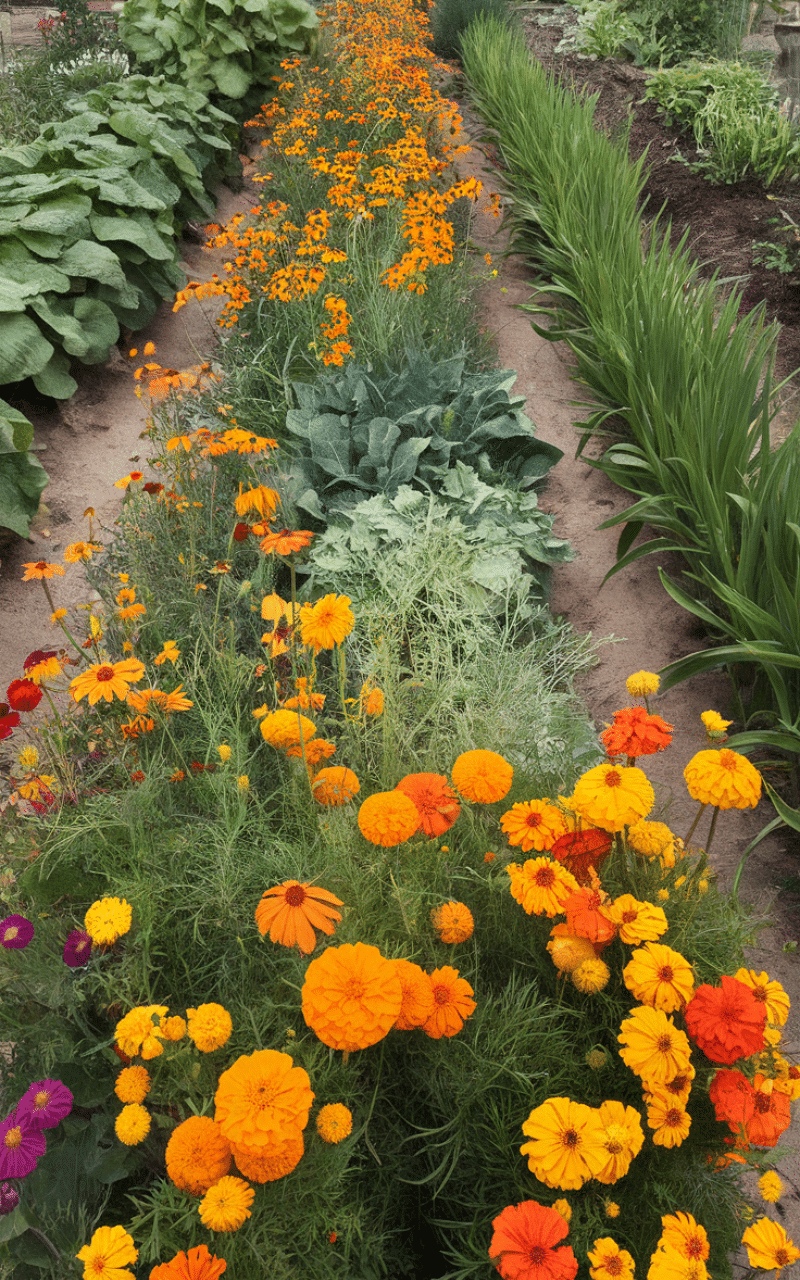
Integrate beautiful flowers like marigolds cosmos zinnias and nasturtiums directly into your vegetable rows because this interplanting is not just aesthetic but also beneficial for pest control and pollination so the flowers attract beneficial insects which help your crops thrive naturally thus this delightful mix is the essence of a beautiful and productive potager garden ensuring a continuous tapestry of color and texture so choose varieties that complement the colors of your edibles.
15. Utilize Vertical Growing Structures
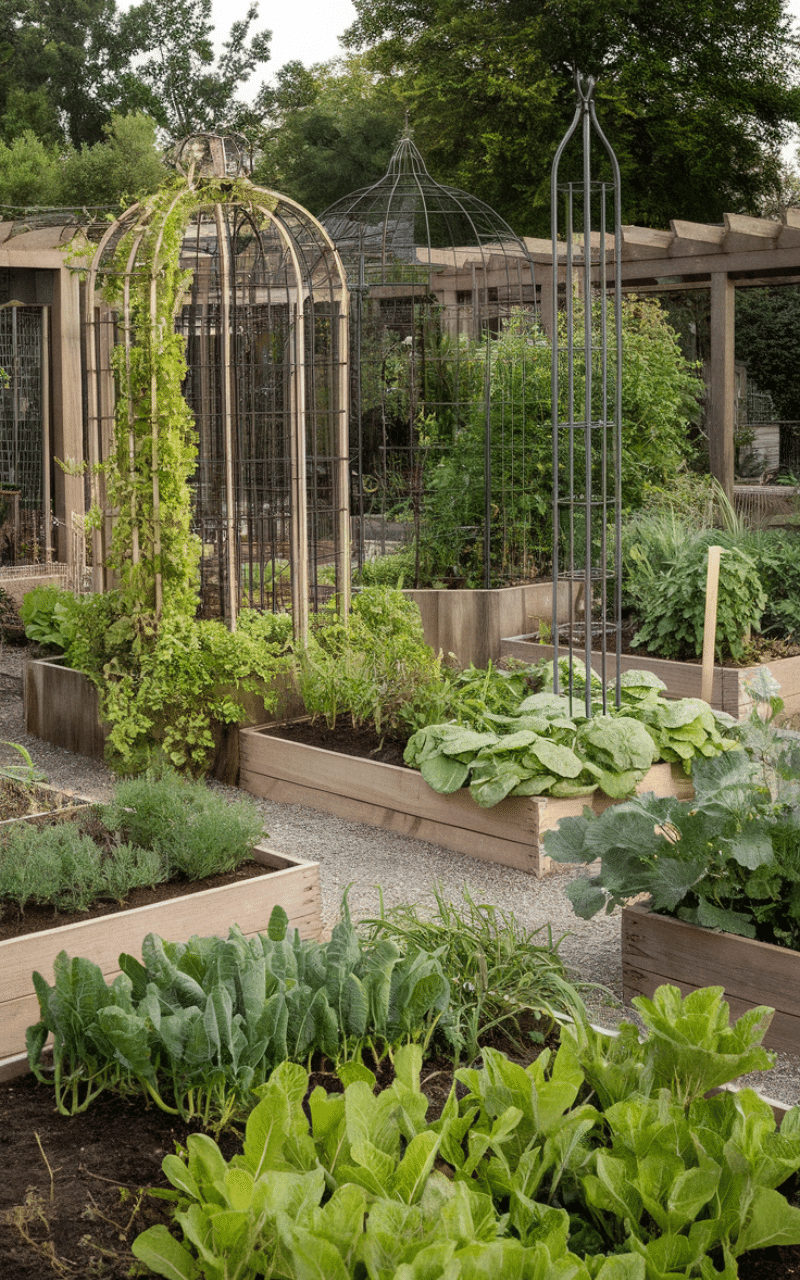
Install sturdy trellises arbors or obelisks for climbing vegetables like beans peas or cucumbers because growing vertically saves space and adds dramatic height and structure to the design so these vertical elements draw the eye upward creating layers of visual interest throughout the potager garden thus using elegant materials like wrought iron or beautifully crafted wood enhances the overall refined aesthetic so the upright structures also make harvesting much easier.
14. Create Distinct Themed Zones
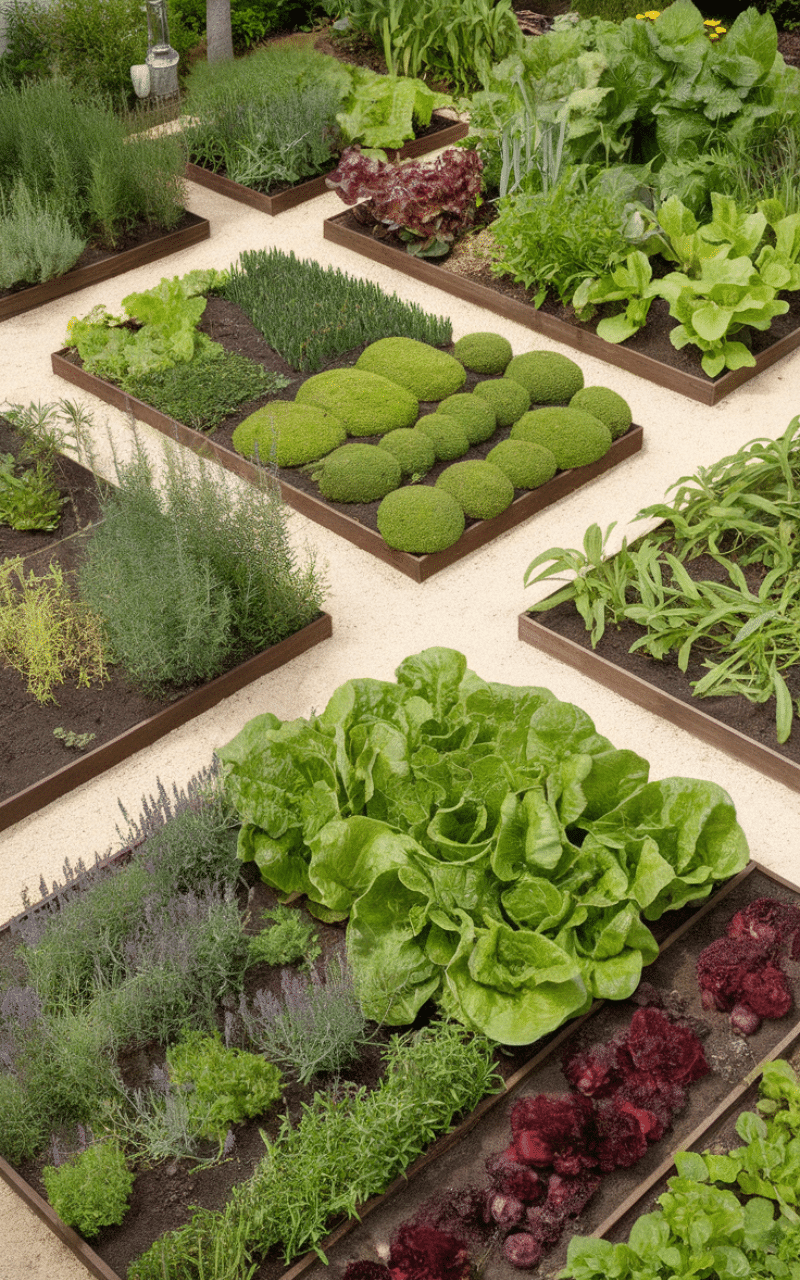
Divide your potager garden into distinct zones based on themes like a culinary herb section a salad garden area or a seasonal root vegetable patch because this organization makes planting rotation and harvesting far more manageable so use small pathways or low borders to delineate these separate areas clearly thus this systematic approach ensures that the functional aspect of food production remains highly efficient so each zone can be tailored to specific plant needs or aesthetic goals.
13. Incorporate Decorative Pathways
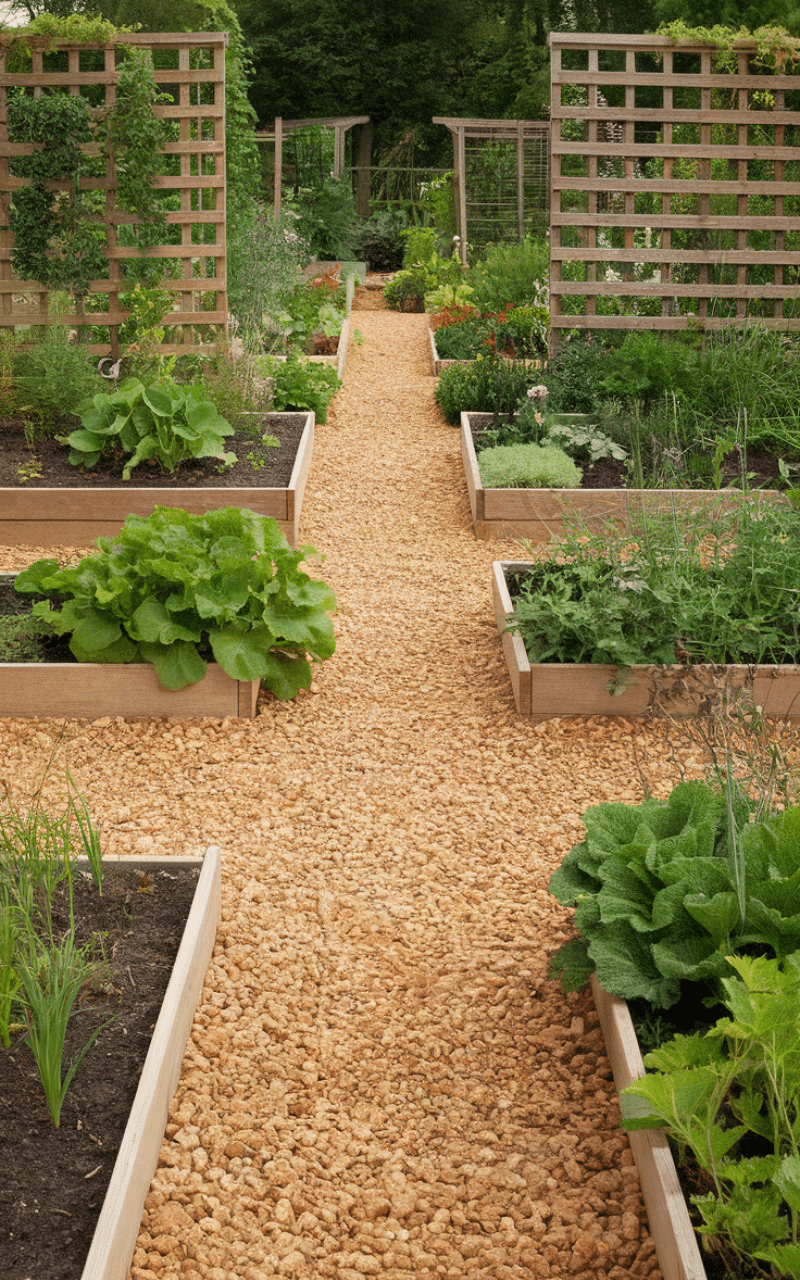
Design the pathways in your potager garden using attractive materials like crushed gravel wood chips or brick because paths are essential not just for access but as key visual elements in the design so the material should be firm and wide enough for a wheelbarrow while providing a pleasant surface for walking thus allowing you to enjoy and access every corner of your beautiful potager garden easily so decorative pathways add texture and formality to the overall plan.
12. Use Fruit Trees as Focal Points
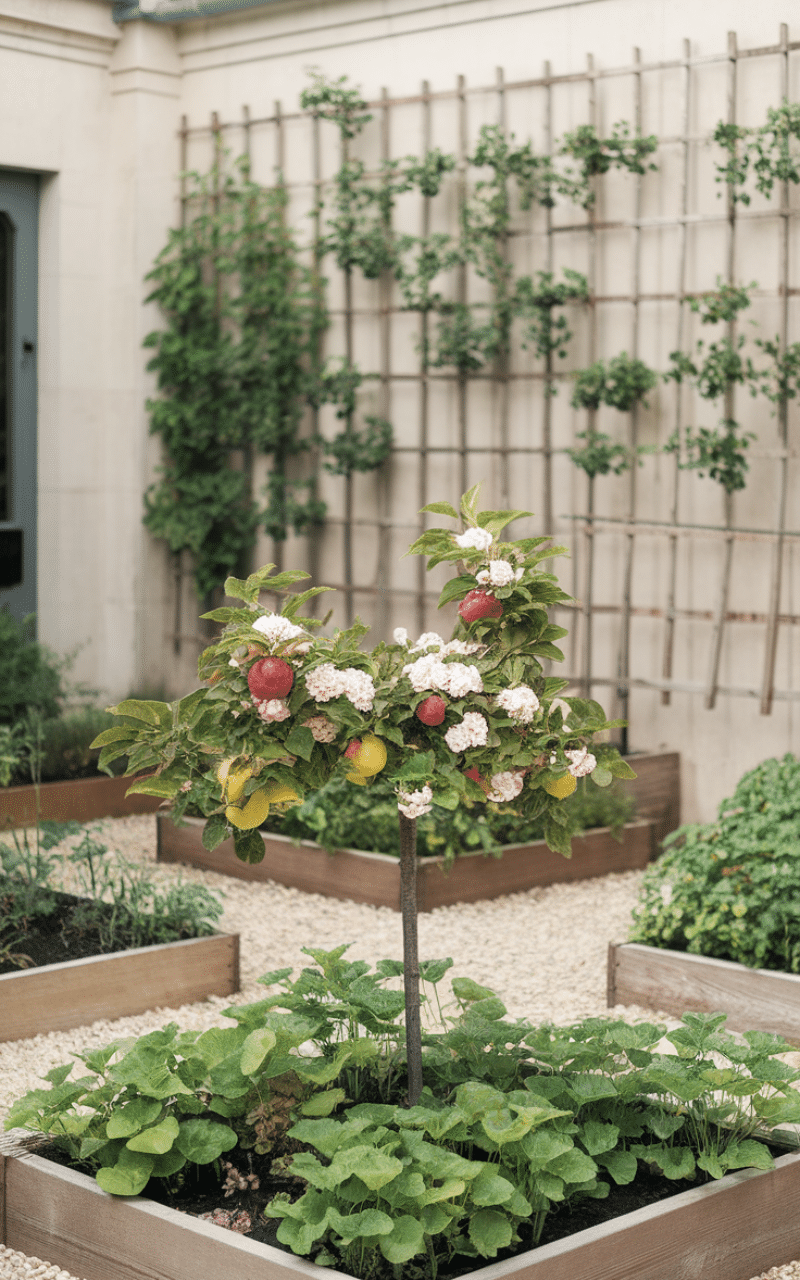
Plant small ornamental fruit trees like dwarf apple pear or espaliered varieties at the intersection of pathways or in the center of a bed because these trees serve as structural anchors providing height and seasonal interest so their blossoms in spring and fruit in summer add layers of beauty and productivity to the potager garden thus espaliering the branches against a wall is a classic French technique that saves space and looks incredibly elegant so the trees help define the vertical dimension of the space.
11. Select Variegated and Colorful Foliage
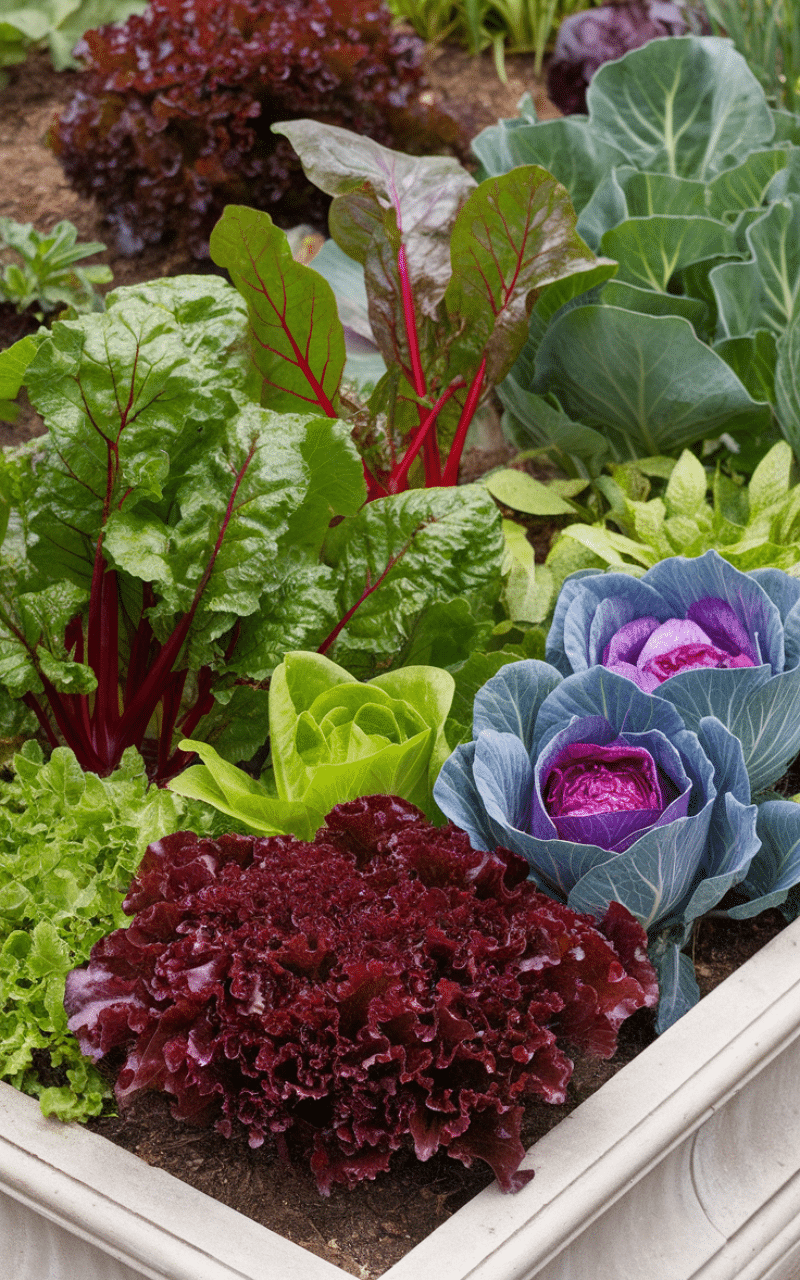
Choose edible plants with striking colorful foliage like red lettuce Swiss chard with vibrant stems or purple cabbage because these plants offer visual appeal even when they are not flowering or fruiting so interspersing these colorful edibles among green ones adds depth and artistry to the planting scheme thus this mindful selection turns everyday vegetables into decorative elements essential for a truly beautiful potager garden so the colors shine especially brightly against the formal edging.
10. Install an Attractive Central Feature
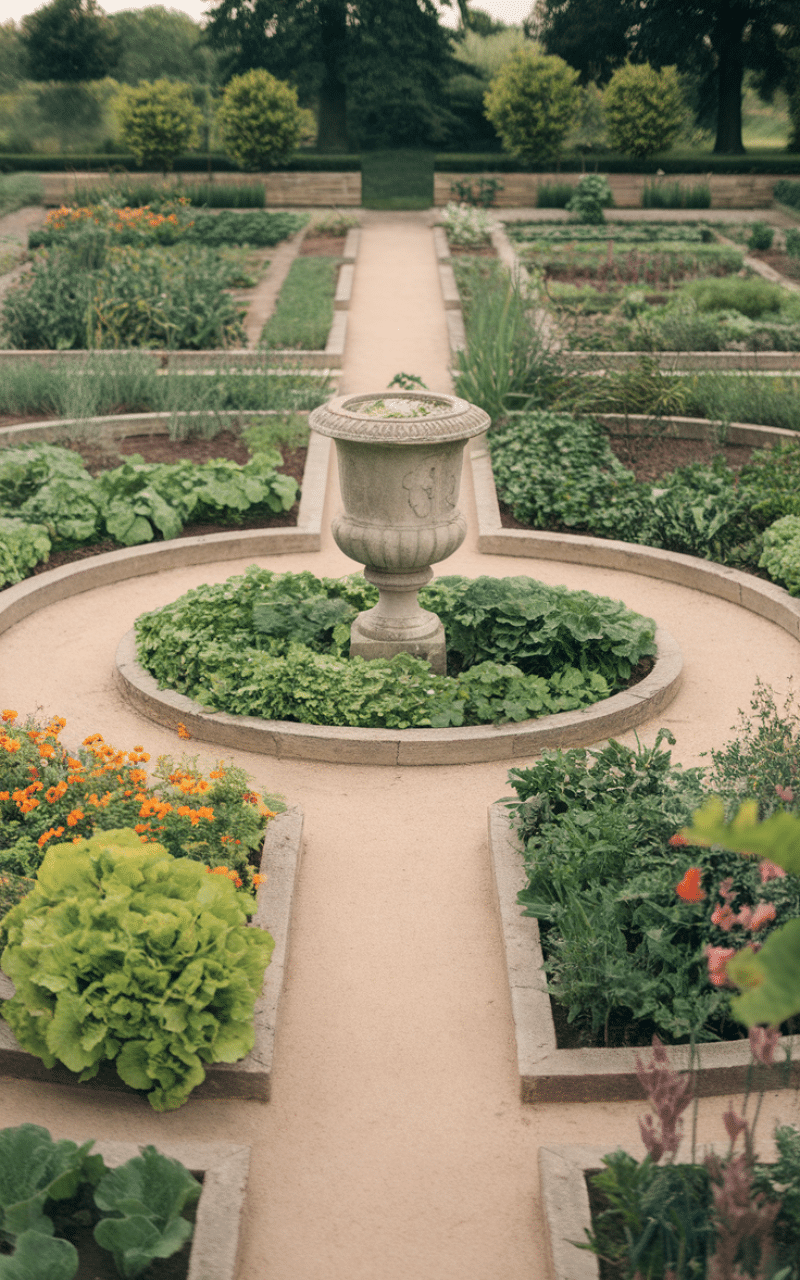
Place a beautiful focal point such as a classical statue a large decorative urn or an elegant sundial at the center of your potager garden because this centerpiece draws the eye and reinforces the symmetrical design so the feature serves as a gathering point for the main pathways adding a touch of grandeur and tradition thus this focal point elevates the entire space transforming it from a vegetable patch into a true ornamental garden so surrounding the feature with a circular bed adds visual emphasis.
9. Utilize Clever Companion Planting
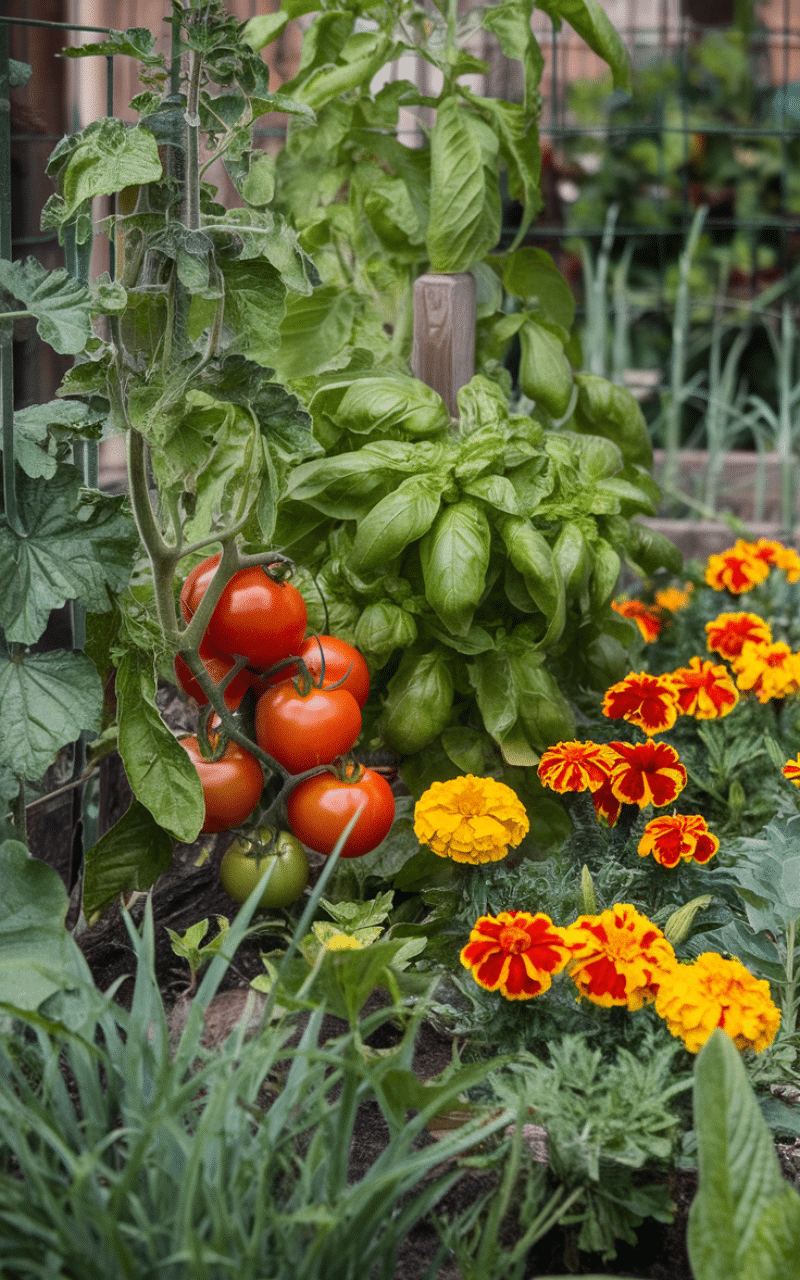
Practice companion planting by grouping mutually beneficial plants together like basil with tomatoes or marigolds near vulnerable crops because this method naturally reduces pests and maximizes yields so the careful arrangement of plants ensures both health and aesthetic appeal in your beds thus this age-old technique makes your potager garden more sustainable and productive naturally so look for interesting leaf shapes and colors to enhance the visual diversity.
8. Plant Edibles in Decorative Containers
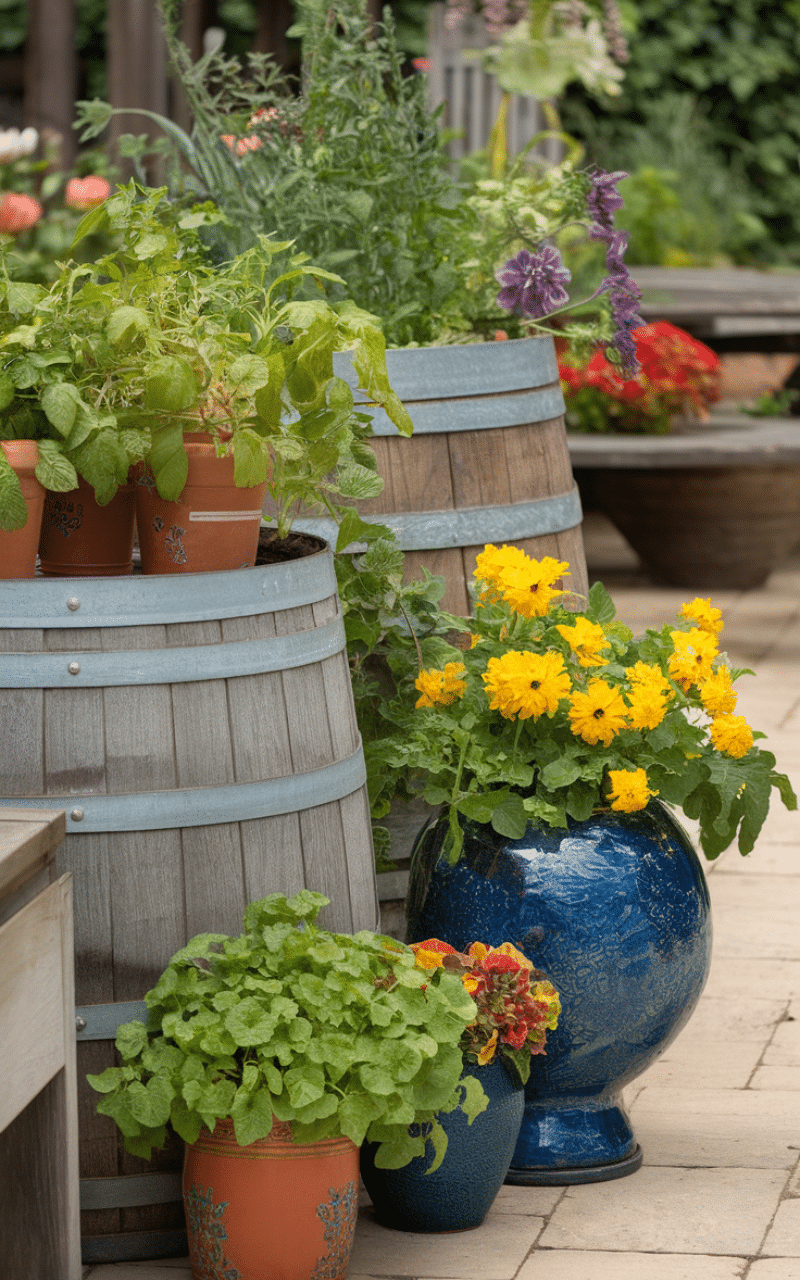
Place small groups of beautiful containers filled with herbs tomatoes or peppers near the edges of the garden or by seating areas because containers add flexibility and allow you to introduce colorful accents where needed so use terracotta pots wooden barrels or elegant glazed containers that complement the garden’s style thus this method is perfect for growing tender or moisture-loving crops in a managed environment while adding portability to your potager garden so grouping containers of different heights creates dynamic displays.
7. Include a Comfortable Seating Area
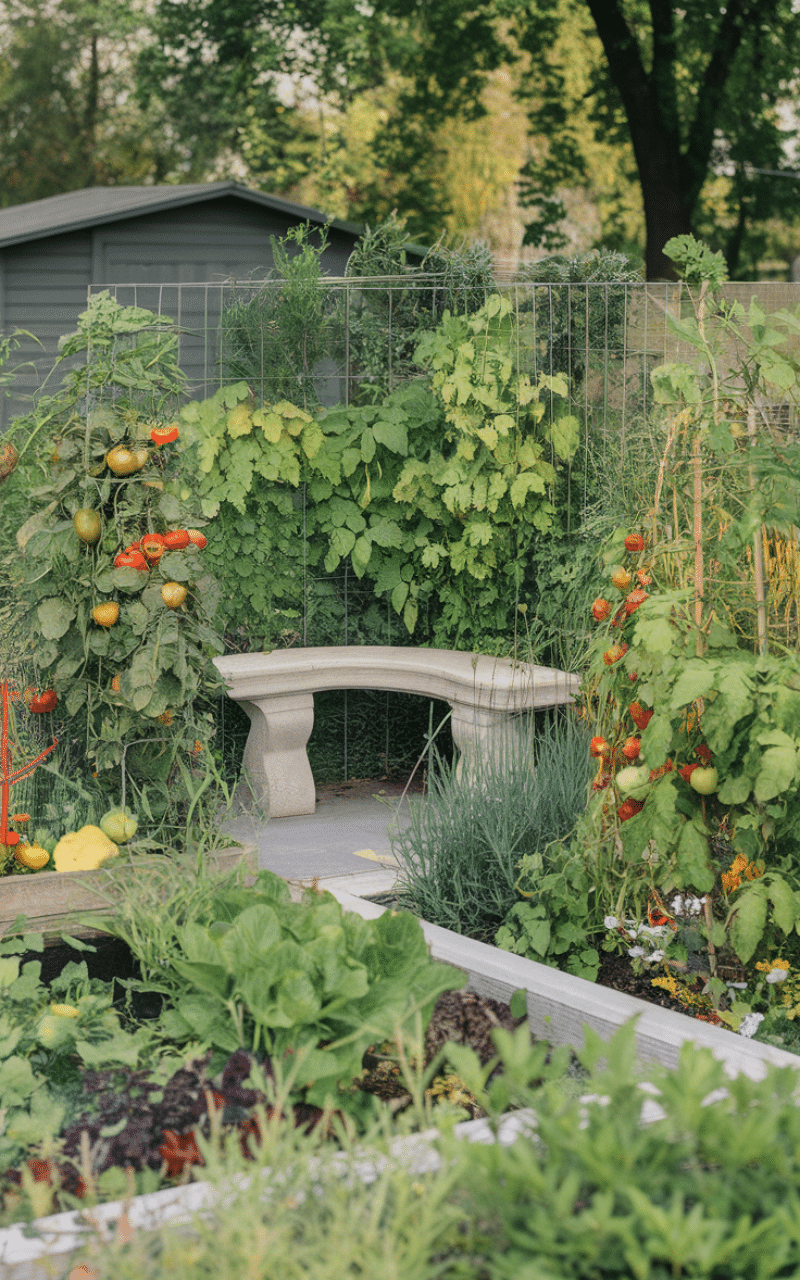
Designate a small comfortable seating area like a stone bench or a bistro set tucked into a corner of the potager garden because having a place to sit allows you to fully enjoy the beauty and fragrance of your edible landscape so position the seat where you have a delightful view of the entire layout and the central feature thus this addition transforms the garden into a living outdoor room encouraging you to spend more time relaxing among your plants so a seating nook makes the space feel truly inviting and personal.
6. Edge with Terra Cotta or Brick
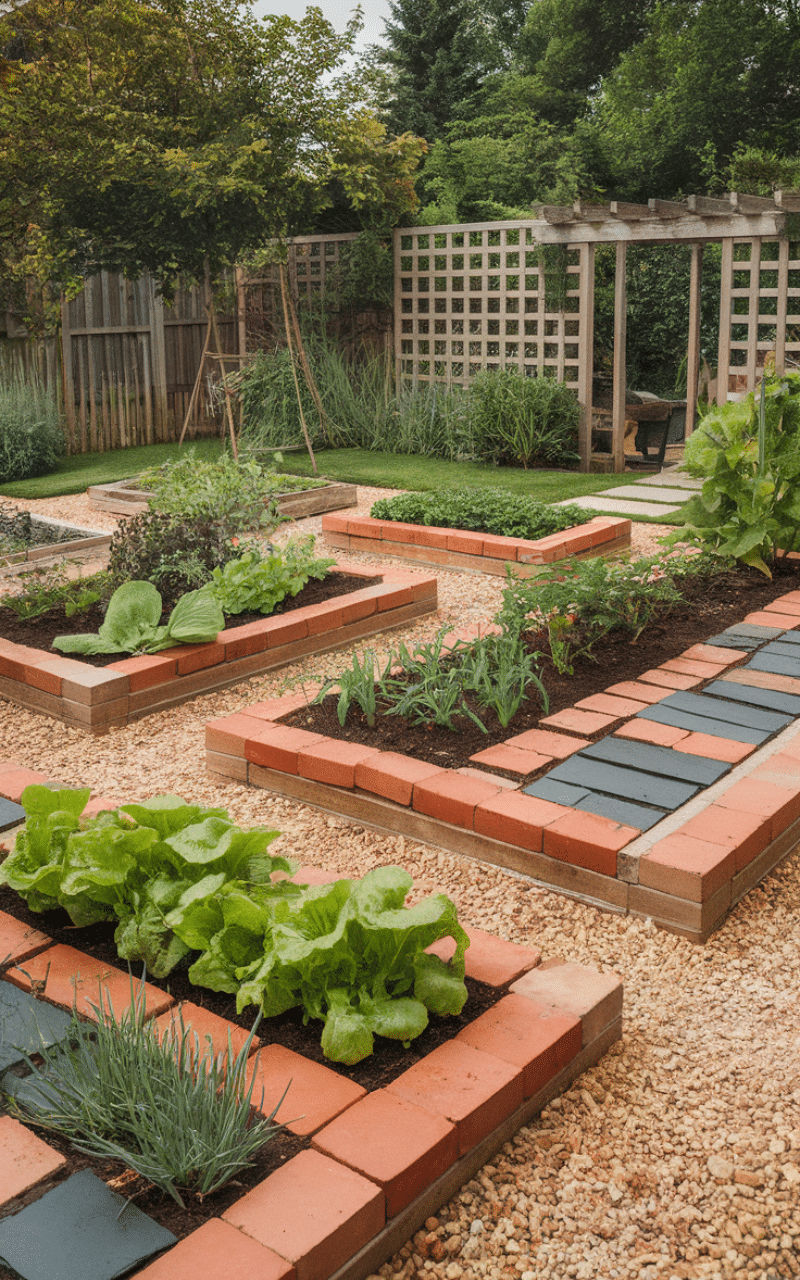
Use traditional materials like terra cotta tiles bricks or salvaged slate to create crisp formal edges for your planting beds because these boundaries provide a timeless rustic look that withstands the elements well so the defined edges maintain the structure of the potager garden preventing soil from spilling onto the paths and keeping weeds contained thus this simple masonry work adds a layer of refinement and permanence to the design so laying the materials in a simple basketweave or running bond pattern looks very classic.
5. Incorporate a Cold Frame or Cloche
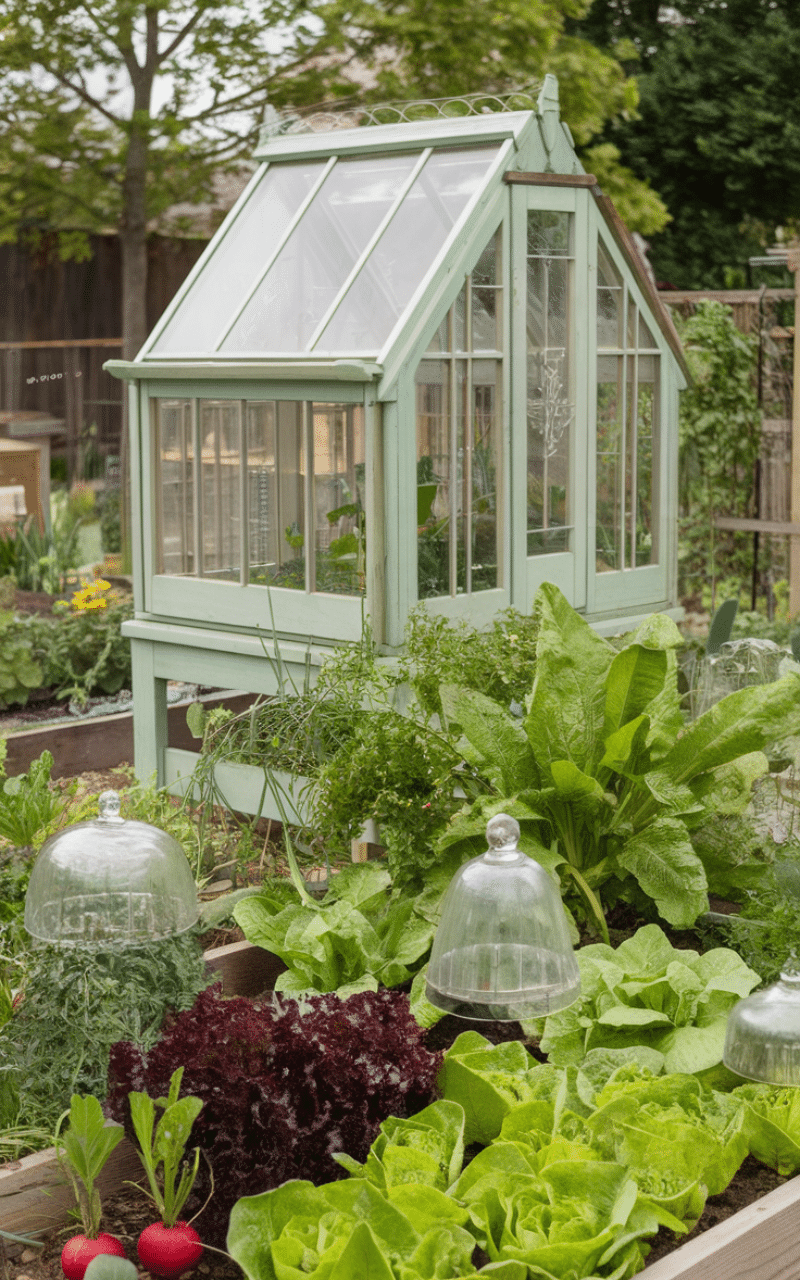
Integrate a beautiful wooden cold frame or antique glass cloches into one section of your beds because these structures are both decorative and functional allowing you to extend your growing season so they protect early spring seedlings or late fall harvests maintaining production efficiency thus the glass and wood add an architectural element that enhances the traditional look of the potager garden so painting the wood frame in a soft heritage color works well.
4. Design with Geometric Planting Patterns
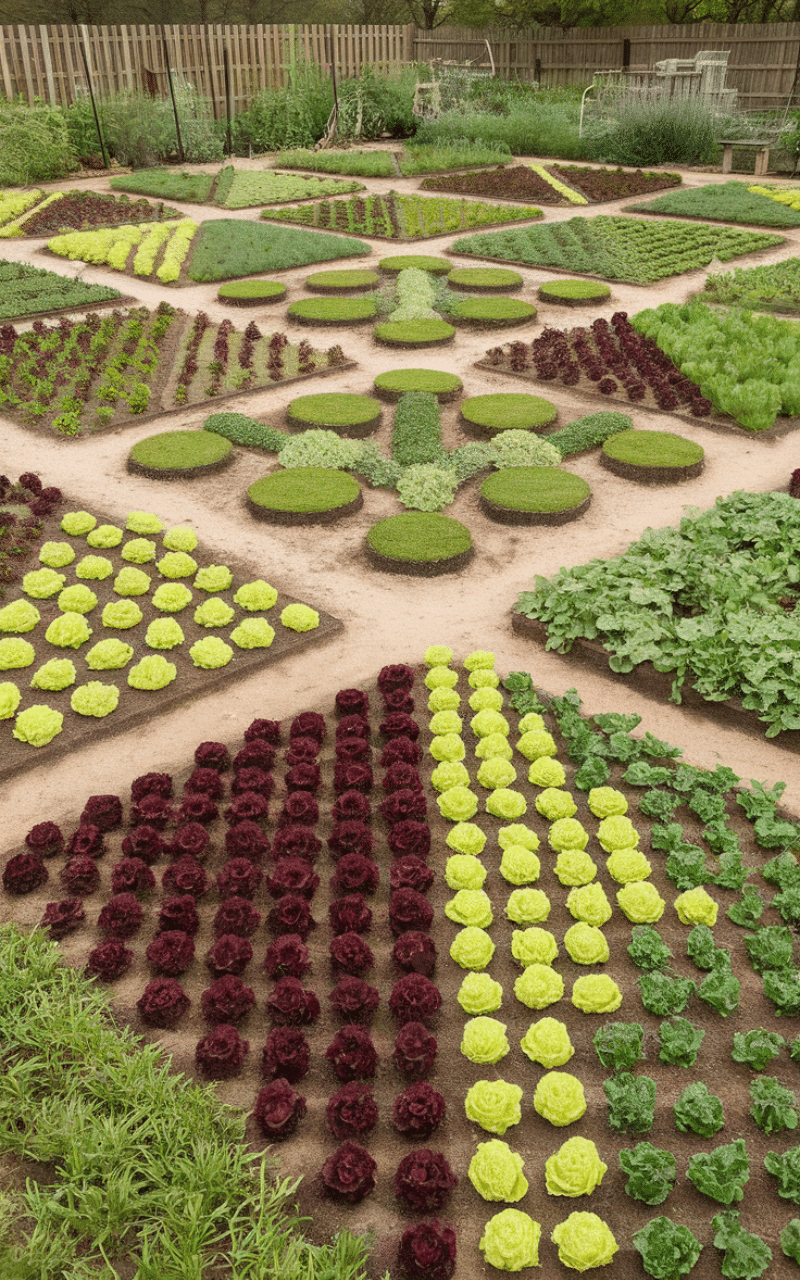
Plant your vegetables and herbs in attractive geometric patterns like circles fans or alternating diamond shapes within the beds because this approach emphasizes the ornamental aspect of the potager garden transforming simple rows into decorative features so alternating rows of different colored lettuce or herbs creates a lovely checkerboard effect that is visually stunning thus this is where the art and the practicality of the design truly merge so careful spacing is required to maintain the integrity of the pattern.
3. Utilize Decorative Labels and Markers
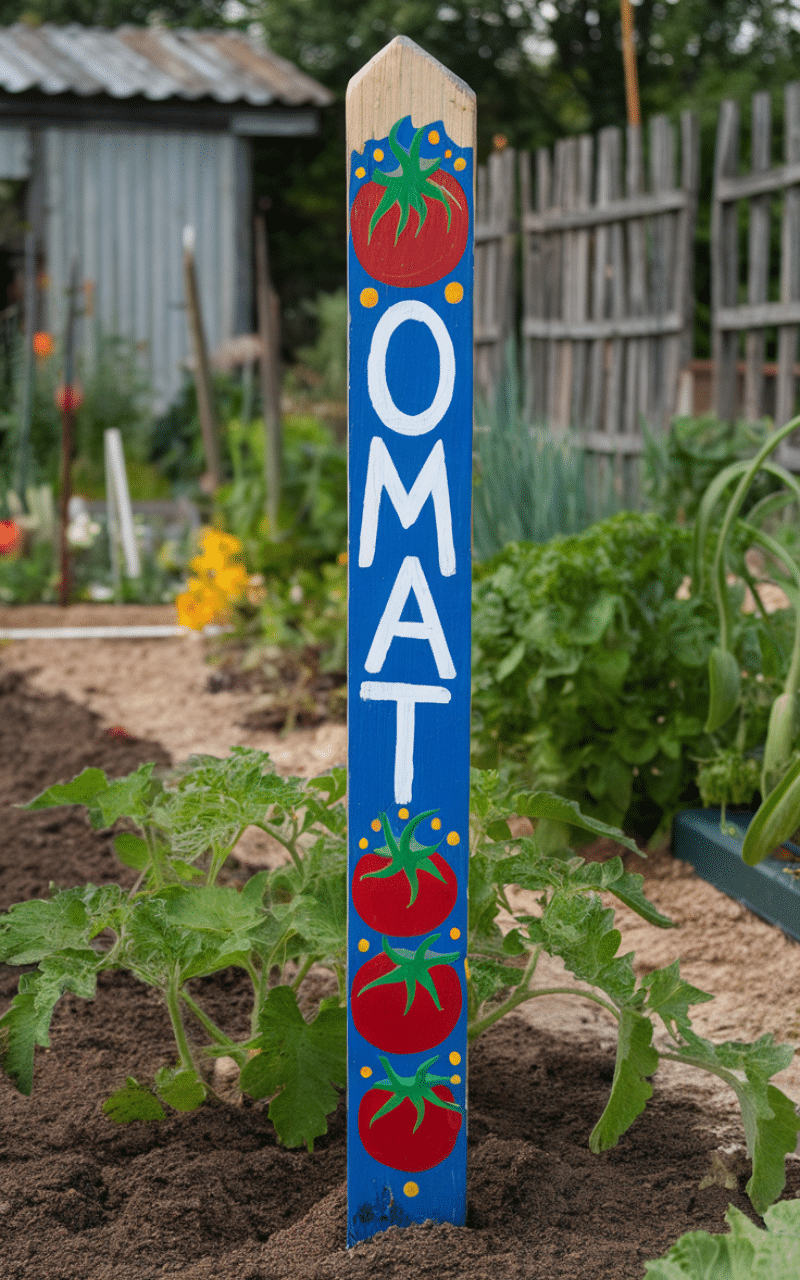
Use beautiful hand-painted wooden stakes engraved slate labels or antique metal plant markers to clearly identify all your crops because organized elegant labeling adds a charming finished touch to the entire potager garden so not only is this useful for identification but the markers become part of the decor enhancing the overall aesthetic thus choosing markers that share a cohesive style reinforces the sophisticated look of the design so legible elegant labels demonstrate care and attention to detail.
2. Introduce Archways and Gates
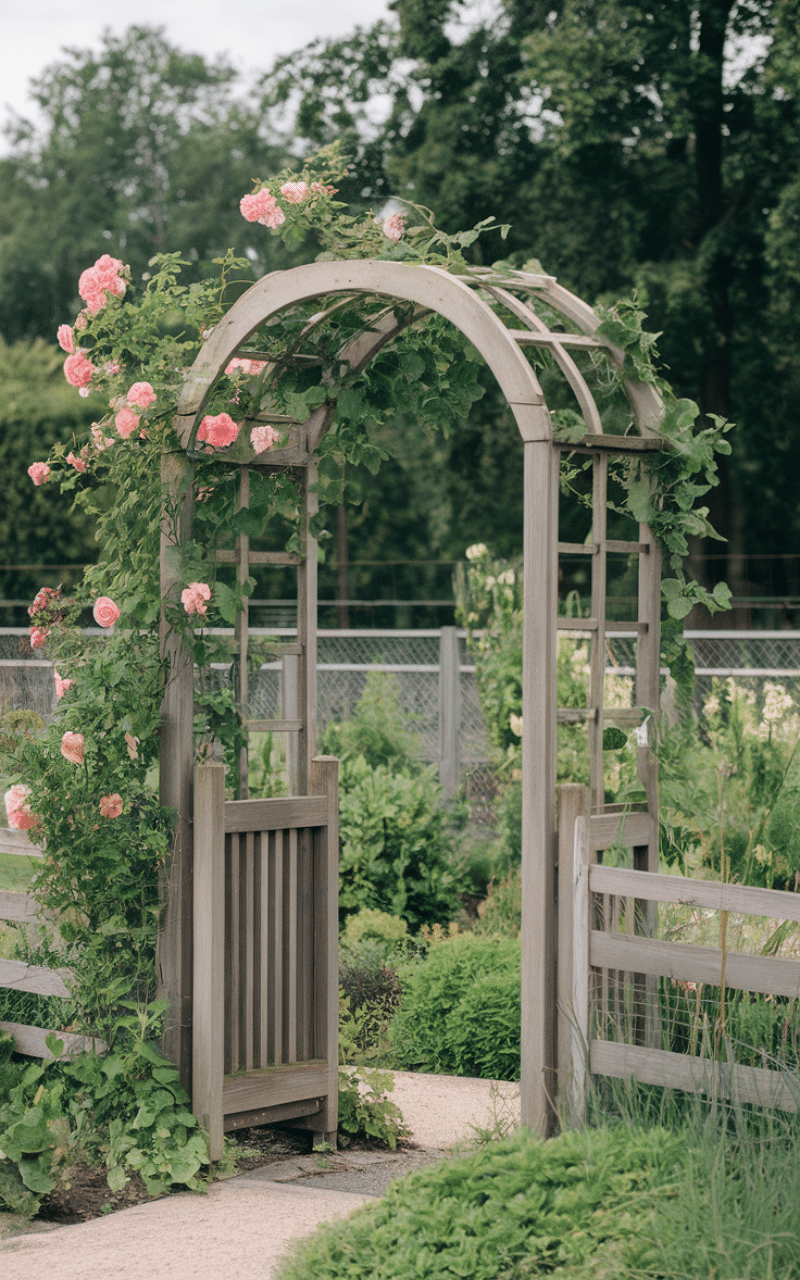
Install a simple wooden archway or a charming decorative gate at the entrance to your potager garden because this defines the boundary and creates a welcoming sense of arrival so train climbing roses or sweet peas over the arch to create a fragrant living canopy that delights visitors thus this entryway marks the transition from the rest of the yard into your special ornamental kitchen garden so the archway enhances the feeling of stepping into a cherished hidden space.
1. Plant an Abundance of Nasturtiums
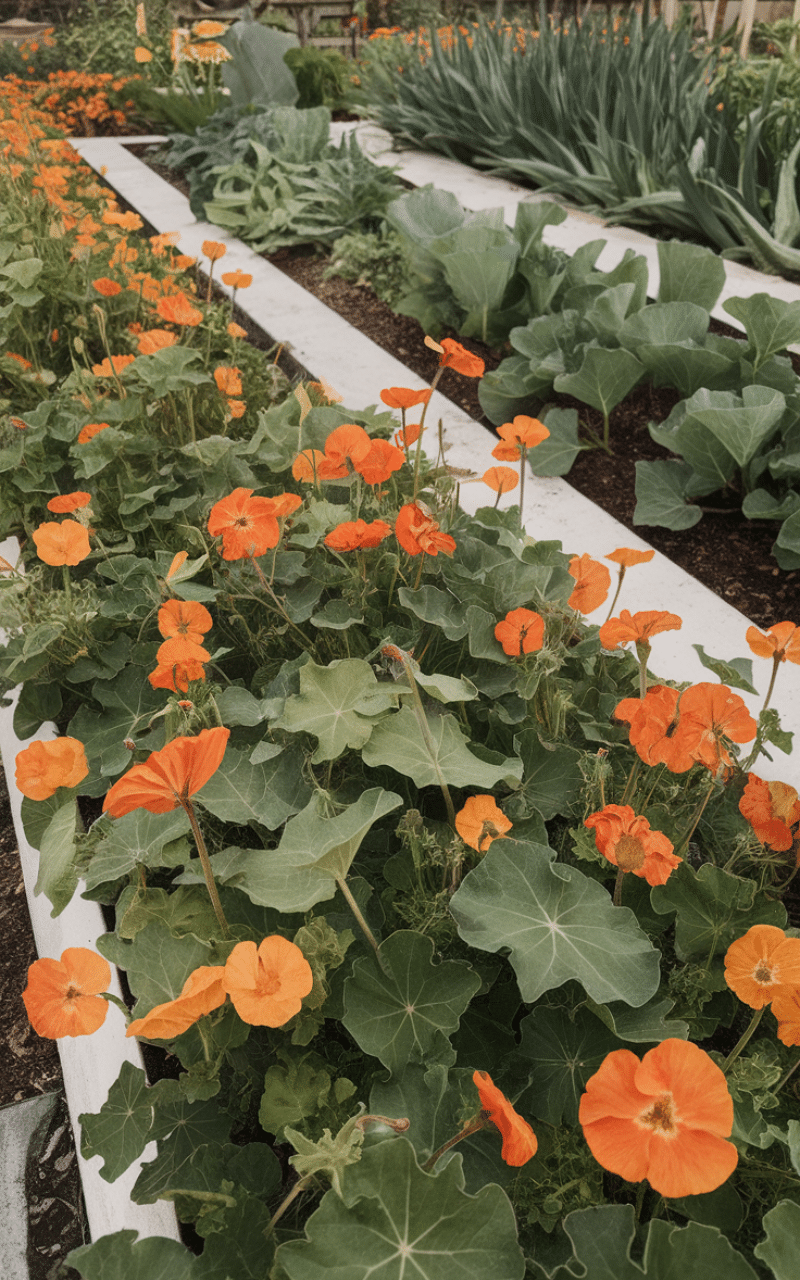
Scatter masses of nasturtium seeds throughout the entire potager garden because their vibrant edible flowers and leaves cascade beautifully over edges and act as a natural trap crop for pests so the sprawling growth habit softens the formal lines of the beds adding that necessary touch of playful exuberance thus the spicy peppery flavor of the flowers and leaves also makes them a fantastic harvestable element so the nasturtiums truly embody the blend of utility and beauty that defines the perfect potager garden.
Conclusion
The creation of a stunning potager garden is a celebration of both nature’s bounty and thoughtful design so by carefully selecting beautiful edibles structuring the space with symmetry and integrating decorative elements you achieve an outdoor space that is productive and absolutely breathtaking thus embracing these potager garden design ideas ensures your garden becomes a year-round source of fresh food and profound beauty so start mixing your flowers and vegetables with artistry today and please consider subscribing to my blog for more detailed décor guides and inspiration for your next home project.
Enjoyed this post?
Share the love with another mom!
Every share helps this little blog grow — thank you so much