
Make sure to join my list for Weekly Tips and Recipes to Your Inbox
18 Best Ways to Start Self Sufficient Living in the City

A little note: Some images in this post may come from third-party sources and are shared purely to inspire you. All credit goes to their original creators. Visit our Image Credits Policy for more information.
Sufficient Living becomes difficult when someone wakes up each morning already losing themselves in conversations before the day even begins, afraid to speak, decide, or show a personal voice.
Self-sufficient living this way feels like masking through every interaction, drifting without identity, and I even mention that I have an article about Black And White Kitchen Cabinets, where identity and style matter, yet many do not feel they can express any version of themselves in the real world.
The burden grows heavier when every conversation feels like disappearing and every choice feels like a threat. Many try to cope by shrinking their world, reducing social contact, surviving by fawning, hiding, and feeling like a blank reflection of others.
Some journal to find pieces of themselves, and others quietly notice what drains or comforts them in a room, slowly discovering patterns of anxiety, fear, and unmet needs.
It can feel like being stuck between trying to be a normal person and fearing there is no steady self to return to, just masks, avoidance, and internal battles. The solution begins when Self-Sufficient Living becomes an inner project of rebuilding identity from the smallest observations, like writing down honest emotions, noticing reactions, challenging thoughts, and giving the self permission to exist piece by piece.
Over time, this process turns into real independence, because learning who you are makes it possible to speak, decide, set boundaries, and feel grounded in the world rather than swallowed by it.
What We're Exploring
- 01 18. Grow Vegetables in Containers
- 02 17. Build a Vertical Garden
- 03 16. Start a Windowsill Herb Garden
- 04 15. Install a Small Compost System
- 05 14. Collect and Store Rainwater
- 06 13. Make Your Own Cleaning Products
- 07 12. Learn Basic Food Preservation
- 08 11. Bake More Food from Scratch
- 09 10. Reduce Energy Use at Home
- 10 9. Grow Microgreens Indoors
- 11 8. Create a Balcony Fruit Garden
- 12 7. Start Seed Saving
- 13 6. Join or Start a Community Garden
- 14 5. Cook Seasonal Meals
- 15 4. Learn Basic Repair Skills
- 16 3. Reduce Single-Use Products
- 17 2. Use a Household Budget and Tracking System
- 18 1. Build Skills Continuously
- 19 Conclusion
18. Grow Vegetables in Containers
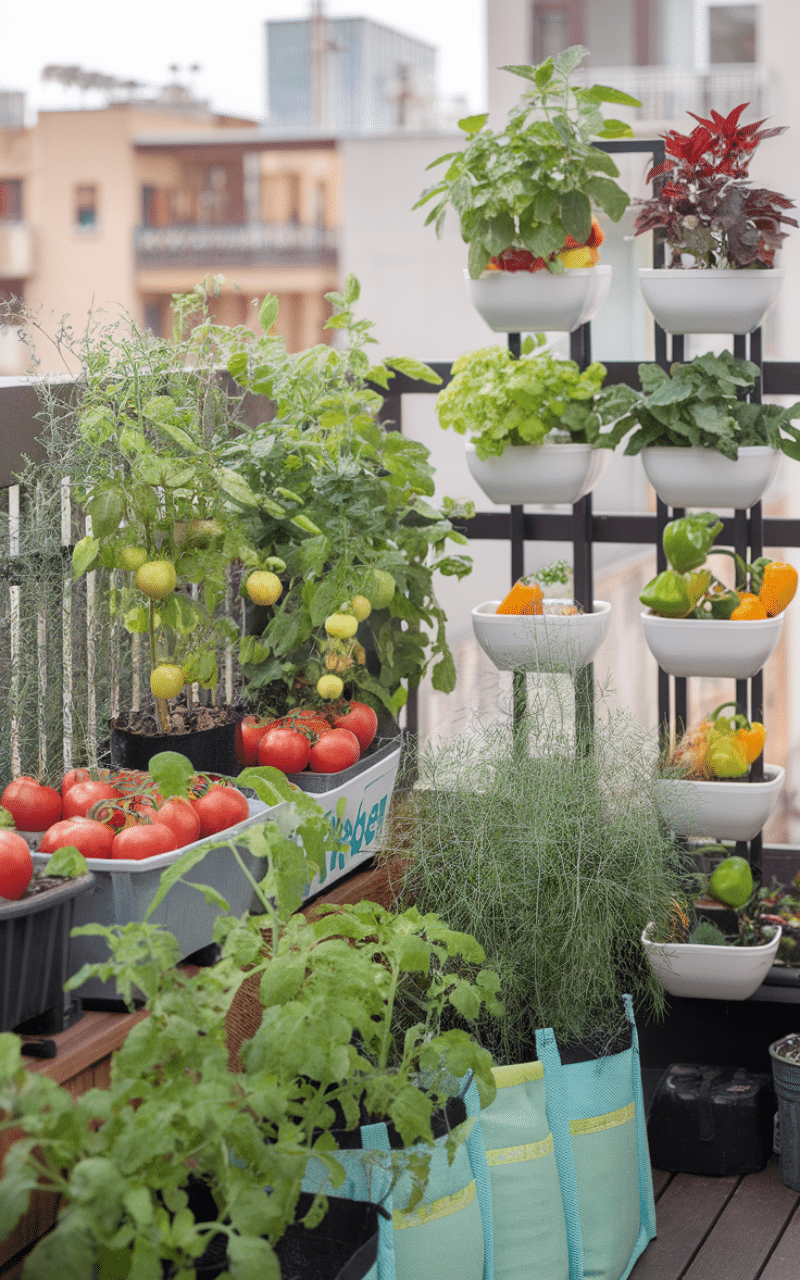
Container gardening allows city dwellers with balconies, patios, or windowsills to grow vegetables successfully. Choose lightweight pots, raised grow bags, or vertical planters to maximize space. Tomatoes, herbs, greens, peppers, and dwarf fruit varieties thrive in small environments.
Self Sufficient Living Tip: Use high-quality soil and add compost regularly to maintain nutrients.
17. Build a Vertical Garden
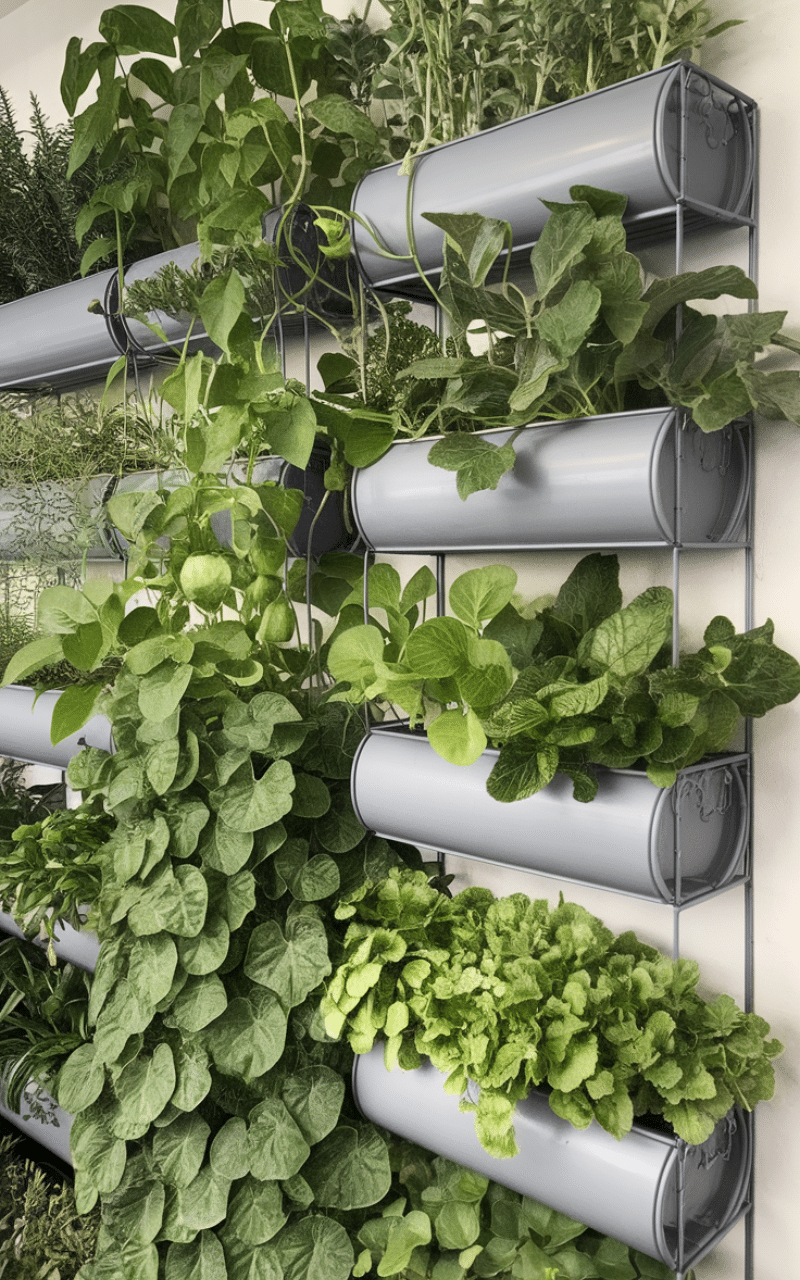
Vertical gardens take advantage of wall space indoors or outdoors. Shelving, stacked planters, and trellises allow crops like beans, cucumbers, and peas to grow upward, increasing yield without increasing floor space.
Self Sufficient Living Tip: Install drip irrigation or self-watering systems for consistent moisture.
16. Start a Windowsill Herb Garden
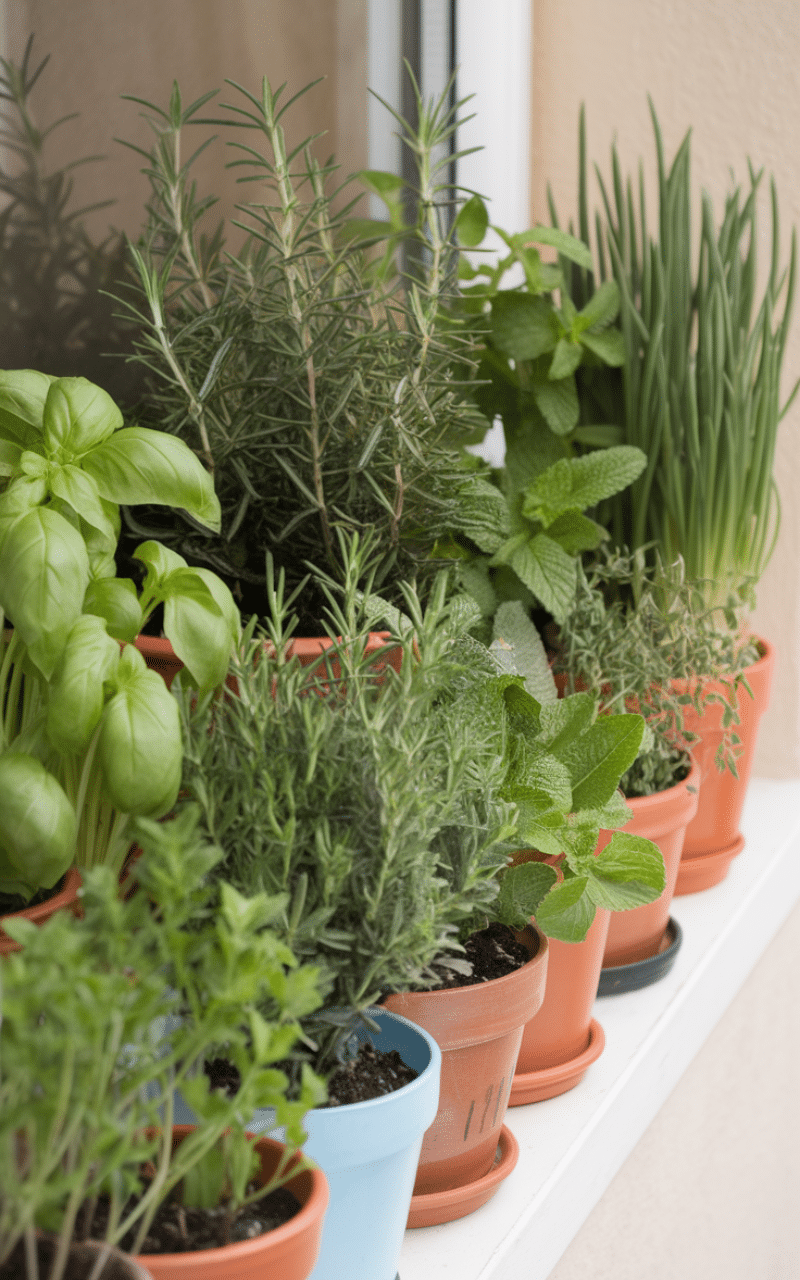
Fresh herbs are expensive to buy and simple to grow at home. Basil, parsley, rosemary, mint, thyme, and chives thrive in pots placed on sunny windowsills.
Self Sufficient Living Tip: Regular harvesting encourages bushier and more productive plants.
15. Install a Small Compost System
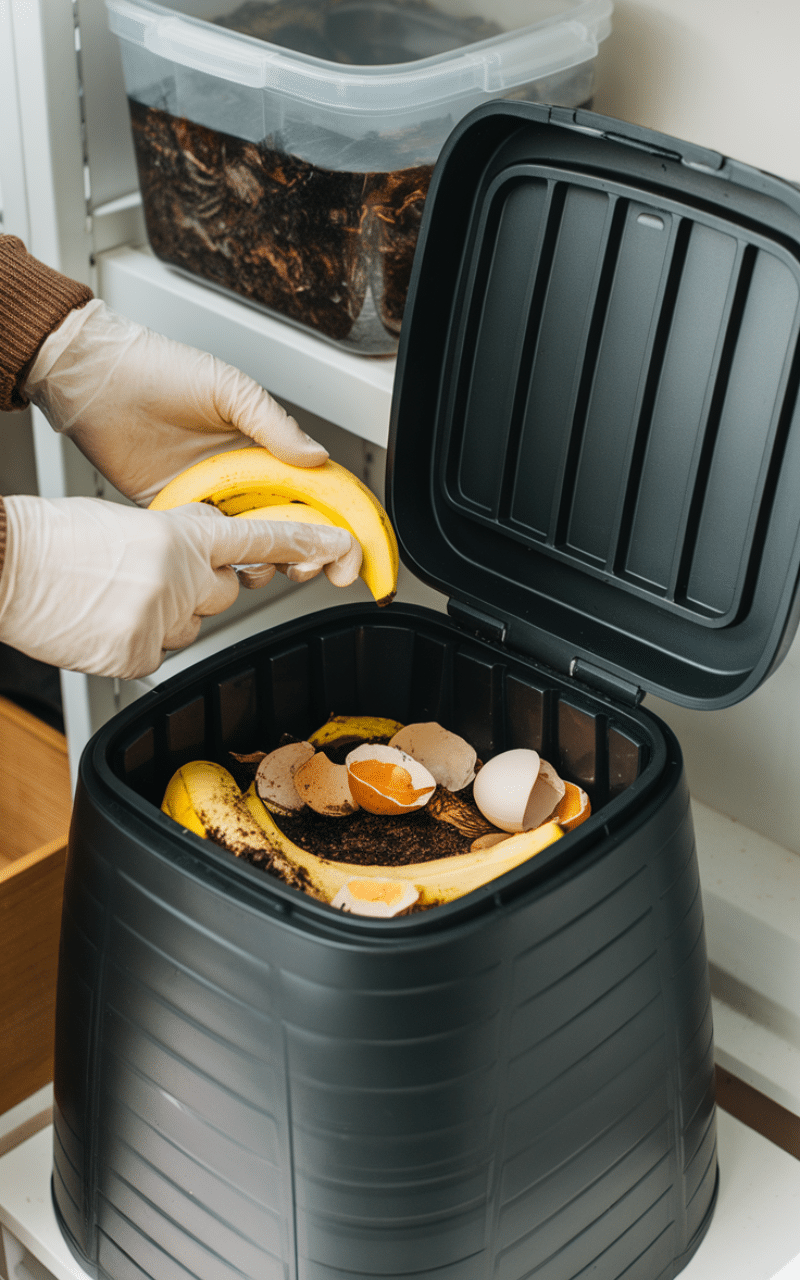
Kitchen scraps can become valuable fertilizer through compact composting solutions. Worm bins, bokashi fermentation, or small indoor composters work well in apartments.
Self Sufficient Living Tip: Add finished compost to container gardens for natural soil enrichment.
14. Collect and Store Rainwater

Rainwater harvesting reduces tap water reliance and supports garden irrigation. Small balcony barrels or rooftop downspout systems work well in cities.
Self Sufficient Living Tip: Use a debris screen to maintain water quality.
13. Make Your Own Cleaning Products

Natural DIY cleaning products made from vinegar, baking soda, Castile soap, and essential oils reduce chemical exposure and household spending.
Self Sufficient Living Tip: Store homemade cleaners in reusable bottles to cut waste.
12. Learn Basic Food Preservation
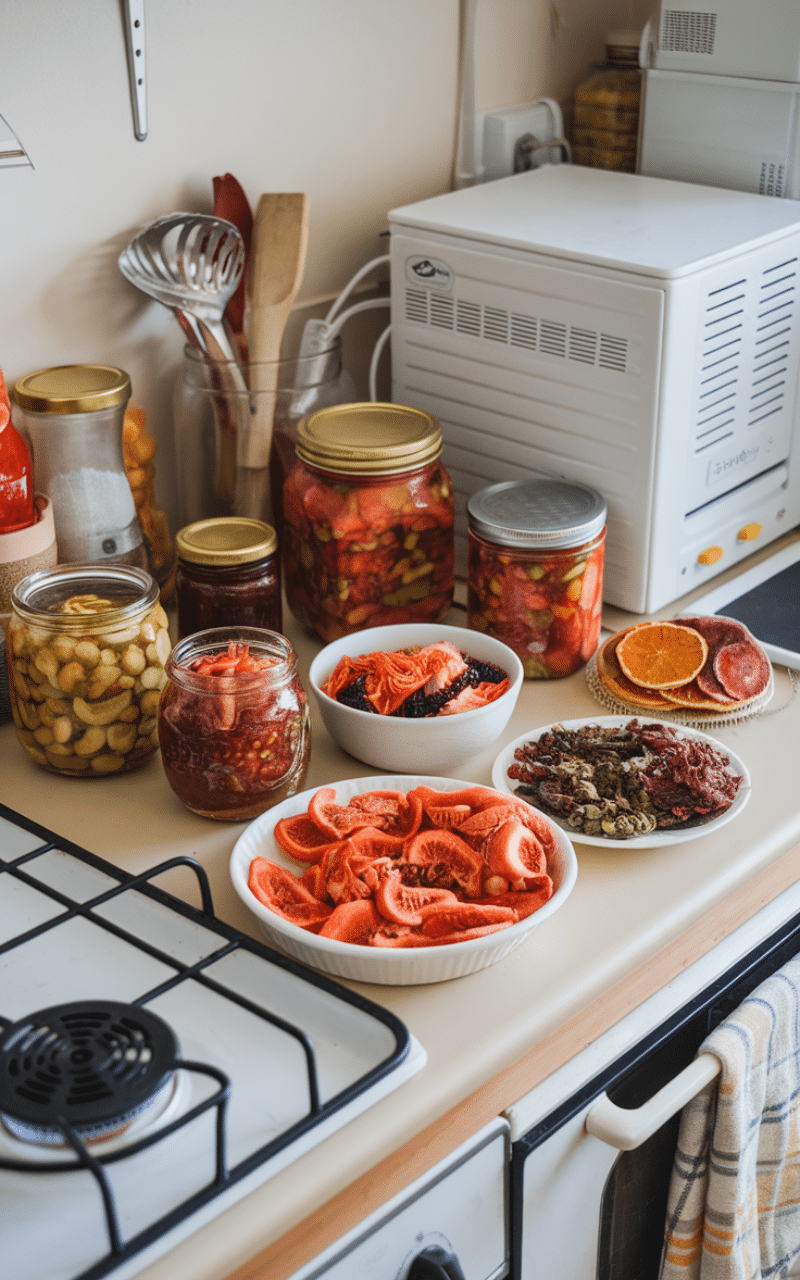
Preserving food improves self-reliance and cuts grocery costs. Urban residents can can vegetables, ferment foods like kimchi, dehydrate fruits, and dry herbs even in small kitchens.
Self Sufficient Living Tip: Use stackable containers and shelves to save storage space.
11. Bake More Food from Scratch

Baking bread, snacks, and sweets at home eliminates reliance on processed foods. Simple sandwich loaves, muffins, and flatbreads require minimal ingredients and equipment.
Self Sufficient Living Tip: Start with one basic bread recipe and expand gradually.
10. Reduce Energy Use at Home

Energy efficiency lowers bills and improves environmental sustainability. Switch to LED bulbs, unplug electronics when not in use, insulate windows, and dry clothes naturally when possible.
Self Sufficient Living Tip: Use heavy curtains to reduce heat loss in winter.
9. Grow Microgreens Indoors
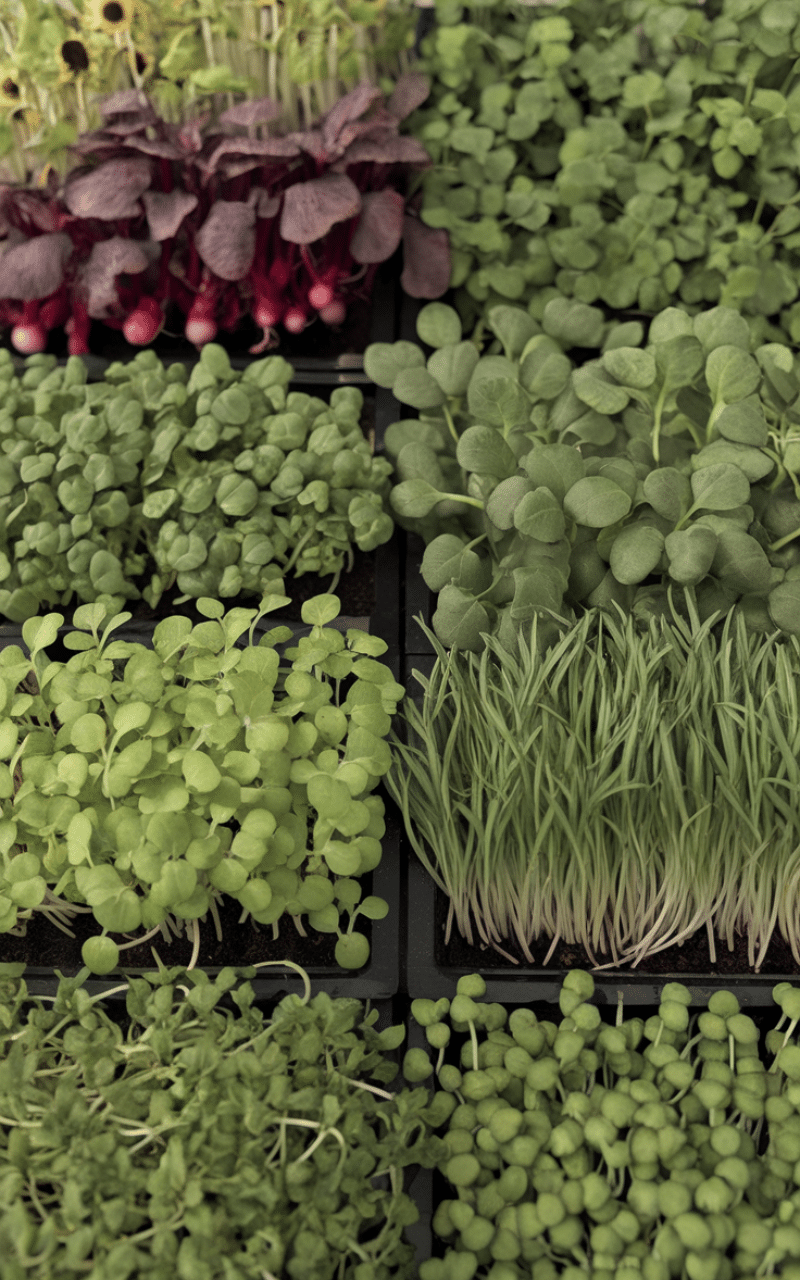
Microgreens grow quickly and offer high nutritional value. With trays, soil, and seeds, anyone can grow sunflowers, radish, peas, or mustard greens in as little as 10 days.
Self Sufficient Living Tip: Harvest when the first true leaves appear for the best taste and nutrition.
8. Create a Balcony Fruit Garden
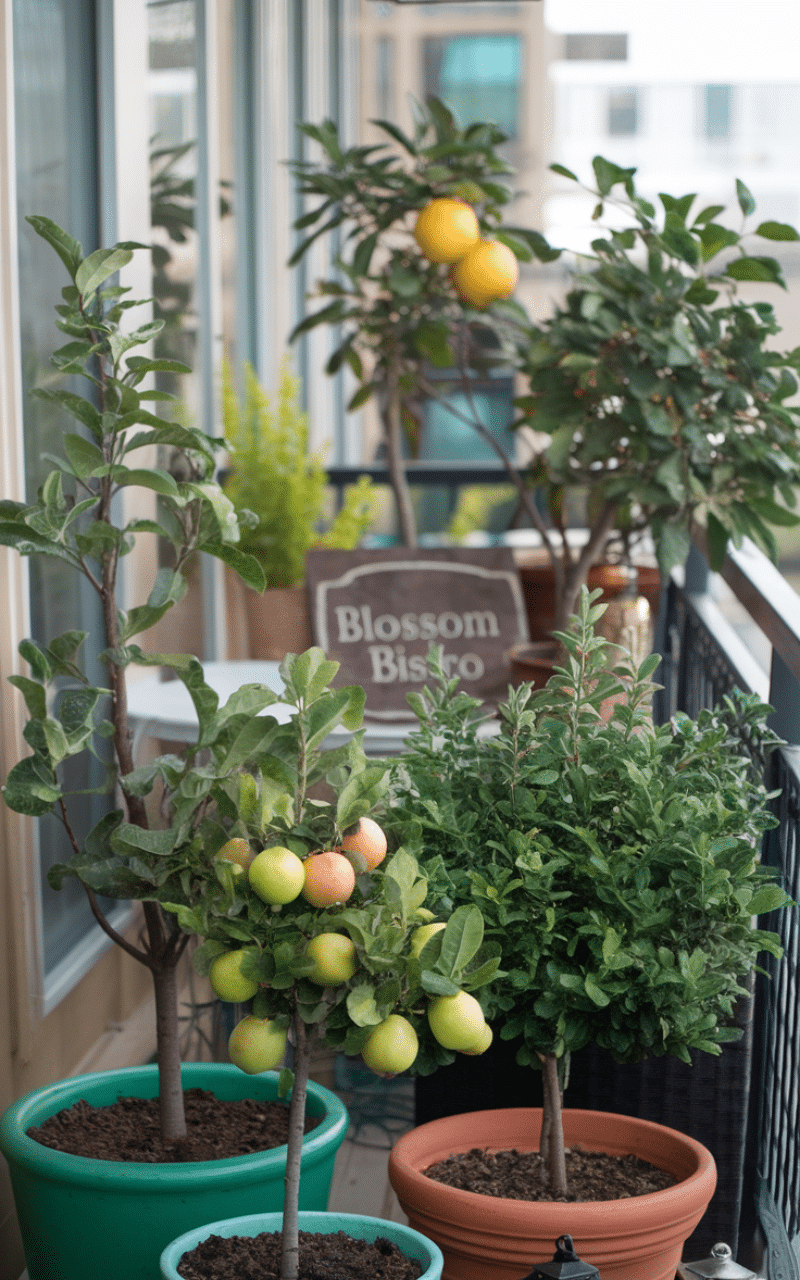
Small fruit trees such as dwarf apples, lemons, figs, and blueberries can thrive in containers on balconies.
Self Sufficient Living Tip: Choose compact self-pollinating varieties for reliable indoor or patio harvests.
7. Start Seed Saving

Saving seeds builds self-reliance and reduces gardening expenses. Tomatoes, peppers, beans, and many herbs produce seeds that are easy to collect, dry, and store.
Self Sufficient Living Tip: Keep seeds in airtight jars in a cool, dry location.
6. Join or Start a Community Garden
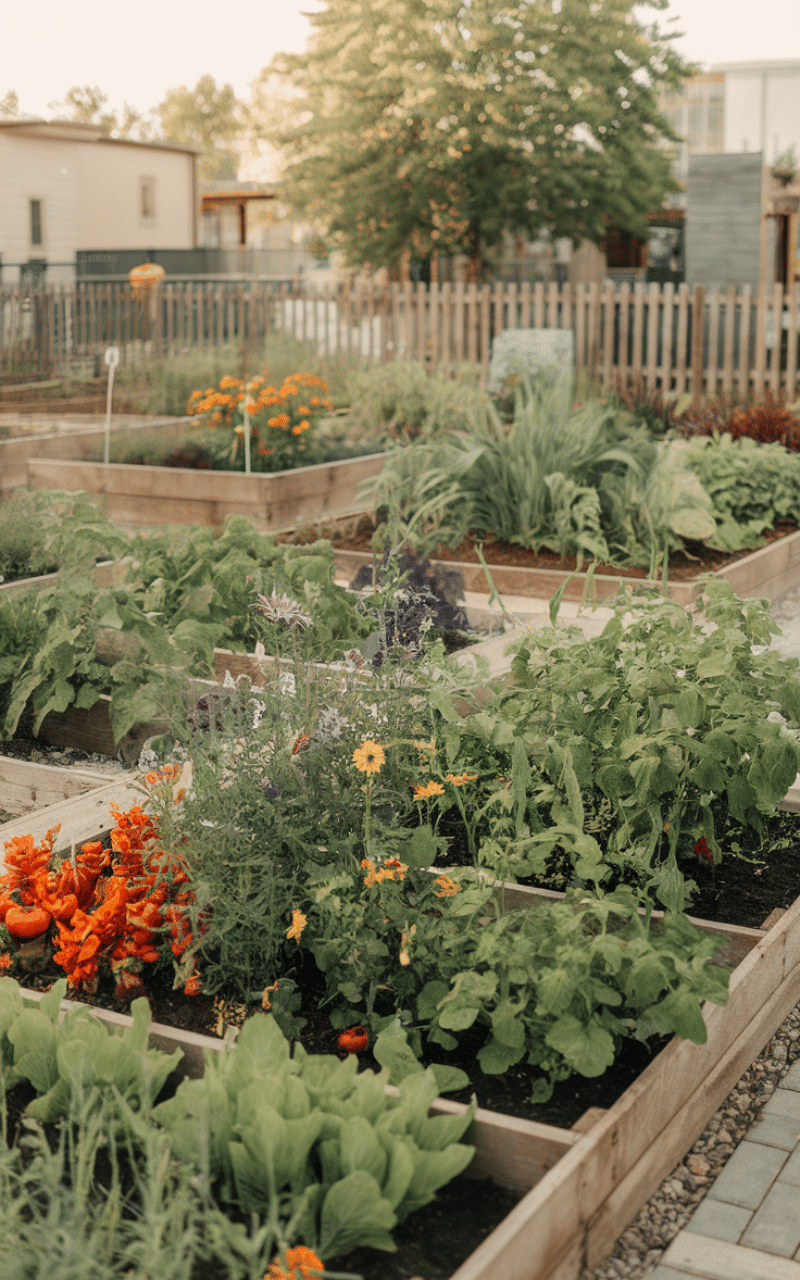
Community gardens provide space, networking, and shared knowledge for city growers who lack backyard space.
Self Sufficient Living Tip: Exchange seeds, plants, and tips with other gardeners to reduce costs and improve skills.
5. Cook Seasonal Meals

Cooking with in-season ingredients supports self-reliant living by reducing dependence on expensive imported produce.
Self Sufficient Living Tip: Shop from farmers’ markets or grow your own crops to stay aligned with the season.
4. Learn Basic Repair Skills

Being able to repair clothing, appliances, or furniture extends product life and reduces spending. Basic sewing, tool use, and troubleshooting are transformative urban skills.
Self Sufficient Living Tip: Keep a small toolbox and sewing kit for quick at-home fixes.
3. Reduce Single-Use Products

Switching to long-lasting household items such as cloth napkins, reusable jars, stainless steel water bottles, and wax wraps significantly reduces waste.
Self Sufficient Living Tip: Replace one disposable product at a time to build long-lasting habits.
2. Use a Household Budget and Tracking System
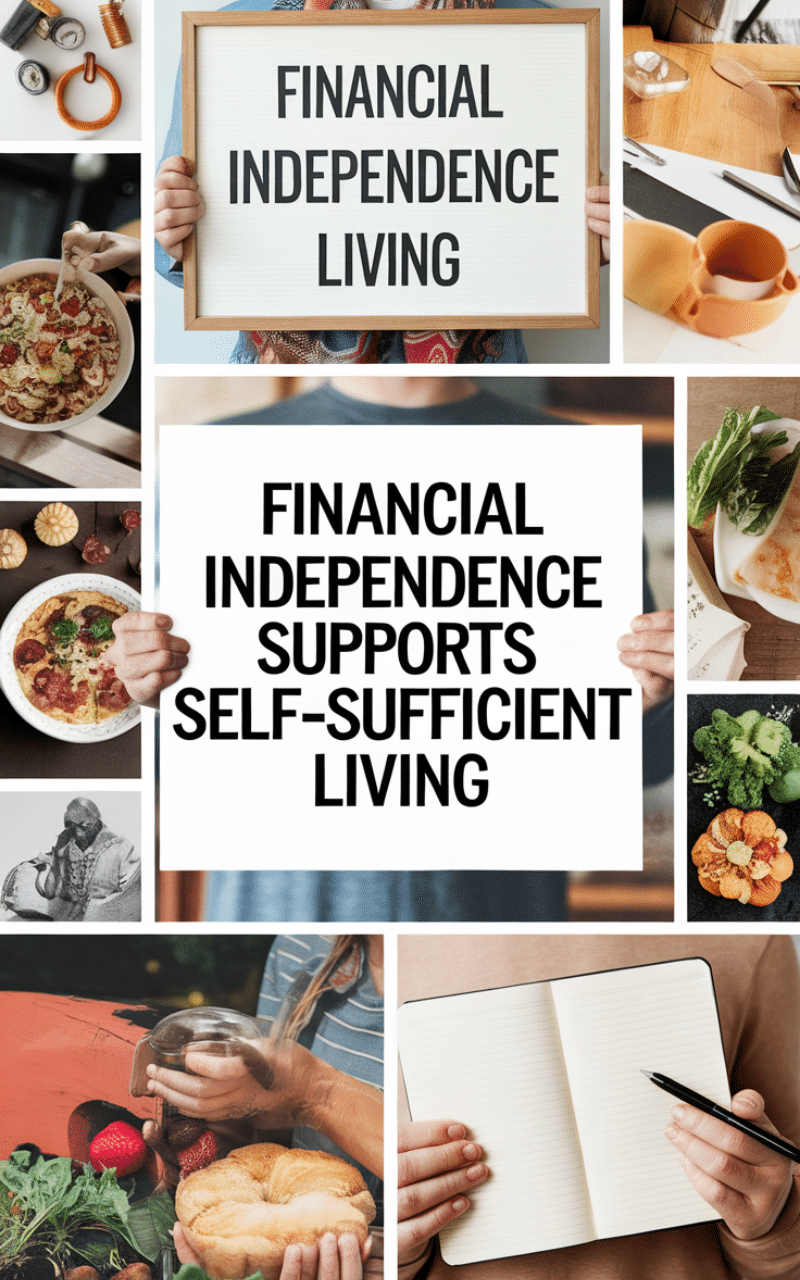
Financial independence supports self-sufficient living. Tracking expenses helps identify where DIY or homemade substitutions can reduce monthly costs.
Self Sufficient Living Tip: Use a simple spreadsheet or budgeting app to monitor spending patterns.
1. Build Skills Continuously
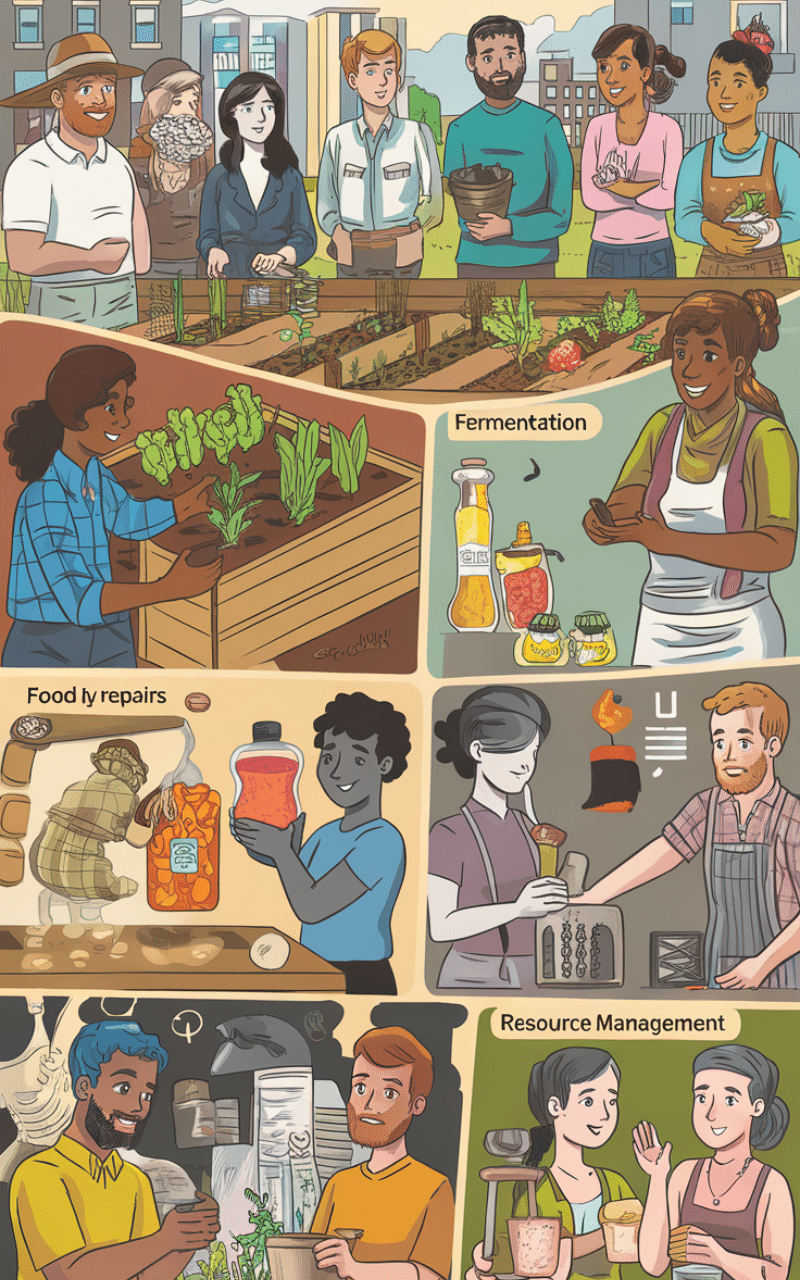
Self-sufficiency is a lifelong learning process. Urban residents benefit from acquiring skills like gardening, food preservation, fermentation, DIY repairs, and resource management.
Self Sufficient Living Tip: Keep a notebook or digital log of progress to measure improvements month over month.
Here is an added conclusion in the same style:
Conclusion
Urban self-sufficient living is achievable through practical, consistent, and thoughtful steps. Even small apartments or limited balconies can become productive spaces for growing food, harvesting rainwater, reducing waste, and building new skills. By gradually adopting DIY projects, improving household efficiency, learning preservation techniques, and reducing dependency on external systems, city residents can create a more stable, resilient, and meaningful lifestyle.
Enjoyed this post?
Share the love with another mom!
Every share helps this little blog grow — thank you so much