
Make sure to join my list for Weekly Tips and Recipes to Your Inbox
18 Best West-Facing Garden Design Ideas

A little note: Some images in this post may come from third-party sources and are shared purely to inspire you. All credit goes to their original creators. Visit our Image Credits Policy for more information.
When I first started dreaming about my West-Facing Garden Design, I felt completely stuck. A west-facing front yard in the warm suburbs of Adelaide sounded simple enough, but choosing a single feature tree nearly stopped the entire project.
West-Facing Garden Design can be intimidating when you want a Mediterranean look mixed with Australian natives, and the options all seemed either too plain or too unpredictable.
I kept reminding myself that I already mentioned I have an article about Kitchen with Beige Countertops, so I should be capable of blending styles beautifully indoors and outdoors, but this time I truly felt lost.
I walked through nurseries, read forums, and compared every suggestion from Acacia salicina to Corymbia ficifolia. Some were lovely in bloom but dull the rest of the year.
Others were common in nearby streets, which made them feel less special for a featured position. Even the advice to choose something striking like Acacia leprosa felt out of reach because mature trees were hard to find. As the weeks passed, I started doubting whether I could ever match the vision in my head. The heat of the plant choices, everything felt like a puzzle.
The breakthrough came when I stopped searching for the perfect tree and started focusing. A West-Facing Garden Design succeeds when the whole space works together, not when a single tree carries the entire look.
I marked out my beds, mixed Mediterranean textures with natives that thrive in my climate, and accepted that a feature tree should feel like part of the story, not the entire story. Once I approached it this way, the right tree finally revealed itself, and the whole design started falling into place. That shift from pressure to patience became the solution I needed.
What We're Exploring
- 01 18. Embrace Mediterranean Planting
- 02 17. Install a Sun-Drenched Patio
- 03 16. Incorporate Screening for Shade Breaks
- 04 15. Choose Sunset-Colored Blooms
- 05 14. Utilize Vertical Growing Space
- 06 13. Create a Water Feature
- 07 12. Prioritize Succulents and Cacti
- 08 11. Design with Drought-Tolerant Groundcover
- 09 10. Install a Heat-Treated Wooden Deck
- 10 9. Use Light-Colored Pots and Containers
- 11 8. Plant Summer-Flowering Climbers
- 12 7. Create a Secluded Dining Area
- 13 6. Embrace Bold Foliage Plants
- 14 5. Implement Shade-Casting Trees
- 15 4. Install Automated Drip Irrigation
- 16 3. Design Multi-Level Planting
- 17 2. Incorporate Reflective Materials
- 18 1. Create a Golden Hour Viewing Spot
- 19 Conclusion
18. Embrace Mediterranean Planting
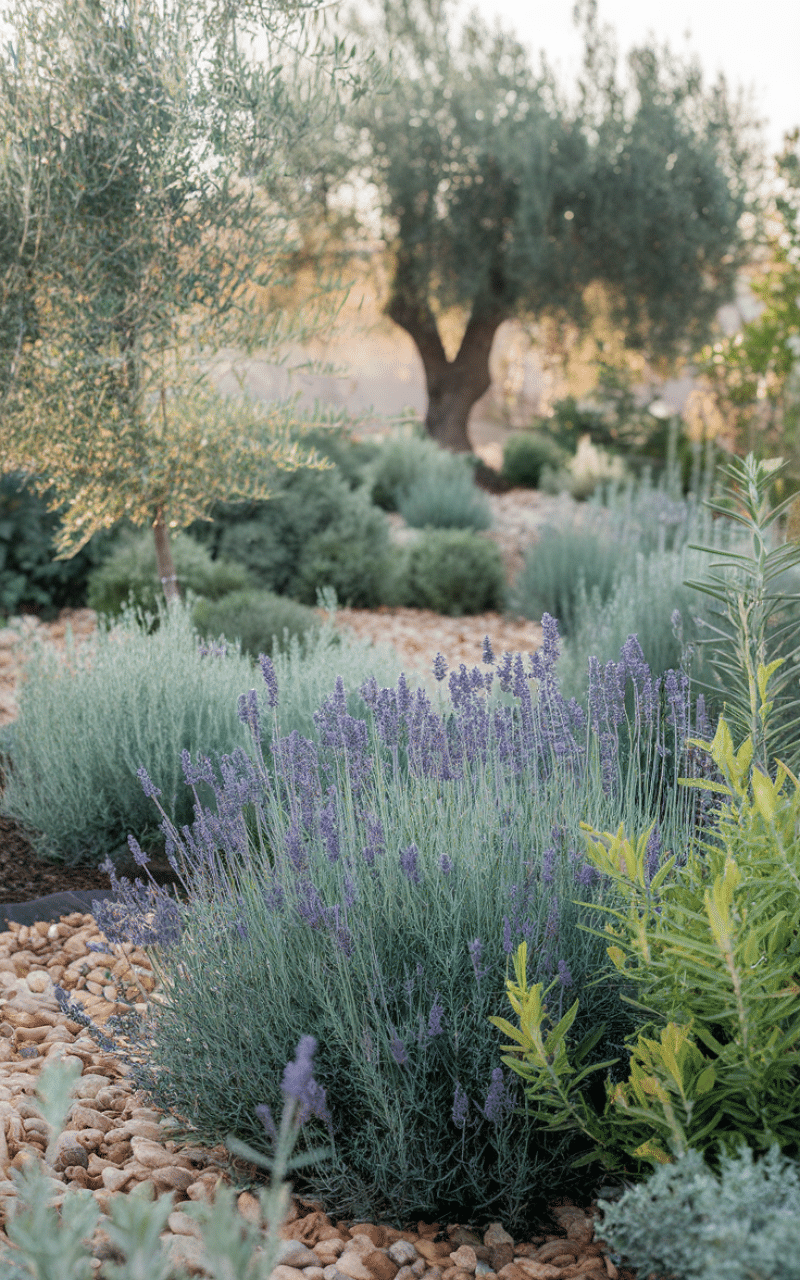
Focus on plants with tough drought-tolerant foliage and gray-green leaves like lavender rosemary and olive trees because these species thrive in the intense afternoon sun and high heat that defines a west-facing garden so the silver-toned leaves are an adaptation to reflect harsh sunlight reducing water loss thus this choice simplifies maintenance while ensuring year-round structure making it a smart foundational element of your West-Facing Garden Design so the wonderful fragrances of these herbs will also be released in the evening warmth.
17. Install a Sun-Drenched Patio
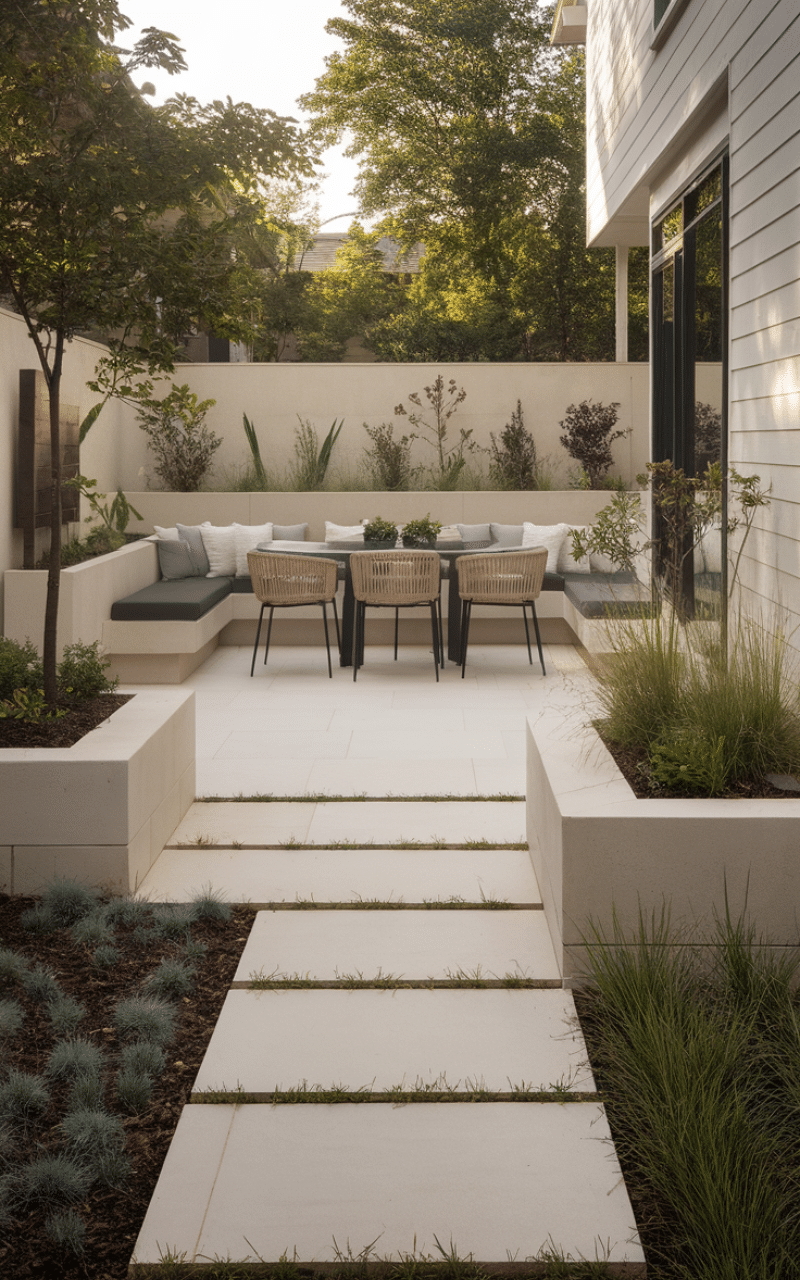
Position your main seating area or patio against the house or a boundary wall on the west side because this allows you to fully enjoy the evening sun and golden light for relaxation and dining so use light-colored paving like sandstone or light composite decking which absorbs less heat than dark materials thus this creates an ideal outdoor room for summer evenings making it a practical necessity in any West-Facing Garden Design so ensure the paving is non-slip for safety when the evening dew falls.
16. Incorporate Screening for Shade Breaks
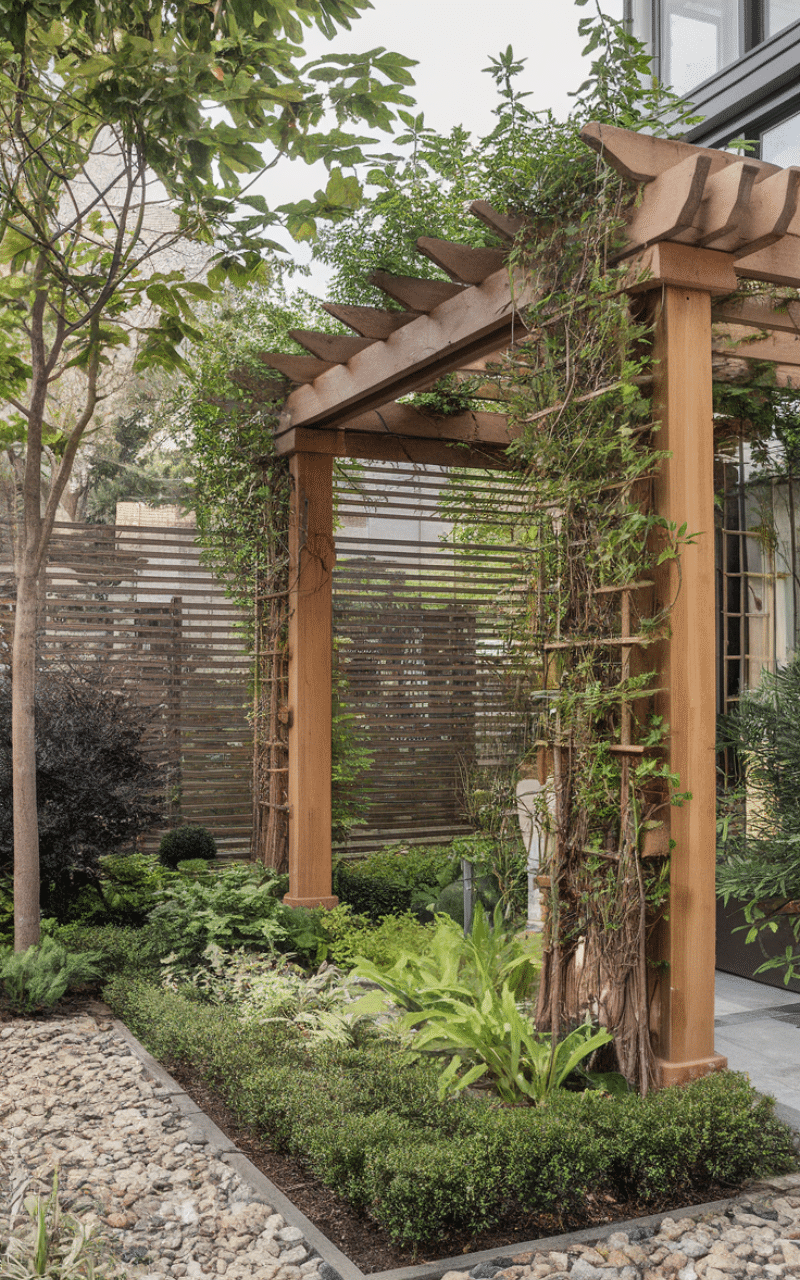
Introduce semi-open screening elements like slatted fences bamboo screens or open pergolas because while the sun is desirable it can become too intense during peak summer afternoons so the screen provides dappled light and intermittent shade giving both plants and people a necessary break from the direct heat thus this architectural feature is crucial for regulating temperature within your West-Facing Garden Design so train climbing plants up the pergola for a natural cooling canopy.
15. Choose Sunset-Colored Blooms

Select plants that bloom in warm intense colors like deep reds bright oranges and vivid yellows because these hues naturally complement the warm golden tone of the late afternoon sunlight so flowers like sunflowers rudbeckia dahlias and potentilla will look spectacular when illuminated by the setting sun thus this conscious color choice enhances the natural lighting making it an artistic focal point of your West-Facing Garden Design so planting these blooms in drifts maximizes their visual impact.
14. Utilize Vertical Growing Space
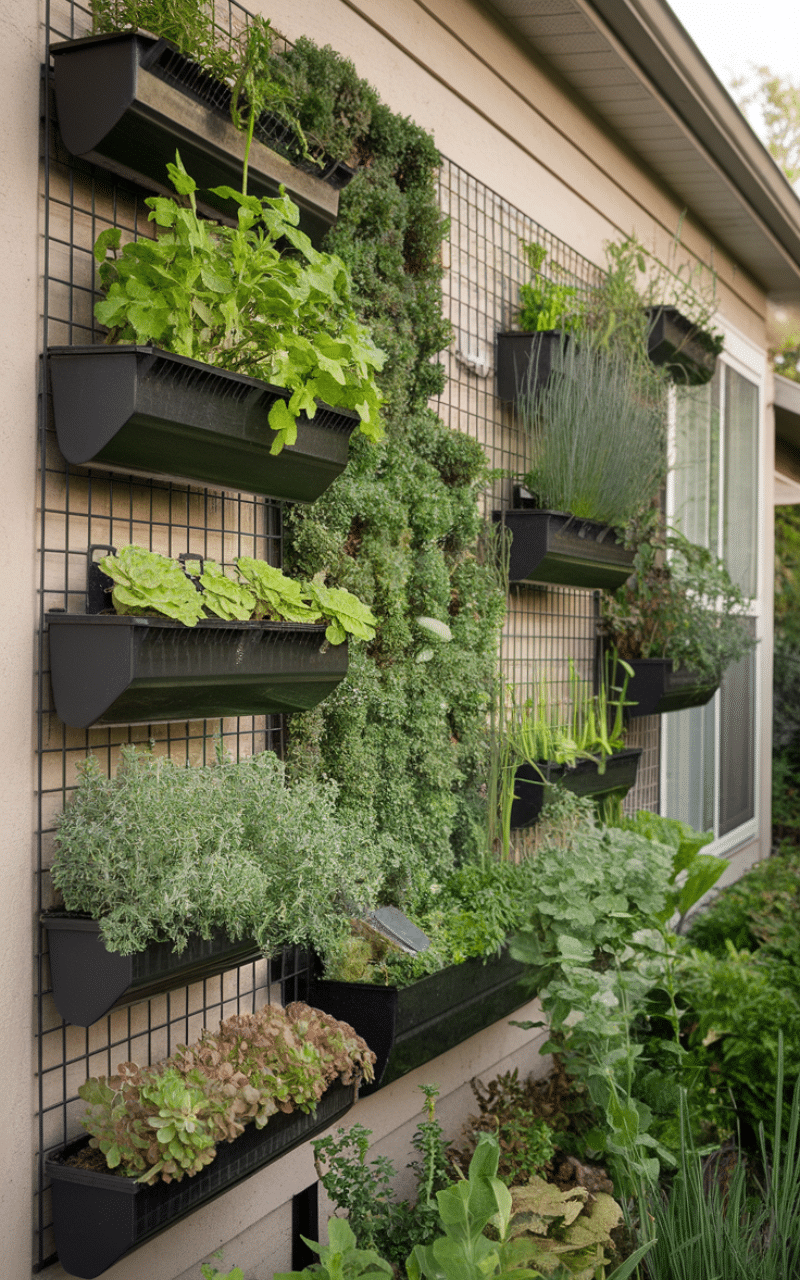
Install sturdy wall planters trellises or vertical garden systems against the west-facing house wall because this maximizes the available growing area in the most sun-intensive part of the garden so use a drip irrigation system for these vertical displays because the soil in pots dries out faster under the hot afternoon sun thus this clever use of height adds drama and layers to your planting scheme which is essential in a compact West-Facing Garden Design so grow heat-loving herbs or succulents vertically for great results.
13. Create a Water Feature
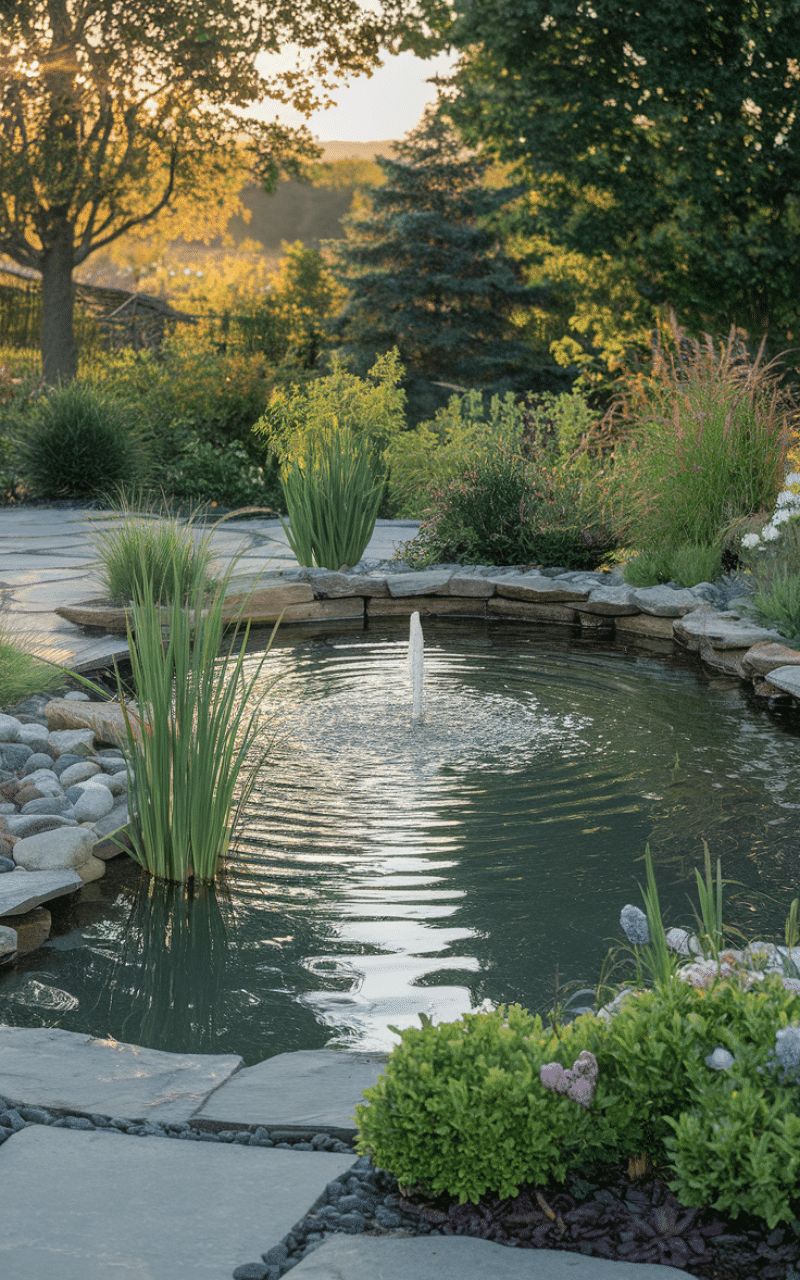
Include a small reflective water feature like a still pond or a gently bubbling fountain because water adds a cool calming contrast to the intense heat of the afternoon sun so the surface of the water will also reflect the beautiful evening light further brightening the space thus the sound of the moving water provides a soothing sensory experience making it a tranquil element of your West-Facing Garden Design so position the feature where it catches the last rays of sun for a lovely sparkle.
12. Prioritize Succulents and Cacti
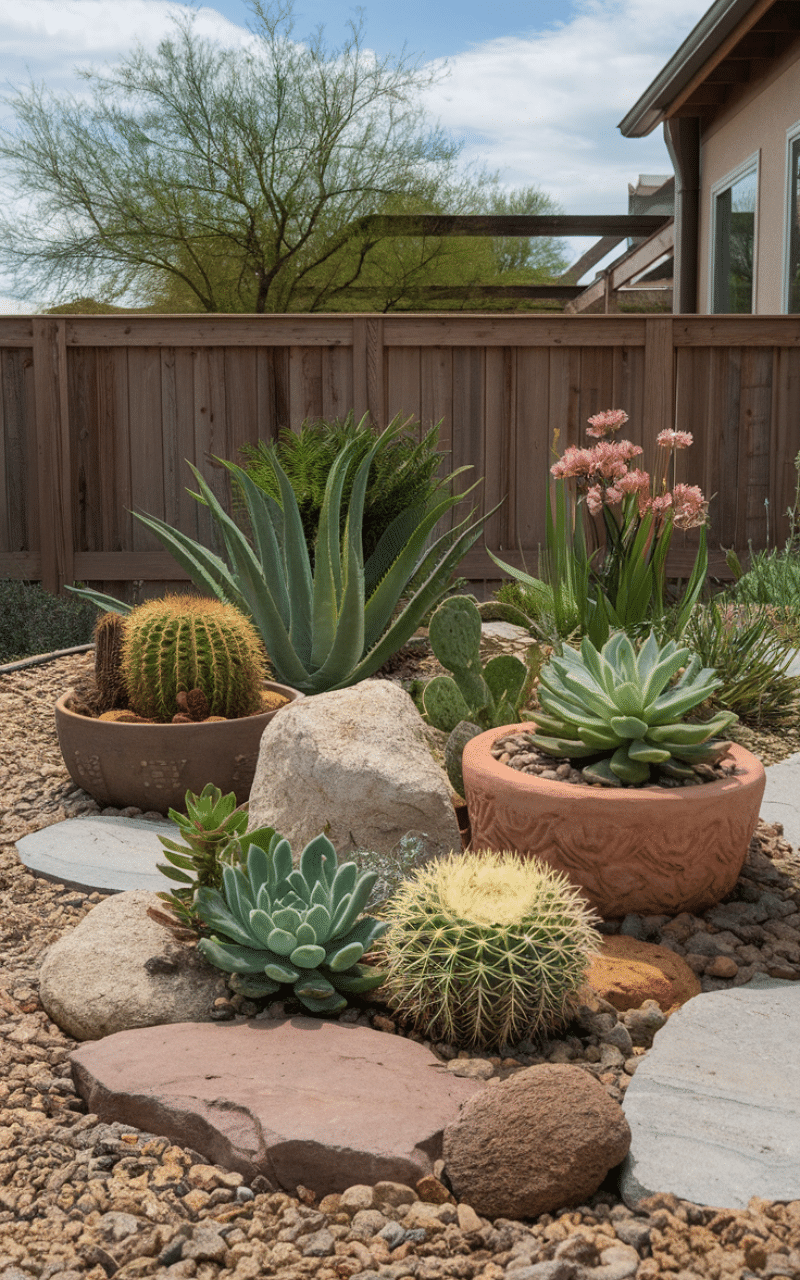
Dedicate a small area to growing succulents and cacti in decorative pots or rockeries because these plants are perfectly evolved to handle harsh sun and minimal water so they offer interesting sculptural shapes and textures that thrive where many other plants fail thus this low-maintenance option is a brilliant way to ensure consistent greenery and structure in your West-Facing Garden Design so the bright desert-style blooms will thrive in the long afternoon heat.
11. Design with Drought-Tolerant Groundcover
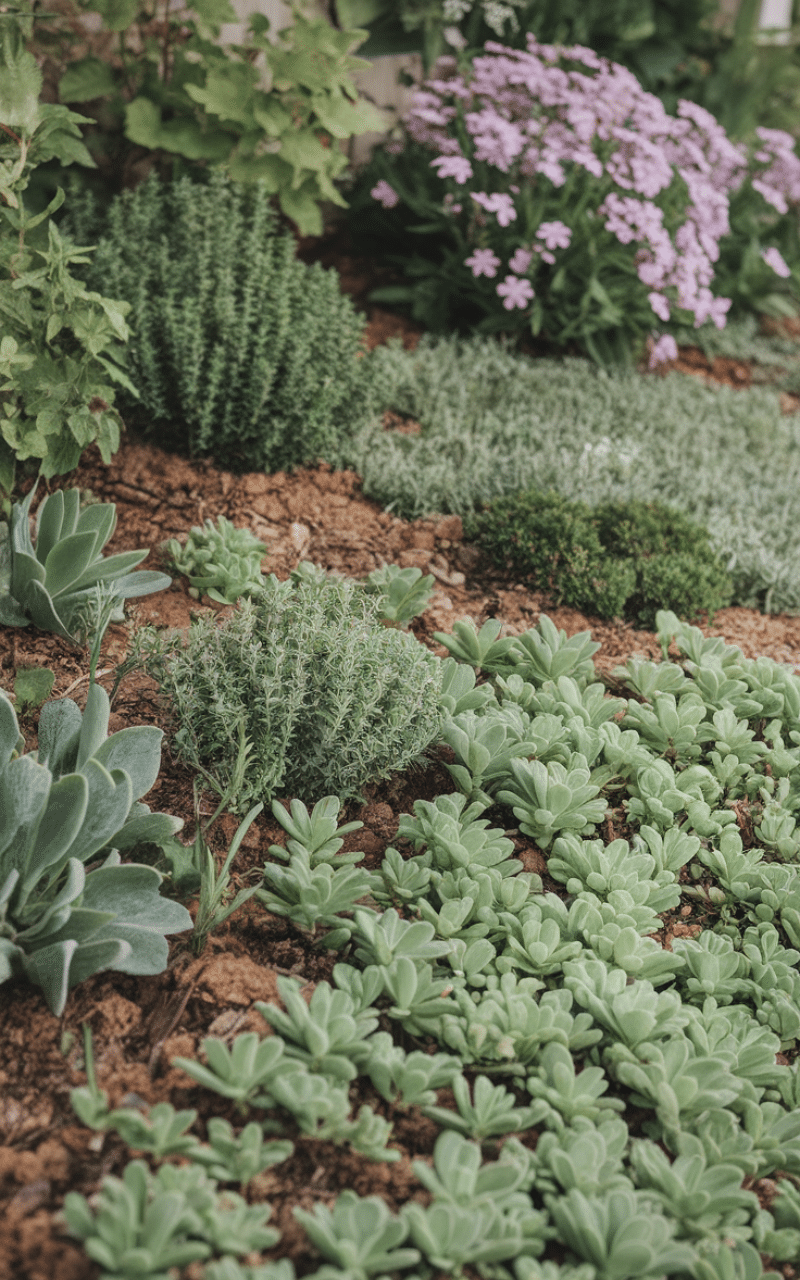
Use hardy groundcover plants like sedum thyme or creeping phlox in your planting beds because these plants help insulate the soil keeping the roots cooler and suppressing weeds so they prevent the exposed soil from overheating and drying out too quickly during the hot afternoon hours thus this practical planting choice reduces soil evaporation making it an environmentally sound element of your West-Facing Garden Design so the low matting effect provides a beautiful uniform texture.
10. Install a Heat-Treated Wooden Deck
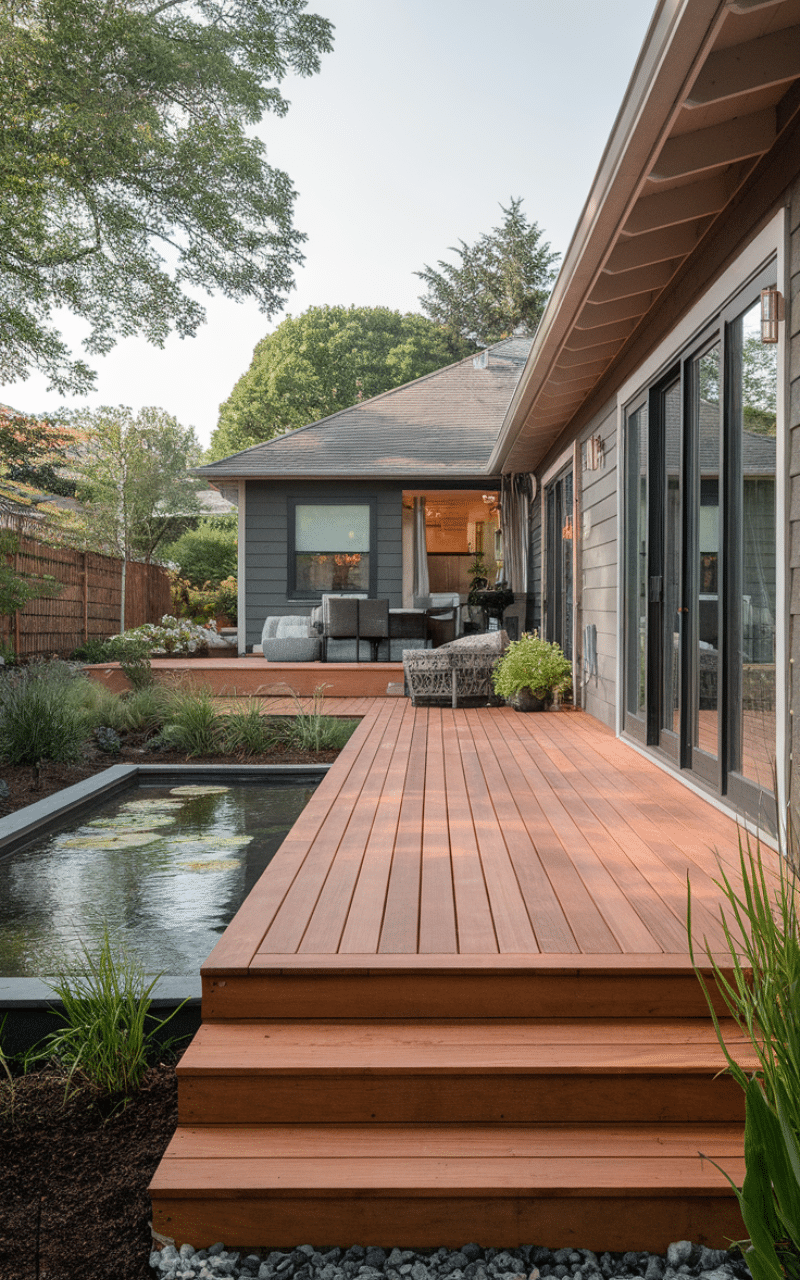
Build a wooden deck using heat-treated or composite materials because wood stays cooler underfoot than paving stones during the height of the afternoon sun making it a more comfortable surface for relaxation so position it slightly away from the house wall to allow for better air circulation and cooling thus a well-designed deck extends your indoor living space outwards which is key to utilizing a social West-Facing Garden Design so choose a stain color that complements your house exterior for a cohesive look.
9. Use Light-Colored Pots and Containers
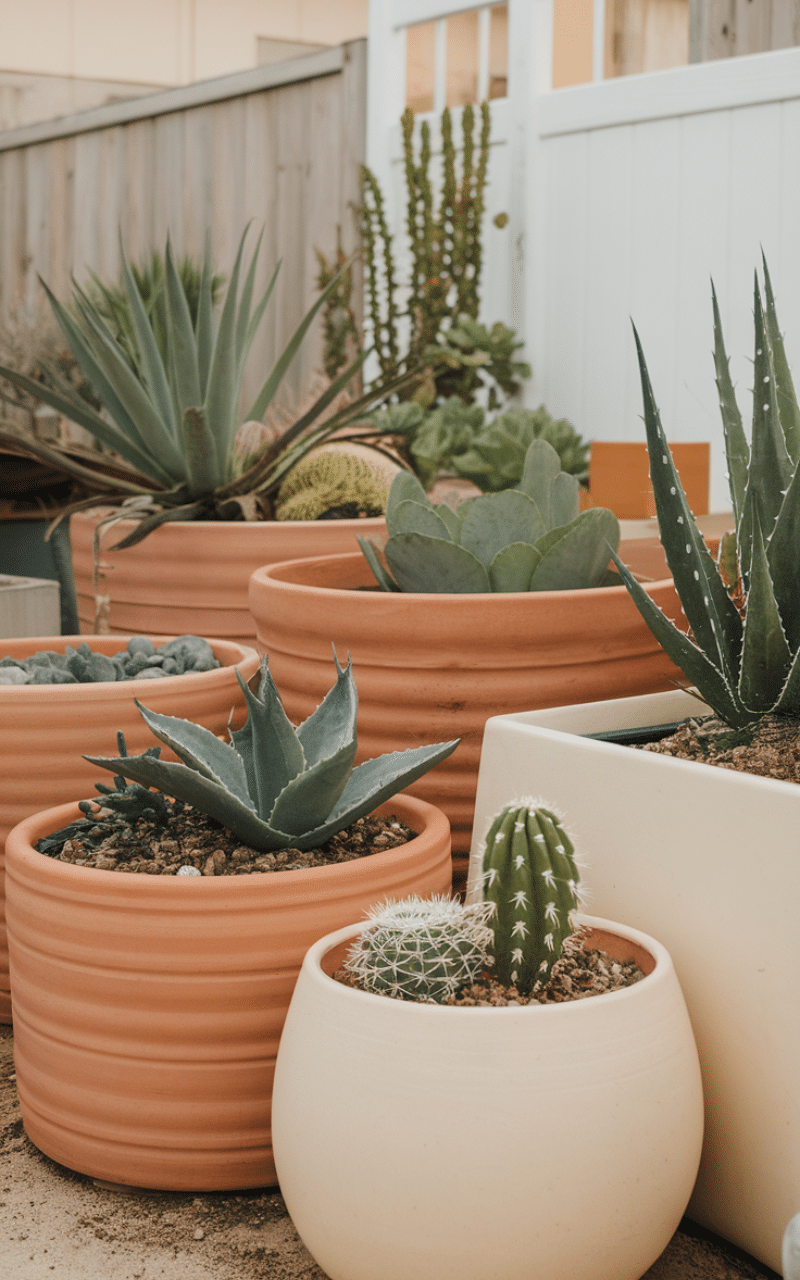
Choose terracotta ceramic or pale-colored plastic containers for your potted plants because dark pots absorb heat rapidly which can literally cook the roots of your plants so lighter colors reflect more sunlight keeping the soil temperature lower and safer for the roots thus this simple choice is a critical technique for successful container gardening in a hot West-Facing Garden Design so cluster the pots together to create microclimates that reduce moisture loss.
8. Plant Summer-Flowering Climbers

Grow vigorous summer-flowering climbers like honeysuckle passionflower or trumpet vines directly on the west-facing wall or fence because they thrive on the late sun and provide beautiful flowers and shade exactly where it is needed most so the foliage acts as natural insulation keeping the wall cool in summer and slightly warmer in winter thus this is a perfect solution for adding height and beauty making it a classic feature of your West-Facing Garden Design so secure strong supports to the wall before planting.
7. Create a Secluded Dining Area
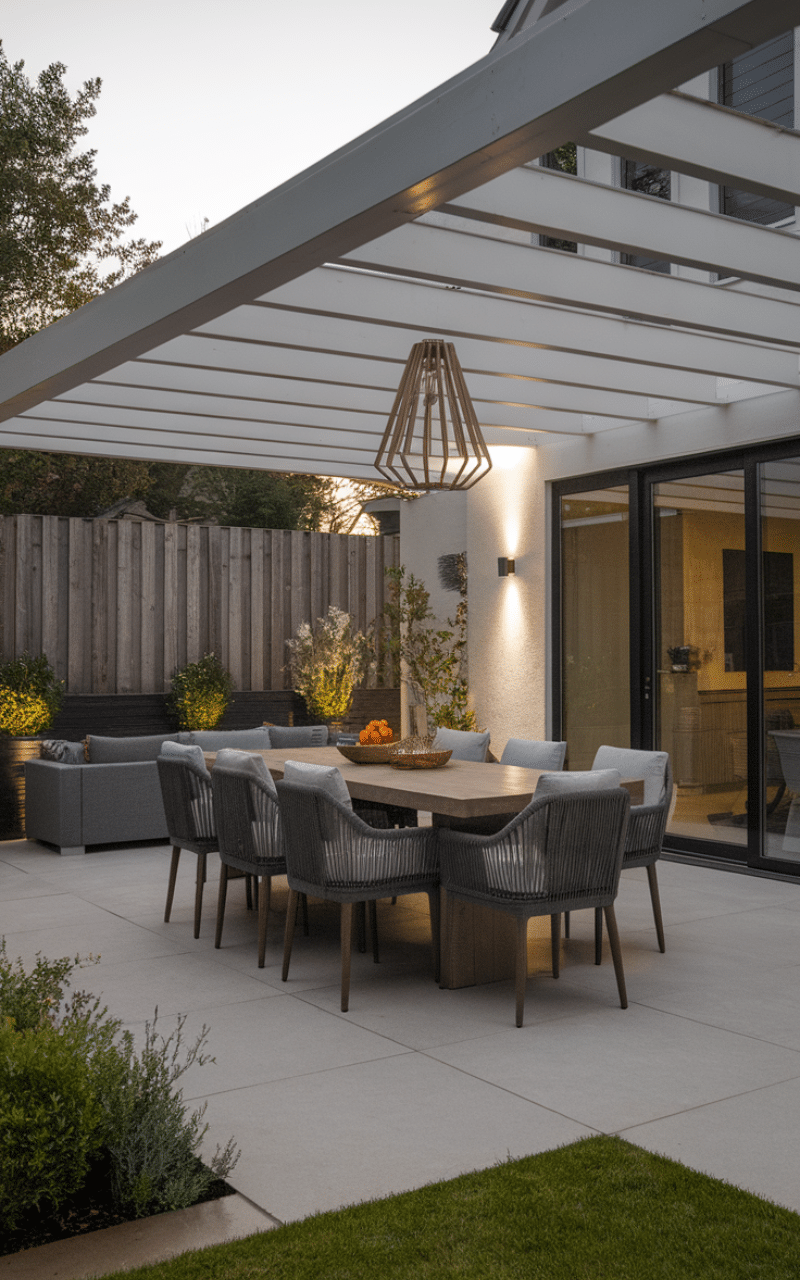
Design a dedicated outdoor dining area complete with a robust table and seating because the long warm evenings are perfect for al fresco meals and entertaining guests so position the area where it benefits from the last of the evening sun but has some overhead protection if needed thus this focus on functionality elevates the usability of your West-Facing Garden Design transforming it into a true extension of your home so comfortable seating and attractive lighting are essential for the evening mood.
6. Embrace Bold Foliage Plants
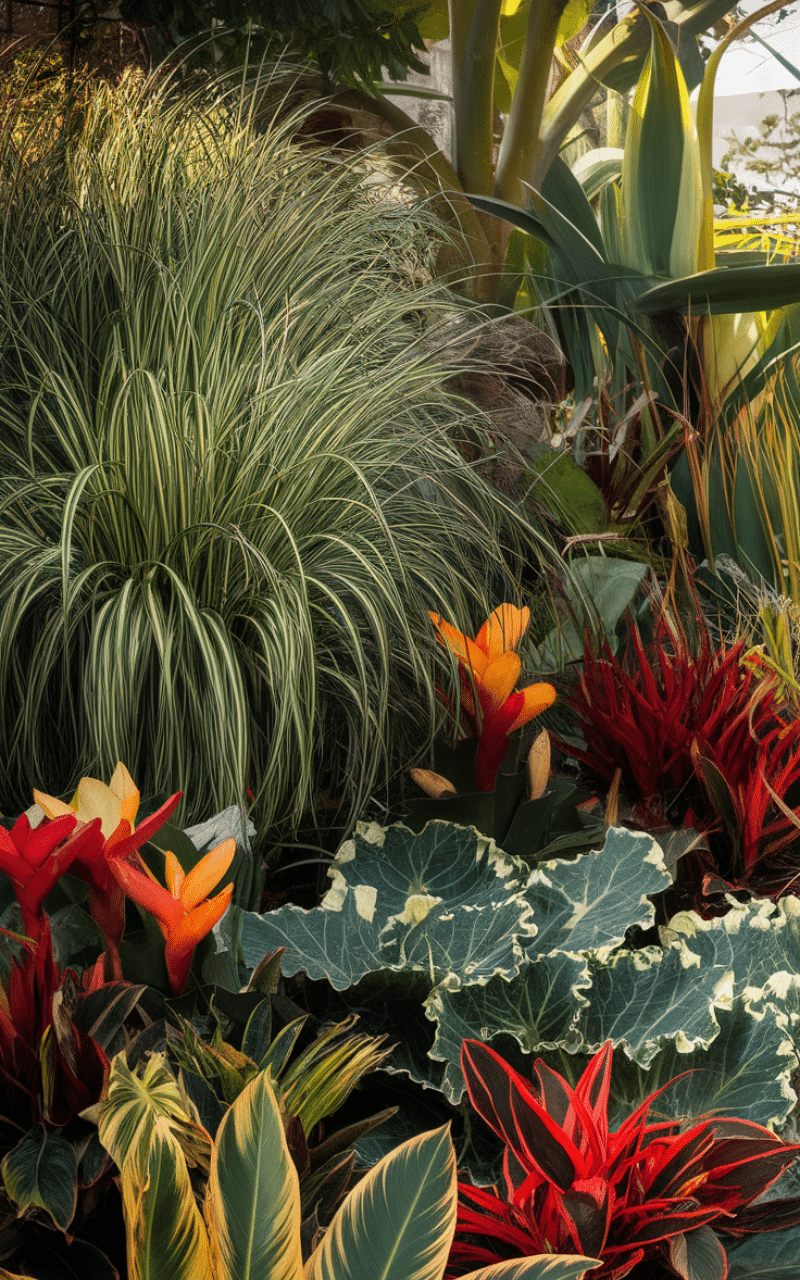
Include plants with large textured or colorful foliage like phormium ornamental grasses or cannas because these plants can handle direct sun and provide structure and interest even when flowers are scarce so the strong afternoon light will brilliantly illuminate the textures and colors of these plants creating dramatic visual effects thus this emphasis on form over bloom is a sophisticated approach to successful West-Facing Garden Design so the dramatic shapes add a tropical flair to the sun-soaked setting.
5. Implement Shade-Casting Trees
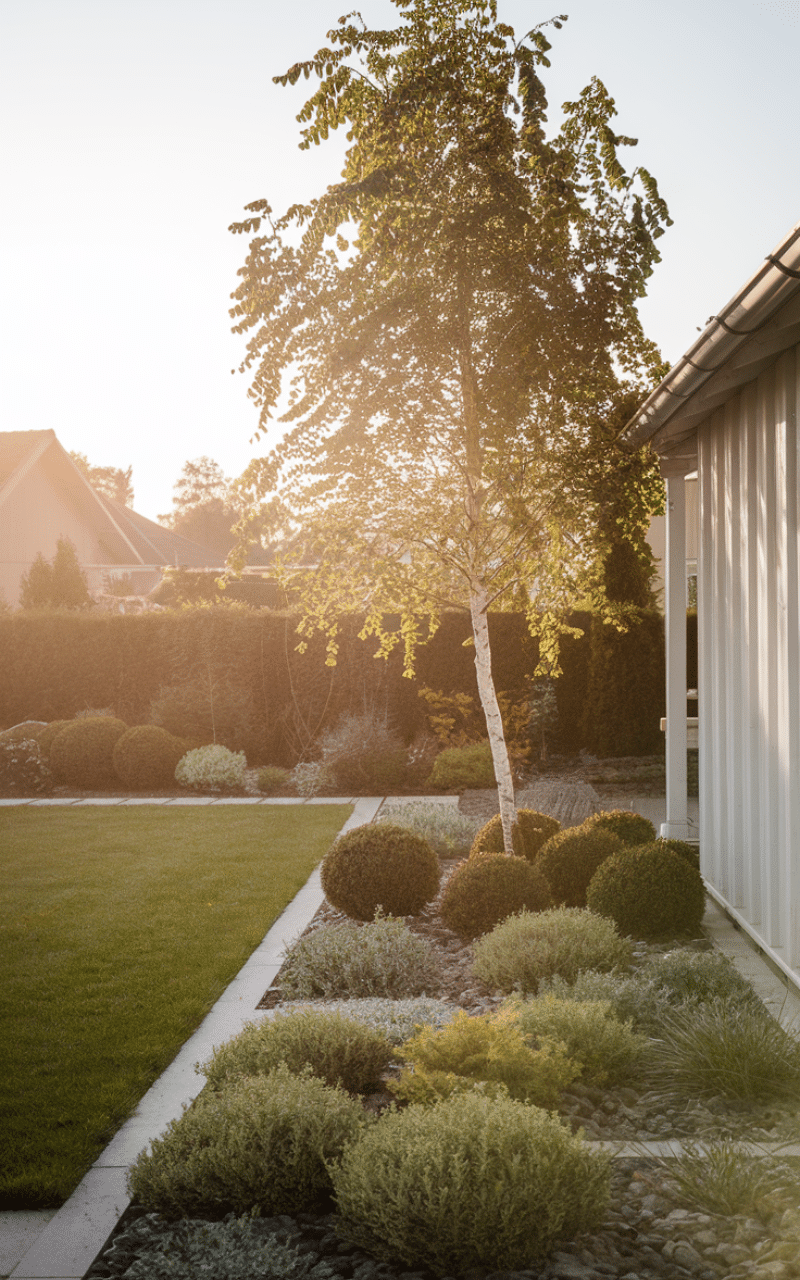
Plant a deciduous tree like a birch or small maple with an open canopy towards the western boundary because it will cast light shade on the garden during the hottest part of the afternoon providing relief below so in winter the leaves fall allowing maximum low winter sun to reach the house and garden thus this strategic placement offers seasonal relief making it a clever long-term element of your West-Facing Garden Design so choose a variety that does not grow too large for the space.
4. Install Automated Drip Irrigation
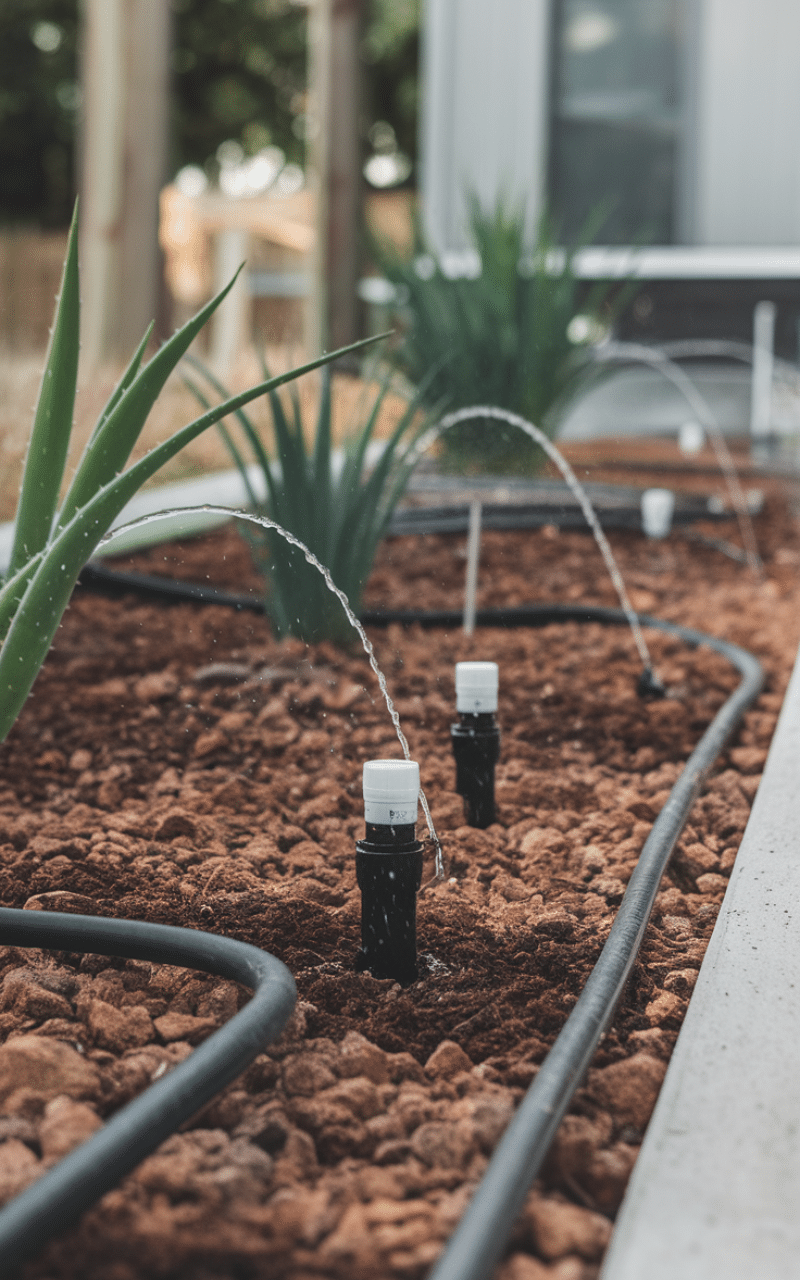
Set up a simple automated drip irrigation system for key planting beds and containers because watering manually during the heat of the afternoon is inefficient and can scorch leaves so drip systems deliver water slowly and directly to the roots when they need it most minimizing evaporation thus this technology is a highly practical investment for maintaining plant health in a demanding West-Facing Garden Design so programming it to water in the very early morning is the most efficient method.
3. Design Multi-Level Planting
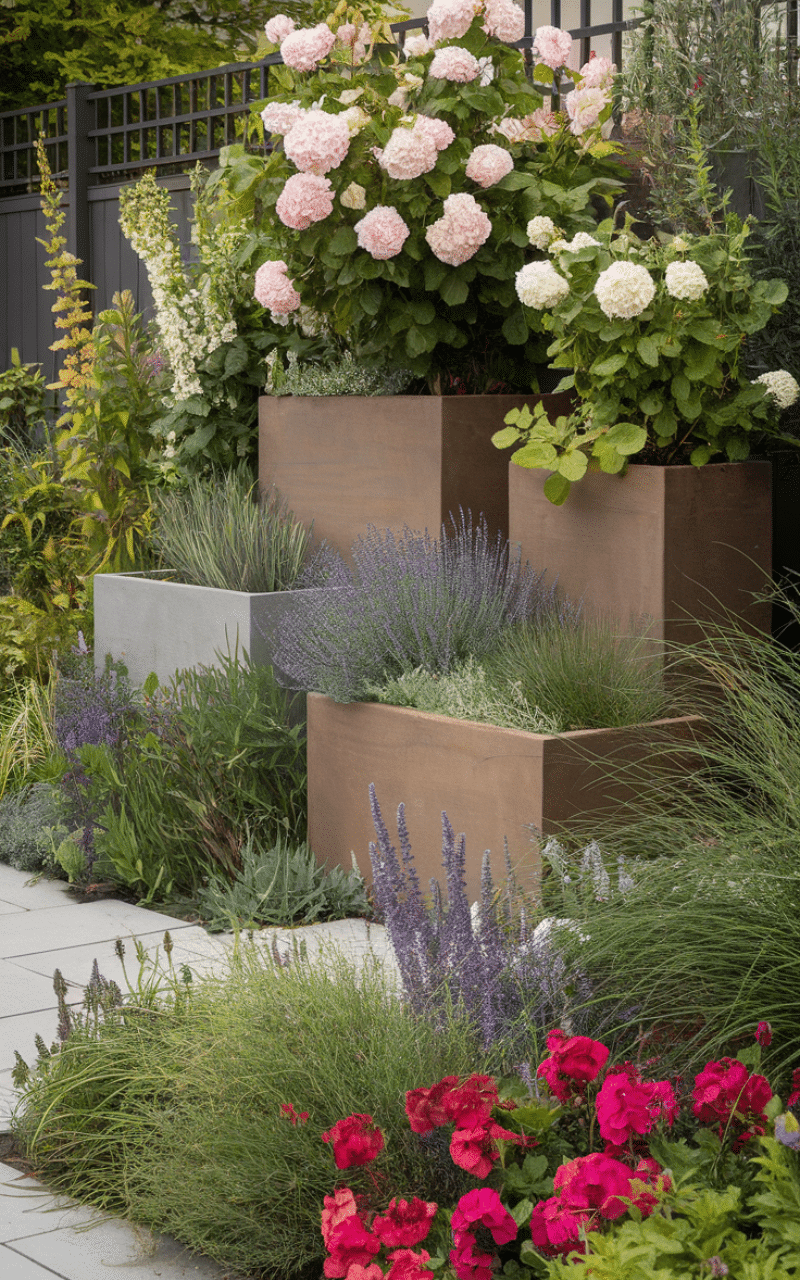
Use different heights and tiers in your flower beds or container groupings because this creates visual depth and also allows taller plants to slightly shade and protect smaller more delicate plants below them so placing the most sun-hardy plants at the highest and most exposed points is key to plant survival thus this layered approach enhances biodiversity and visual appeal making it an engaging feature of your West-Facing Garden Design so use varying sizes of planters for an easy tiered effect.
2. Incorporate Reflective Materials
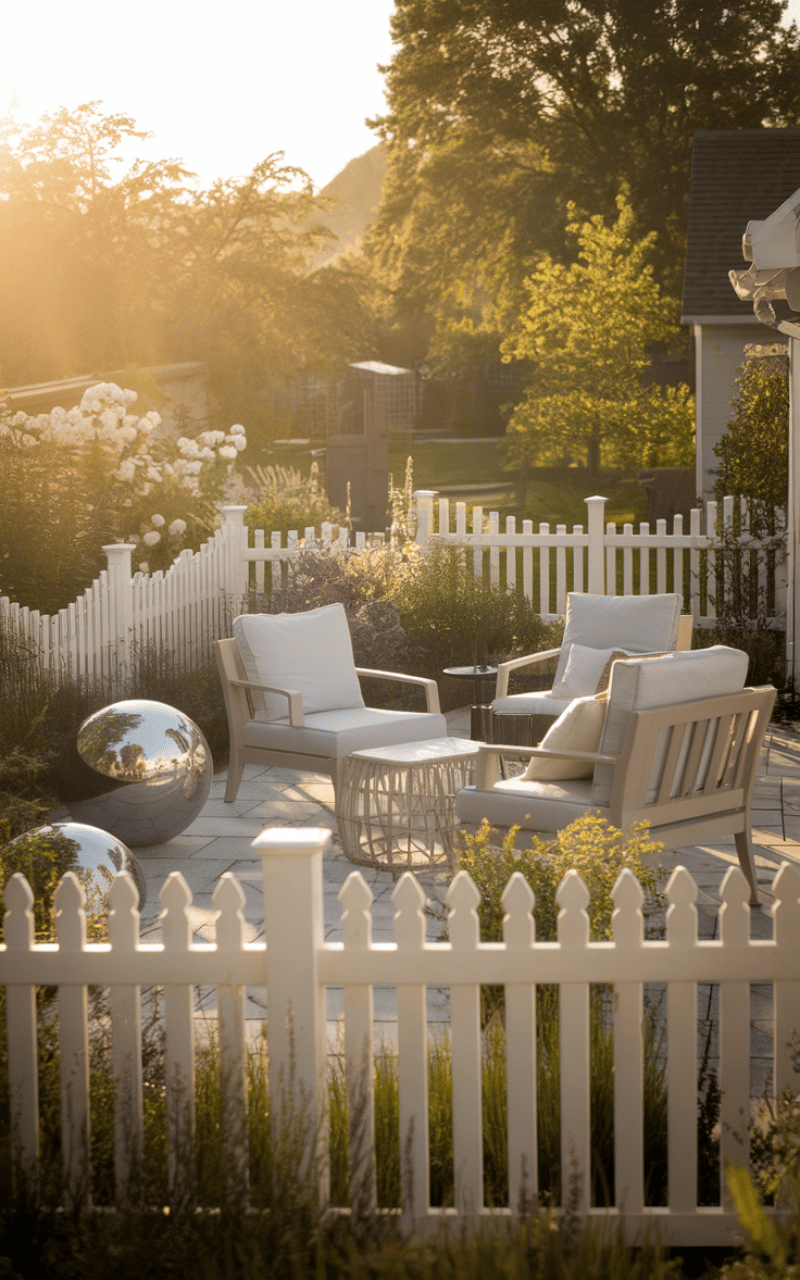
Use white-painted fences light-colored patio furniture or reflective garden spheres because these elements will bounce light around the garden further enhancing the sense of space and brightness in the late afternoon so the reflections will soften the shadows and help distribute the lovely golden light evenly throughout the space thus this design trick is particularly useful in smaller gardens making it a clever way to maximize light in your West-Facing Garden Design so ensure the reflective items are not positioned where they could cause glare.
1. Create a Golden Hour Viewing Spot
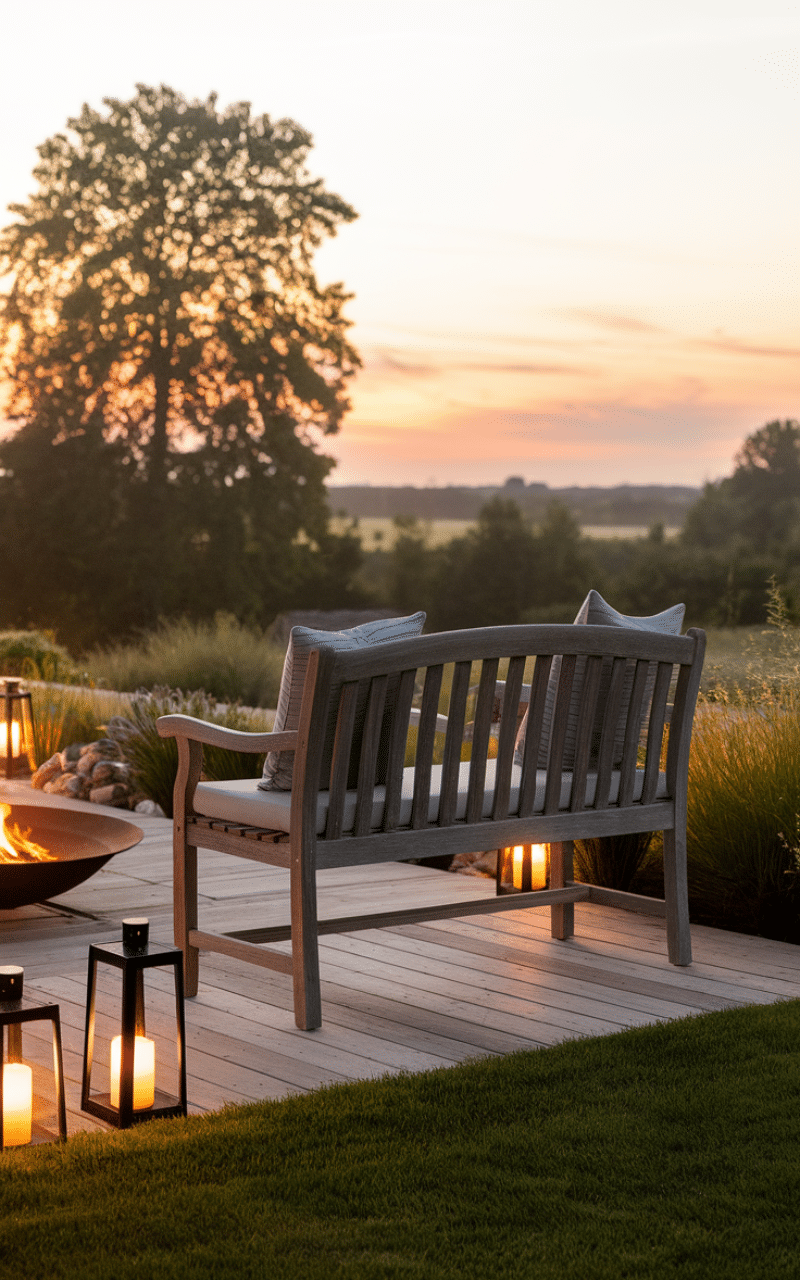
Designate a specific bench or chair positioned to face the sunset because the west-facing garden offers the best view of the evening sky and the glorious ‘golden hour’ light so decorate this area with comfortable cushions and perhaps a fire pit or outdoor lanterns for evening ambiance thus making this dedicated viewing area a priority ensures you fully appreciate the unique benefits of your West-Facing Garden Design so this is the perfect place to end a busy day and relax.
Conclusion
Harnessing the full potential of a west-facing garden involves a careful balance of heat-tolerant planting smart shading techniques and strategic placement of seating to enjoy the abundant afternoon light so by adopting these West-Facing Garden Design ideas you can transform your space from a simple yard into a vibrant sun-drenched sanctuary perfect for evening relaxation and entertaining thus embrace the warmth the color and the golden glow and start planning your perfect afternoon oasis today so please consider subscribing to my blog for more detailed décor guides and inspiration for your next home project.
Enjoyed this post?
Share the love with another mom!
Every share helps this little blog grow — thank you so much