
Make sure to join my list for Weekly Tips and Recipes to Your Inbox
18 Off Grid Living Self-Sufficient Tips

A little note: Some images in this post may come from third-party sources and are shared purely to inspire you. All credit goes to their original creators. Visit our Image Credits Policy for more information.
Off grid living has always fascinated me, but also terrified me because I wanted to know if it was actually possible to live fully independent in the modern world.
I remember reading about raising rabbits for meat, goats for dairy, and gathering seasonal plants while thinking about my article on 17 Beautiful Fall Window Boxes as a reminder that planning makes a difference.
The more I considered living without electricity, relying only on tools I could fix myself, the more I realized how much modern life has become dependent on technology and money.
I wanted to escape that, but feared it might be impossible even if I had land knowledge and the ability to work hard.
My early attempts to plan an off-grid lifestyle were filled with questions and contradictions. I read warnings that even if you built solar panels, wind turbines, and food systems, you still needed the outside world for maintenance and replacement parts.
Others insisted that complete self-reliance would demand more effort than most humans were willing to give and that isolation could make life harder without the support of a community.
I spent hours imagining energy independence batteries to cover electricity shortfalls, wood-burning stoves for heat and cooking, and closed-loop food systems, but the reality kept reminding me that legal, social, and practical constraints would always exist.
The dream of escaping fully from society seemed at once inspiring and nearly unreachable.
The breakthrough came when I shifted my thinking from pure independence to designing a life that was sufficient within reality.
I started planning systems that could provide most of my energy needs while remaining legally connected to the grid.
I imagined storing food for years, covering my family through bad production seasons, and learning skills to maintain animals and equipment.
Slowly Off off-grid living became less about escaping everything and more about creating freedom where it mattered, balancing effort with practicality, and embracing community as part of sustainability.
What once seemed impossible turned into a path that I could realistically follow while still achieving the independence I craved.
What We're Exploring
- 01 18. Optimize Solar Power Systems
- 02 17. Harvest Rainwater Efficiently
- 03 16. Build a Reliable Backup Generator
- 04 15. Embrace Energy Storage Solutions
- 05 14. Install a Composting Toilet
- 06 13. Grow a Perennial Food Garden
- 07 12. Implement Crop Rotation and Companion Planting
- 08 11. Use Greenhouse or Hoop Houses
- 09 10. Practice Permaculture Design
- 10 9. Raise Livestock for Food and Fertilizer
- 11 8. Preserve Food Effectively
- 12 7. Use Passive Solar Heating and Cooling
- 13 6. Develop Wood Fuel Resources
- 14 5. Implement Water Recycling Systems
- 15 4. Secure Off-Grid Communication
- 16 3. Learn Basic DIY Skills
- 17 2. Establish Emergency Preparedness Plans
- 18 1. Build Community Connections
- 19 Conclusion
18. Optimize Solar Power Systems
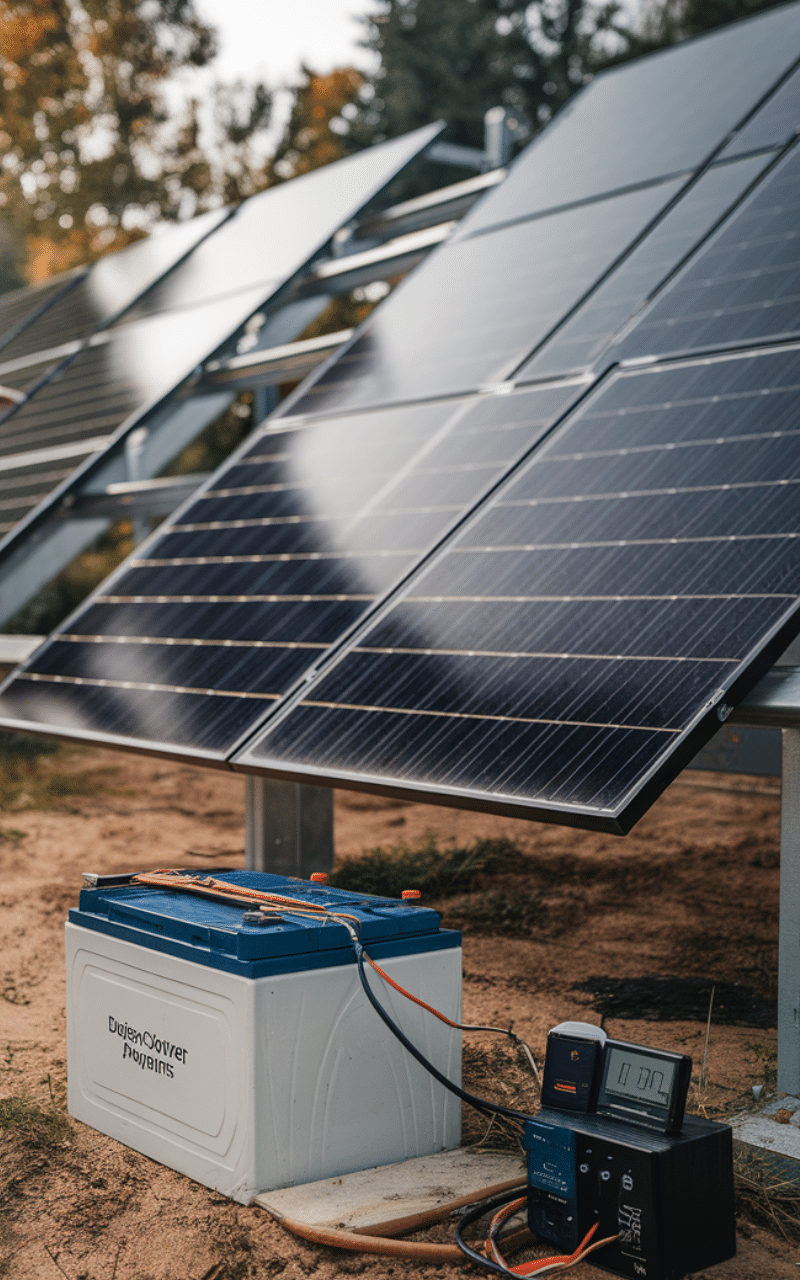
Install high-capacity solar panels with efficient charge controllers and deep-cycle batteries. Monitor energy consumption and use energy-efficient appliances to maintain reliable power year-round.
Off Grid Living Tip: Position panels to maximize sunlight and avoid shading from trees or buildings.
17. Harvest Rainwater Efficiently
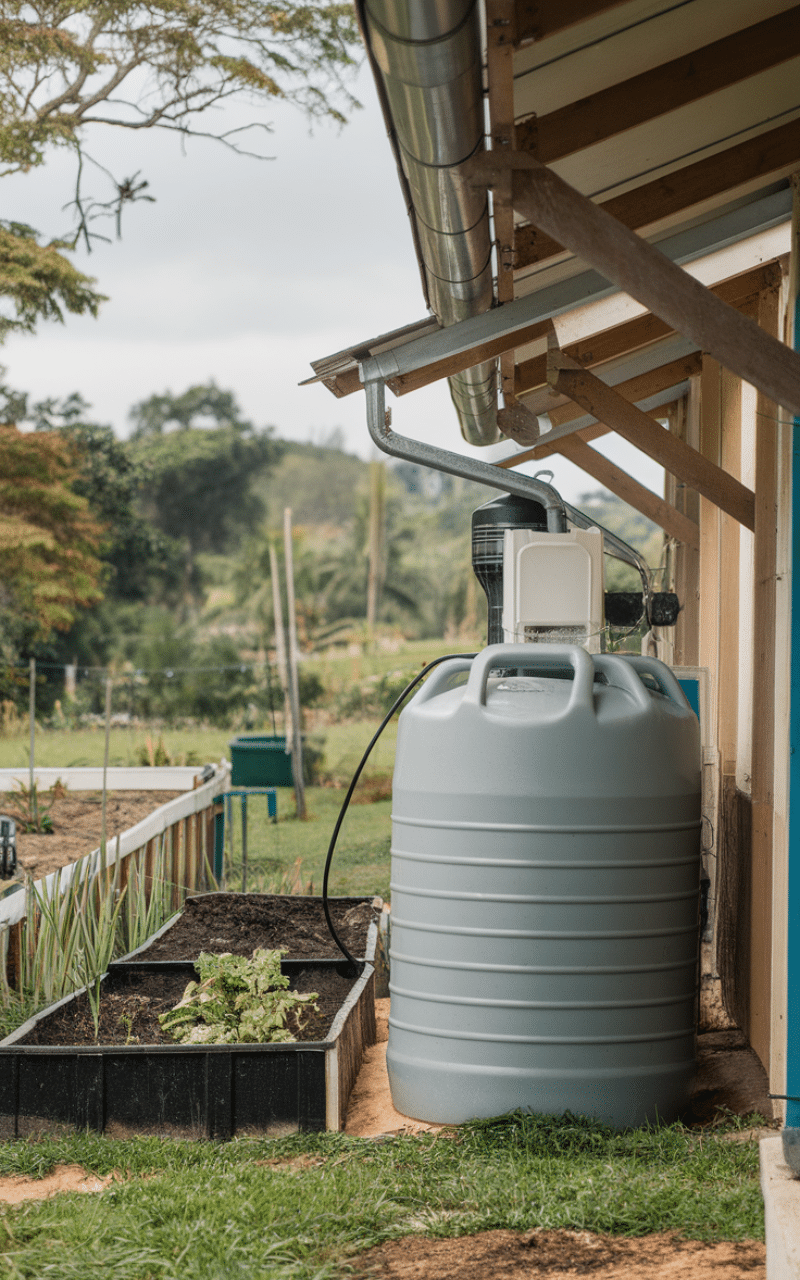
Set up rainwater collection systems with gutters, filters, and storage tanks. Use first-flush diverters to remove debris and purify water for domestic use.
Off Grid Living Tip: Place tanks near garden areas and livestock zones for easy access.
16. Build a Reliable Backup Generator
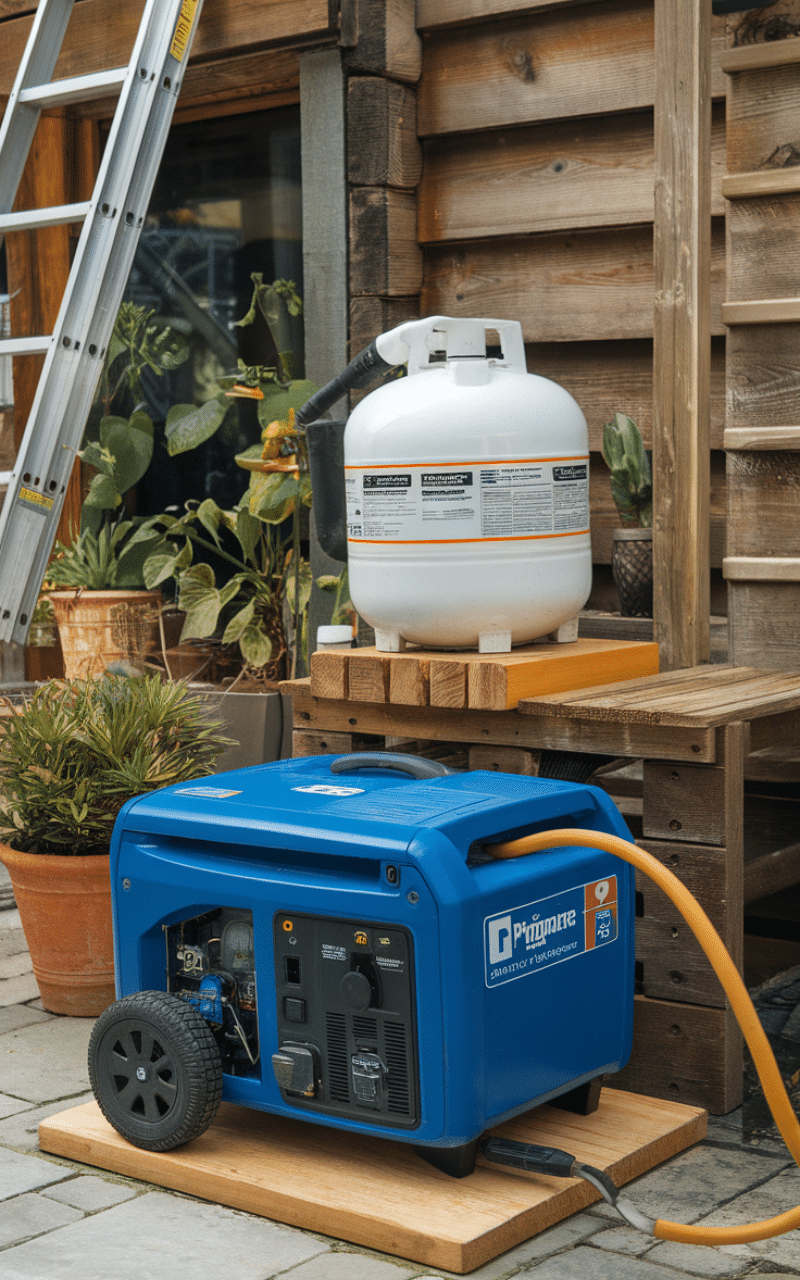
A propane or diesel generator ensures uninterrupted power during periods of low sunlight or high energy demand.
Off Grid Living Tip: Keep fuel reserves safely stored and maintain the generator regularly.
15. Embrace Energy Storage Solutions
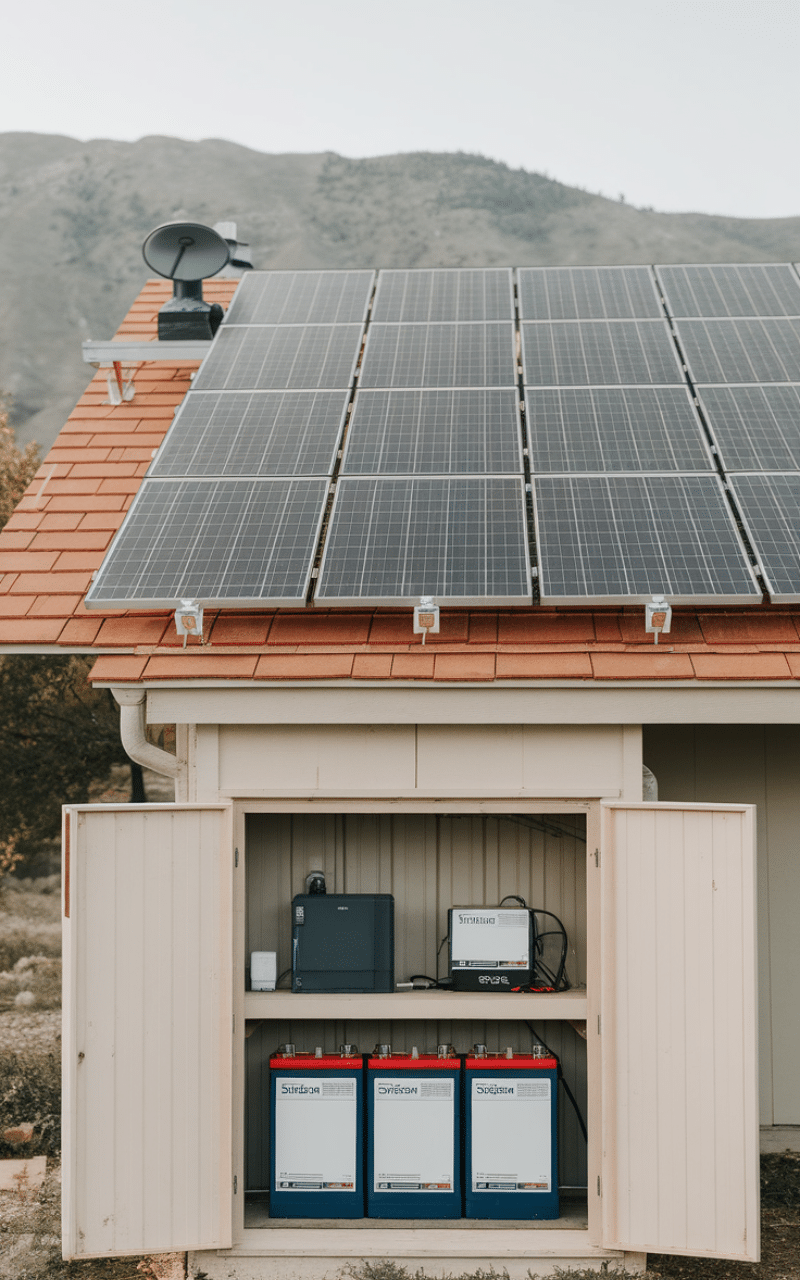
Combine solar panels with lithium or AGM batteries and smart inverters to store energy efficiently for evening or cloudy days.
Off Grid Living Tip: Monitor battery health and avoid deep discharges to extend lifespan.
14. Install a Composting Toilet
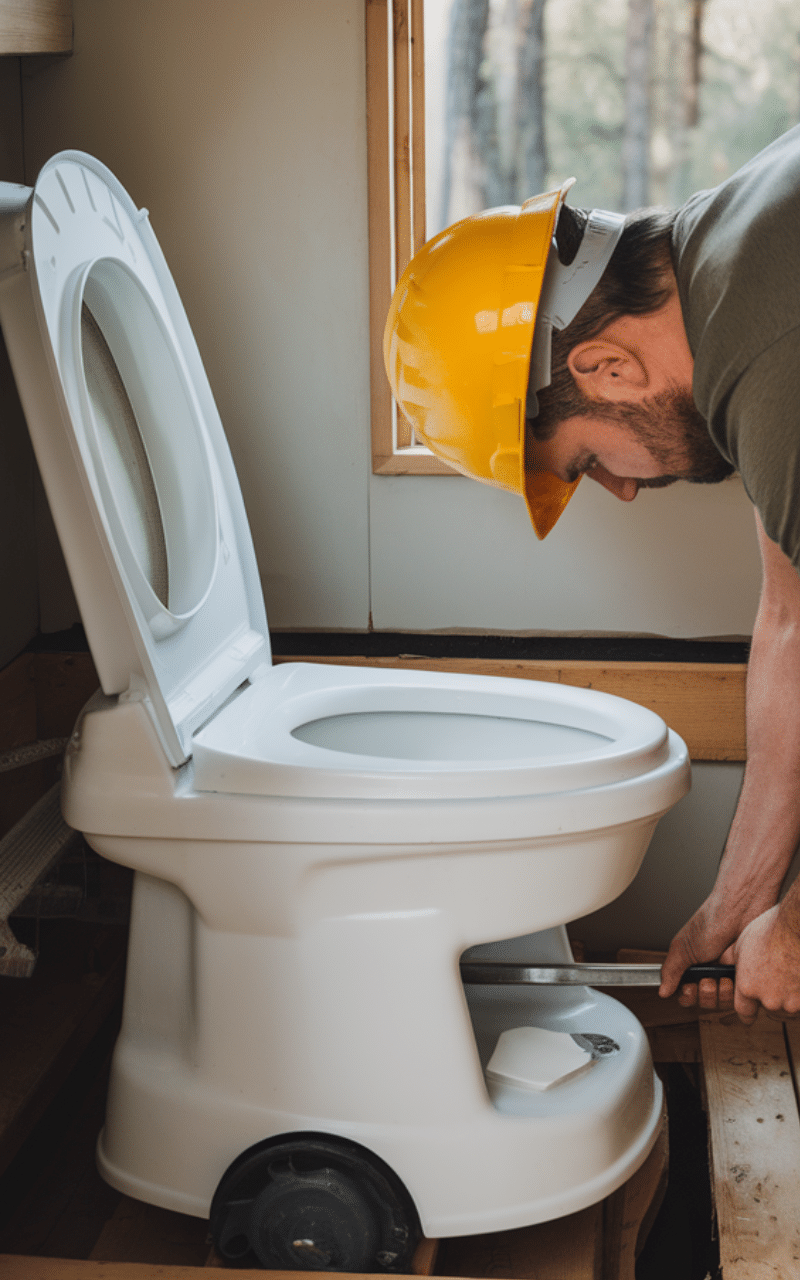
Reduce water use while producing nutrient-rich compost for your garden. Proper ventilation prevents odors.
Off Grid Living Tip: Rotate composting material regularly to accelerate decomposition.
13. Grow a Perennial Food Garden
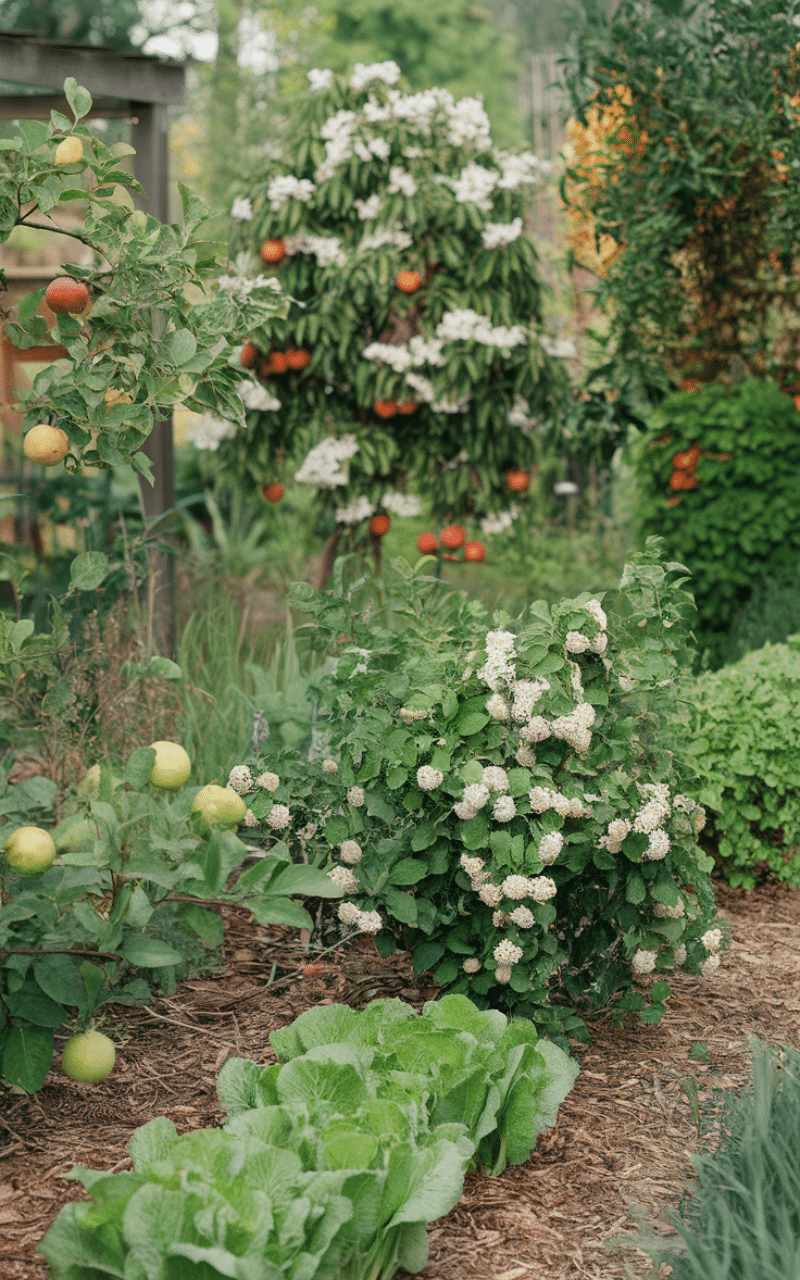
Plant fruit trees, berry bushes, and perennial vegetables that produce food year-round with minimal maintenance.
Off Grid Living Tip: Mulch around plants to retain soil moisture and suppress weeds.
12. Implement Crop Rotation and Companion Planting
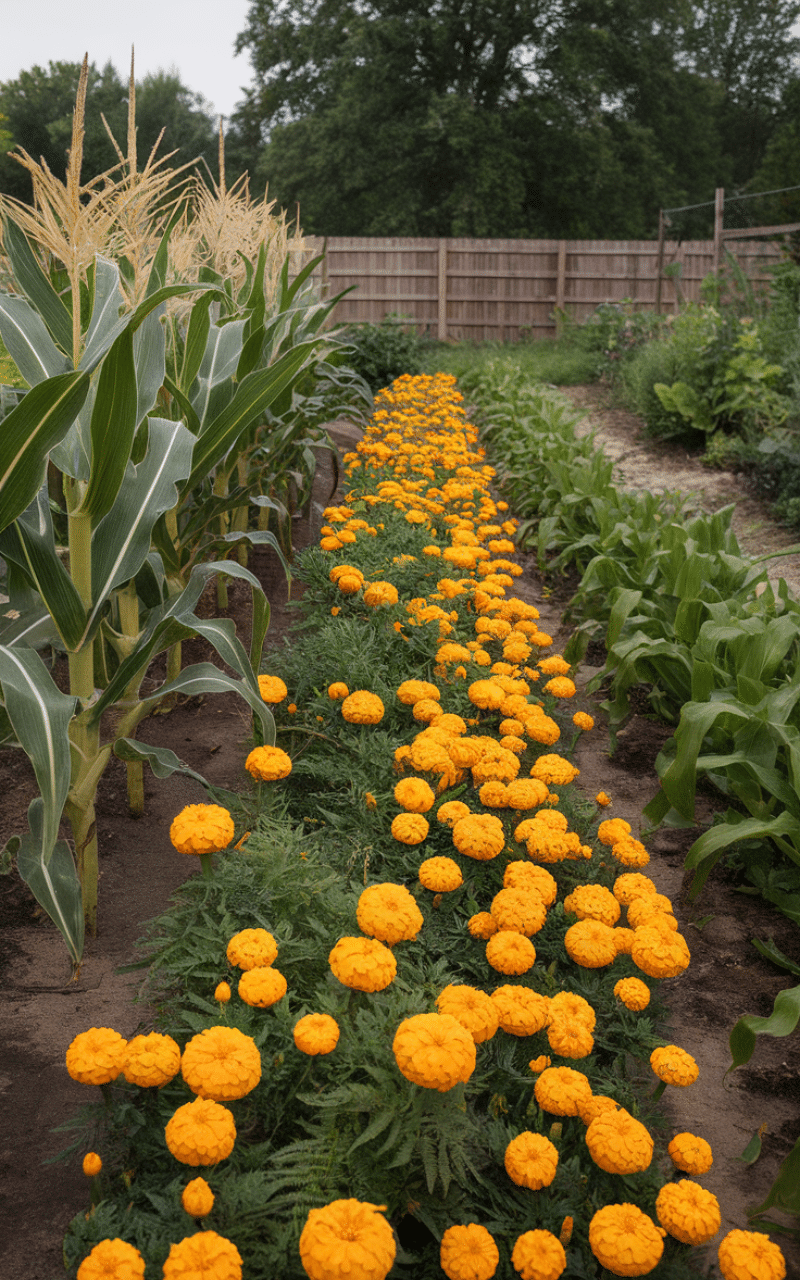
Rotate crops to maintain soil fertility and use companion planting to naturally deter pests and improve growth.
Off Grid Living Tip: Pair nitrogen-fixing plants with heavy feeders to replenish soil nutrients.
11. Use Greenhouse or Hoop Houses
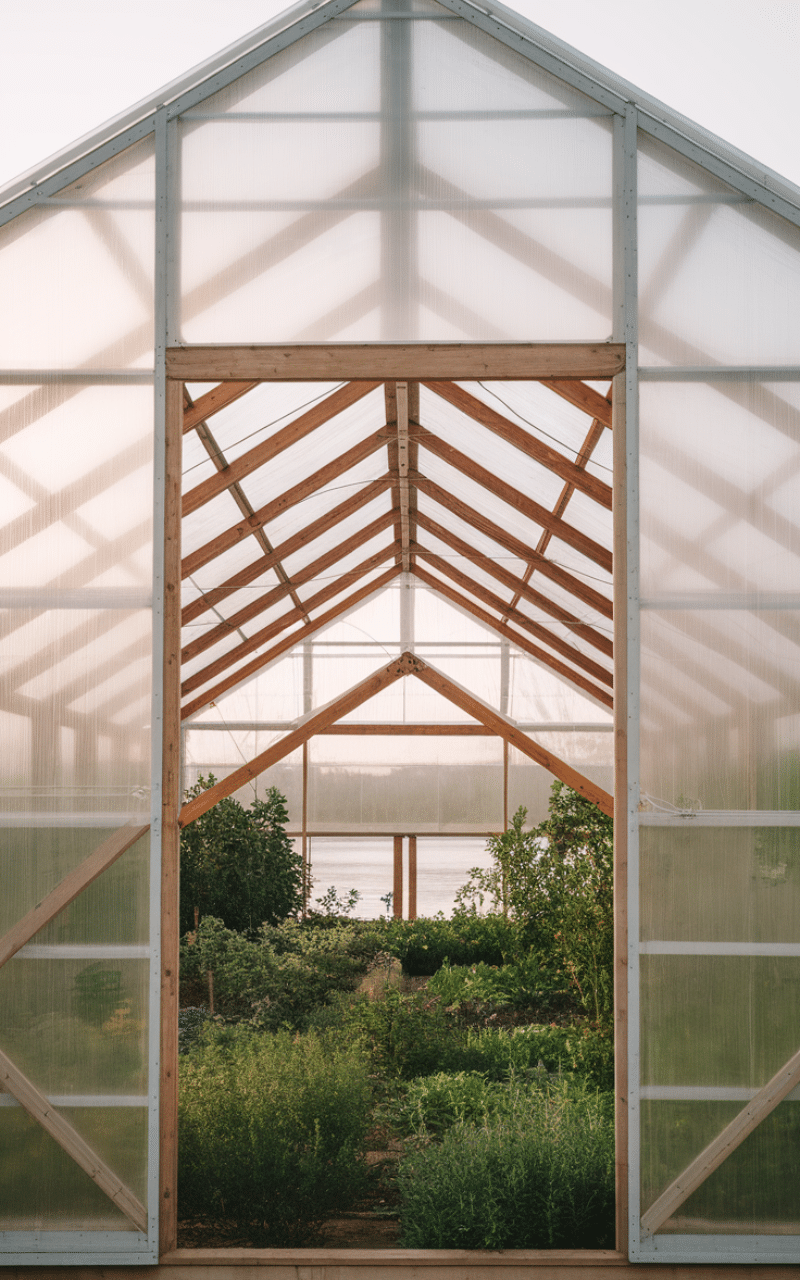
Extend the growing season and protect crops from harsh weather using passive solar greenhouse designs.
Off Grid Living Tip: Place greenhouses near water sources for irrigation convenience.
10. Practice Permaculture Design
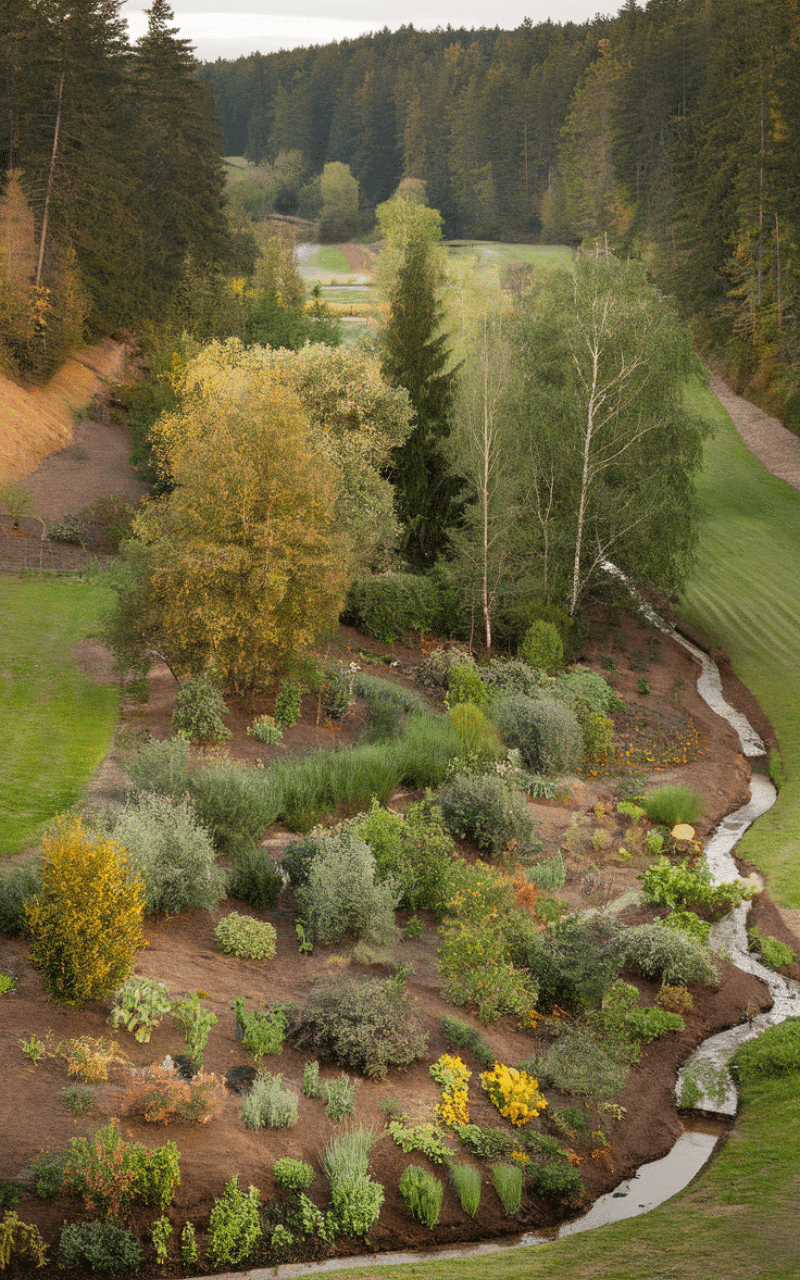
Design your homestead for maximum efficiency by integrating water flow, plant placement, and natural ecosystems.
Off Grid Living Tip: Observe natural patterns on your land before finalizing your design.
9. Raise Livestock for Food and Fertilizer
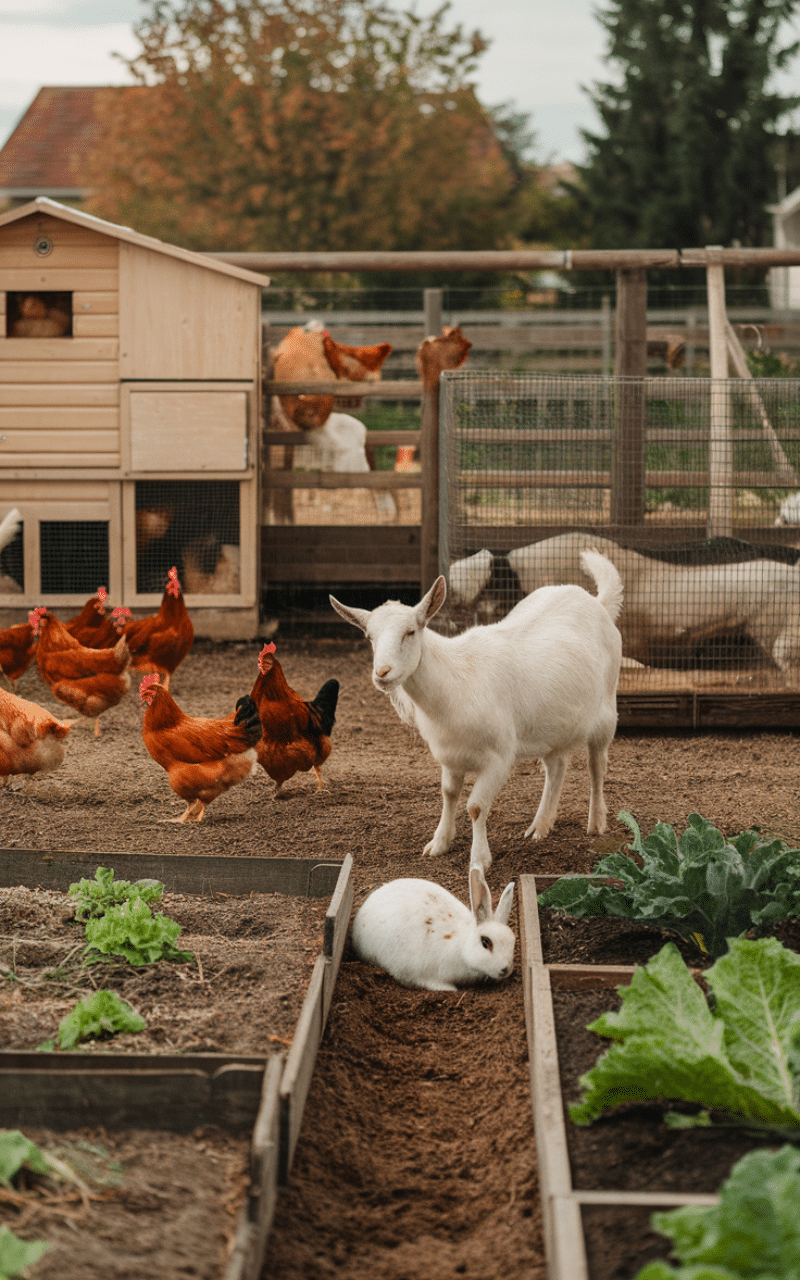
Chickens, goats, and rabbits provide eggs, milk, meat, and manure to enrich your garden soil.
Off Grid Living Tip: Choose breeds adapted to your climate and space limitations.
8. Preserve Food Effectively
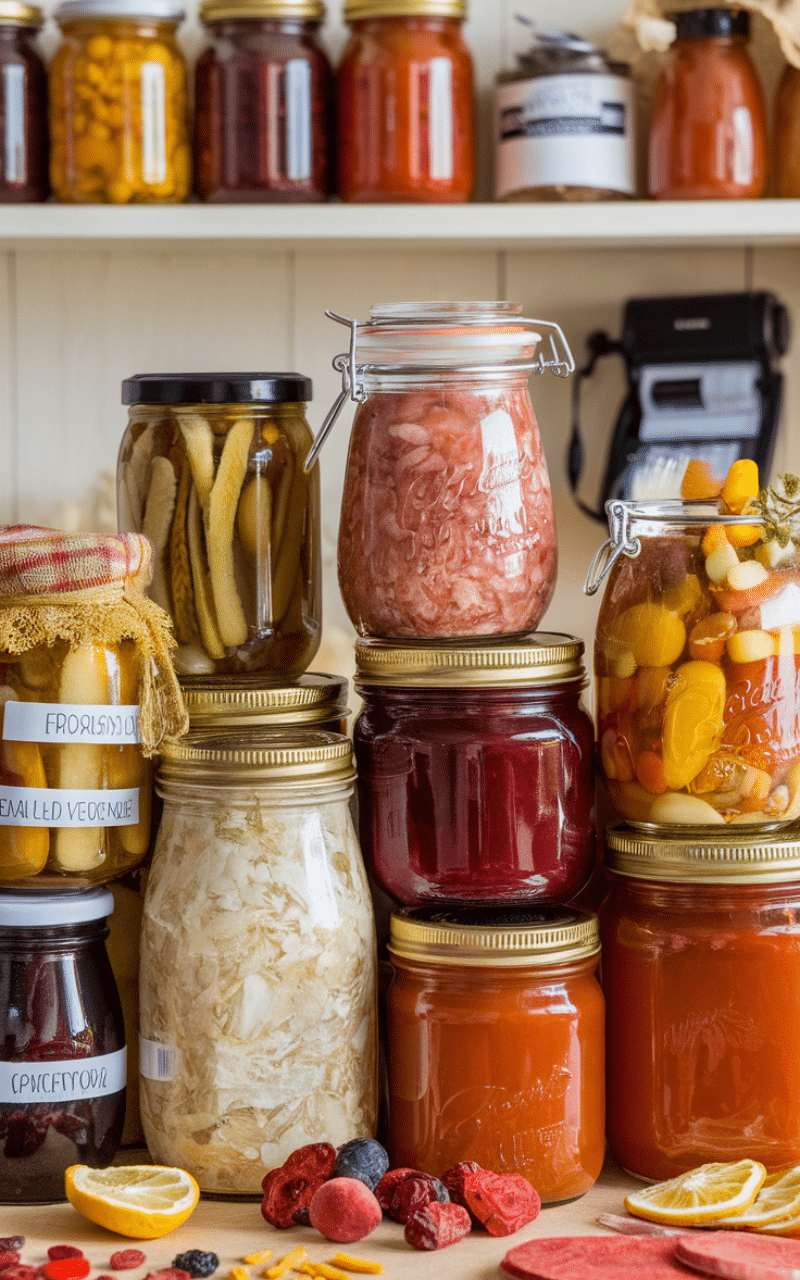
Learn canning, fermenting, dehydrating, and freezing techniques to store seasonal produce.
Off Grid Living Tip: Label and date all preserved foods to maintain an organized pantry.
7. Use Passive Solar Heating and Cooling
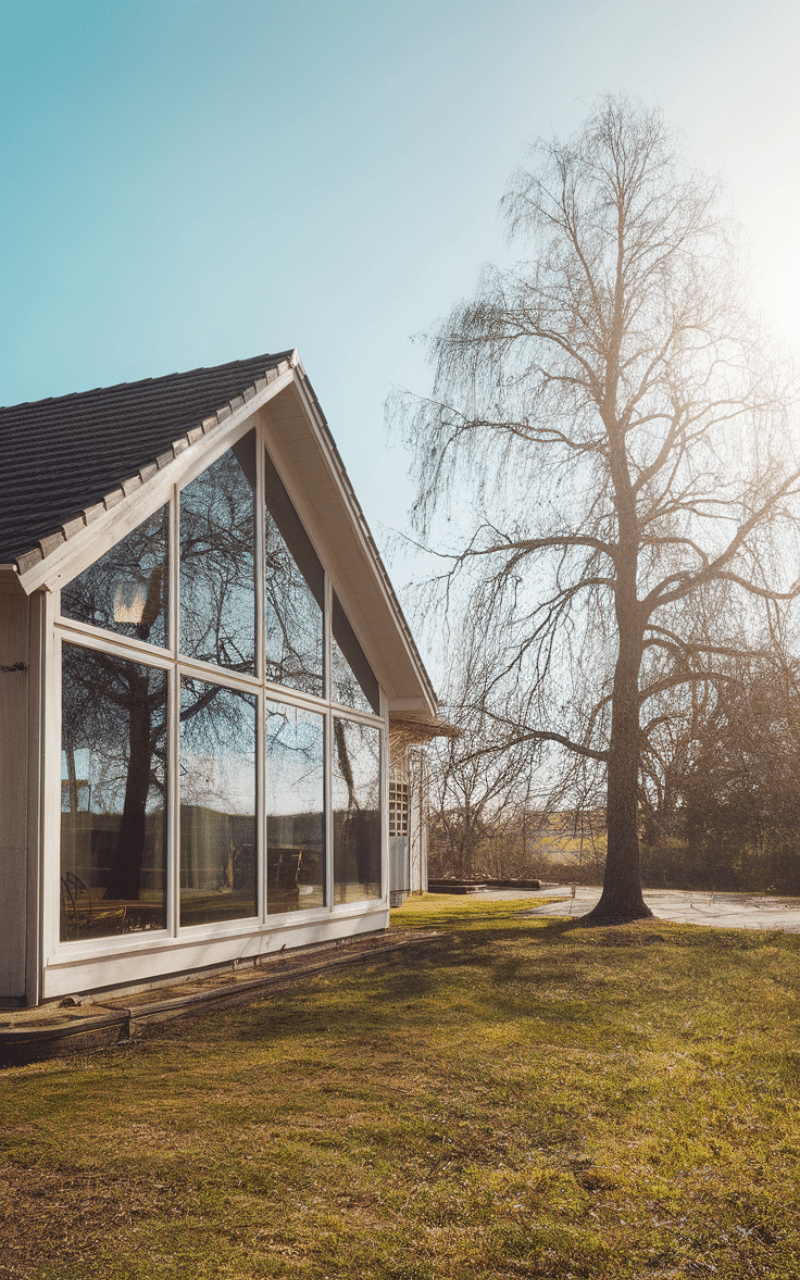
Orient buildings for winter sun and summer shade, install thermal mass floors, insulation, and proper ventilation to maintain comfort.
Off Grid Living Tip: Use shades, awnings, or deciduous trees to regulate summer heat.
6. Develop Wood Fuel Resources
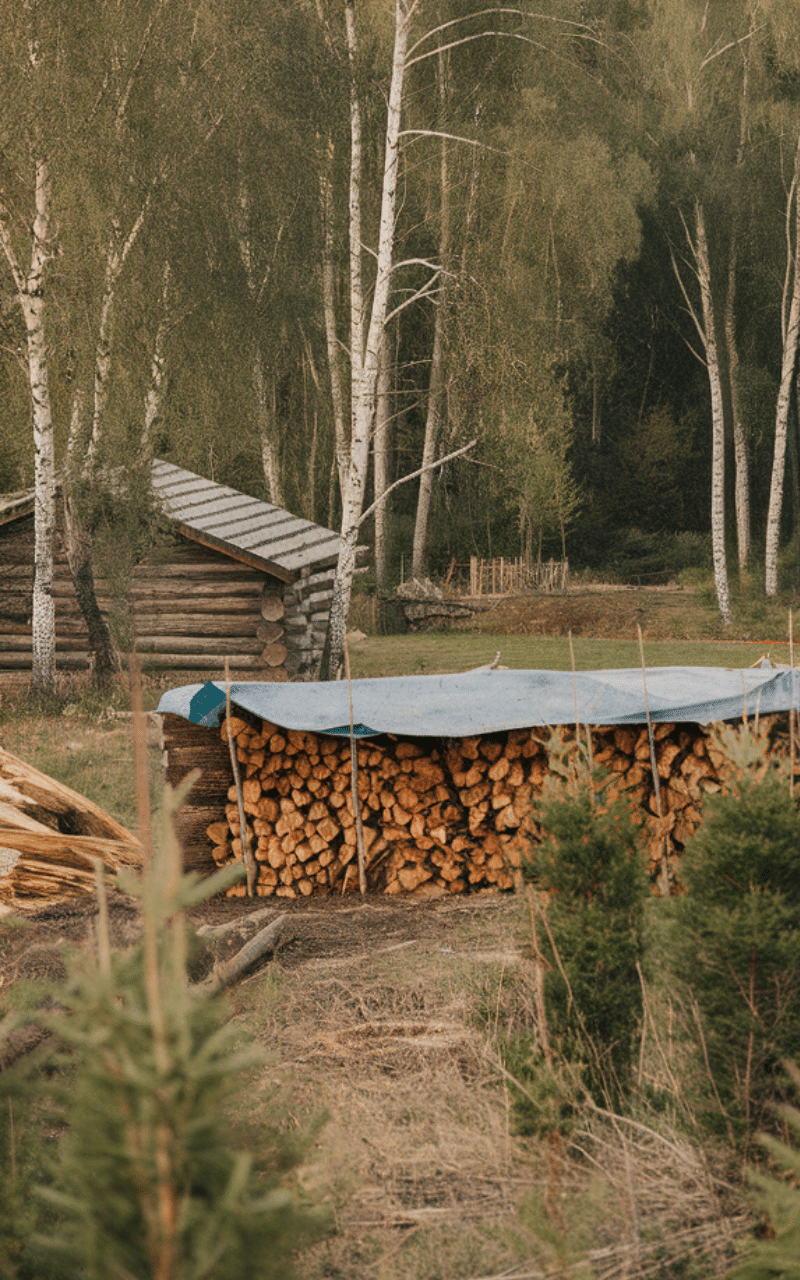
Plant fast-growing trees and maintain a sustainable woodland for firewood. Properly store wood to prevent rot.
Off Grid Living Tip: Stack wood off the ground and cover the top to keep it dry.
5. Implement Water Recycling Systems
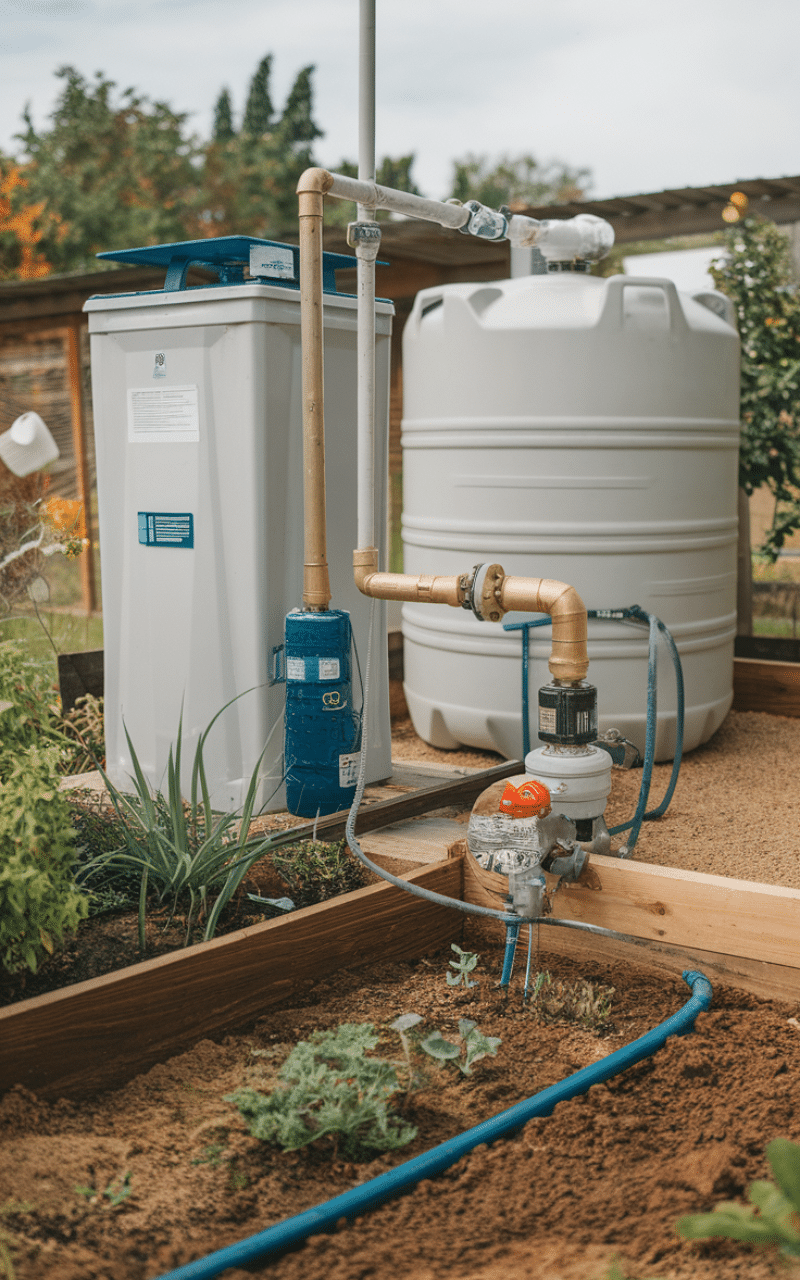
Reuse greywater for irrigation or toilet flushing. Install filtration systems to safely recycle water within your homestead.
Off Grid Living Tip: Ensure all greywater is filtered to avoid contaminating edible crops.
4. Secure Off-Grid Communication
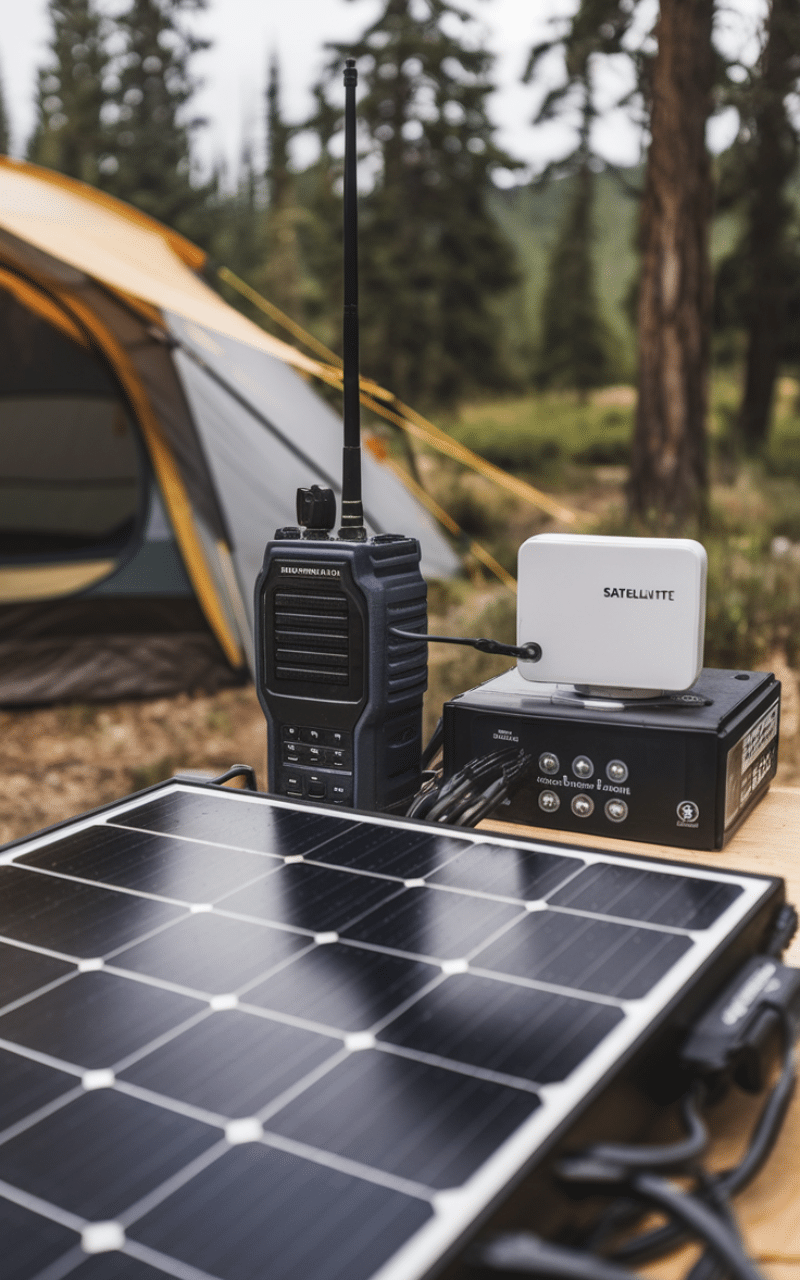
Use satellite internet or long-range radio systems to stay connected. Maintain solar-powered chargers for essential devices.
Off Grid Living Tip: Keep backup communication devices in case of power failure.
3. Learn Basic DIY Skills

Acquire carpentry, plumbing, and electrical skills to repair or modify systems independently.
Off Grid Living Tip: Practice small projects regularly to build confidence and skill.
2. Establish Emergency Preparedness Plans
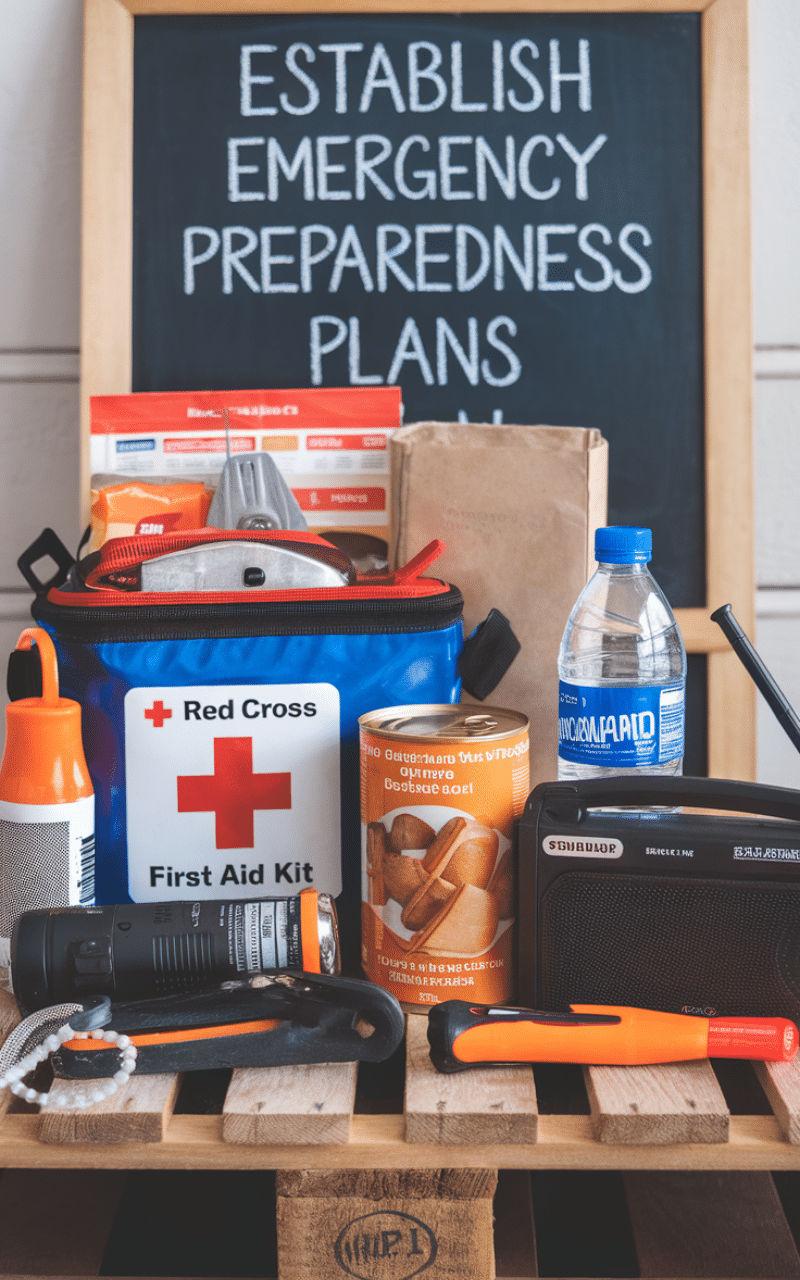
Keep first-aid supplies, backup food, and water reserves. Plan evacuation or shelter strategies for natural disasters.
Off Grid Living Tip: Rotate emergency supplies periodically to ensure freshness and usability.
1. Build Community Connections
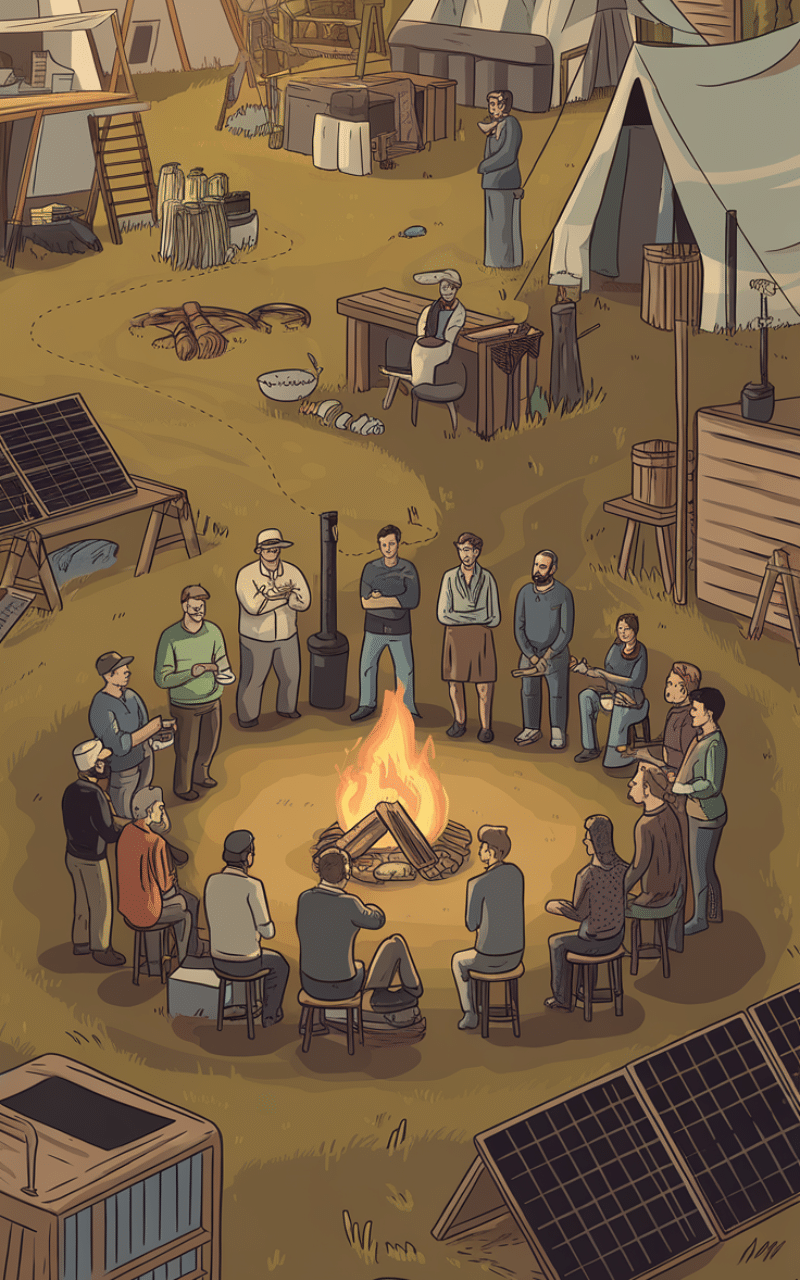
Engage with local off-grid communities to share resources, knowledge, and mutual support during challenging times.
Off Grid Living Tip: Attend workshops and events to exchange practical advice and strengthen networks.
Conclusion
Adopting an off-grid lifestyle requires a combination of strategic planning, sustainable practices, and hands-on skills. By implementing these 18 off-grid living tips, you can create a self-sufficient homestead that provides reliable energy, clean water, abundant food, and resilience against emergencies. Each step contributes to independence while fostering a deeper connection with your environment.
Enjoyed this post?
Share the love with another mom!
Every share helps this little blog grow — thank you so much