
Make sure to join my list for Weekly Tips and Recipes to Your Inbox
Shower Curtain Alternatives That Finally Made Our Bathroom Feel Grown Up

A little note: Some images in this post may come from third-party sources and are shared purely to inspire you. All credit goes to their original creators. Visit our Image Credits Policy for more information.
I stood in the shower one morning wringing out a soggy shower curtain that had stuck to my arm for the third time that week, and something in me just gave up on it. It was not a big moment. It was just one more small annoyance in a house full of them.
I had replaced that curtain twice already that year. Mold along the bottom, a liner that never hung right, a rod that sagged no matter how I tightened it.
I started searching for other options that same afternoon while my coffee sat forgotten on the counter. Not fancy renovation inspiration, just real bathrooms where someone had clearly solved the exact same problem I had.
What surprised me was how many different directions people had gone. Glass panels, sliding doors, even open walk-in showers with no barrier at all.
None of them looked complicated once I really looked closely. Some were full renovations, sure, but plenty were smaller updates that any family could manage without gutting the whole bathroom.
That is when I understood what had been bothering me the entire time. A shower curtain was never really the problem; it was a symptom of a bathroom that had never been finished the way it deserved to be.
I kept saving photos late that night, the way I do with every project in this house. Some stopped me because of the hardware. Others because of how open and calm the whole space suddenly felt.
Every single idea below came from that same instinct, the pause before I understood exactly why a photo mattered. That instinct has never once steered me wrong on a home project.
If you are tired of wrestling with a wet shower curtain every single morning, this list is for you. These are the real alternatives that other moms have used to finally close the door on that particular chore for good.
What We're Exploring
- 01 Install a Sliding Barn Style Glass Door for a Modern Farmhouse Feel
- 02 Choose a Single Frameless Glass Panel for a Clean, Airy Look
- 03 Go Fully Open With a Doorless Walk-In Shower
- 04 Add a Black Framed Glass Enclosure for Bold Contrast
- 05 Choose Dark Tile and Glass for a Moody, Spa-Like Feel
- 06 Build a Green Tiled Nook With an Open Glass Panel
- 07 Try Curved Glass Block for a Retro Statement Piece
- 08 Add a Hinged Glass Door for Classic, Timeless Coverage
- 09 Add a Curved Glass Panel With a Built-In Bench
- 10 Choose Brass Hardware for a Warm, Elevated Enclosure
- 11 What Getting Rid of the Curtain Actually Changes in a Bathroom
- 12 Mega Mom Moment
Install a Sliding Barn Style Glass Door for a Modern Farmhouse Feel
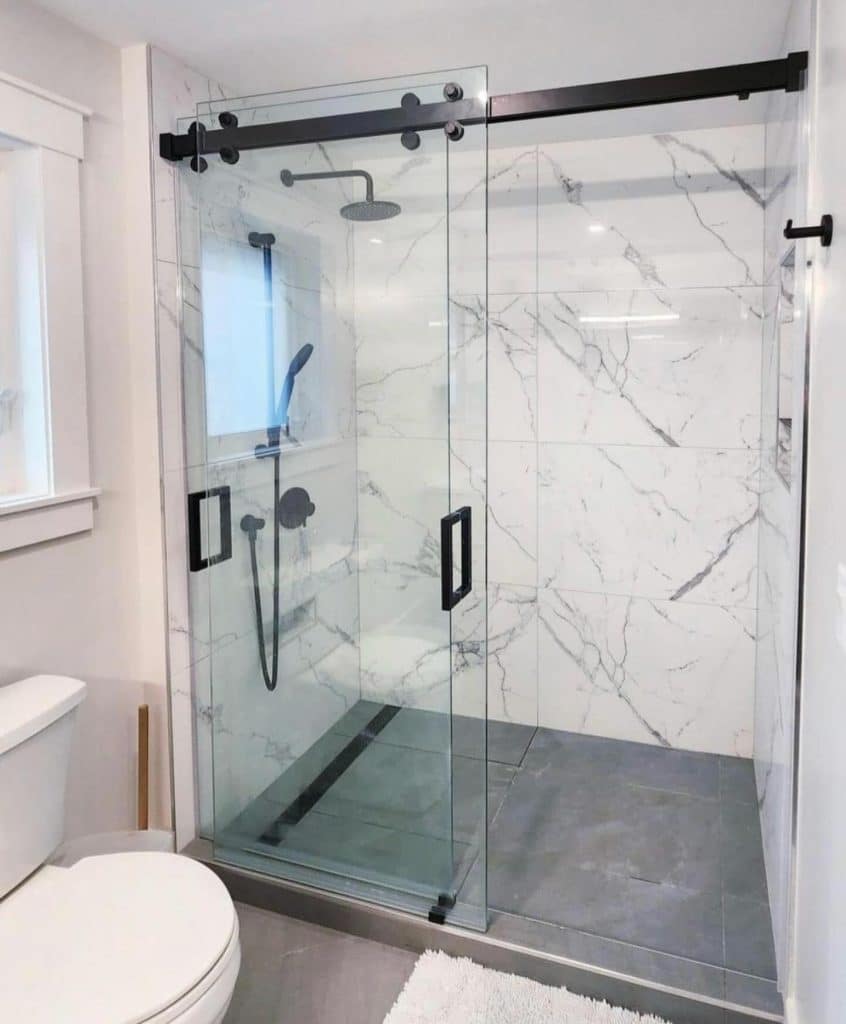
A sliding glass door mounted on a black barn-style track solves the clinging fabric problem completely while adding real architectural interest to a plain shower. The hardware itself becomes part of the design, which means the bathroom gets a design upgrade at the exact same time it gets a practical one. This is one of the most requested shower curtain replacements for anyone renovating a family bathroom right now.
Matte black handles and track hardware pair beautifully against white marble or subway tile, creating contrast that photographs well in any lighting. The sliding mechanism takes up no floor space, which matters in a smaller bathroom where a swinging door would eat into the room. According to This Old House, sliding glass doors remain one of the most popular upgrades for families replacing outdated shower enclosures.
Budget Guide: Sliding barn-style shower door kits typically range from $250 to $600 and are available at Home Depot, Lowe’s, or Amazon. Professional installation usually adds another $150 to $300.
Choose a Single Frameless Glass Panel for a Clean, Airy Look
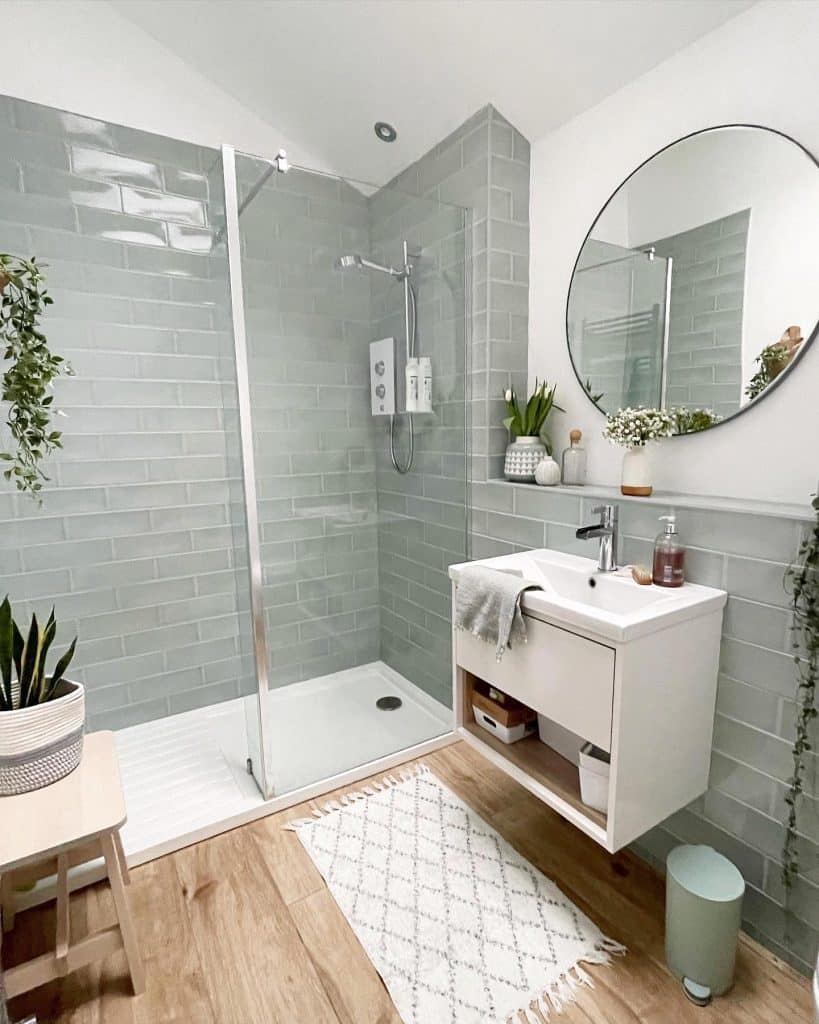
Pairing the panel with soft sage or seafoam tile keeps the whole room feeling calm rather than clinical, since the glass never competes visually with the wall behind it. A round mirror nearby echoes the curved edge of the panel, tying the whole design together. Cleanup is simple, since there is no fabric to wash and no liner to replace every few months.
This layout works particularly well in shared family bathrooms, since the open design lets a parent keep an eye on younger kids without pulling back a curtain. It removes one more daily hassle from an already busy morning routine.
Budget Guide: A single fixed glass shower panel typically costs $200 to $450 installed, available through a local glass company or Home Depot.
Go Fully Open With a Doorless Walk-In Shower
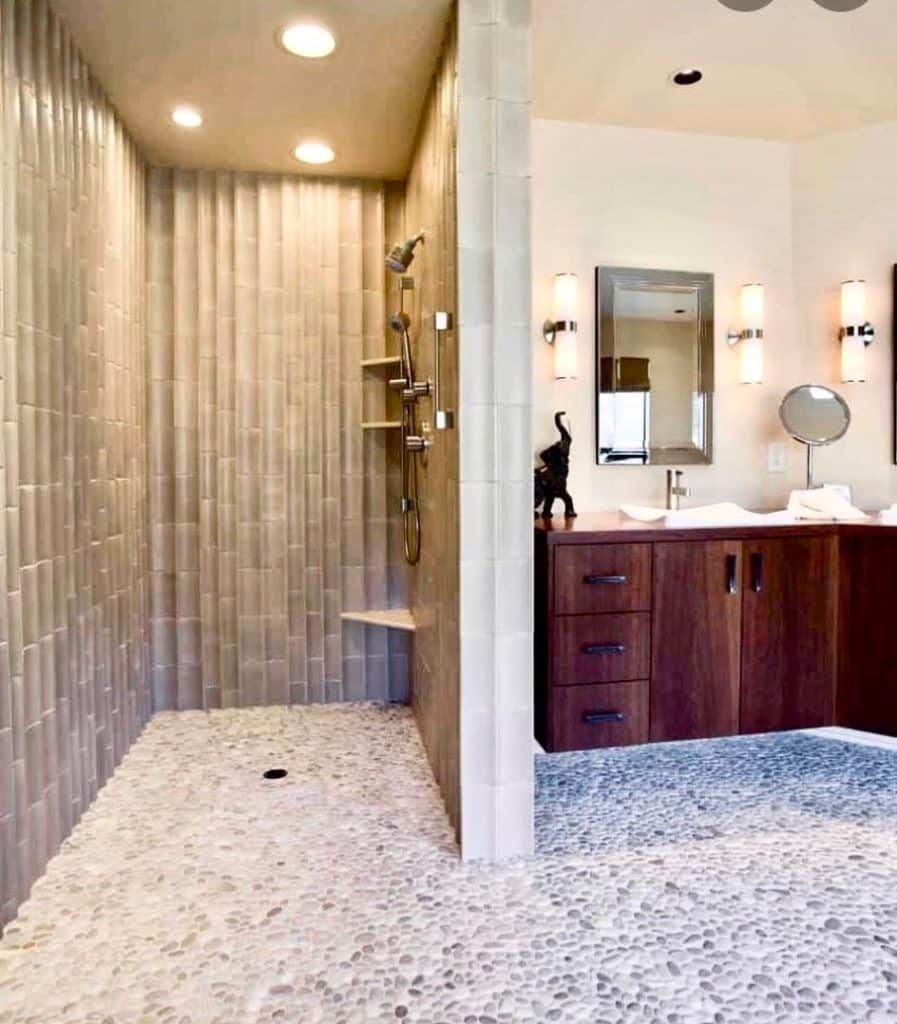
Removing the barrier entirely and building a doorless walk-in shower is the boldest possible answer to the shower curtain problem, since there is simply nothing left to hang or slide. A pebble or textured tile floor with a gentle slope keeps water contained without a single physical divider needed. This layout has become a favorite in primary bathroom renovations for exactly that reason.
Built in shelving carved right into the tiled wall keeps soap and shampoo within reach without adding a single freestanding caddy to clean around. The open entry also makes the space far easier to navigate for anyone dealing with mobility concerns, now or down the road. It reads as spa quality without needing a single extra fixture.
Budget Guide: Converting to a doorless walk-in shower typically costs $8,000 to $18,000 as part of a larger bathroom renovation.
Add a Black Framed Glass Enclosure for Bold Contrast
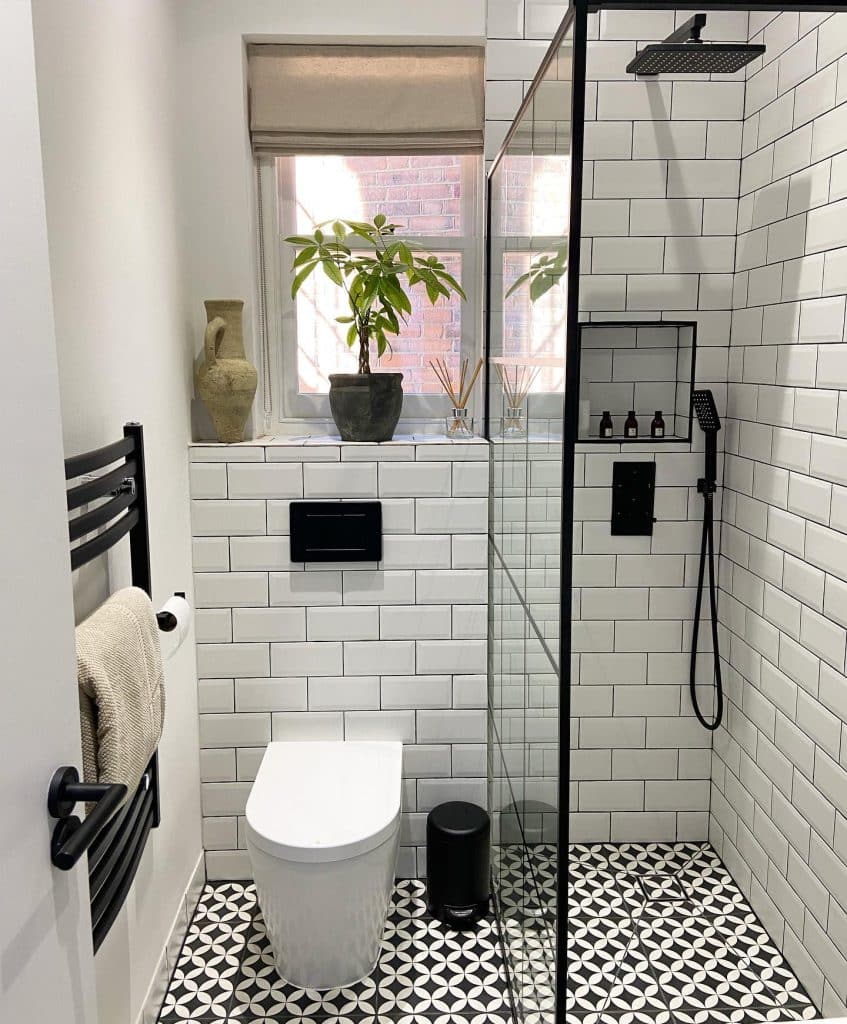
A black framed glass shower enclosure gives a bathroom real definition, especially against classic white subway tile, without needing a single fabric panel to manage. The dark lines act almost like a piece of furniture, grounding the whole room in a way a clear curtain rod never could. This has become one of the most popular shower curtain swaps for anyone chasing a modern black and white bathroom.
Patterned floor tile inside the shower plays beautifully against the crisp black frame, giving the whole enclosure a designed, intentional feeling. A built-in niche within the tile keeps bottles organized and out of sight, which matters in a smaller footprint bathroom. The black hardware repeats on the toilet fixtures too, tying the whole small room together.
Budget Guide: A custom black-framed glass shower enclosure runs $500 to $1,200 depending on size, through a local glass and shower door company.
Choose Dark Tile and Glass for a Moody, Spa-Like Feel
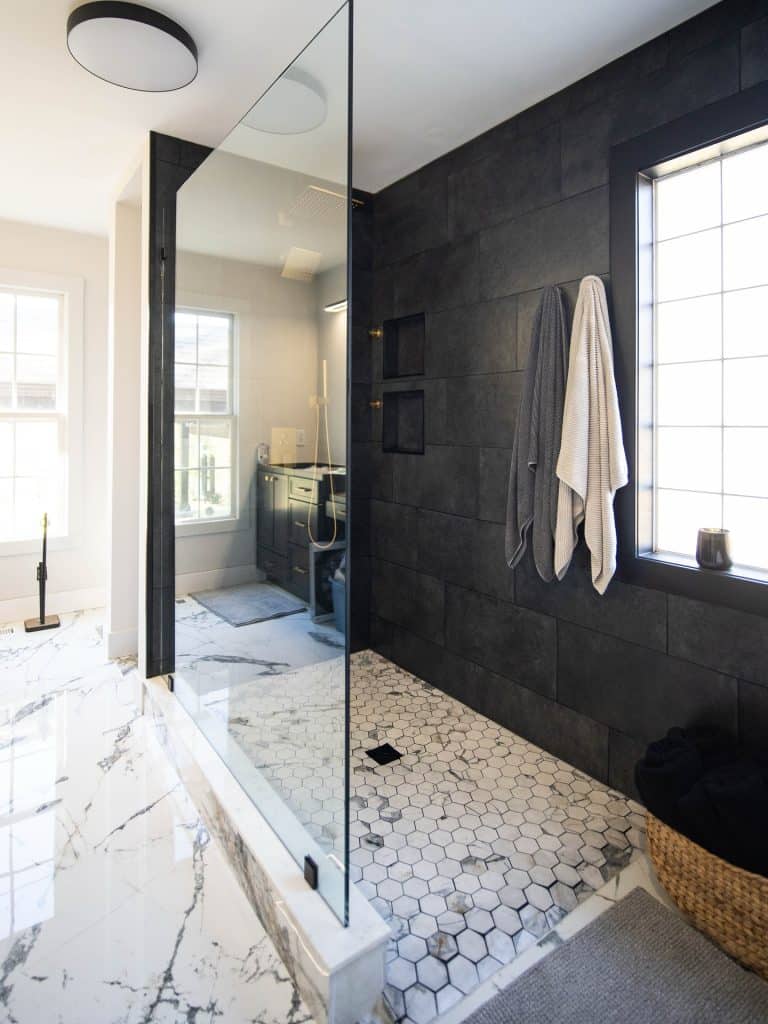
Pairing charcoal tile with a single glass panel creates a shower that feels more like a boutique hotel than a family bathroom, all without a curtain in sight. The dark backdrop makes towels and hardware pop against it, giving the whole space a layered, finished look. This combination is one of the more dramatic shower curtain alternatives for anyone renovating a primary bathroom.
Built-in niches on the tiled wall hold shampoo and soap without needing a hanging caddy, keeping the clean lines uninterrupted. Marble hexagon flooring inside the shower contrasts beautifully against the dark walls, adding texture without adding clutter. A woven basket nearby holds towels in a way that feels intentional rather than like overflow storage.
Budget Guide: Large format dark tile runs $4 to $9 per square foot, and a single glass shower panel typically adds $250 to $500 to the project.
Build a Green Tiled Nook With an Open Glass Panel
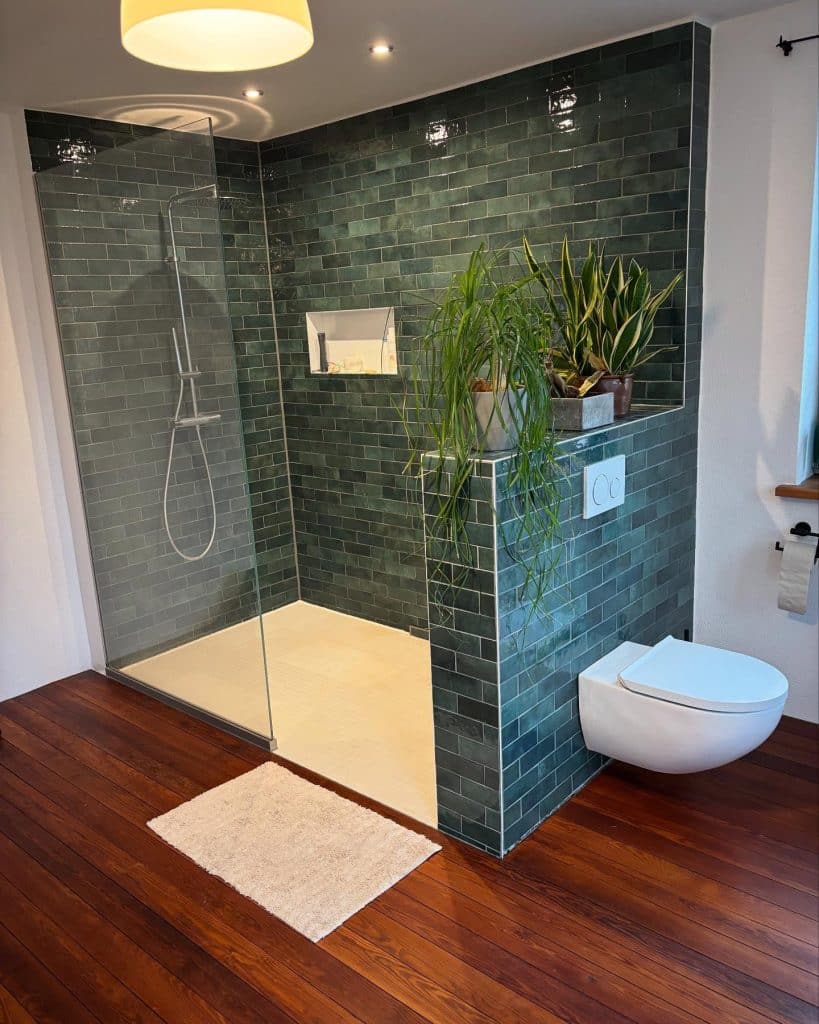
A deep green subway tile shower with one simple glass panel gives a small bathroom real personality without needing a single shower curtain to complete the look. Trailing plants tucked into the tiled shelf soften all those hard surfaces and bring a little life into a room that can otherwise feel very utilitarian. This combination has become a favorite among renovators chasing a warmer, more organic bathroom feel.
The wood flooring just outside the shower ties the whole space together, keeping the green tile from feeling too cold or clinical on its own. A built-in shelf niche holds toiletries at the perfect height, eliminating the need for hanging shower caddies entirely. Even the toilet gets tucked neatly beside the tiled wall, keeping the whole layout feeling cohesive.
Budget Guide: Green glazed subway tile runs $6 to $12 per square foot, and a single glass shower panel typically costs $250 to $450 installed.
Try Curved Glass Block for a Retro Statement Piece
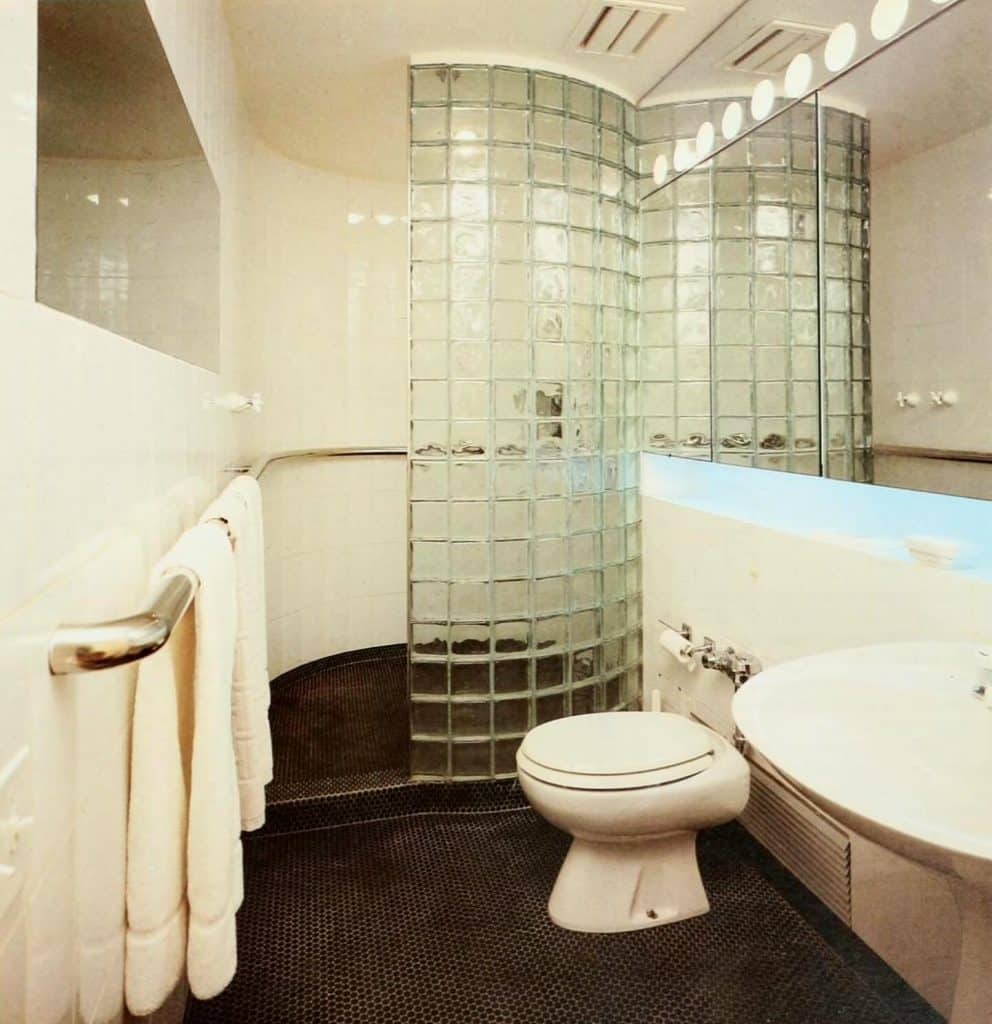
Glass block walls give a bathroom total privacy and a soft, diffused sense of light, all without a single curtain hanging in the way. The curved layout adds real architectural personality, turning a purely functional wall into a genuine design feature. It is one of the more nostalgic shower curtain alternatives, especially for anyone renovating an older home and wanting to honor its original character.
Small hexagon floor tile pairs beautifully with the glass block texture, keeping the whole bathroom feeling cohesive rather than mismatched. Chrome fixtures against the pale glass and tile keep the space bright, even without a window directly over the shower itself. It is a look that feels timeless rather than tied to any one passing trend.
Budget Guide: Glass block installation typically runs $25 to $60 per square foot depending on the curve and complexity of the layout.
Add a Hinged Glass Door for Classic, Timeless Coverage
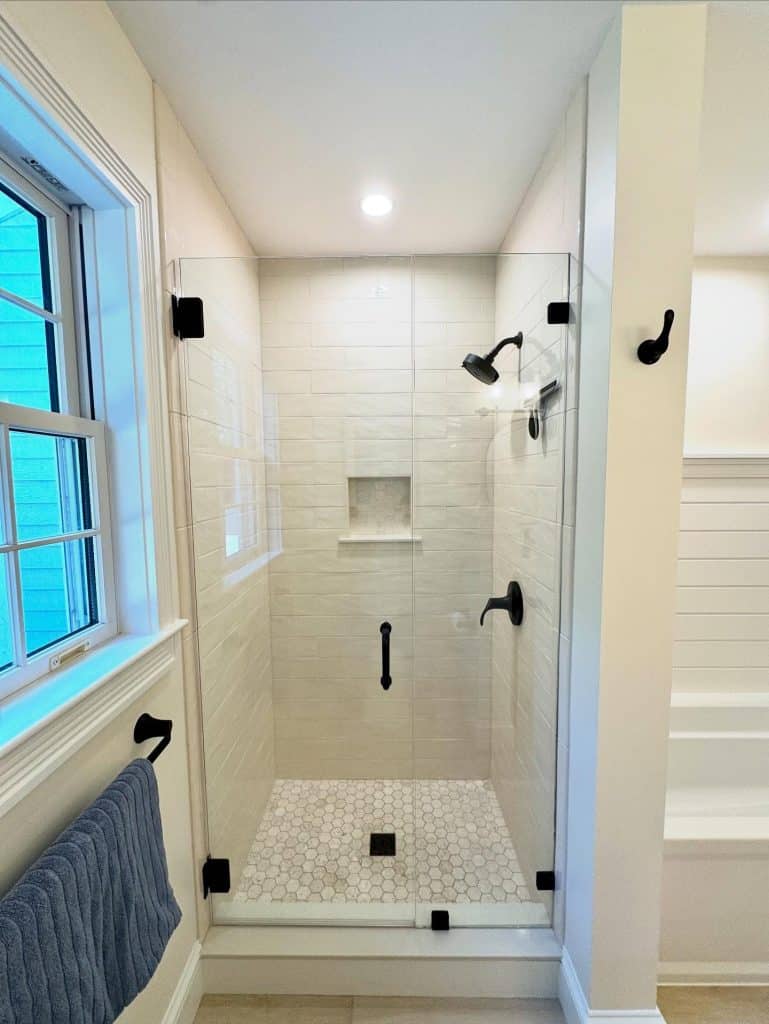
A single hinged glass door swinging open like a regular door is one of the most straightforward shower curtain replacements available, giving full coverage without any fabric to maintain. Cream subway tile paired with matte black hardware keeps the whole enclosure feeling classic rather than trendy. This style tends to age the best of any option, since it never leans too hard into any one design moment.
A built-in niche holds soap and shampoo at a comfortable height, eliminating the need for a hanging caddy that always seems to rust eventually. Black grab bar hardware doubles as both a safety feature and a design element, which matters for families planning to stay in a home long term. The whole enclosure reads as intentional rather than an afterthought bolted onto an existing tub.
Budget Guide: A frameless hinged glass shower door typically costs $600 to $1,100 installed, available through a local glass company.
Add a Curved Glass Panel With a Built-In Bench
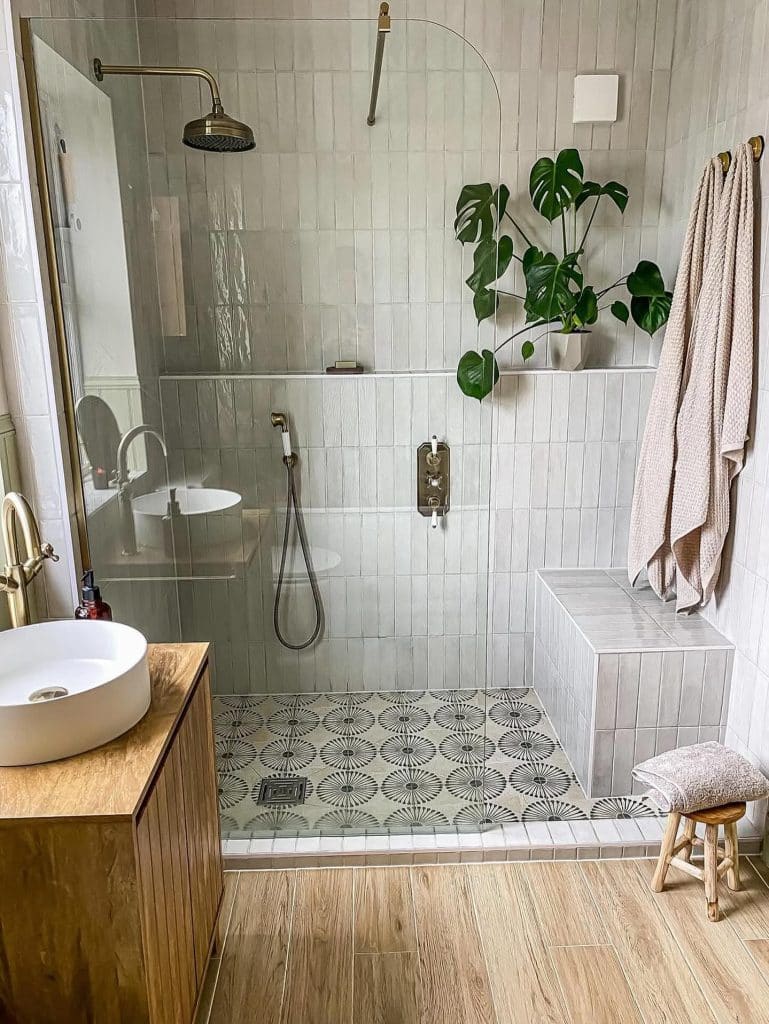
A curved glass panel paired with a built-in tiled bench gives a shower genuine comfort, something a shower curtain was never designed to offer in the first place. The bench provides a spot to sit while shaving or simply pause for a minute, which matters more than people expect until they actually have one. Patterned floor tile adds a decorative touch that keeps the whole space from feeling purely utilitarian.
Brass fixtures against soft vertical tile give the shower a warm, almost boutique hotel feel, while a trailing plant on the open shelf softens all the hard surfaces. The curved glass edge follows the natural line of the room instead of forcing a hard corner, which makes the whole enclosure feel custom-built. A small wooden stool just outside completes the spa-like atmosphere.
Budget Guide: A custom curved glass panel with tiled bench typically adds $1,500 to $3,000 to a full bathroom renovation.
Choose Brass Hardware for a Warm, Elevated Enclosure
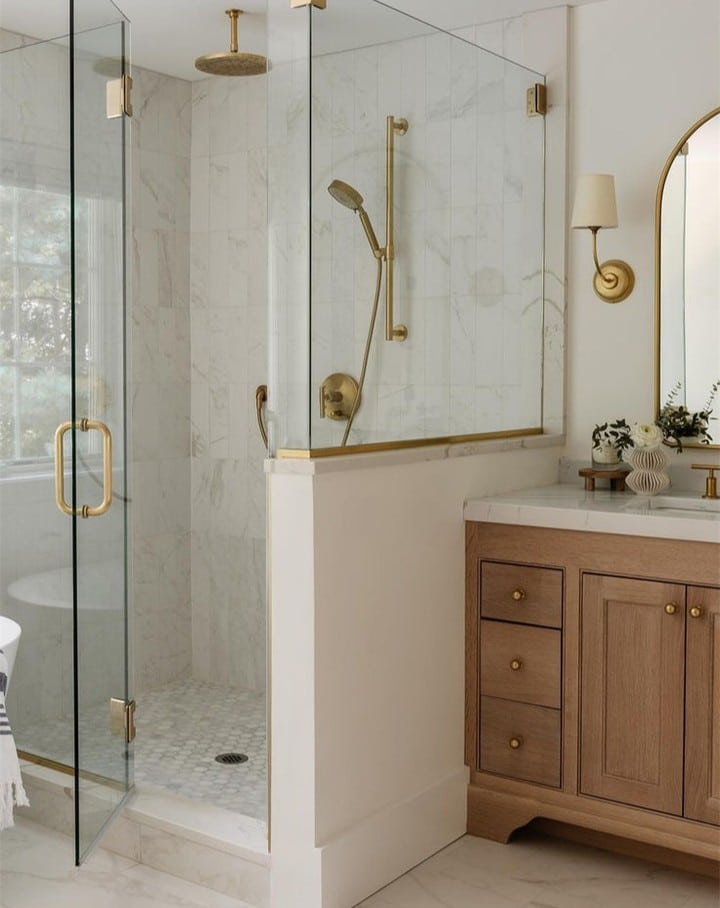
Swapping standard chrome or black hardware for warm brass instantly elevates a glass shower enclosure, giving it a polished feeling that a shower curtain rod simply cannot match. The warm metal tones pair beautifully with marble tile and wood vanity cabinetry, tying the whole bathroom together into one cohesive palette. This detail has become one of the most requested upgrades among homeowners renovating primary bathrooms.
A half wall topped with marble gives the enclosure some privacy near the toilet while still keeping the glass panel light and open above it. Brass wall sconces near the vanity echo the same warm tone found on the shower hardware, creating a sense of intention throughout the whole room. Even small details like the mirror frame pick up the same metal finish.
Budget Guide: Brass shower door hardware typically adds $100 to $250 over standard chrome finishes, available through Home Depot or a specialty bath retailer.
What Getting Rid of the Curtain Actually Changes in a Bathroom
The more of these bathrooms I studied, the more I realized removing a shower curtain was never really about the fabric itself. It was about finally treating the shower like a real part of the room instead of something hidden behind a rod. That shift in thinking mattered more than any single material choice.
Families notice the daily difference almost immediately once the curtain is gone. Nobody has to wrestle a wet liner out of the way each morning, and nobody has to remember to replace a moldy one every few months.
Mega Mom Moment
I want to tell you the truth about that soggy curtain moment. It was never really about the curtain. It was about finally admitting a small daily annoyance was worth fixing instead of just living with it. Once I let go of the shower curtain, I stopped dreading that part of my morning entirely.
I also noticed how much cleaner these bathrooms felt overall once glass replaced fabric. Water spots wipe away in seconds, while a curtain liner always seemed to hold onto grime no matter how often it got washed.
Choosing the right glass style really comes down to matching the rest of the bathroom, not just picking whatever looks trendiest online. A traditional home wants different hardware than a modern build, and both deserve better than a plastic liner from the drugstore.
Enjoyed this post?
Share the love with another mom!
Every share helps this little blog grow — thank you so much