
Make sure to join my list for Weekly Tips and Recipes to Your Inbox
10 Best Principles of a Butterfly Garden

A little note: Some images in this post may come from third-party sources and are shared purely to inspire you. All credit goes to their original creators. Visit our Image Credits Policy for more information.
When I first started my butterfly garden, I was completely clueless, and I mean completely. I imagined that butterflies would instantly flock to my backyard as soon as I planted a few colorful blooms.
I spent an entire weekend digging, planting, and watering, only to spend the next several weeks waiting… and waiting. Nothing came.
Not one butterfly. The flowers looked good, but the garden felt lifeless. I remember sitting there one morning, coffee in hand, thinking maybe I just didn’t have the “green thumb” for it. But I wasn’t ready to give up.
So, I went down a rabbit hole of research, gardening blogs, and community groups. That’s when I discovered how creating a real butterfly garden isn’t just about planting pretty flowers; it’s about understanding what butterflies need.
I learned that they require host plants for their larvae. I added milkweed and dill, nectar-rich flowers for the adults, zinnias, lantanas, and coneflowers became my staples, and even small puddling areas for minerals.
I remember one afternoon when I saw the first monarch fluttering above my milkweed, I actually teared up. It was small, but after months of effort, it felt like a personal miracle.
Over the years, I noticed patterns: how they preferred the eastern side of the yard in the morning sun, how they’d return to the same flowers every day, how even the smallest patch of greenery could make a difference.
Now, several seasons in, my butterfly garden has transformed into a sanctuary not just for butterflies, but for me too.
Every year, I notice more species visiting, and even a few caterpillars making their home on the leaves. I’ve learned that patience and balance are the true principles.
It’s taught me how delicate ecosystems work and how we can nurture beauty by simply letting nature take its course.
If you’re ready to bring your outdoor space to life, don’t miss my article on 17 Beautiful Backyard Playground Landscaping Ideas because once your garden starts buzzing with butterflies, you’ll want a place to sit, breathe, and enjoy every fluttering moment.
What We're Exploring
- 01 10. Choose Native Plants
- 02 9. Provide a Continuous Food Source
- 03 8. Include Host Plants for Caterpillars
- 04 7. Create Sunlit Areas
- 05 6. Provide Shelter and Resting Spots
- 06 5. Add Water and Mud Puddles
- 07 4. Avoid Pesticides and Chemicals
- 08 3. Incorporate Diversity in Plant Structure
- 09 2. Provide Overwintering Opportunities
- 10 1. Encourage Continuous Observation and Maintenance
- 11 Conclusion
10. Choose Native Plants
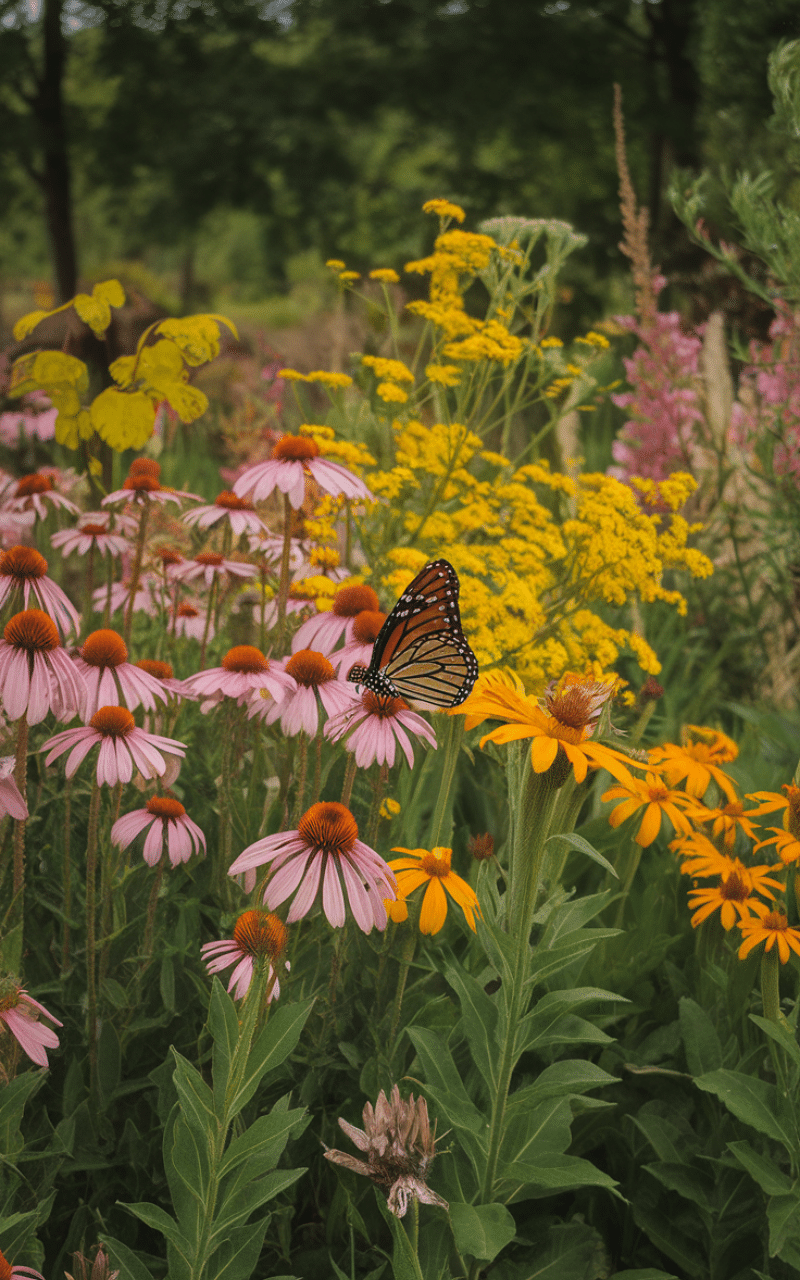
Native plants are crucial for attracting local butterfly species, as they provide suitable nectar and host plants for caterpillars. Incorporating native flora ensures a sustainable ecosystem and reduces maintenance.
Butterfly Garden Ideas: Include milkweed, coneflowers, and goldenrod for a variety of butterflies, ensuring continuous blooms throughout the season.
9. Provide a Continuous Food Source
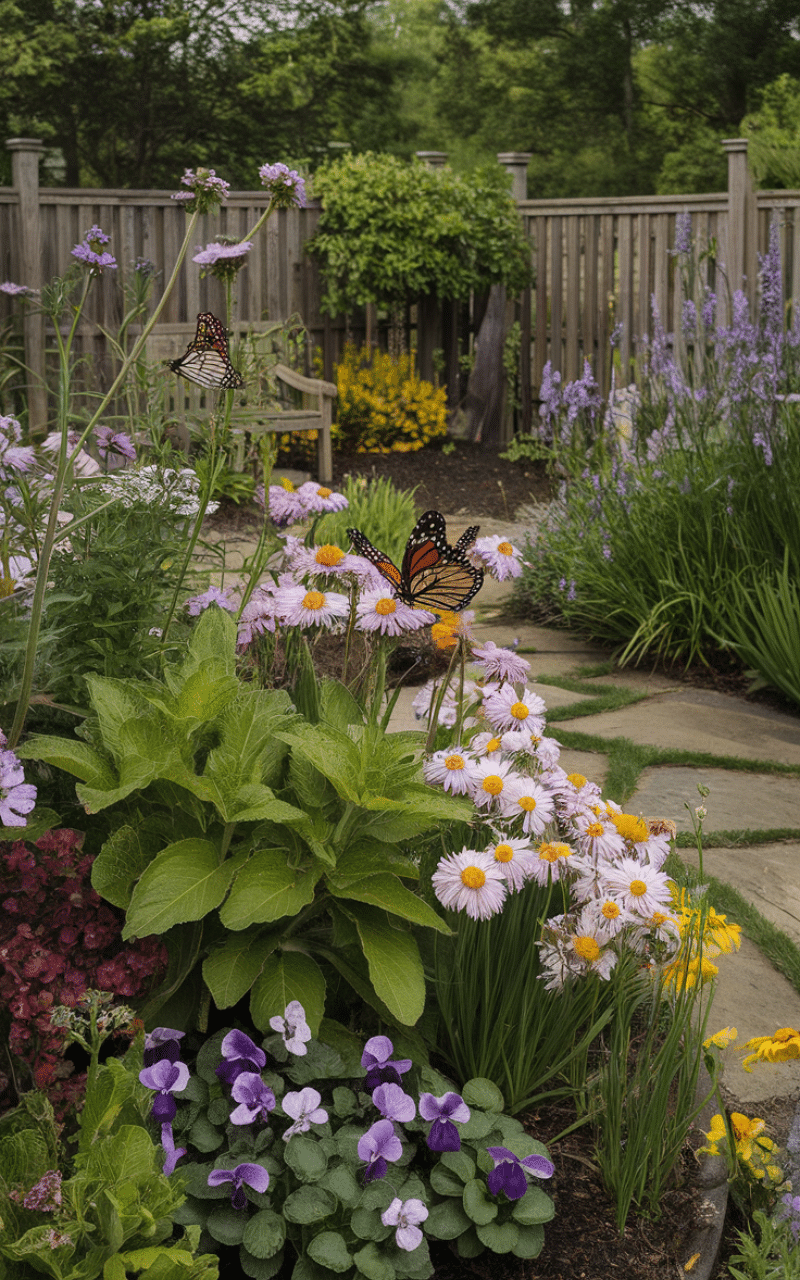
Butterflies require nectar from flowers throughout their active months. Planning a succession of blooms guarantees that your garden remains attractive to butterflies all season long.
Butterfly Garden Ideas: Mix early, mid, and late-blooming plants such as violets, lantana, and asters to maintain constant nectar availability.
8. Include Host Plants for Caterpillars
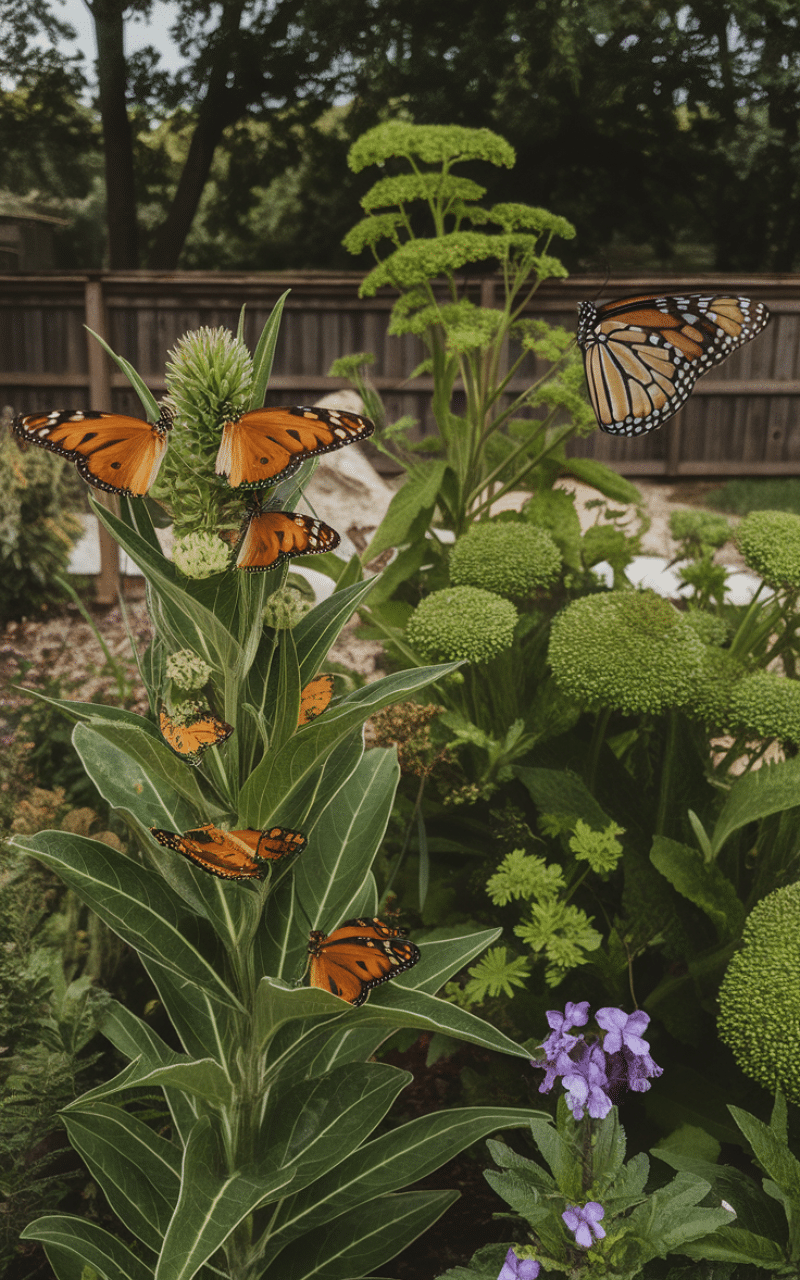
Butterflies need specific plants to lay eggs and for caterpillars to feed. Host plants are vital for completing the butterfly life cycle and ensuring future generations.
Butterfly Garden Ideas: Plant milkweed for monarchs, parsley or dill for swallowtails, and violets for fritillaries.
7. Create Sunlit Areas
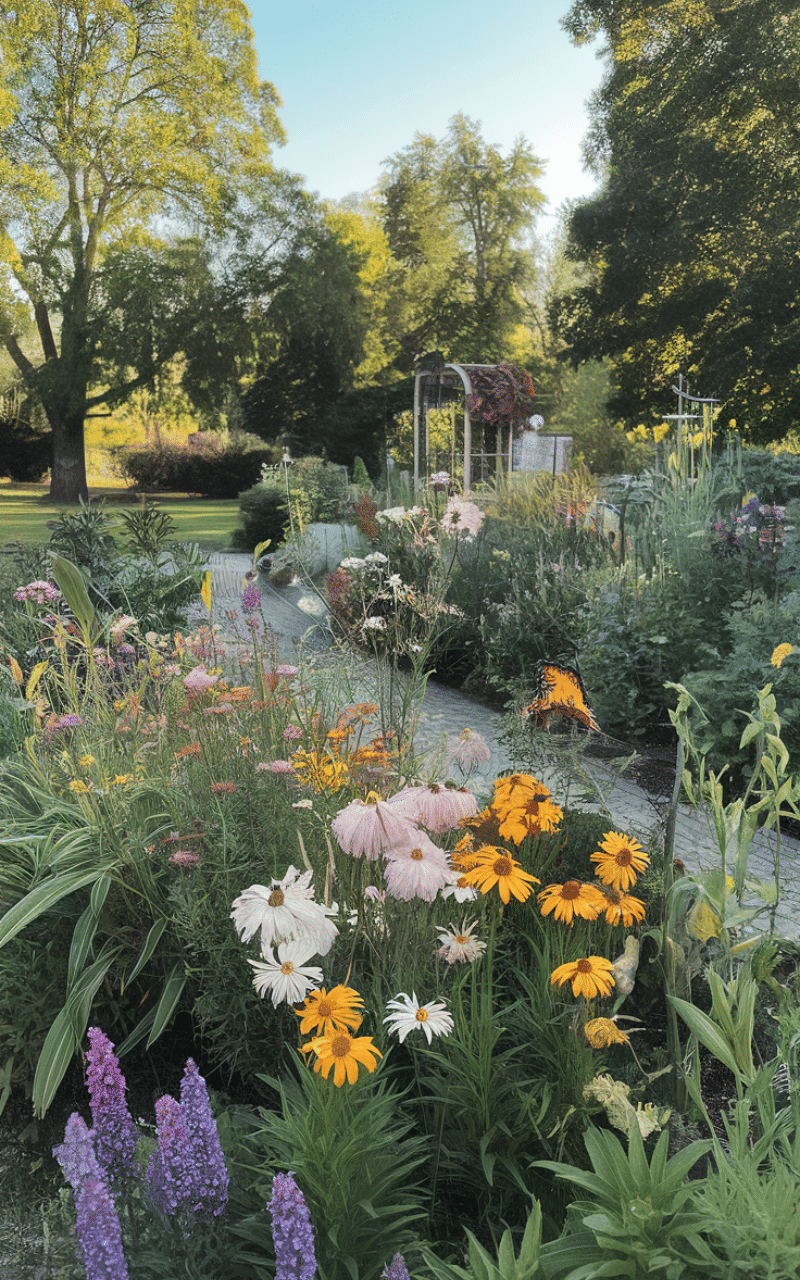
Butterflies are cold-blooded and rely on sun exposure to warm their wings. Sunlit areas allow them to be active, feed, and mate.
Butterfly Garden Ideas: Position flowers in full sun, ideally 6-8 hours daily, and avoid dense shade in key feeding areas.
6. Provide Shelter and Resting Spots
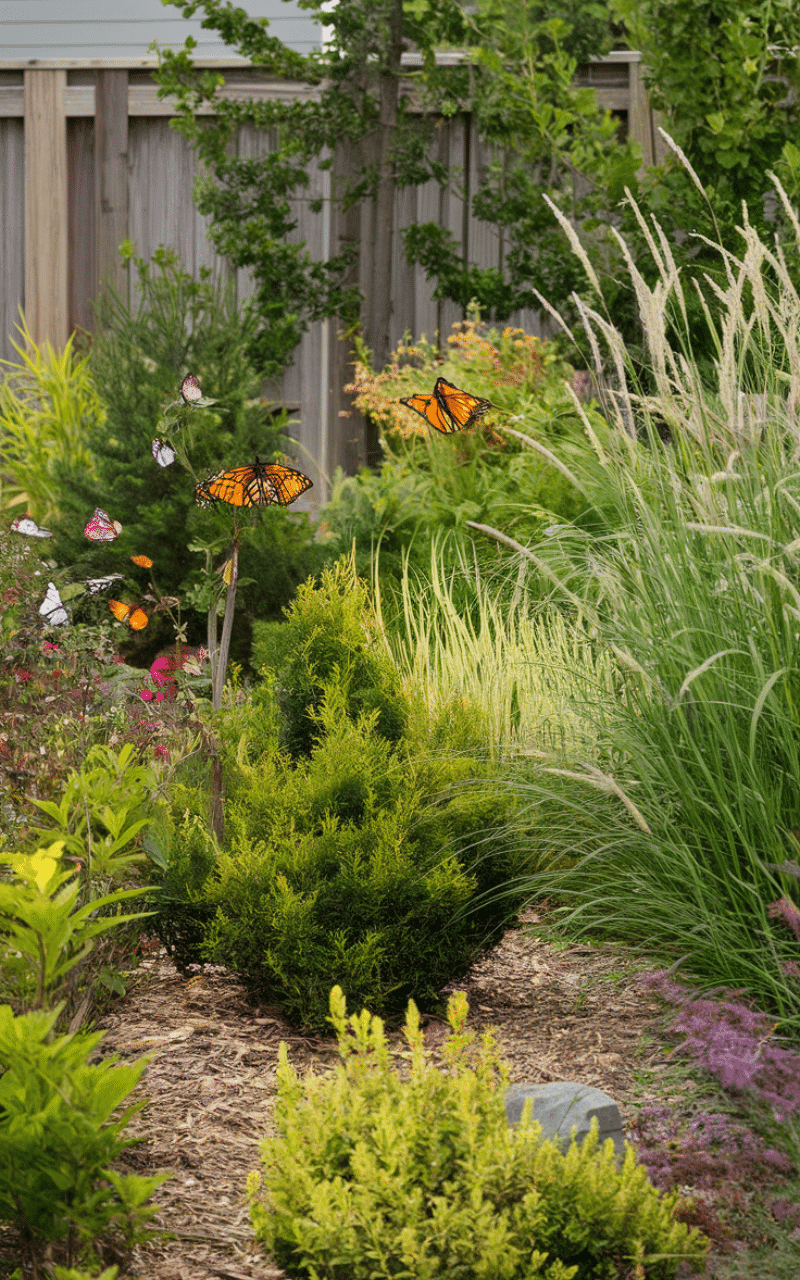
Butterflies need protection from wind, rain, and predators. Including shrubs, trees, and tall grasses offers natural shelter and safe resting areas.
Butterfly Garden Ideas: Plant clusters of native shrubs like butterfly bush or small evergreens to create windbreaks and secluded perches.
5. Add Water and Mud Puddles
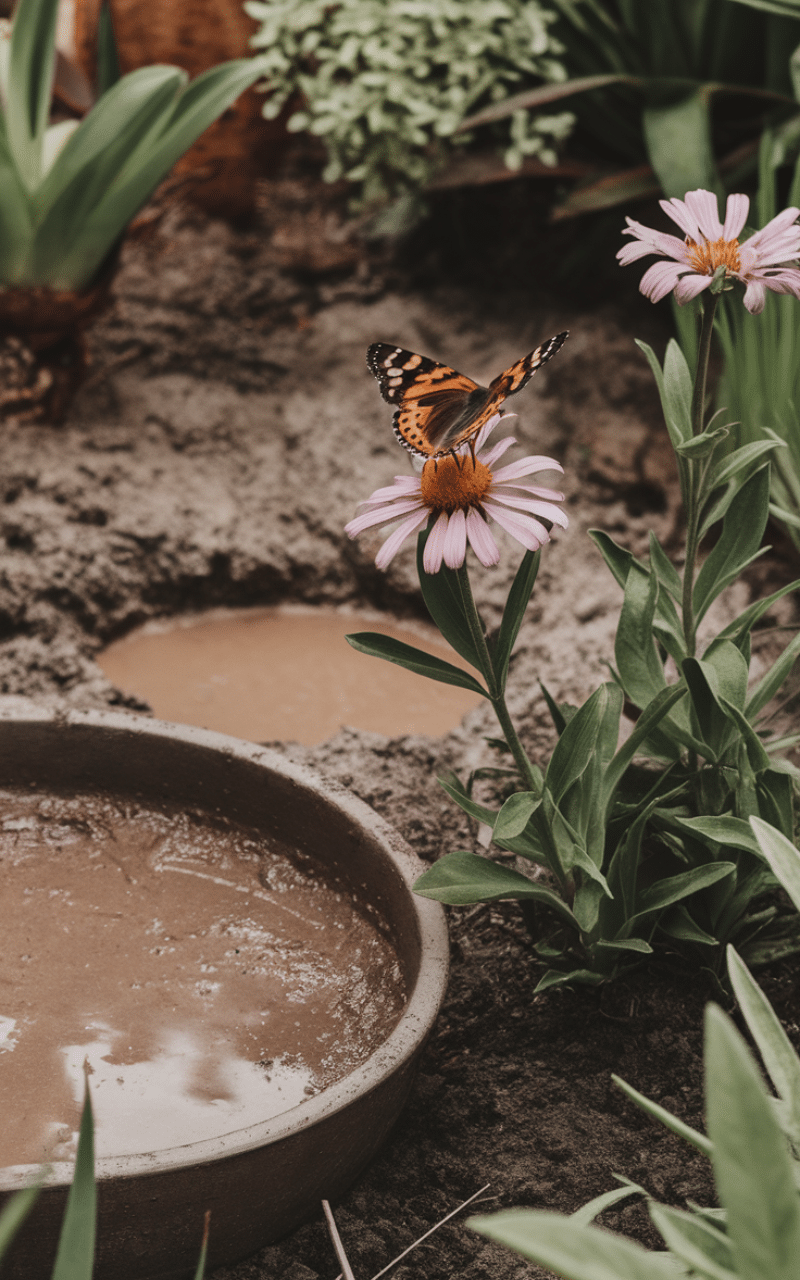
Butterflies need water and minerals, often obtained from damp soil or puddles. This “puddling” behavior helps them maintain health and reproduction.
Butterfly Garden Ideas: Install shallow dishes with wet sand, or create small mud puddles in sunny spots for easy butterfly access.
4. Avoid Pesticides and Chemicals
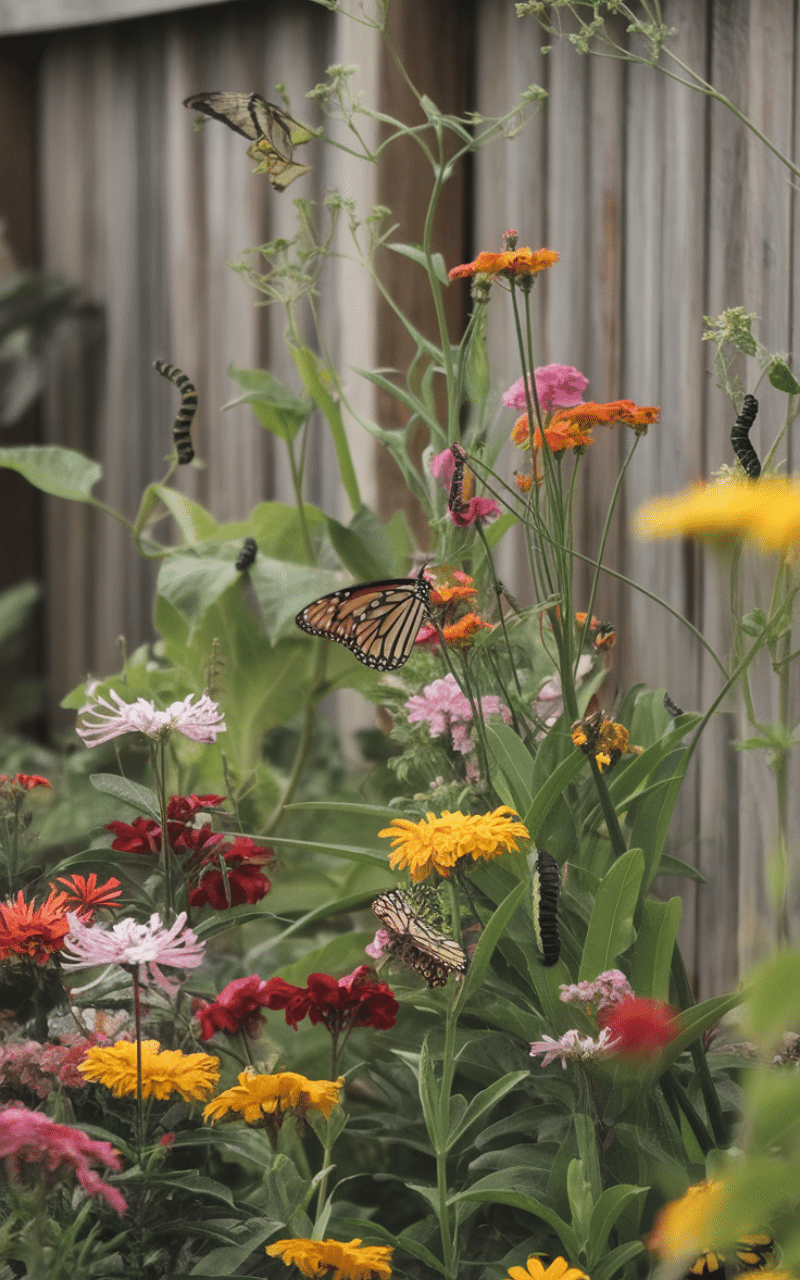
Chemical treatments harm butterflies and caterpillars. Maintaining a chemical-free environment encourages natural growth and biodiversity.
Butterfly Garden Ideas: Use organic pest management, companion planting, and beneficial insects like ladybugs instead of insecticides.
3. Incorporate Diversity in Plant Structure
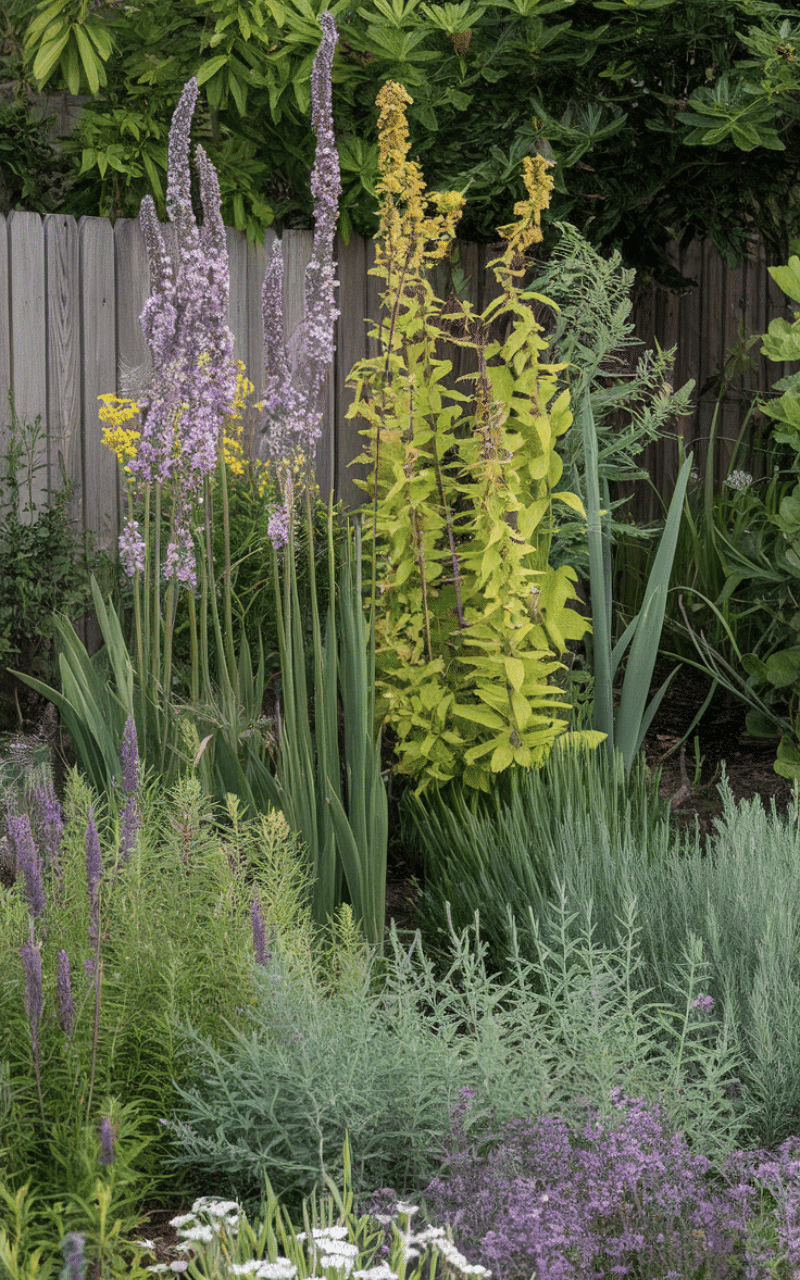
A mix of plant heights, textures, and bloom types provides butterflies with feeding, resting, and egg-laying options, making the garden more attractive and functional.
Butterfly Garden Ideas: Layer tall flowering perennials with mid-height shrubs and low groundcovers to create a rich, three-dimensional habitat.
2. Provide Overwintering Opportunities
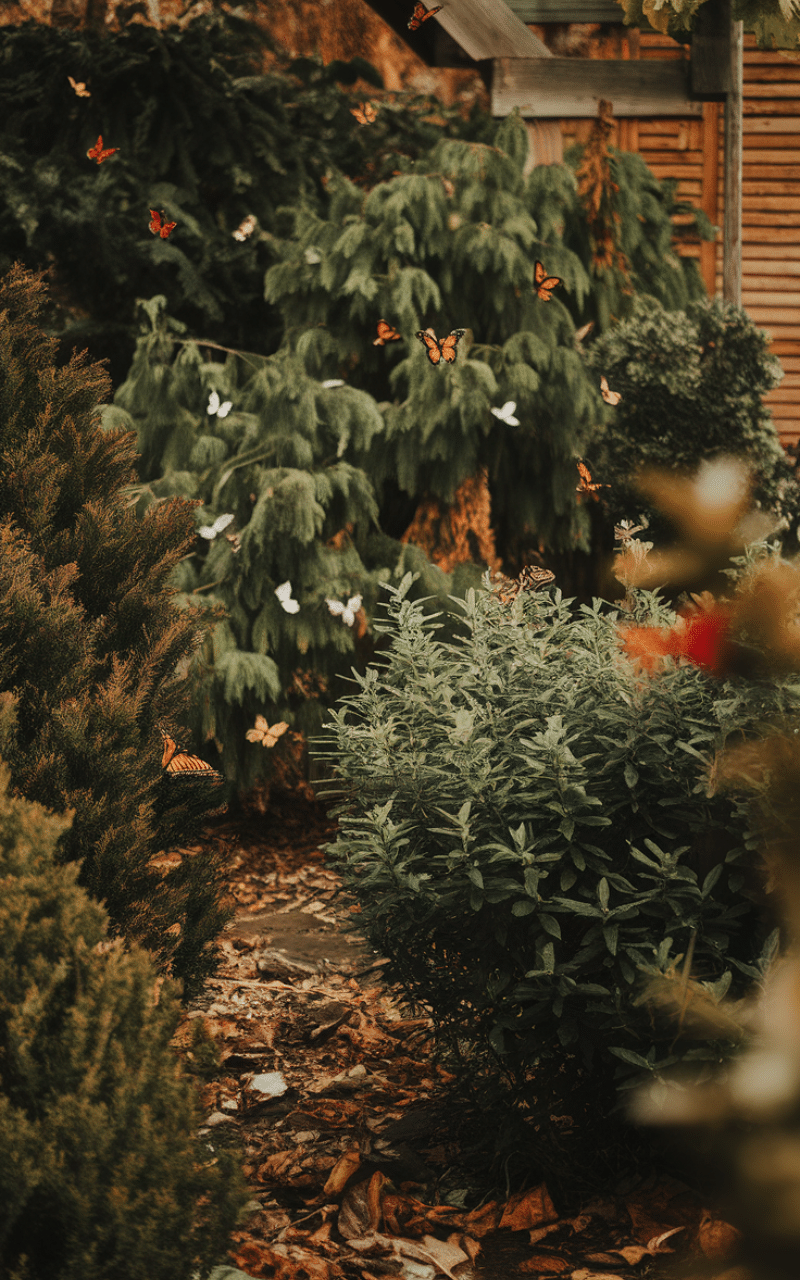
Butterflies need safe locations to overwinter as eggs, larvae, pupae, or adults. Preparing winter habitats ensures species return the next season.
Butterfly Garden Ideas: Leave leaf litter, plant evergreen shrubs, and avoid cutting back all vegetation in late fall.
1. Encourage Continuous Observation and Maintenance
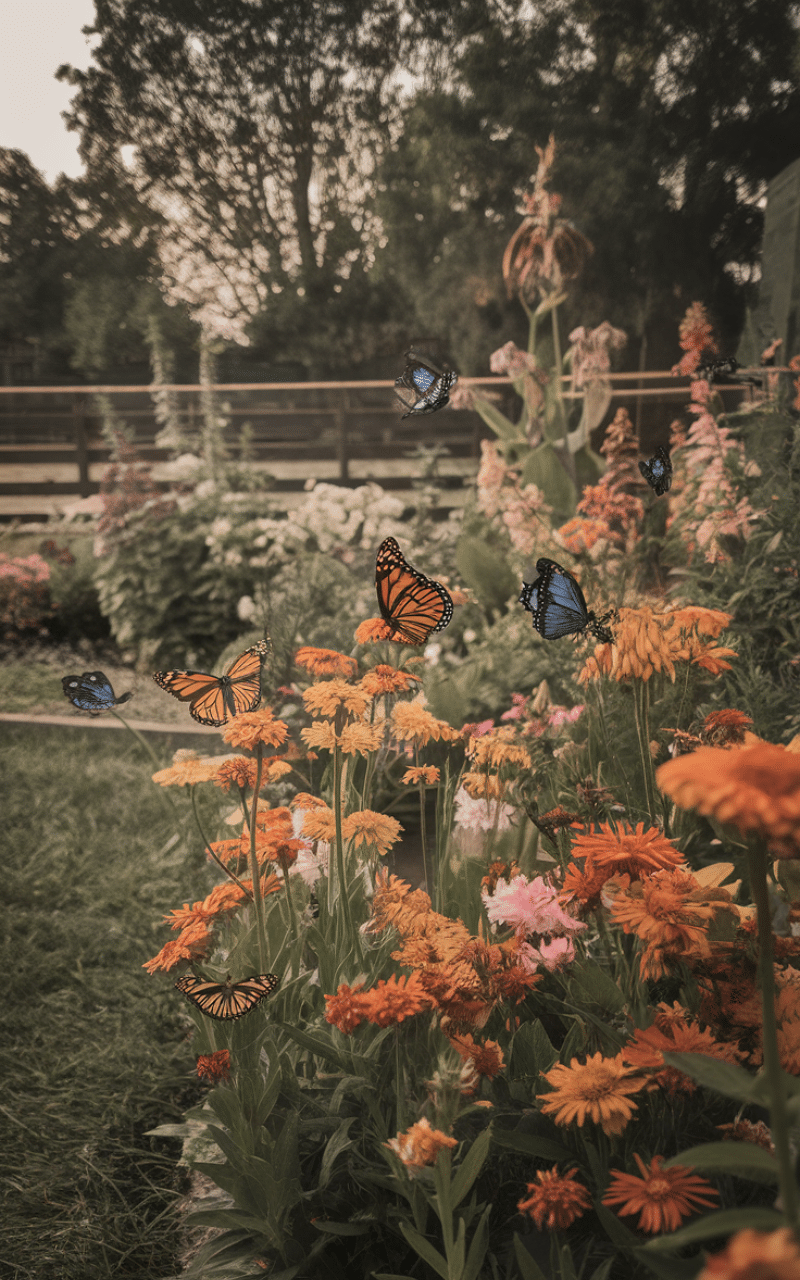
Monitoring plant health, bloom succession, and butterfly activity helps maintain a thriving garden. Regular care ensures your butterfly garden remains balanced and inviting.
Butterfly Garden Ideas: Record butterfly sightings, prune dead stems, and replace spent blooms to sustain long-term success.
Conclusion
By following these 10 basic principles, gardeners can create a thriving butterfly habitat that supports biodiversity, enhances natural beauty, and provides ongoing joy throughout the seasons. A well-planned butterfly garden attracts multiple species, ensures caterpillar survival, and transforms any outdoor space into a colorful, lively ecosystem.
Enjoyed this post?
Share the love with another mom!
Every share helps this little blog grow — thank you so much