
Make sure to join my list for Weekly Tips and Recipes to Your Inbox
14 Shade Loving Shrubs: The Best Bushes to Plant Under Trees

A little note: Some images in this post may come from third-party sources and are shared purely to inspire you. All credit goes to their original creators. Visit our Image Credits Policy for more information.
I bought this house last year and immediately ran into a problem: the left side of the property was covered with severely overgrown shrubs on a steep hill.
Cutting back a lot of them revealed a tangle of dead brush underneath, and I wasn’t sure how to “finish” the job without creating erosion issues or losing the natural protection these shrubs provided. It was overwhelming, especially as someone with zero landscaping experience.
That’s when I realized the importance of choosing the right shrub plants to thrive under trees.
As I researched, I discovered that the right shrubs can turn a chaotic, overgrown space into a functional garden. For erosion-prone hills and native thorny bushes provide stability while deterring intruders naturally.
Options like Osage orange and native hawthorn combine practicality with aesthetic appeal. Pruning carefully in the fall, leaving some of the existing shrubs as protection, and planning on paper where new plantings should go ensures that the space doesn’t just recover, it flourishes.
Ultimately, tackling overgrown shrubs isn’t about clearing everything at once; it’s about strategic selection, phased pruning, and planting resilient varieties that serve multiple purposes. By combining thorny or sticky shrubs along property lines and shade-loving varieties under trees, the yard becomes both safe and visually appealing.
For added inspiration, we also have an article on 15 Brilliant Recycled Garden Trellis Ideas, which pairs beautifully with shrub planting to create structure, height, and visual interest throughout the garden.
What We're Exploring
- 01 14. Azalea (Rhododendron spp.)
- 02 13. Hydrangea (Hydrangea macrophylla & quercifolia)
- 03 12. Camellia (Camellia japonica)
- 04 11. Boxwood (Buxus spp.)
- 05 10. Yew (Taxus spp.)
- 06 9. Rhododendron (Rhododendron spp.)
- 07 8. Pieris (Pieris japonica)
- 08 7. Mahonia (Mahonia aquifolium)
- 09 6. Fothergilla (Fothergilla gardenii)
- 10 5. Spirea (Spiraea japonica & S. thunbergii)
- 11 4. Viburnum (Viburnum spp.)
- 12 3. Hellebore (Helleborus spp.)
- 13 2. Leucothoe (Leucothoe fontanesiana)
- 14 1. Sweet Box (Sarcococca spp.)
- 15 Conclusion
14. Azalea (Rhododendron spp.)
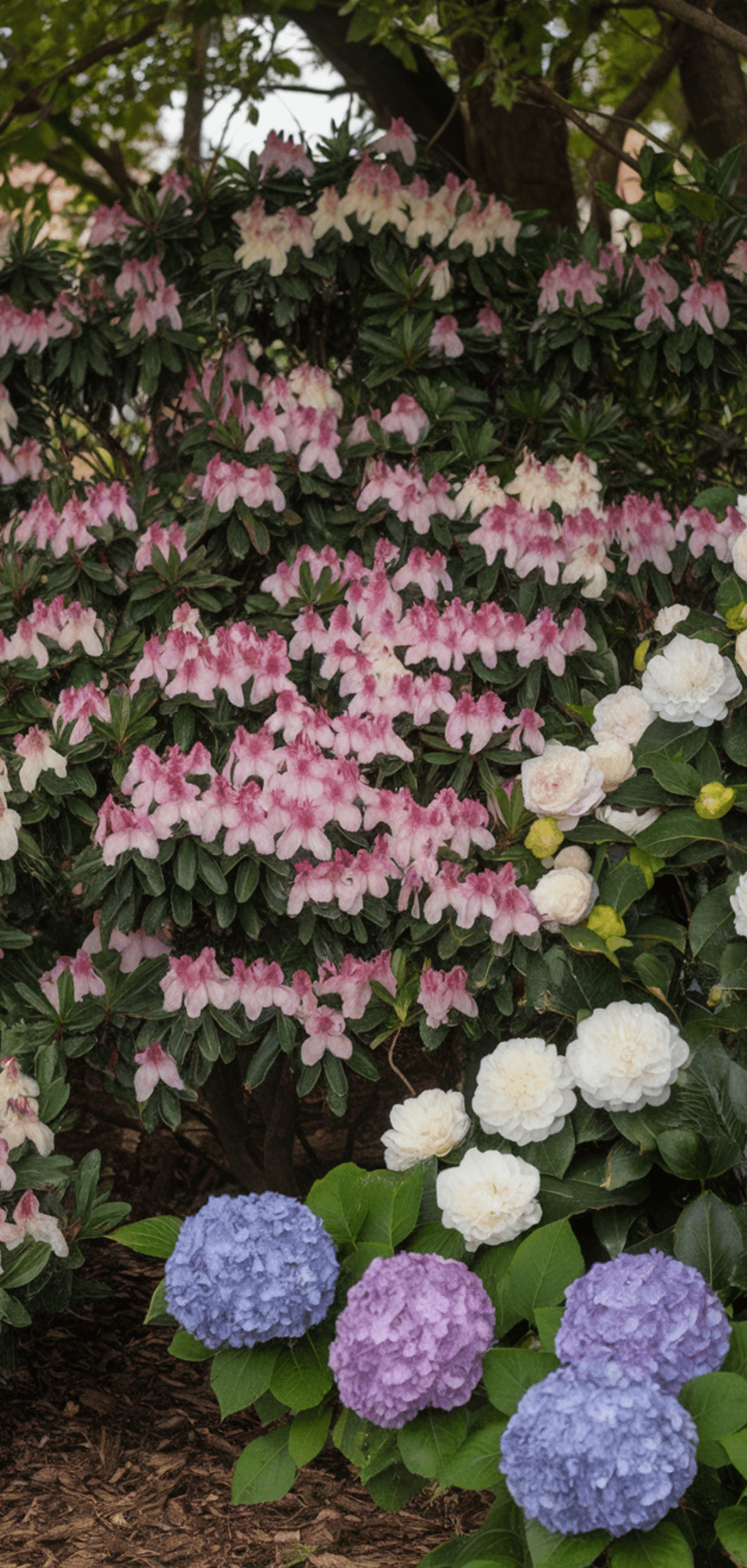
Azaleas are classic shade shrubs that thrive under dappled light. They bloom profusely in spring with vibrant pink, red, white, or purple flowers. They prefer acidic, well-draining soil enriched with organic matter.
Shrubs Tip: Mulch heavily to retain moisture and protect roots from summer heat.
13. Hydrangea (Hydrangea macrophylla & quercifolia)
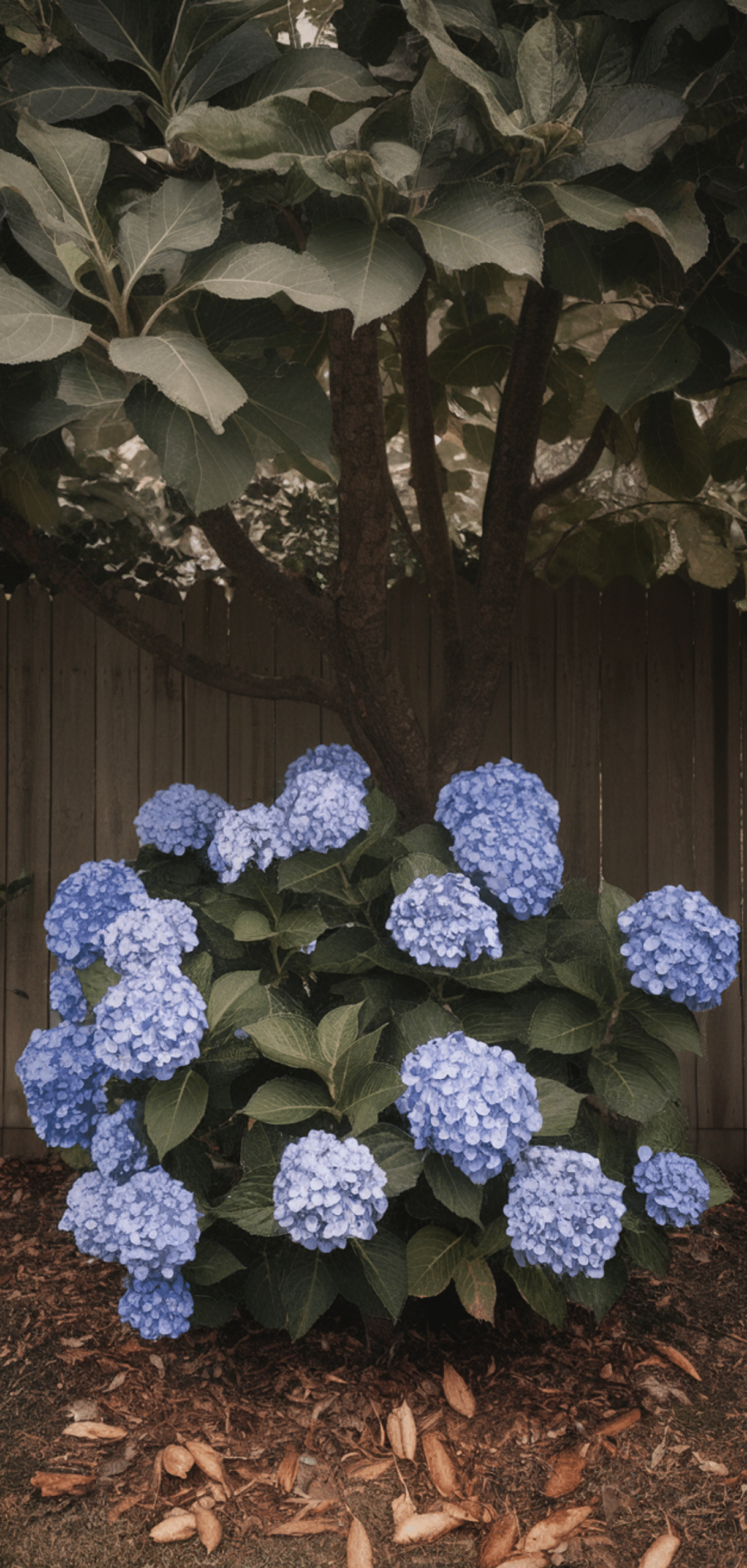
Hydrangeas perform well in partial shade, producing large clusters of blooms ranging from soft pastels to bold blues and purples. Oakleaf and mophead varieties are particularly suited for shaded garden beds.
Shrubs Tip: Prune immediately after flowering to shape and encourage new growth.
12. Camellia (Camellia japonica)
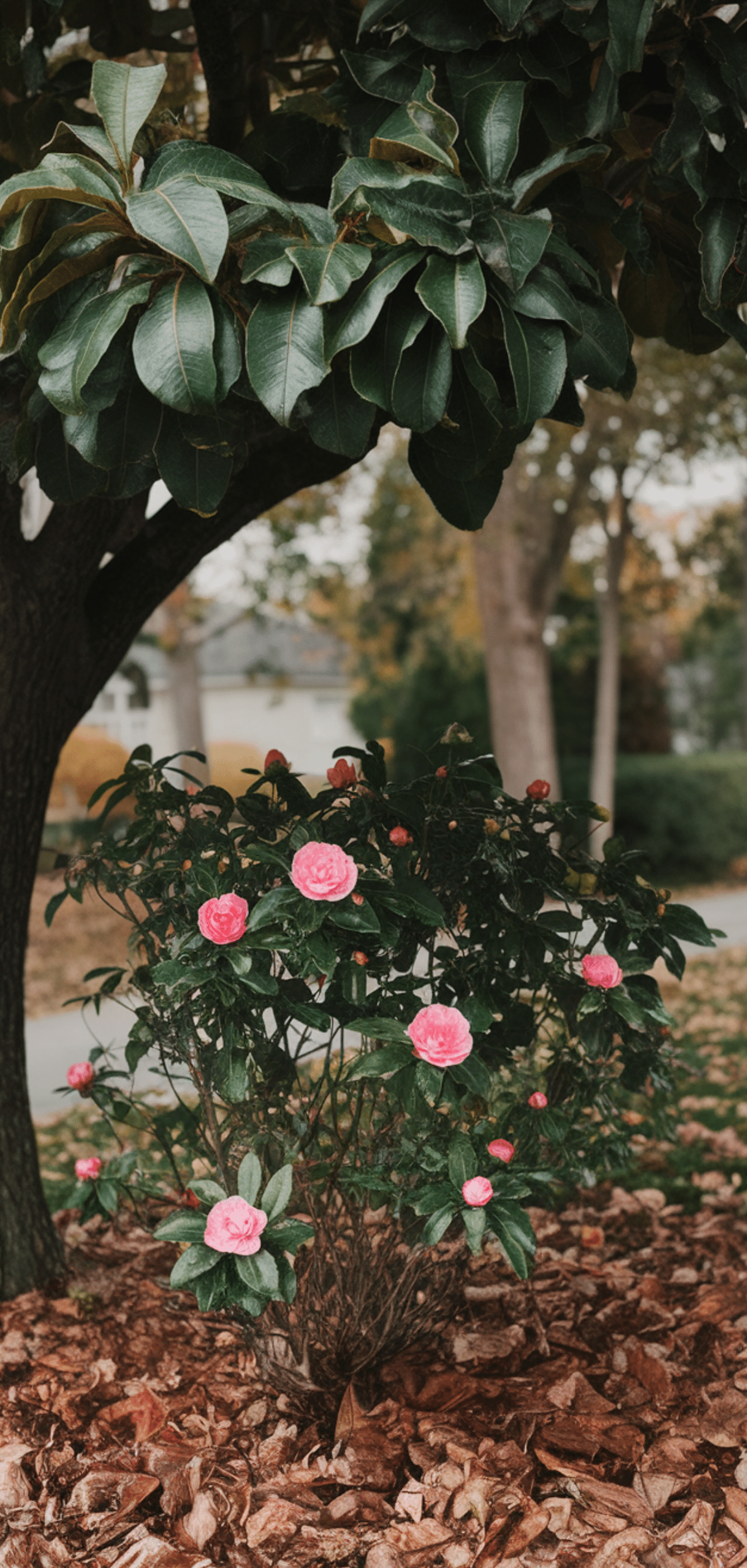
Camellias thrive in shaded, sheltered areas. They offer glossy evergreen foliage and striking winter-to-spring blooms in red, pink, or white. Acidic, moist soil is ideal.
Shrubs Tip: Avoid transplanting in extreme temperatures; spring or fall is best.
11. Boxwood (Buxus spp.)
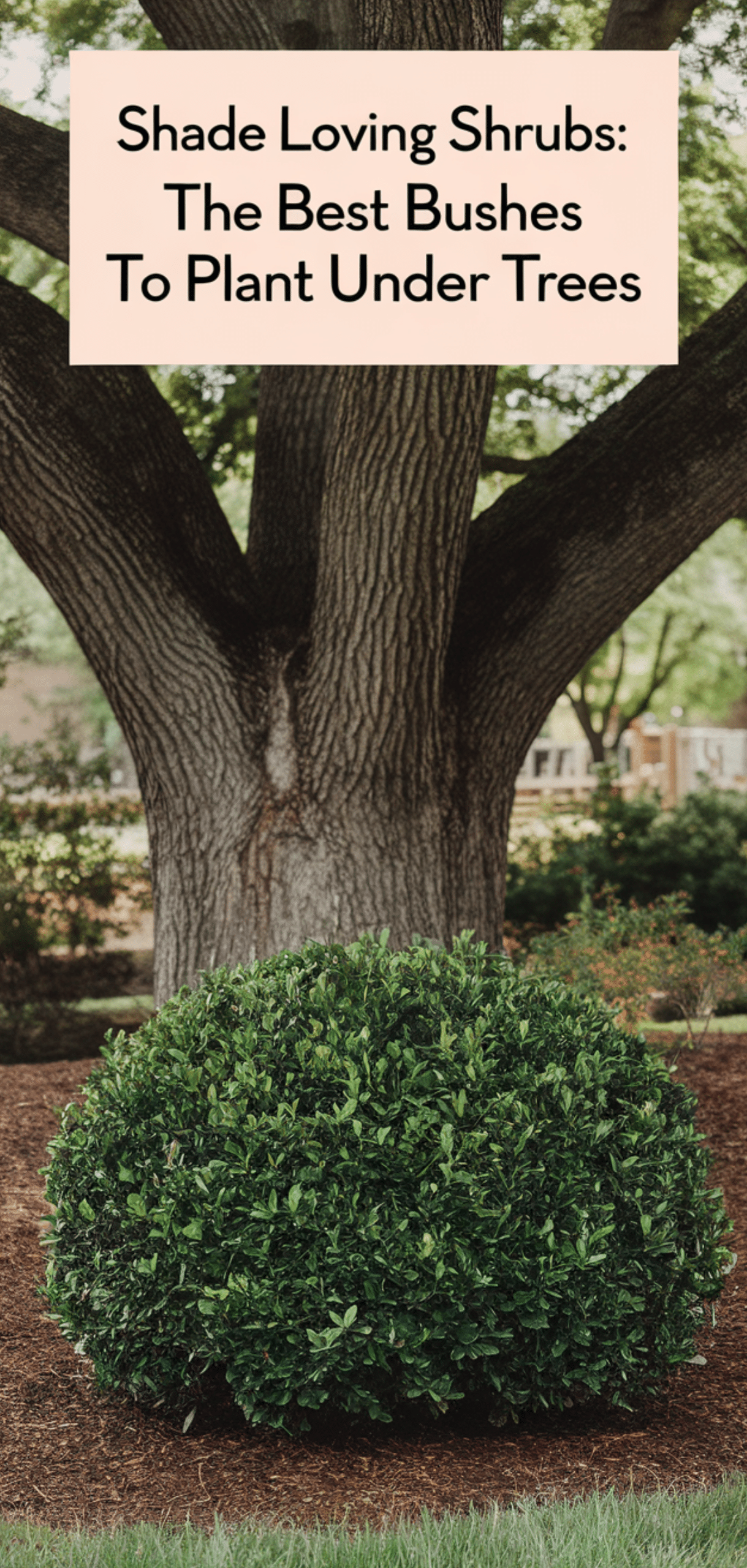
Boxwood is an evergreen shrub perfect for structured under-tree plantings. It tolerates deep shade and can be shaped for formal hedges or left natural for soft greenery.
Shrubs Tip: Regular trimming encourages dense growth and prevents legginess.
10. Yew (Taxus spp.)
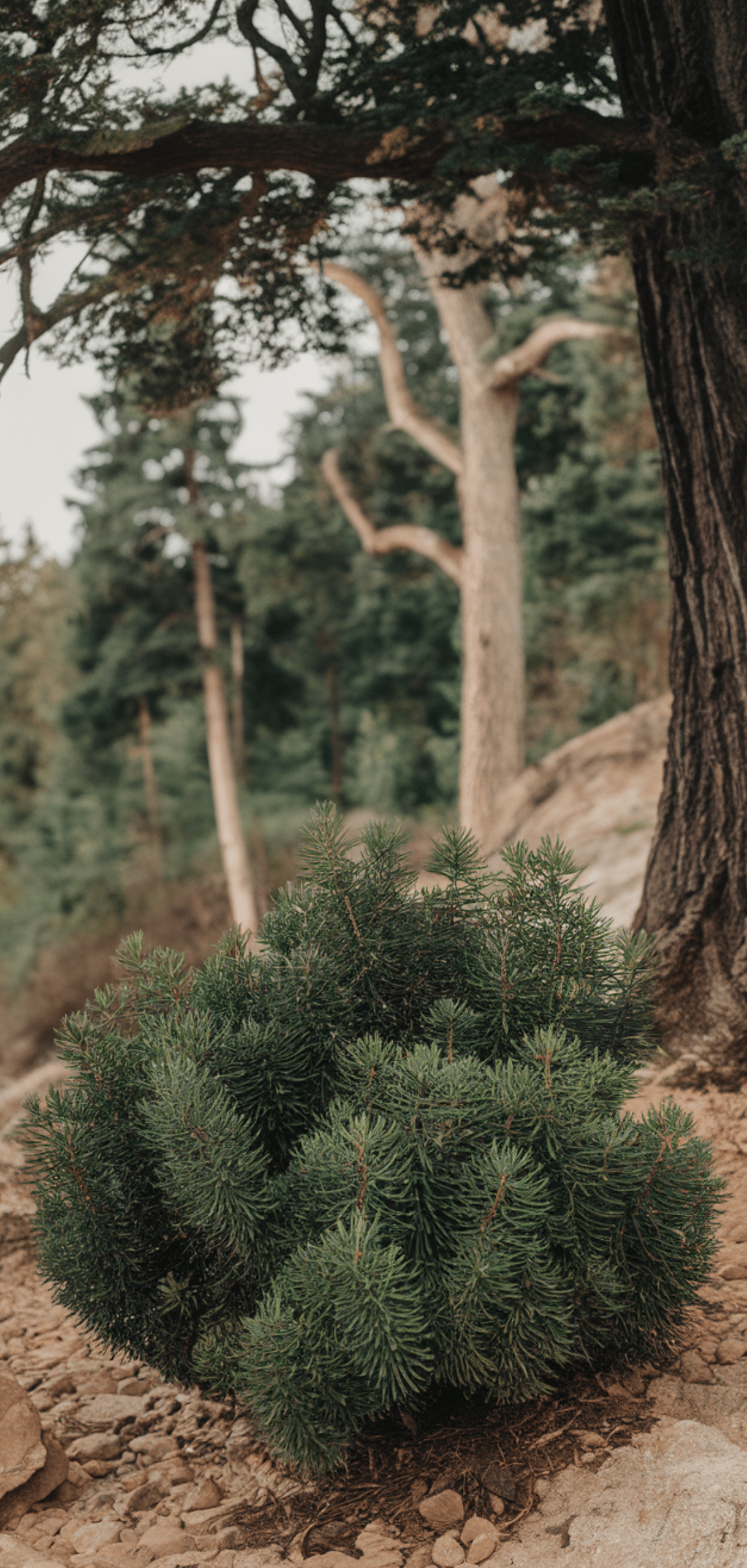
Yews are versatile evergreens that flourish in deep shade. Slow-growing and long-lived, they provide year-round structure and dark green foliage that contrasts beautifully with flowering perennials.
Shrubs Tip: Ensure well-drained soil; avoid waterlogged conditions.
9. Rhododendron (Rhododendron spp.)
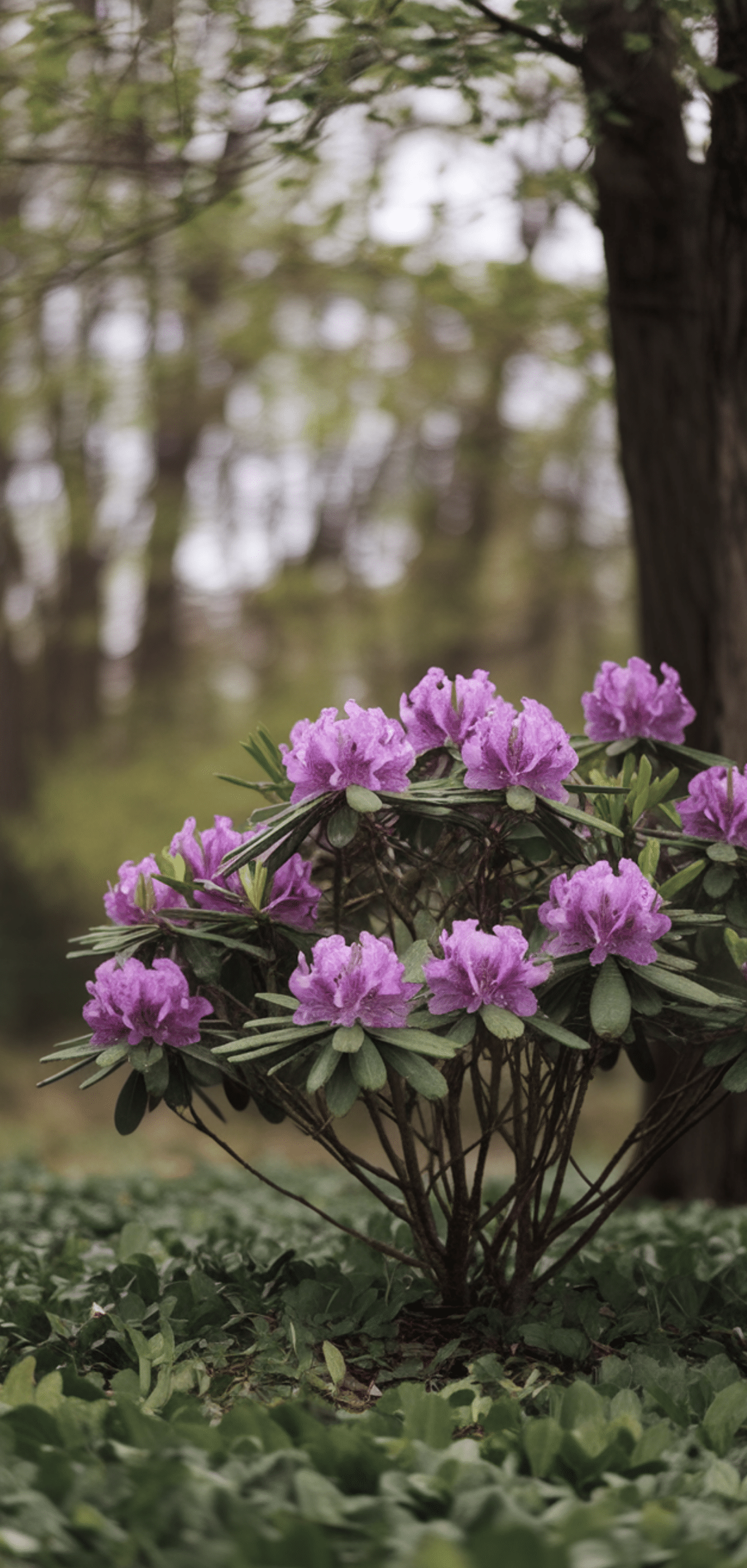
Rhododendrons excel under trees with partial shade, offering large evergreen leaves and spectacular blooms in spring. They prefer acidic, humus-rich soil.
Tip: Mulch with pine bark or needles to maintain acidity and moisture.
8. Pieris (Pieris japonica)
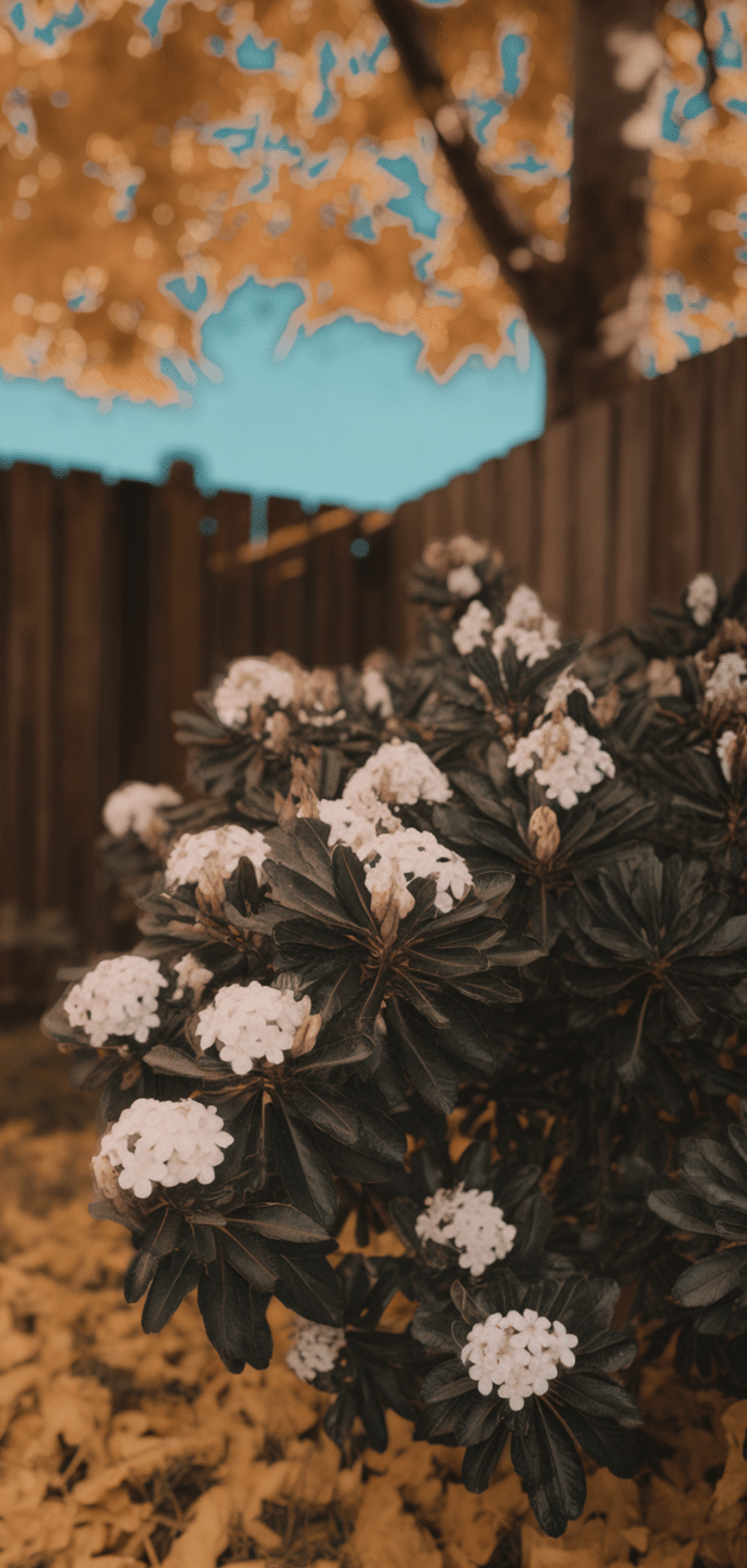
Pieris, or Japanese andromeda, provides cascading clusters of white or pink flowers in early spring. Its evergreen foliage offers year-round interest and tolerance for partial to full shade.
Tip: Fertilize in early spring with an acid-loving plant fertilizer.
7. Mahonia (Mahonia aquifolium)
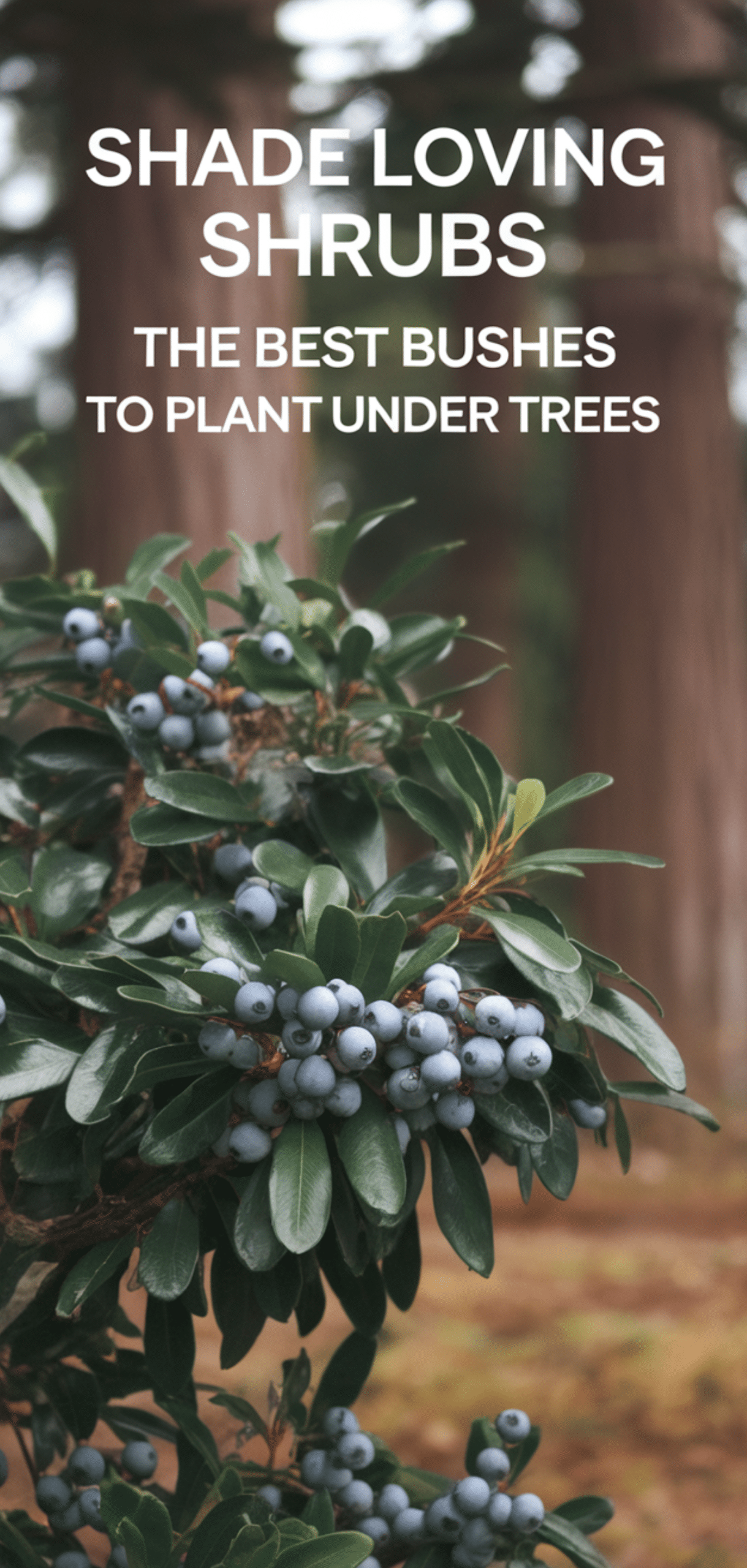
Oregon grape or Mahonia has glossy, holly-like foliage and vibrant yellow flowers in late winter to early spring. Shade-tolerant and deer-resistant, it thrives in woodland conditions.
Tip: Mulch and keep soil evenly moist; avoid harsh sun exposure.
6. Fothergilla (Fothergilla gardenii)
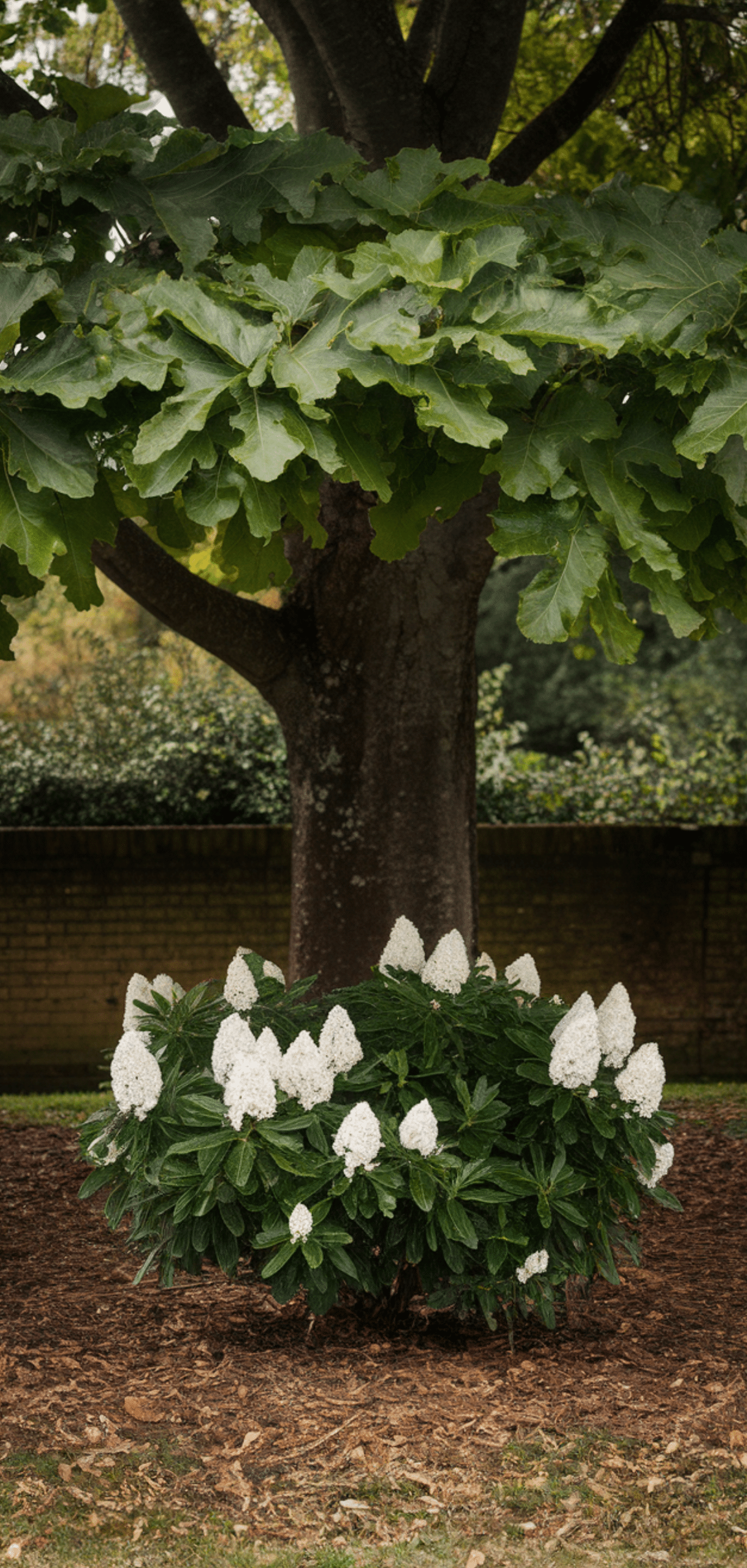
Fothergilla is a deciduous shrub with fragrant bottlebrush-like flowers and spectacular fall foliage in red, orange, and yellow. It thrives in partial shade with well-draining soil.
Tip: Plant in soil enriched with compost to support healthy root development.
5. Spirea (Spiraea japonica & S. thunbergii)
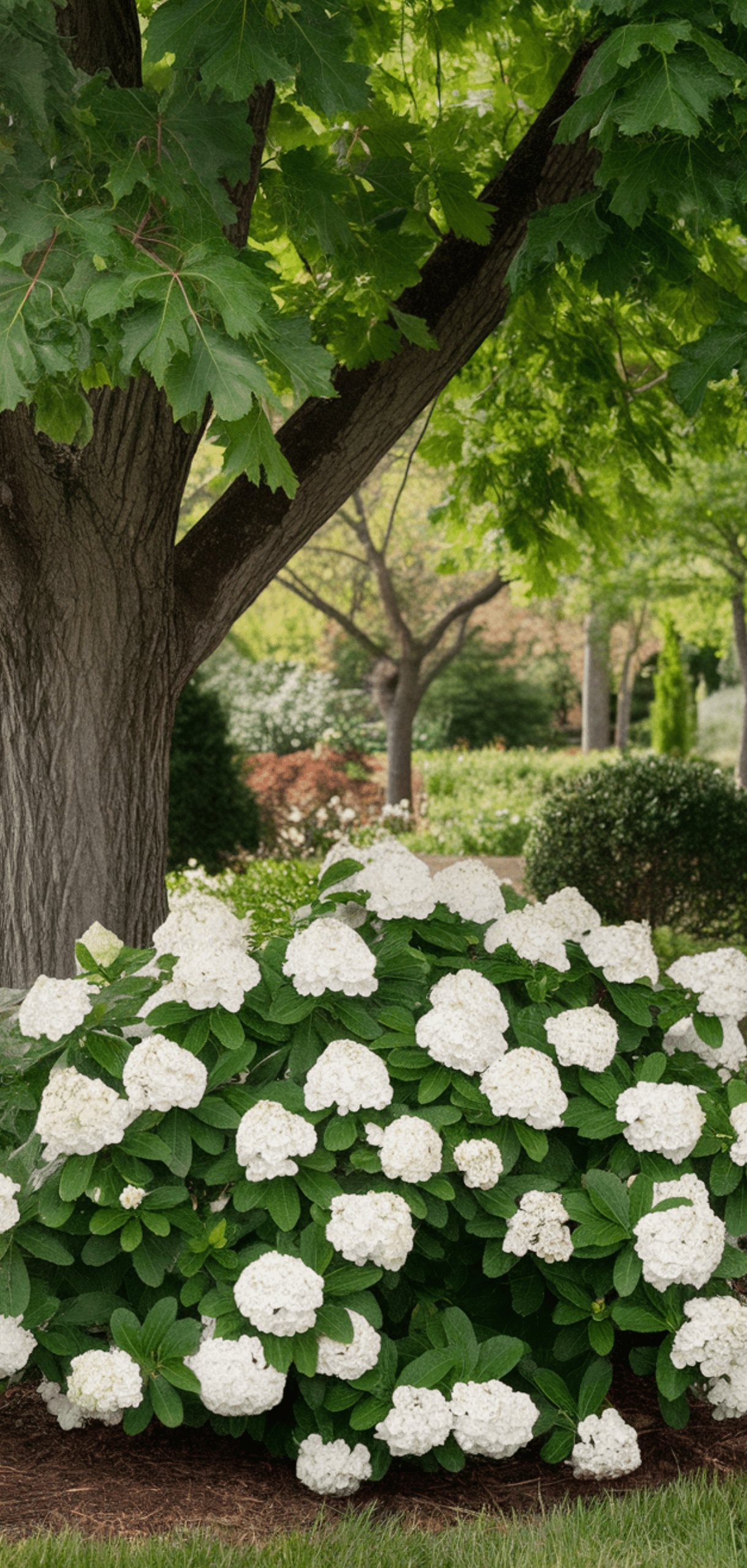
Spirea tolerates partial shade while providing clusters of small flowers in pink, white, or red. Low-maintenance and hardy, it adds seasonal color under trees.
Tip: Prune after flowering to encourage bushier growth and extended blooms.
4. Viburnum (Viburnum spp.)
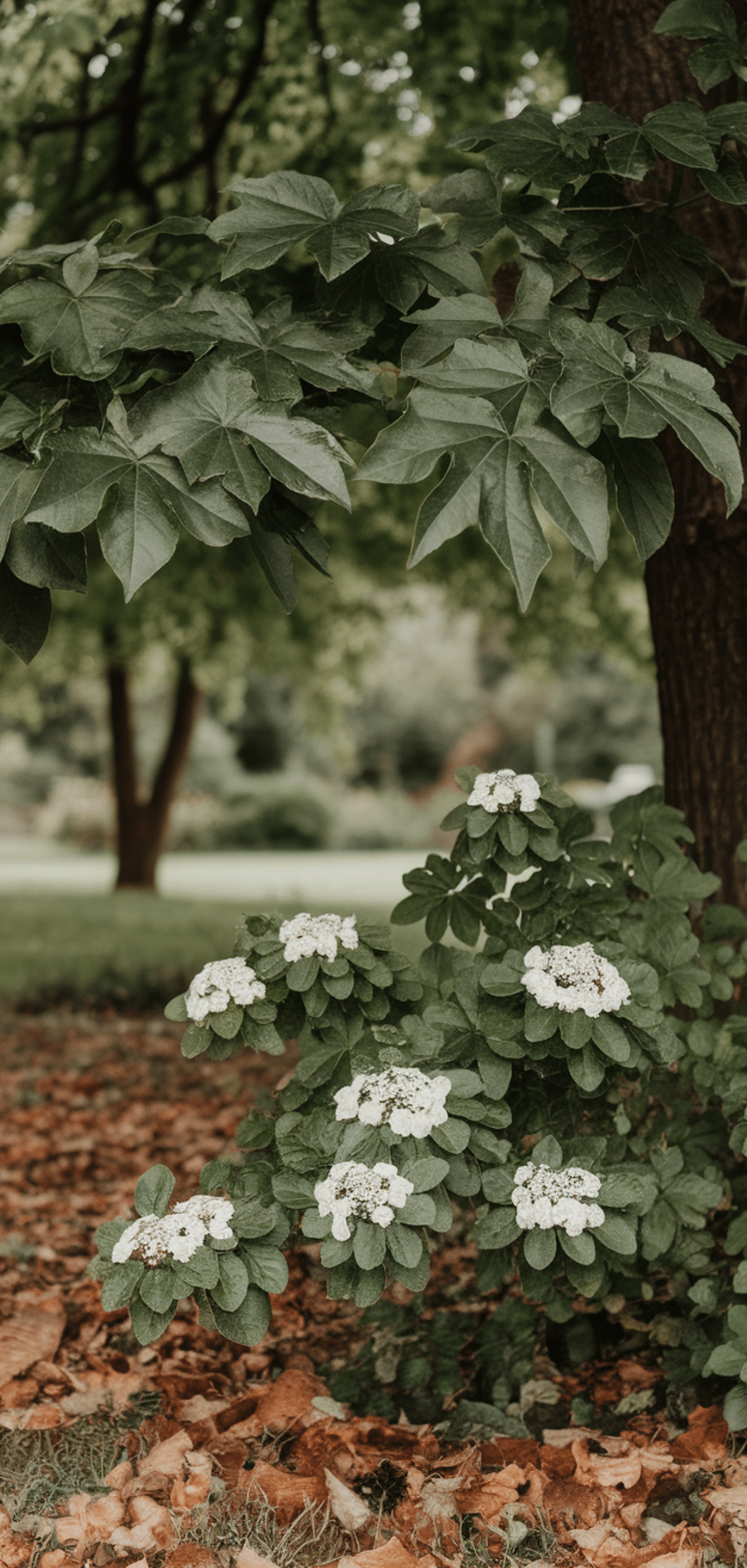
Viburnums are versatile shade shrubs producing flowers, fruit, and seasonal foliage. They thrive in partial shade and well-drained soil, making them excellent for under-tree planting.
Tip: Mulch to conserve moisture and remove spent flowers to encourage berries.
3. Hellebore (Helleborus spp.)
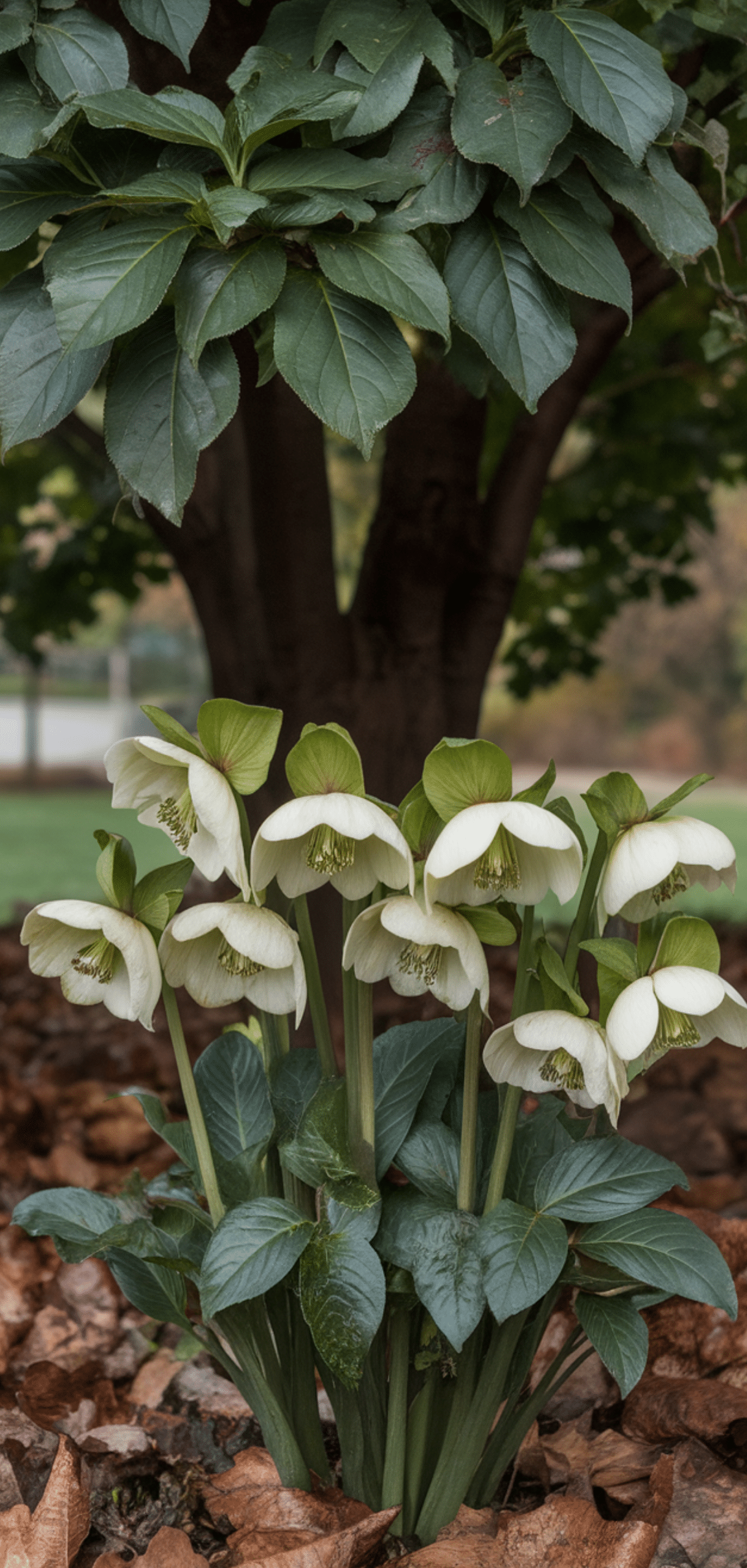
Hellebores are shade-loving perennials often used as shrubs for under-tree interest. They bloom in late winter or early spring, with nodding flowers in white, pink, green, or purple.
Tip: Protect roots with leaf mulch and remove old foliage to highlight blooms.
2. Leucothoe (Leucothoe fontanesiana)
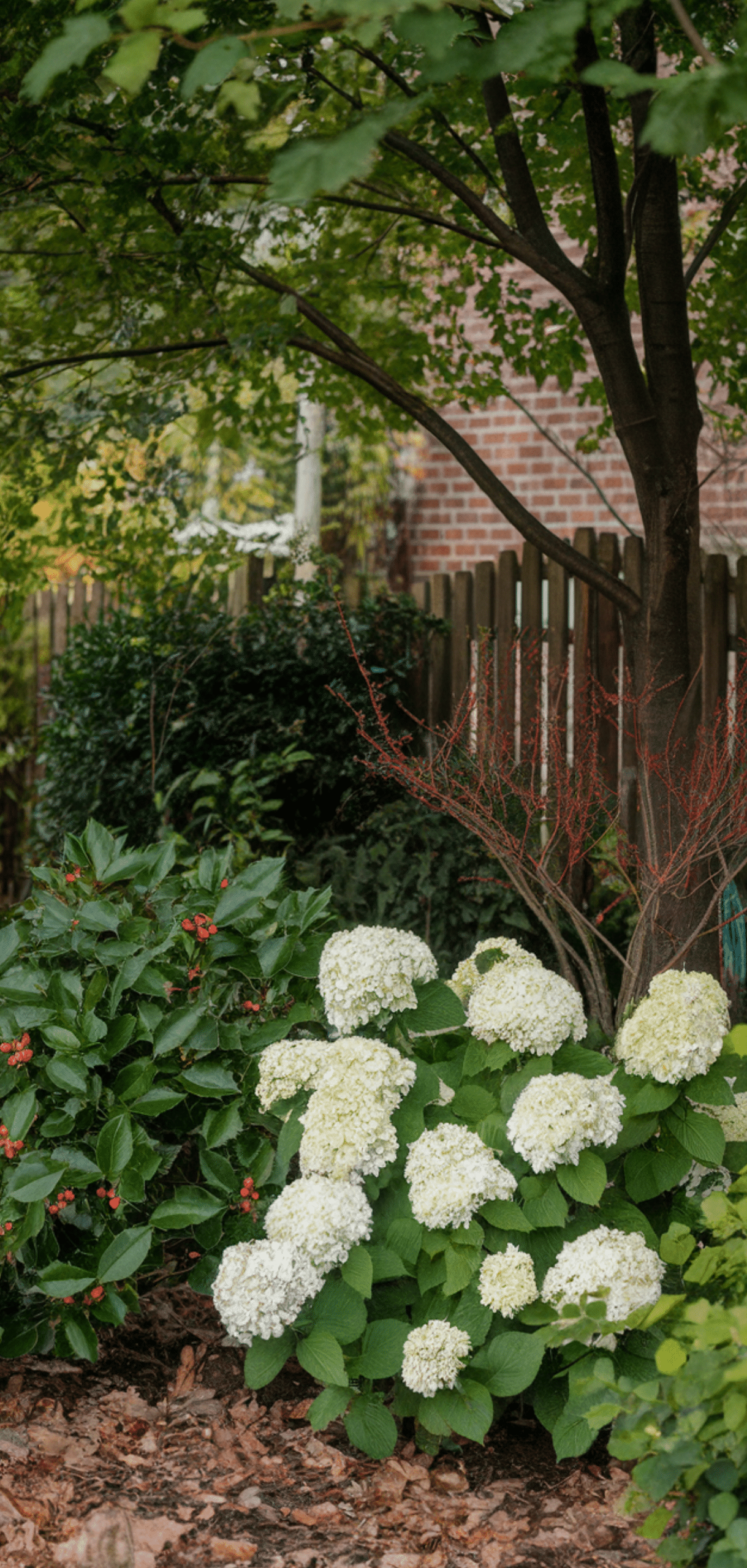
Leucothoe is an evergreen shrub with arching branches and glossy foliage that can turn red in fall. It thrives in shaded, moist conditions and woodland-style gardens.
Tip: Keep soil consistently moist and avoid heavy pruning.
1. Sweet Box (Sarcococca spp.)
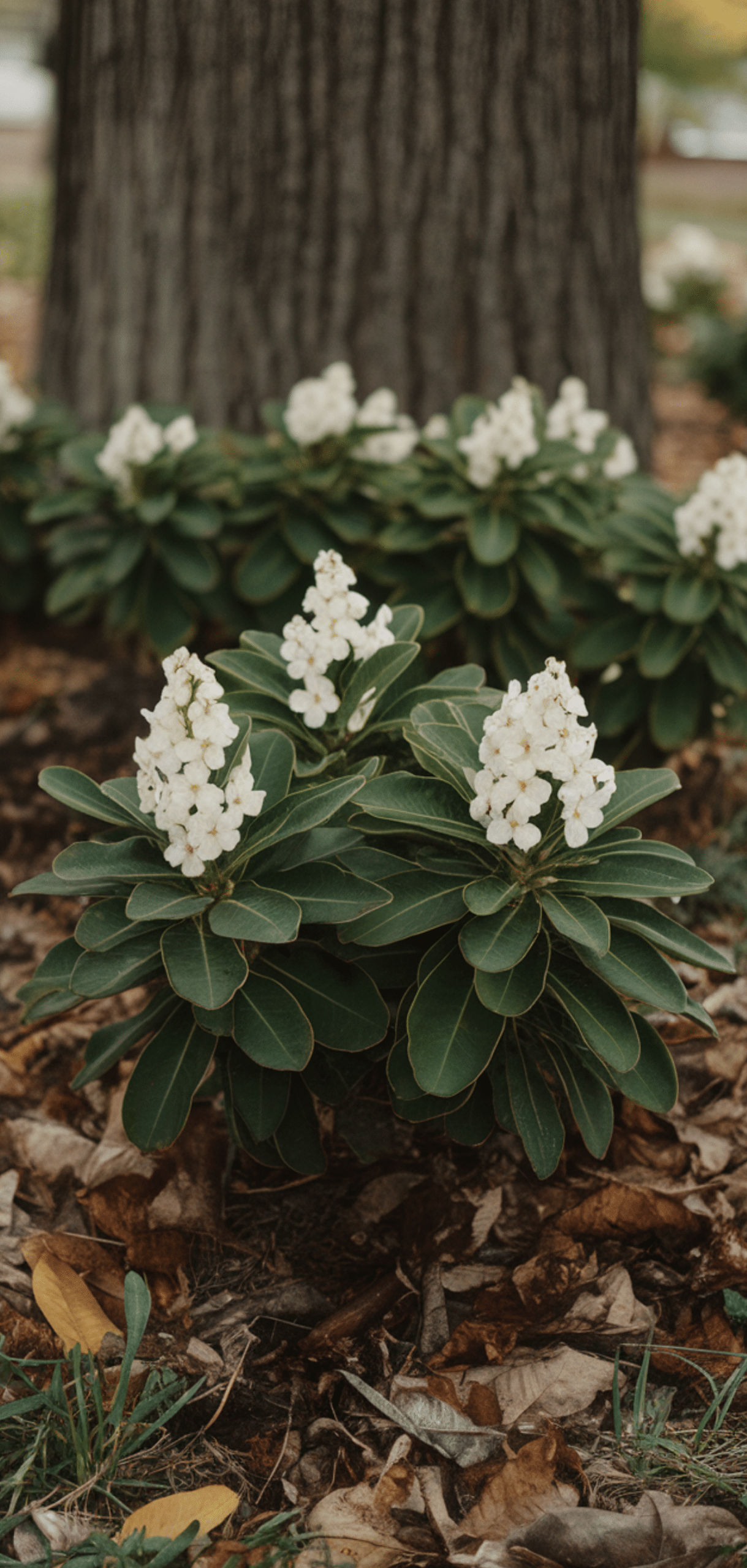
Sweet Box is an evergreen shrub that thrives in deep shade, producing small but fragrant winter flowers and glossy foliage year-round. Perfect for low-light areas beneath trees.
Tip: Plant near paths or entrances to enjoy its fragrance, and mulch to retain moisture.
Conclusion
By carefully selecting these shade-loving shrubs and following proper soil, watering, and pruning techniques, under-tree areas can become lush, visually appealing extensions of your garden, offering beauty year-round with minimal effort.
Enjoyed this post?
Share the love with another mom!
Every share helps this little blog grow — thank you so much