
Make sure to join my list for Weekly Tips and Recipes to Your Inbox
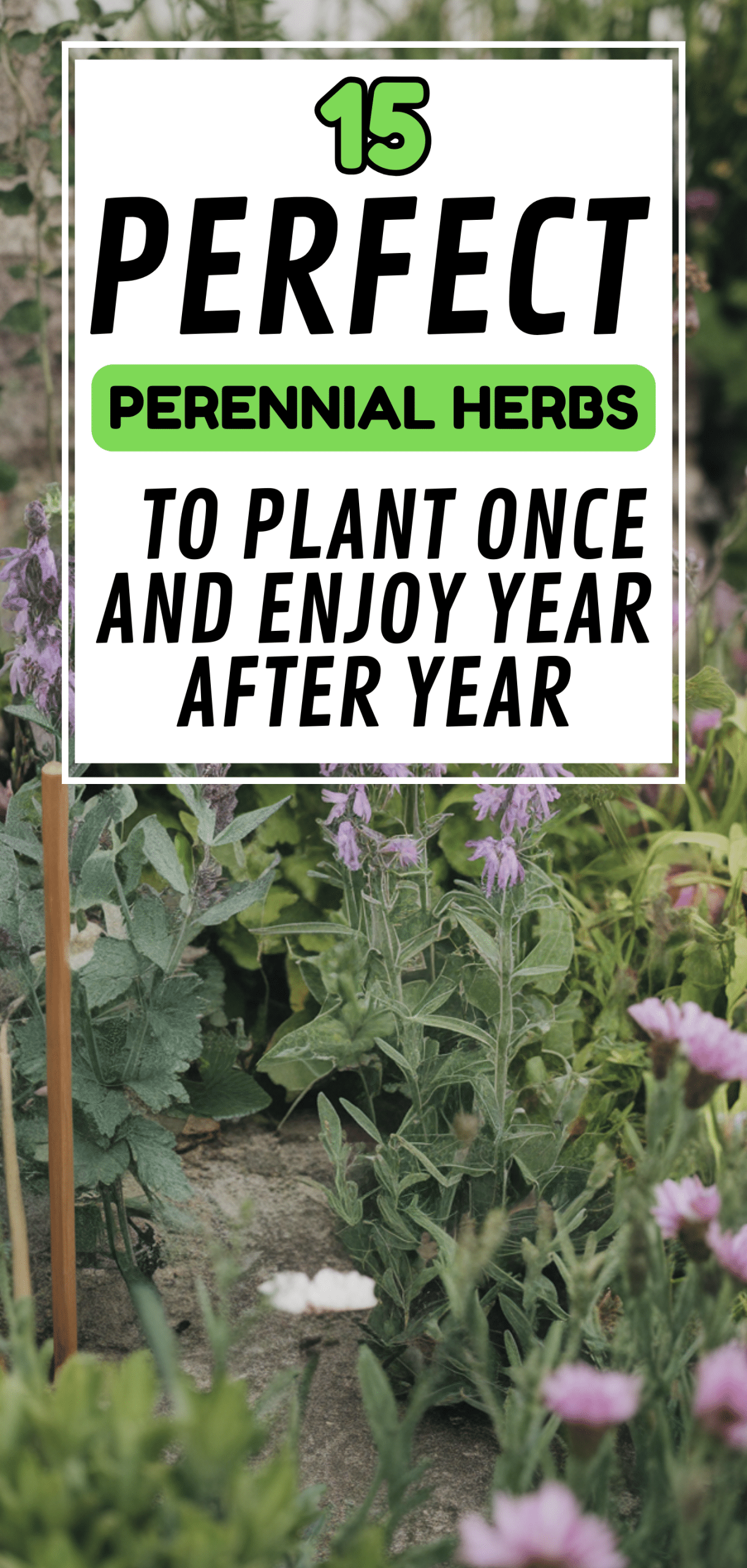
15 Perfect Perennial Herbs to Plant Once and Enjoy Year after Year

A little note: Some images in this post may come from third-party sources and are shared purely to inspire you. All credit goes to their original creators. Visit our Image Credits Policy for more information.
Starting a perennial herbs garden in the Twin Cities felt like a daunting challenge. I wanted more than just chives. I dreamed of a vibrant herb garden filled with cold-hardy Mediterranean varieties that could survive harsh winters.
The keyword perennial herbs defines the problem perfectly: finding herbs that come back year after year despite. My goal was a low-maintenance, thriving garden that would reward patience, but at first, the idea seemed almost wishful thinking.
The journey has been a mix of surprises and small victories. We have thyme and oregano that flourish here, and I remember the delight of seeing oregano green and lush under a blanket of snow a couple of years ago.
Some herbs, like French thyme, struggle and sometimes perish, while lemon thyme has survived several winters. Lovage, on the other hand, comes back strong every year, providing both flavor and beauty. Creeping thyme has become a fragrant ground cover between pathway stones, with pink blooms adding charm to the edges of the garden.
The key insight is that choosing the right perennial herbs for your climate and location turns what seems impossible into a garden that thrives almost effortlessly, and this is what I do.
Now, after years of experimentation, I have a collection of thyme, marjoram, oregano, sage, lemon thyme, and lovage that creates a self-sustaining herb garden.
I thin and transplant creeping thyme each spring and summer, expanding its presence across the garden while keeping it healthy and vigorous. Watching these perennial herbs progress through the seasons from delicate spring shoots to lush summer foliage and resilient winter survivors has been incredibly rewarding.
Starting seeds indoors, selecting cold-hardy varieties, and paying attention to sun exposure and soil conditions are the solutions that make this dream achievable. If you want to pair your herb garden with companion plants, check out my article on 13 Best Blueberry Companion Plants, which highlights how thoughtful plant selection can create a thriving, productive, and beautiful garden ecosystem.
What We're Exploring
- 01 15. Anise Hyssop (Agastache foeniculum)
- 02 14. Fennel (Foeniculum vulgare)
- 03 13. Angelica (Angelica archangelica)
- 04 12. Roman Chamomile (Chamaemelum nobile)
- 05 11. Winter Savory (Satureja montana)
- 06 10. Lovage (Levisticum officinale)
- 07 9. Chervil (Anthriscus cerefolium)
- 08 8. Lemon Balm (Melissa officinalis)
- 09 7. Mint (Mentha spp.)
- 10 6. Tarragon (Artemisia dracunculus)
- 11 5. Lavender (Lavandula angustifolia)
- 12 4. Sage (Salvia officinalis)
- 13 3. Thyme (Thymus vulgaris)
- 14 2. Oregano (Origanum vulgare)
- 15 1. Chives (Allium schoenoprasum)
- 16 Conclusion
15. Anise Hyssop (Agastache foeniculum)
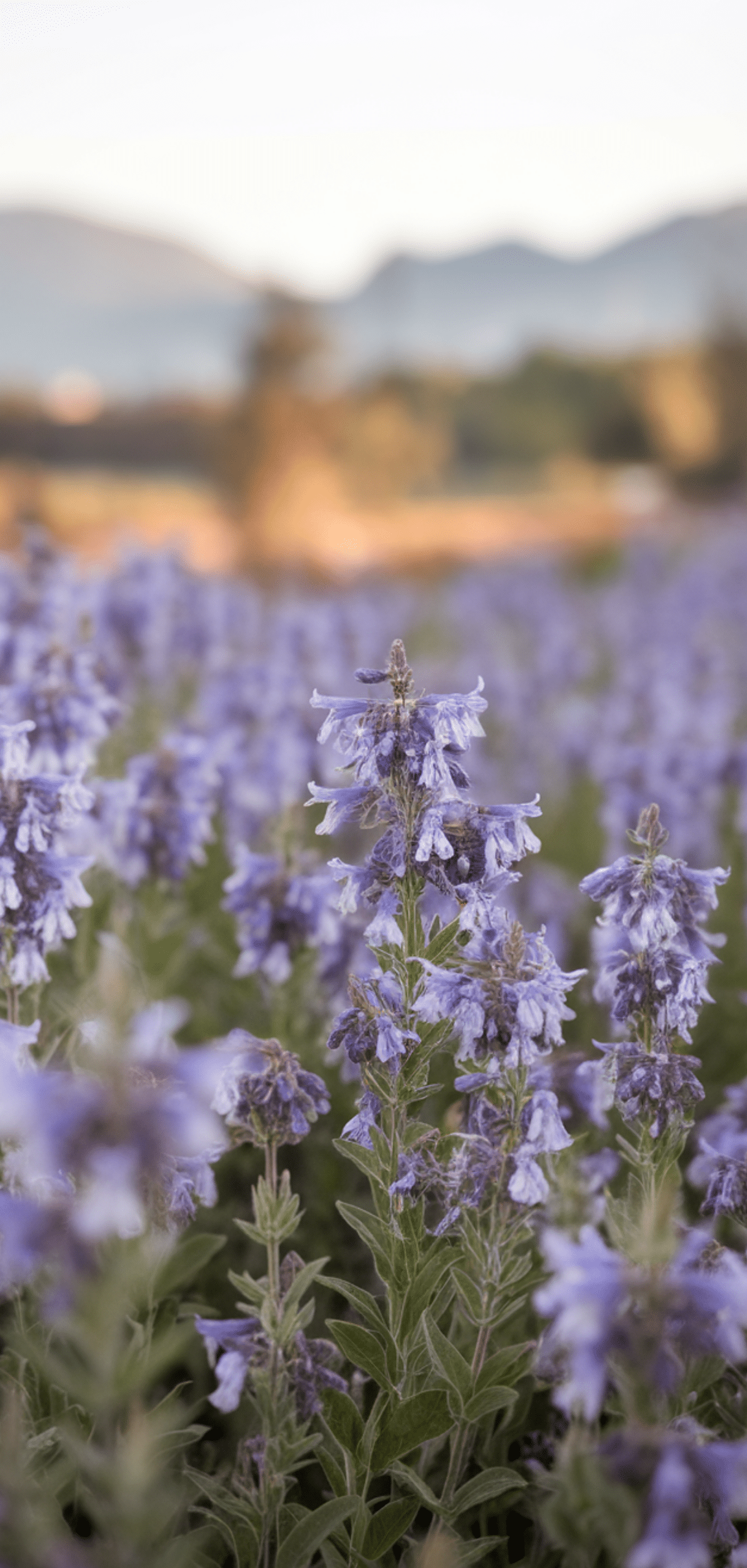
Anise Hyssop thrives in full sun and well-drained, fertile soil. It is moderately drought-tolerant once established. Snip leaves and flowers as needed, ideally before flowering for the best flavor. Its aromatic foliage attracts pollinators and enhances the garden’s beauty.
14. Fennel (Foeniculum vulgare)
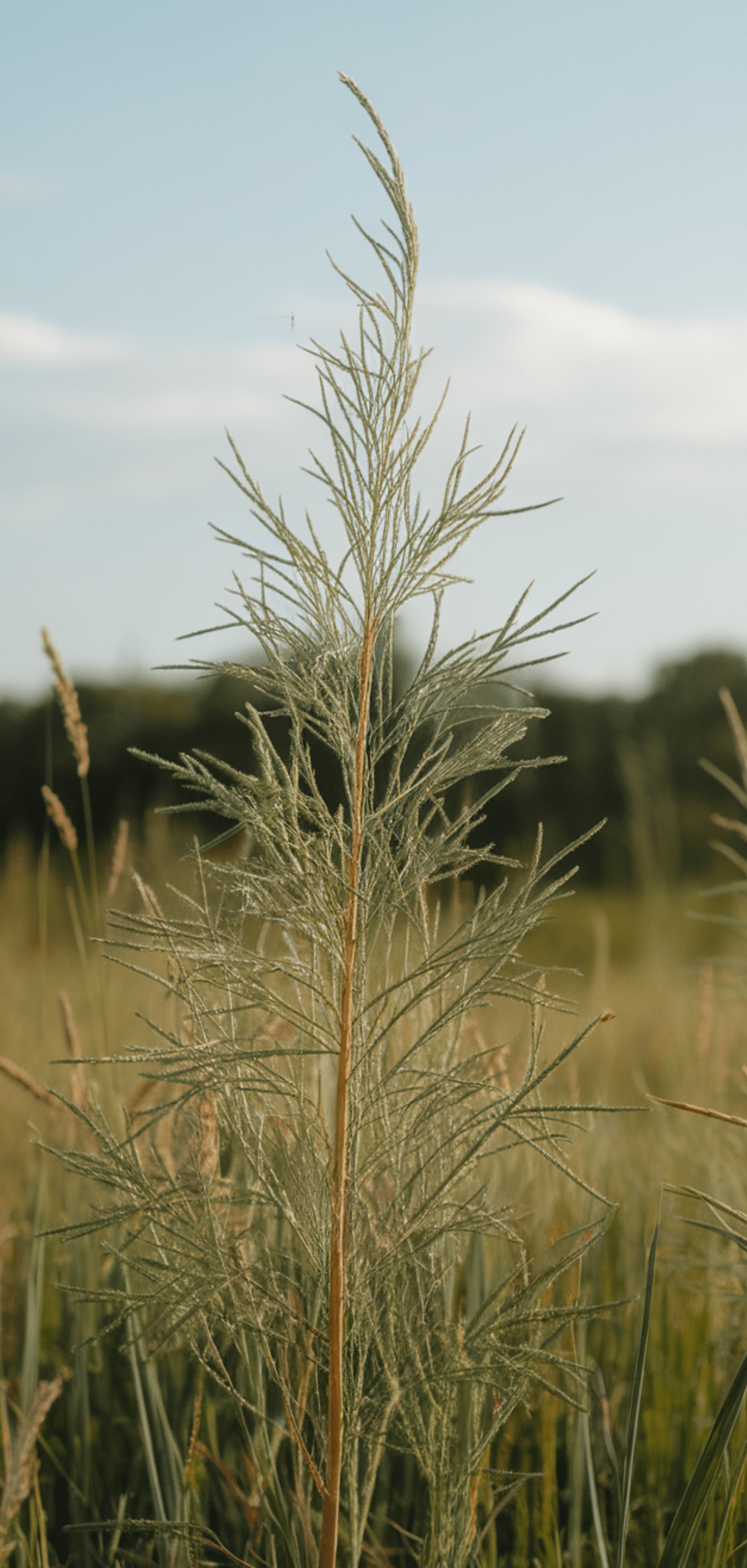
Fennel prefers full sun and sandy, well-drained soil. Moderate watering is required, avoiding waterlogged conditions. Harvest leaves as needed and collect seeds in late summer. Fennel’s tall structure and aromatic leaves attract pollinators and add height to garden beds.
13. Angelica (Angelica archangelica)
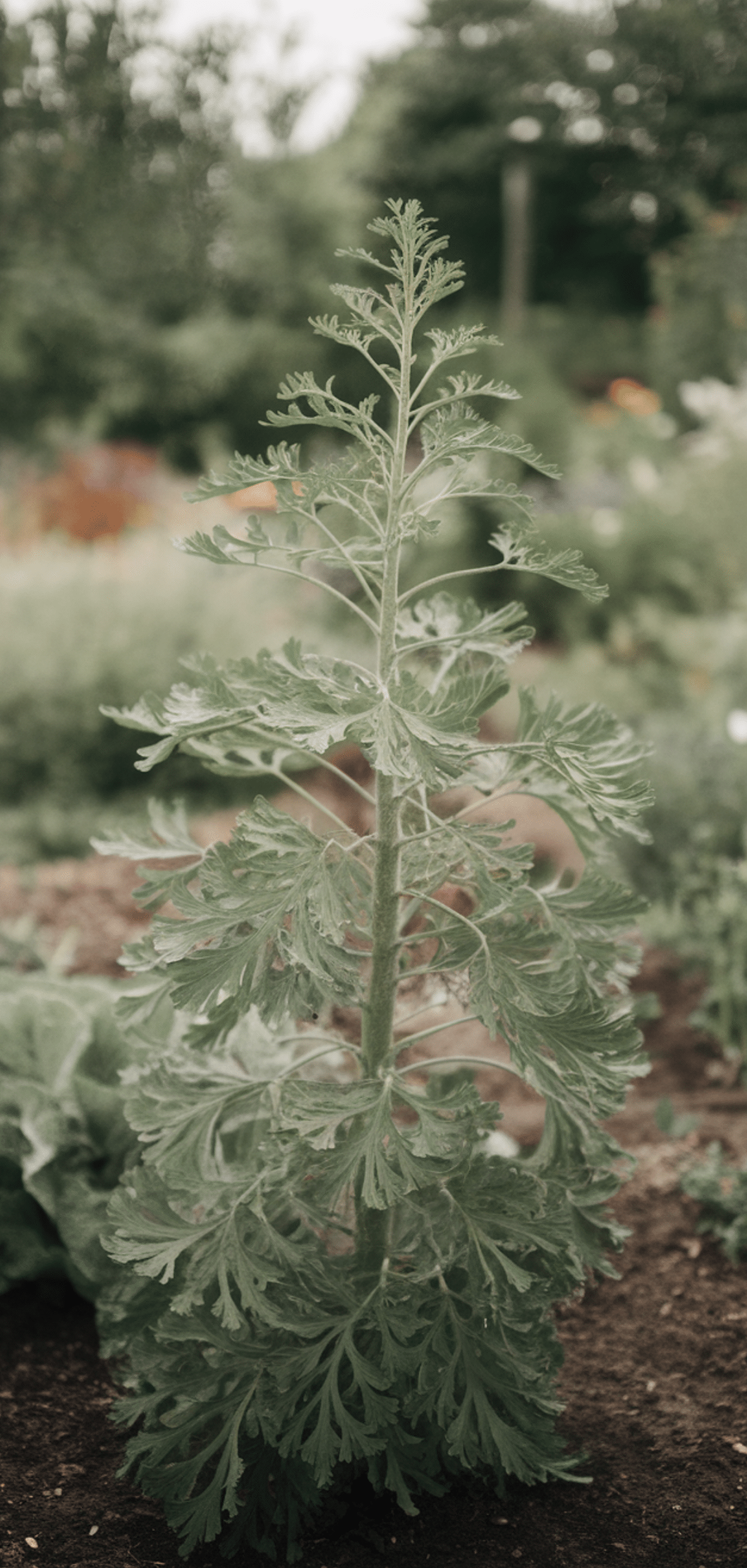
Angelica grows best in full sun to partial shade with moist, well-drained soil. Keep the soil consistently damp. Harvest leaves and stems as needed, and roots after 2–3 years. It attracts beneficial insects and provides aromatic foliage for your garden.
12. Roman Chamomile (Chamaemelum nobile)
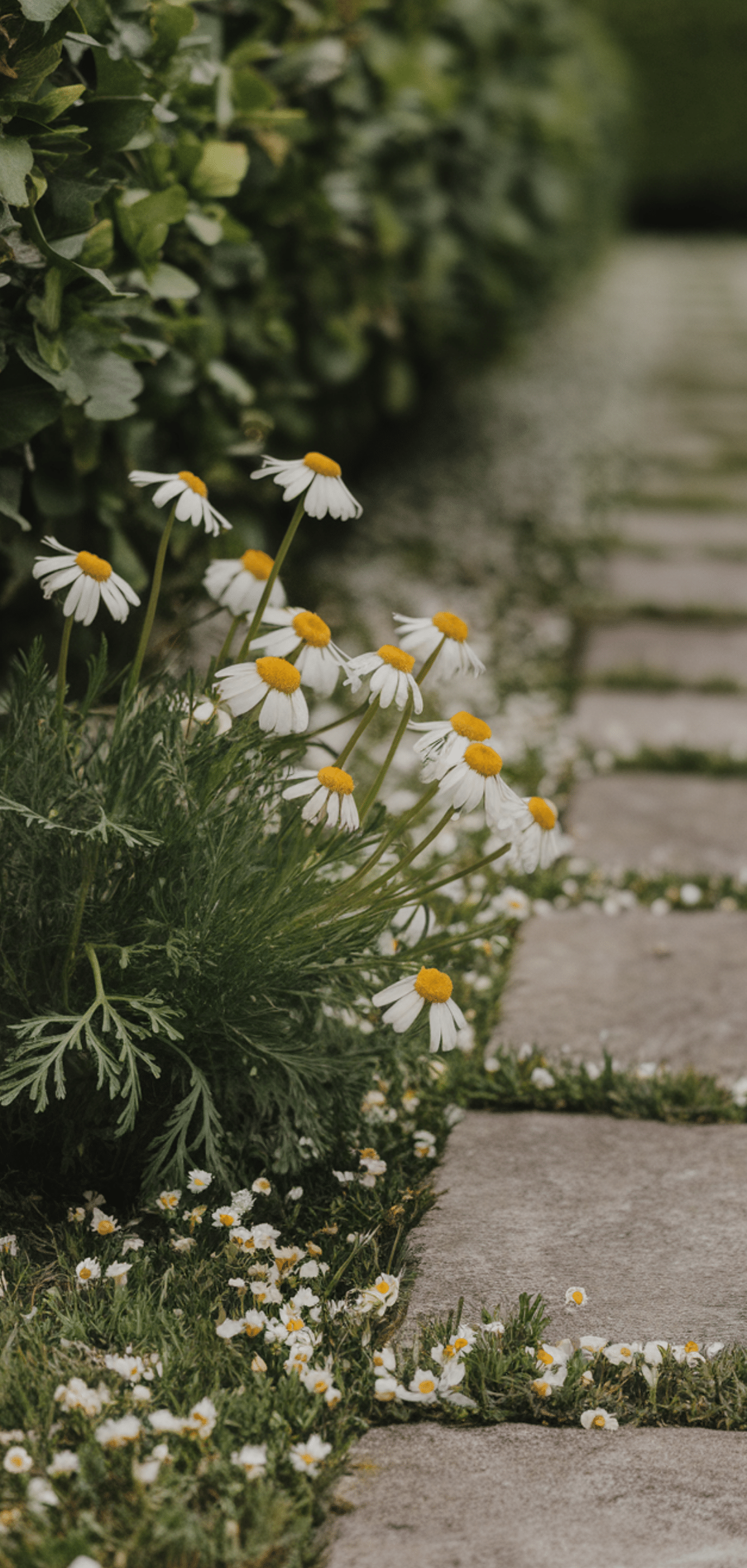
Roman Chamomile grows well in full sun to partial shade and well-drained, sandy soil. Moderate watering is sufficient, avoiding waterlogged conditions. Pick flowers when fully open. Chamomile can also serve as a fragrant ground cover in garden beds.
11. Winter Savory (Satureja montana)
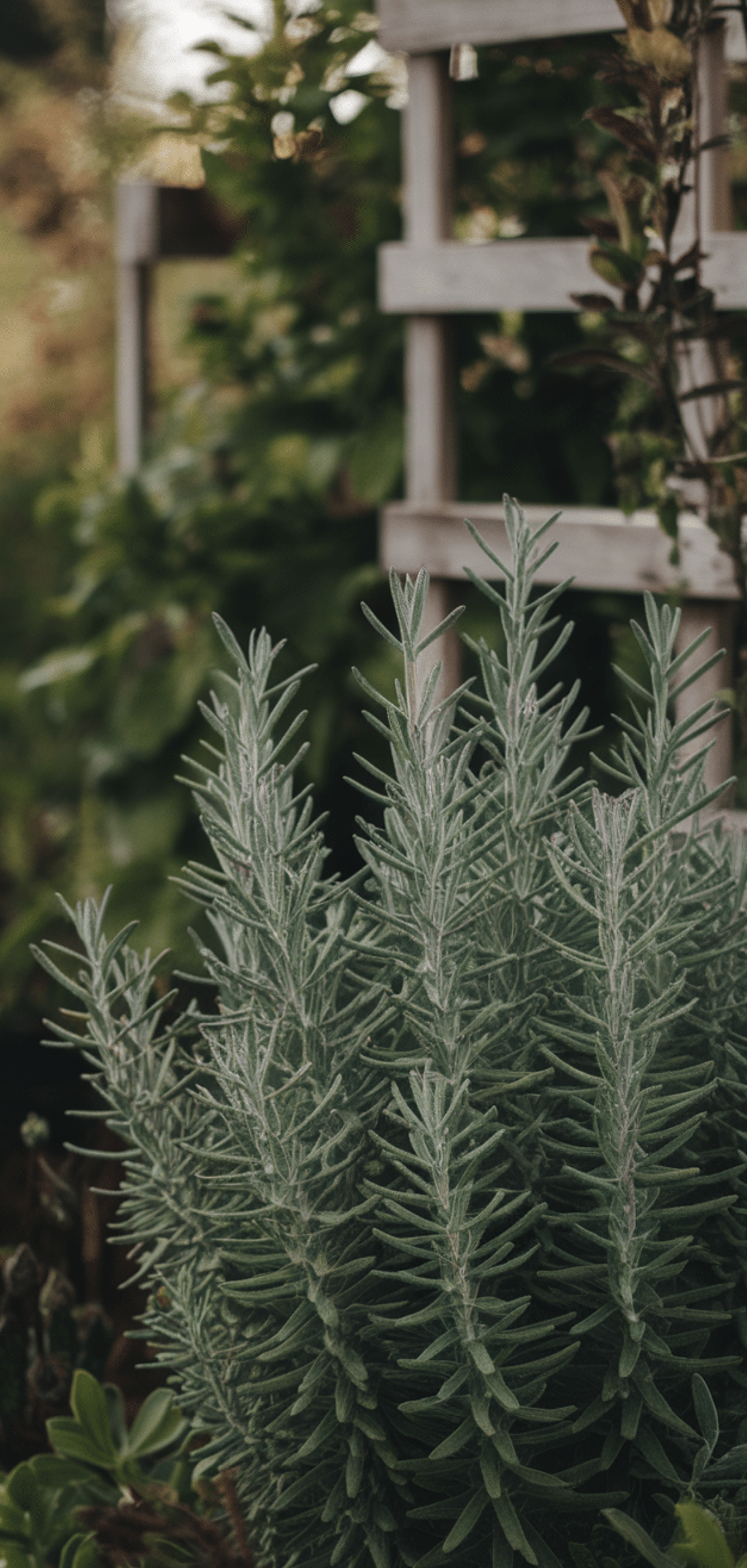
Winter Savory thrives in full sun and well-drained, slightly alkaline soil. It tolerates drought once established. Snip leaves as needed, ideally before flowering, and prune after flowering to encourage new growth.
10. Lovage (Levisticum officinale)
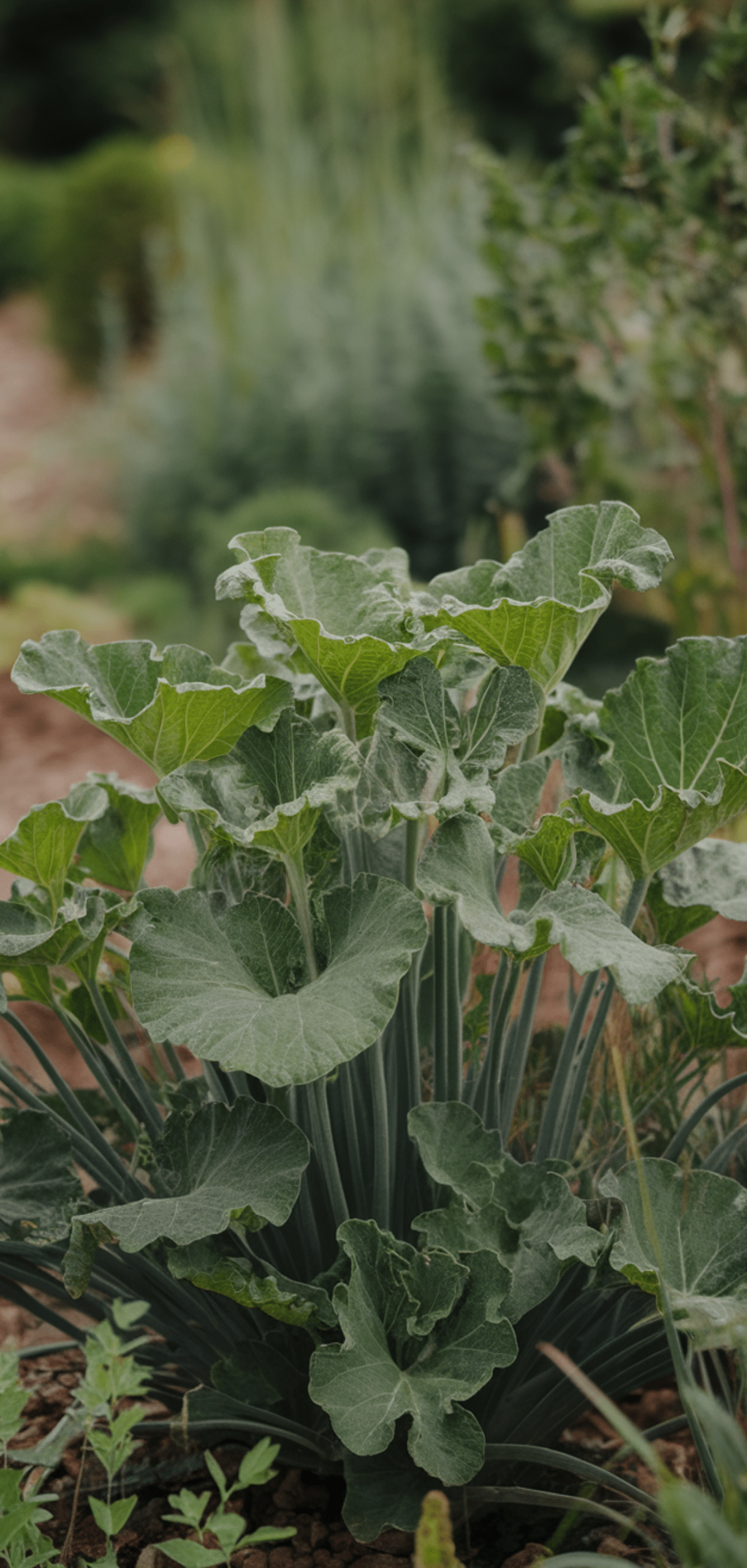
Lovage prefers full sun to partial shade and deep, well-drained soil. Keep the soil consistently moist. Snip leaves and stems for use, and harvest roots after 2–3 years. This herb grows large, so provide ample spacing in your garden.
9. Chervil (Anthriscus cerefolium)
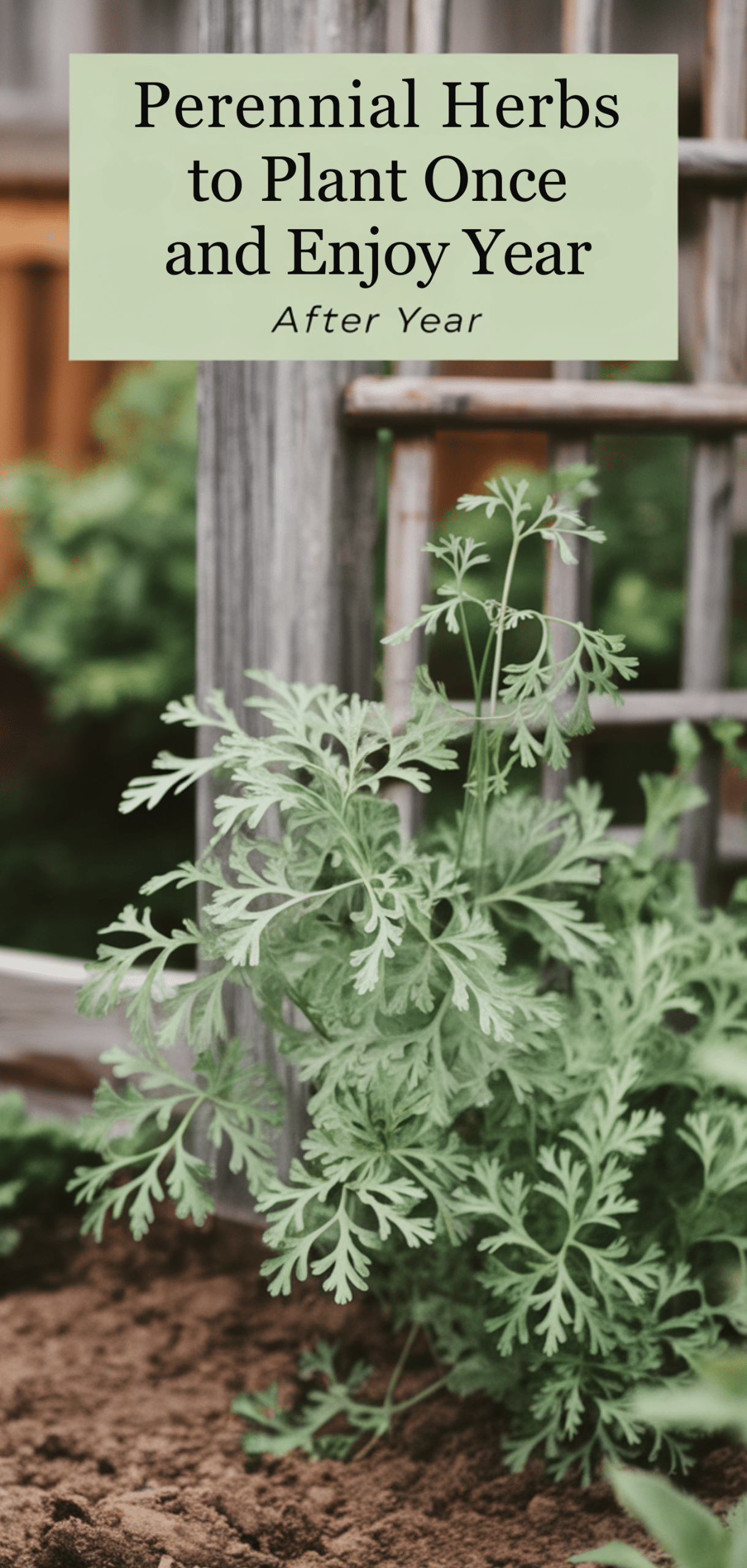
Chervil does best in partial shade with rich, moist, well-drained soil. Keep soil consistently damp and snip leaves as needed, preferably before flowering. Plant successively every few weeks for continuous harvest throughout the season.
8. Lemon Balm (Melissa officinalis)
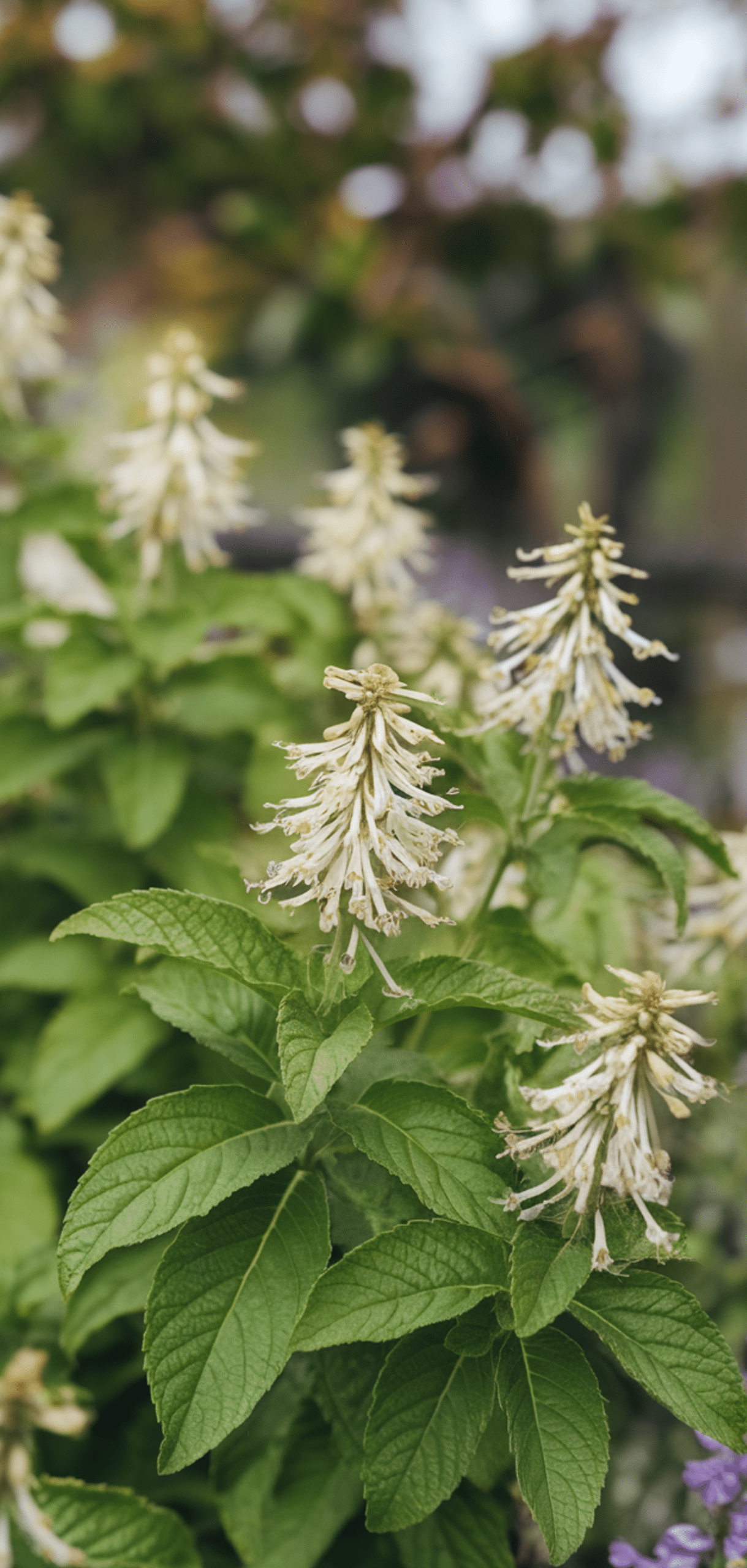
Lemon Balm thrives in full sun to partial shade and well-drained, fertile soil. Regular watering is needed to maintain soil moisture. Snip leaves as needed for culinary use, and prune to prevent self-seeding and maintain a tidy shape.
7. Mint (Mentha spp.)
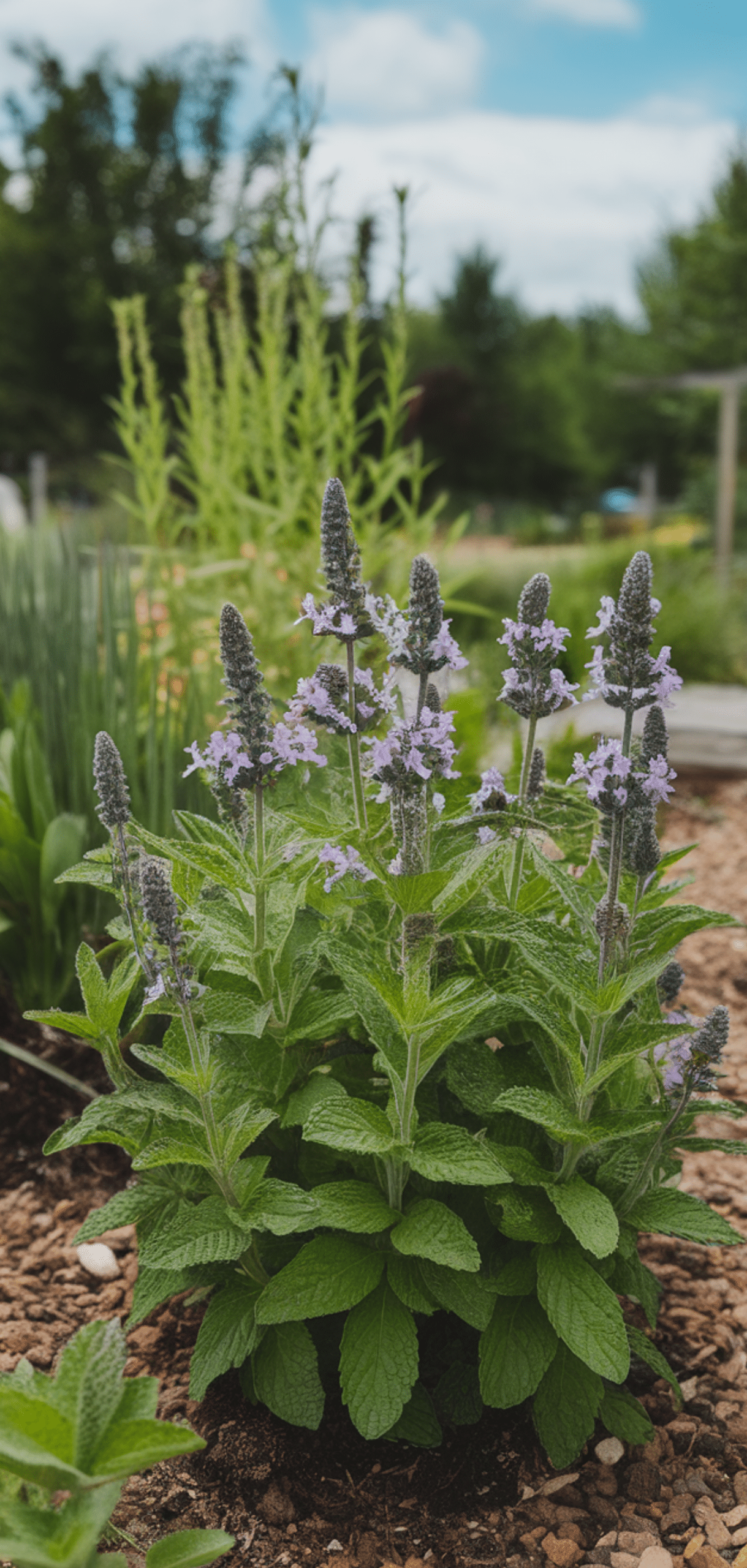
Mint prefers partial to full sun and moist, well-drained soil. It requires regular watering to keep the soil consistently damp. Harvest by cutting stems above ground level.
Perennial Herbs Tip: Grow in containers to prevent their aggressive spread in the garden.
6. Tarragon (Artemisia dracunculus)
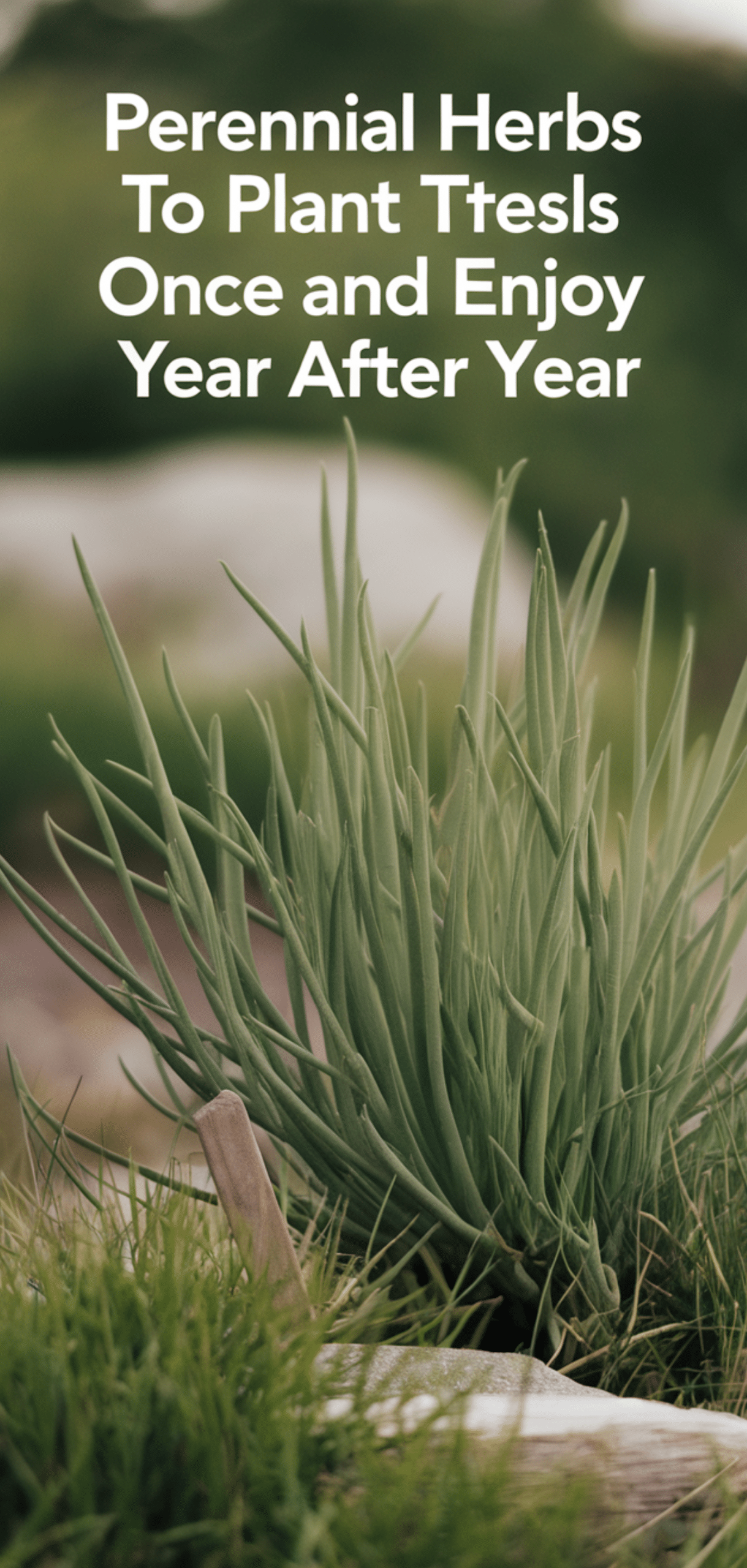
Tarragon grows best in full sun with well-drained, slightly acidic soil. Moderate watering is ideal, avoiding waterlogged conditions. Snip leaves as needed, particularly before flowering.
Perennial Herbs Tip: Divide plants every 2–3 years to rejuvenate growth.
5. Lavender (Lavandula angustifolia)
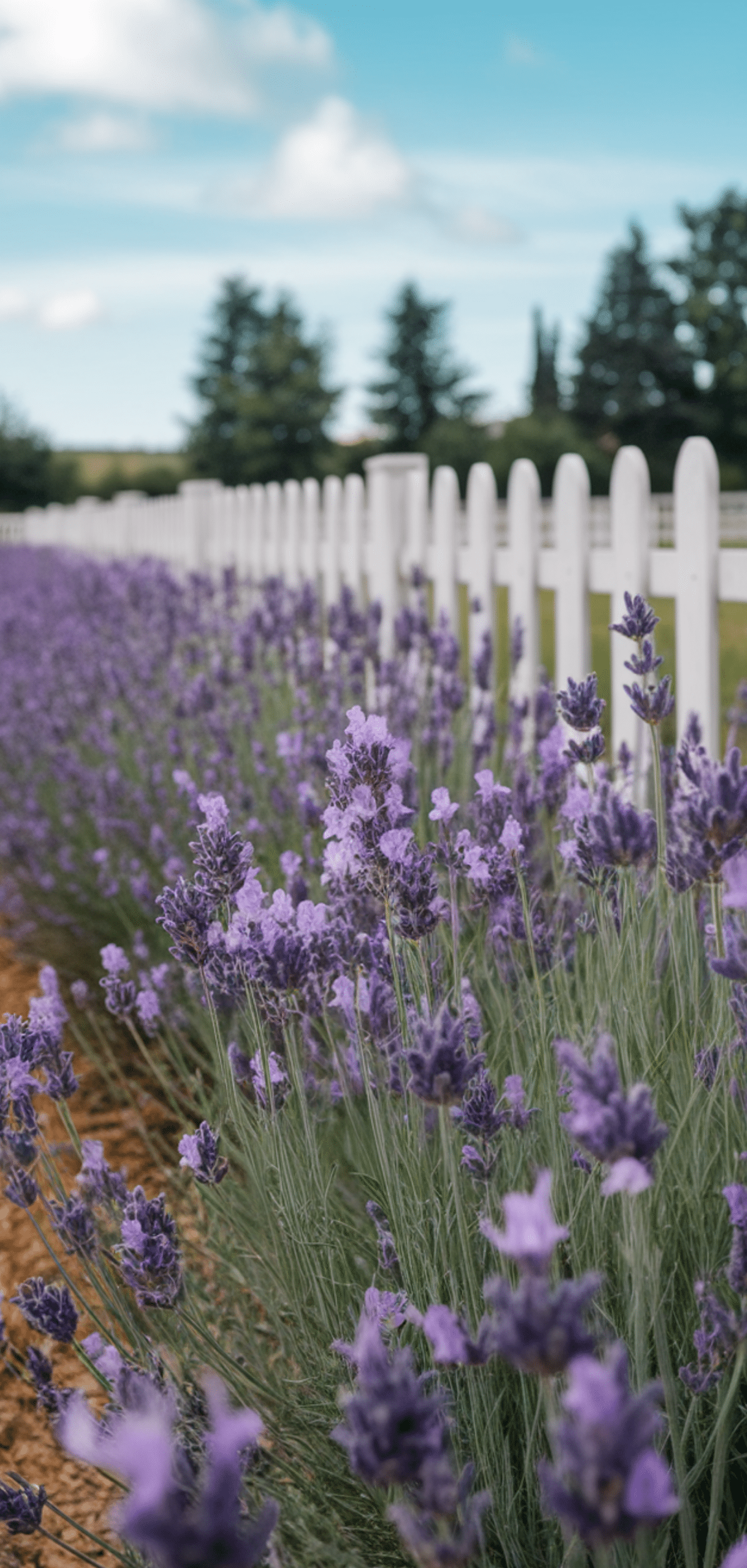
Lavender prefers full sun and well-drained, sandy or loamy soil. It is drought-tolerant and requires low watering. Cut stems just before flowers open to maintain vibrant blooms.
Perennial Herbs Tip: Annual pruning helps maintain shape and encourages healthy growth.
4. Sage (Salvia officinalis)
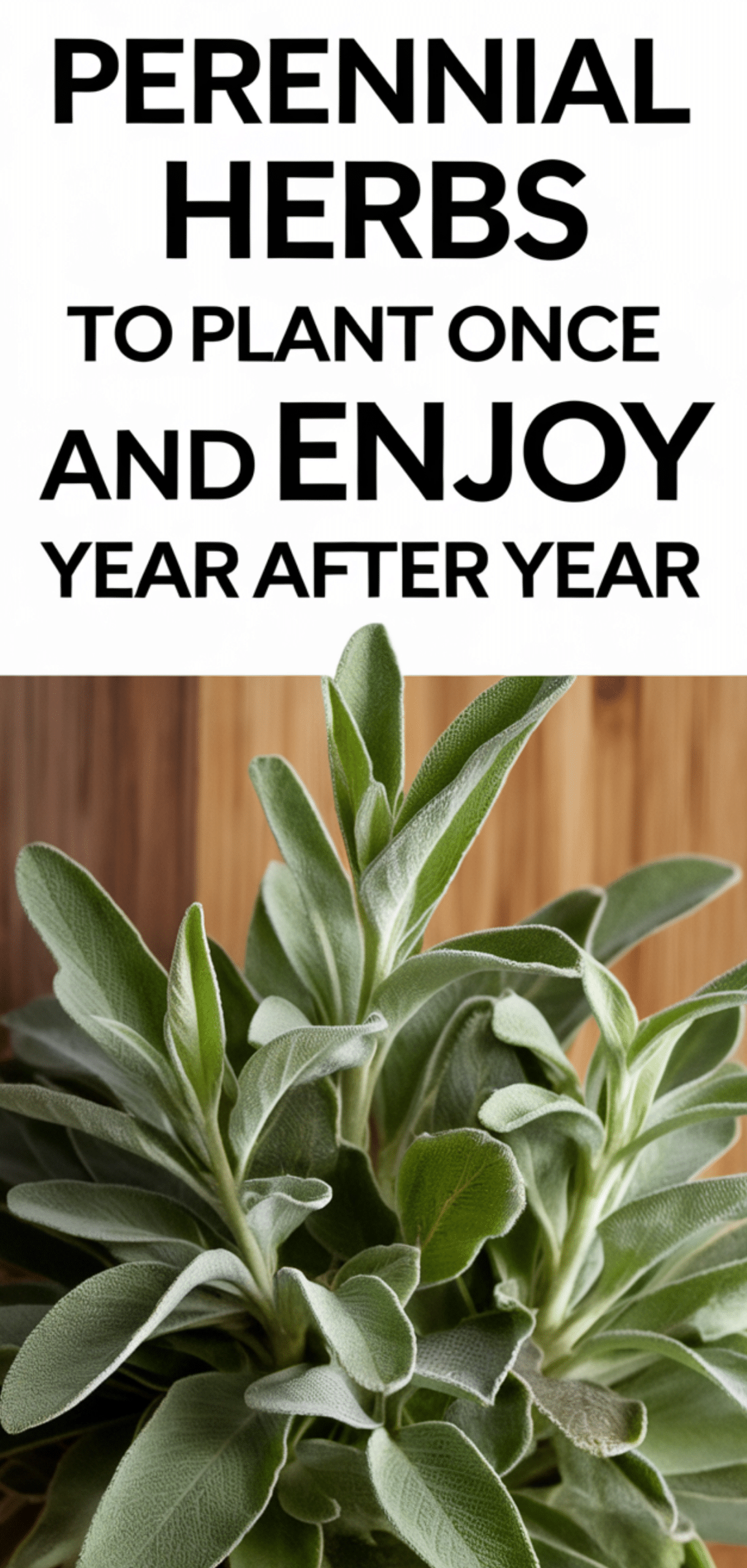
Sage grows well in full sun and well-drained, slightly alkaline soil. Moderate watering is recommended, letting the soil dry between watering sessions. Harvest leaves as needed and prune to maintain shape.
Perennial Herbs Tip: Protect from winter moisture to avoid rot.
3. Thyme (Thymus vulgaris)
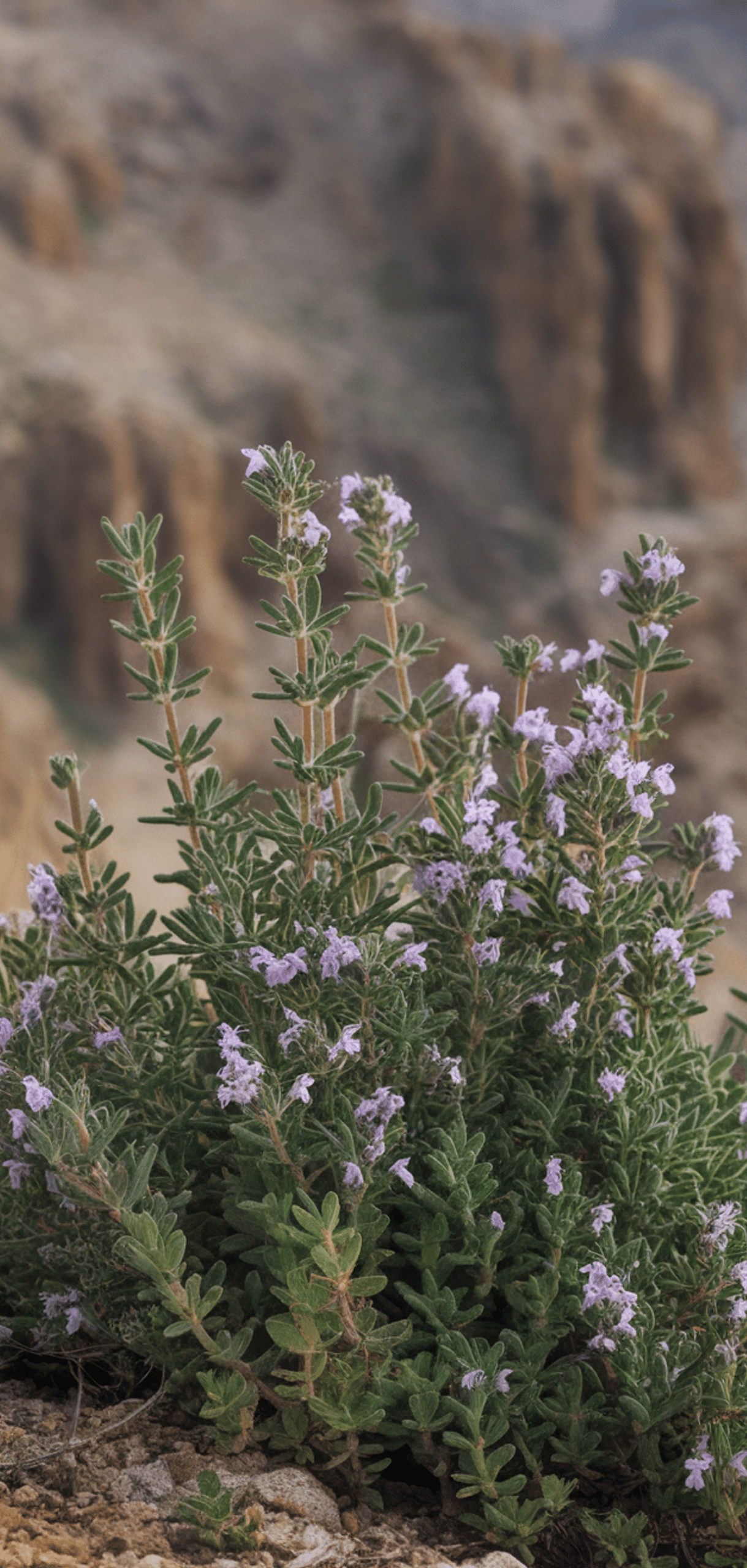
Thyme grows best in full sun and light, well-drained soil. It is drought-tolerant and requires minimal watering. Snip leaves before flowering for culinary use.
Perennial Herbs Tip: Thyme can also be used as ground cover or between paving stones to create a fragrant, low-maintenance garden.
2. Oregano (Origanum vulgare)
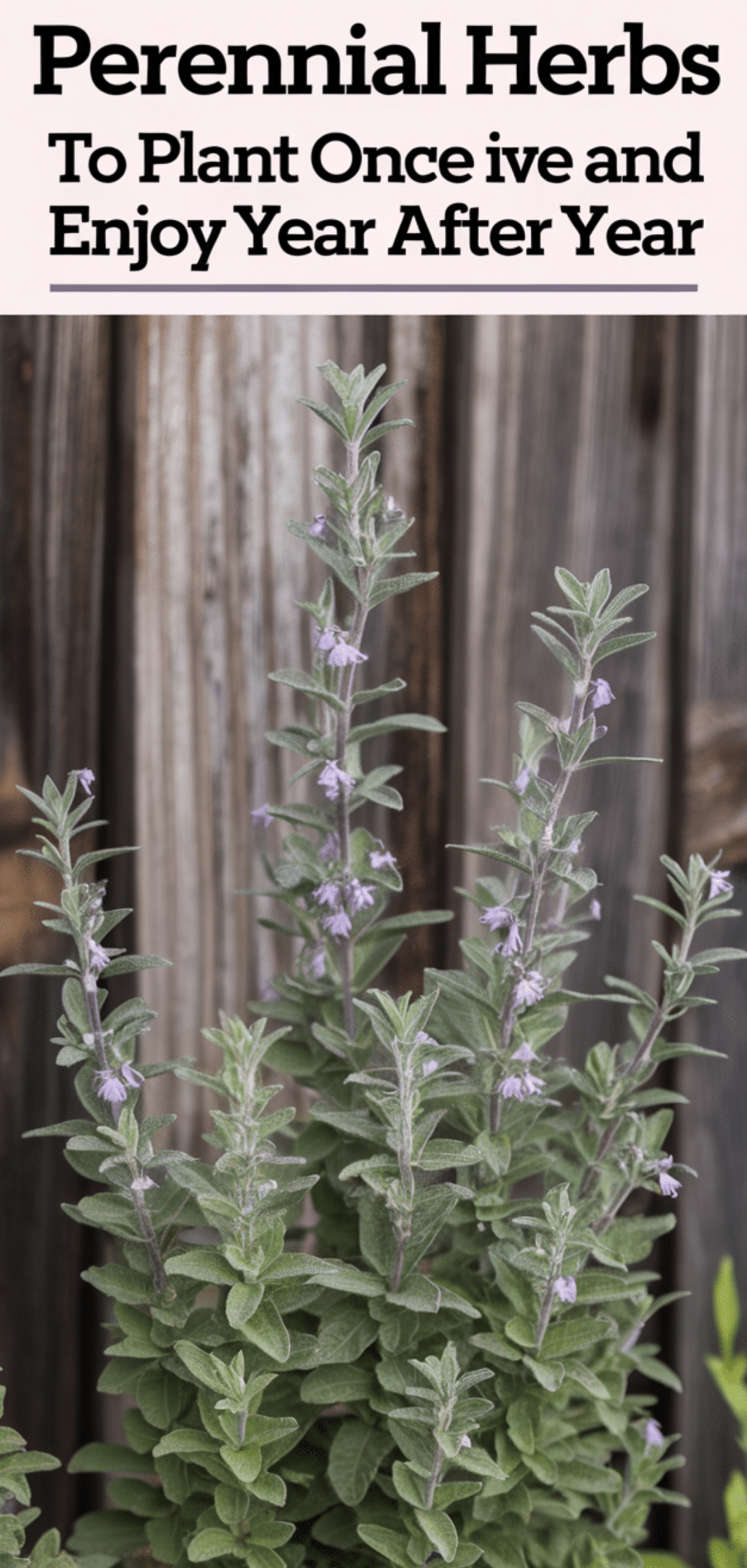
Oregano prefers full sun and well-drained, slightly alkaline soil. It is drought-tolerant once established and requires moderate watering. Perennial Herbs Tip: Harvest stems before flowering for maximum flavor, and mulch during winter for protection against cold.
1. Chives (Allium schoenoprasum)
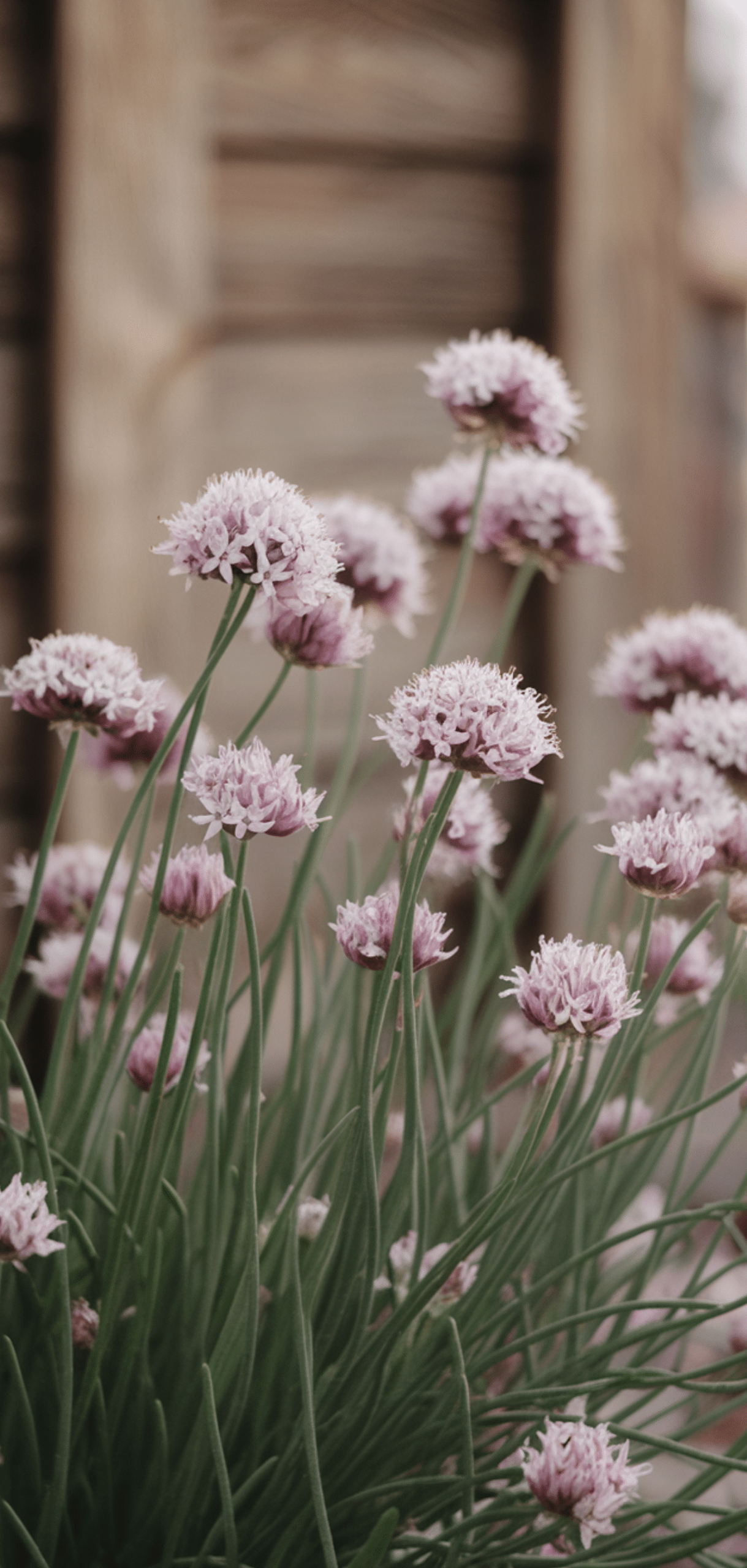
Chives thrive in full sun to partial shade with well-drained, fertile soil. Water regularly, but avoid waterlogged conditions. Snip leaves as needed for fresh use, and enjoy edible flowers in salads.
Perennial Herbs Tip: Divide clumps every 3–4 years to maintain plant vigor.
Conclusion
Creating a perennial herb garden allows you to enjoy fresh, flavorful herbs year after year with minimal effort. By carefully selecting herbs suited to your climate and garden conditions, you can cultivate a thriving, low-maintenance garden that provides culinary delights, aromatic foliage, and visual appeal. Proper planting, regular maintenance, and strategic harvesting ensure that your herbs will remain healthy and productive, making your garden both sustainable and rewarding for many seasons to come.
Enjoyed this post?
Share the love with another mom!
Every share helps this little blog grow — thank you so much