
Make sure to join my list for Weekly Tips and Recipes to Your Inbox
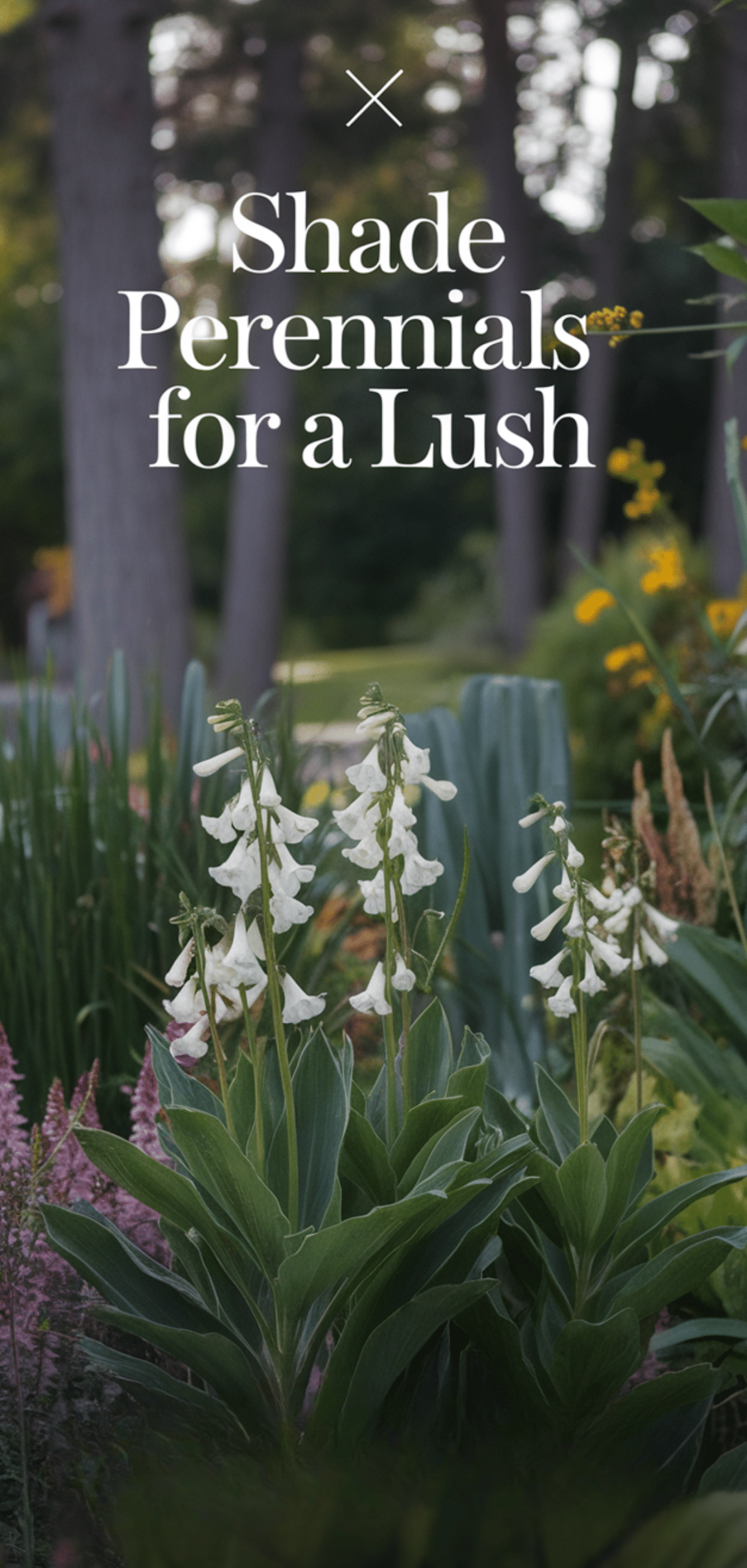
16 Perfect Shade Perennials for a Lush

A little note: Some images in this post may come from third-party sources and are shared purely to inspire you. All credit goes to their original creators. Visit our Image Credits Policy for more information.
All, I am a fairly new gardener, and this will be our second spring and summer owning our home. Last year, we planted a small vegetable garden, but aside from basic maintenance, we mostly left the landscape as it was to see what we had to work with.
Our yard has several mature trees, and much of the planting area receives at least partial shade. This made me realize the importance of shade perennials, which can transform dark corners into lush, thriving spaces filled with color, texture, and seasonal interest.
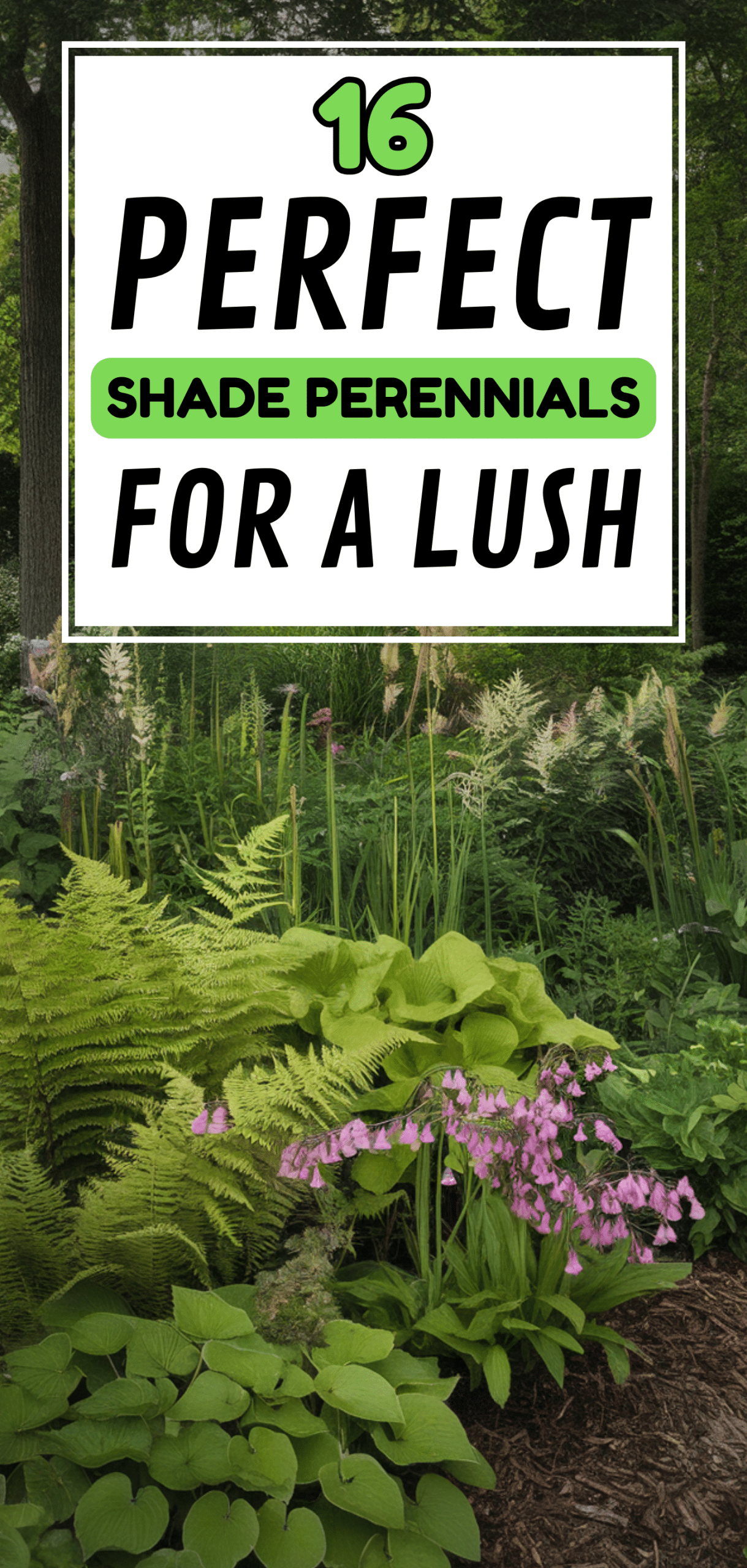
As I dreamed about plants over the fall and winter, I kept being drawn to bright, sun-loving flowers that simply wouldn’t survive under our trees. Exploring shade perennials became my solution.
With advice from my grandparents, who are experienced gardeners, I discovered that plants like astilbe, bleeding heart, coral bells, lungwort, hostas, and native ferns can thrive even through cold Zone 4B winters, offering blooms and foliage that make shaded areas beautiful.
By layering these shade perennials with groundcovers such as bugleweed and combining them with taller shrubs, we created a dynamic garden. For extra inspiration, I also mention our article about 14 Creative Rustic Garden Decor Ideas, which pairs perfectly with these perennials to create a charming outdoor space.
What We're Exploring
- 01 16. Hosta (Hosta spp.)
- 02 15. Astilbe (Astilbe spp.)
- 03 14. Bleeding Heart (Dicentra spectabilis)
- 04 13. Heuchera (Coral Bells)
- 05 12. Foamflower (Tiarella cordifolia)
- 06 11. Solomon’s Seal (Polygonatum spp.)
- 07 10. Brunnera (Brunnera macrophylla)
- 08 9. Japanese Forest Grass (Hakonechloa macra)
- 09 8. Lungwort (Pulmonaria spp.)
- 10 7. Ferns (Various species)
- 11 6. Ajuga (Ajuga reptans)
- 12 5. Brunnera ‘Jack Frost’
- 13 4. Pulmonaria ‘Trevi Fountain’
- 14 3. Creeping Jenny (Lysimachia nummularia)
- 15 2. Hellebores (Helleborus spp.)
- 16 1. Trillium (Trillium spp.)
- 17 Conclusion
16. Hosta (Hosta spp.)
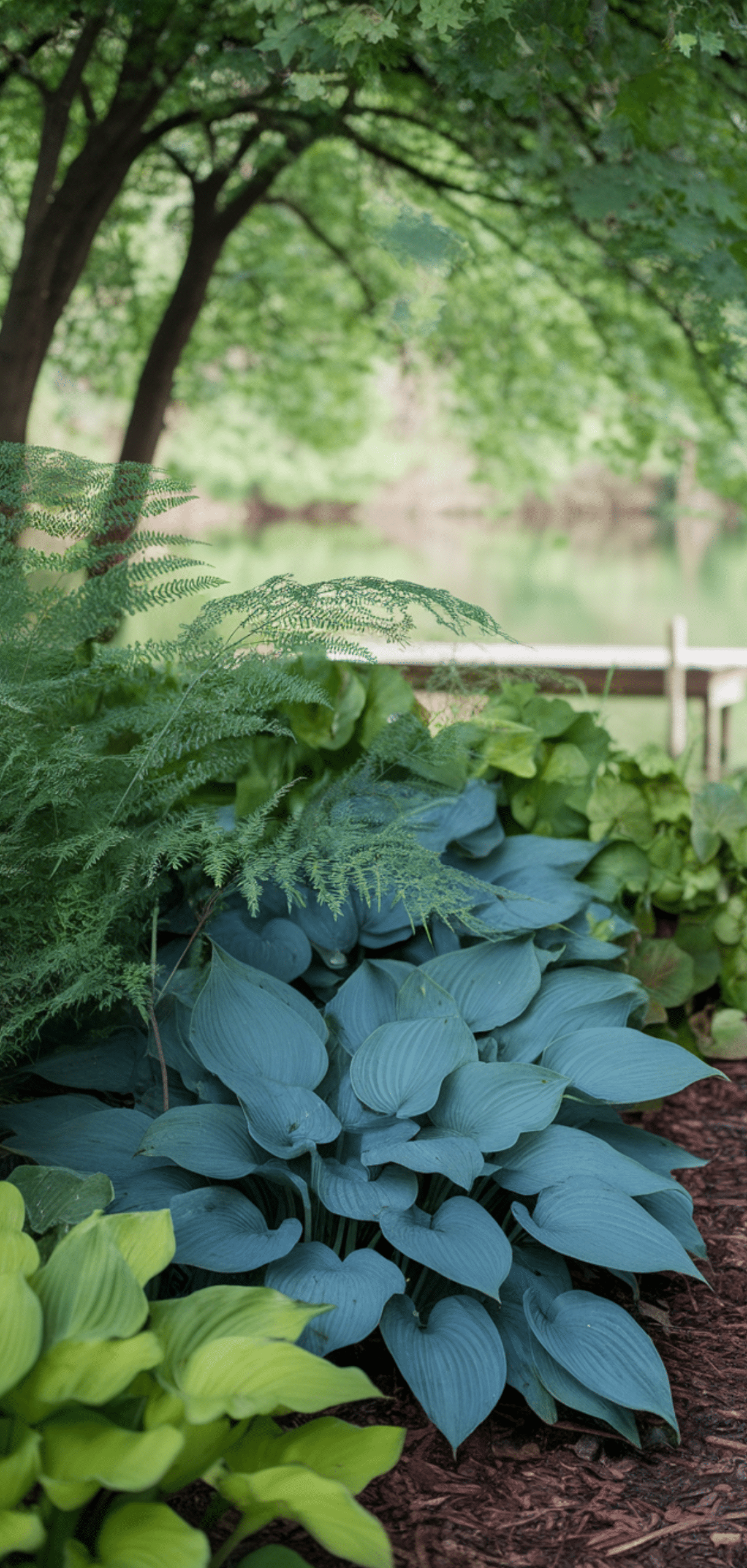
Hostas are classic shade perennials prized for their large, textured foliage. They thrive in partial to full shade and prefer moist, well-draining soil. Varieties like ‘Sum and Substance’ or ‘Blue Angel’ add dramatic leaf color. Mulching helps retain soil moisture and prevents weeds.
Tip: Avoid planting in areas prone to slugs; consider using natural deterrents like copper tape or diatomaceous earth.
15. Astilbe (Astilbe spp.)
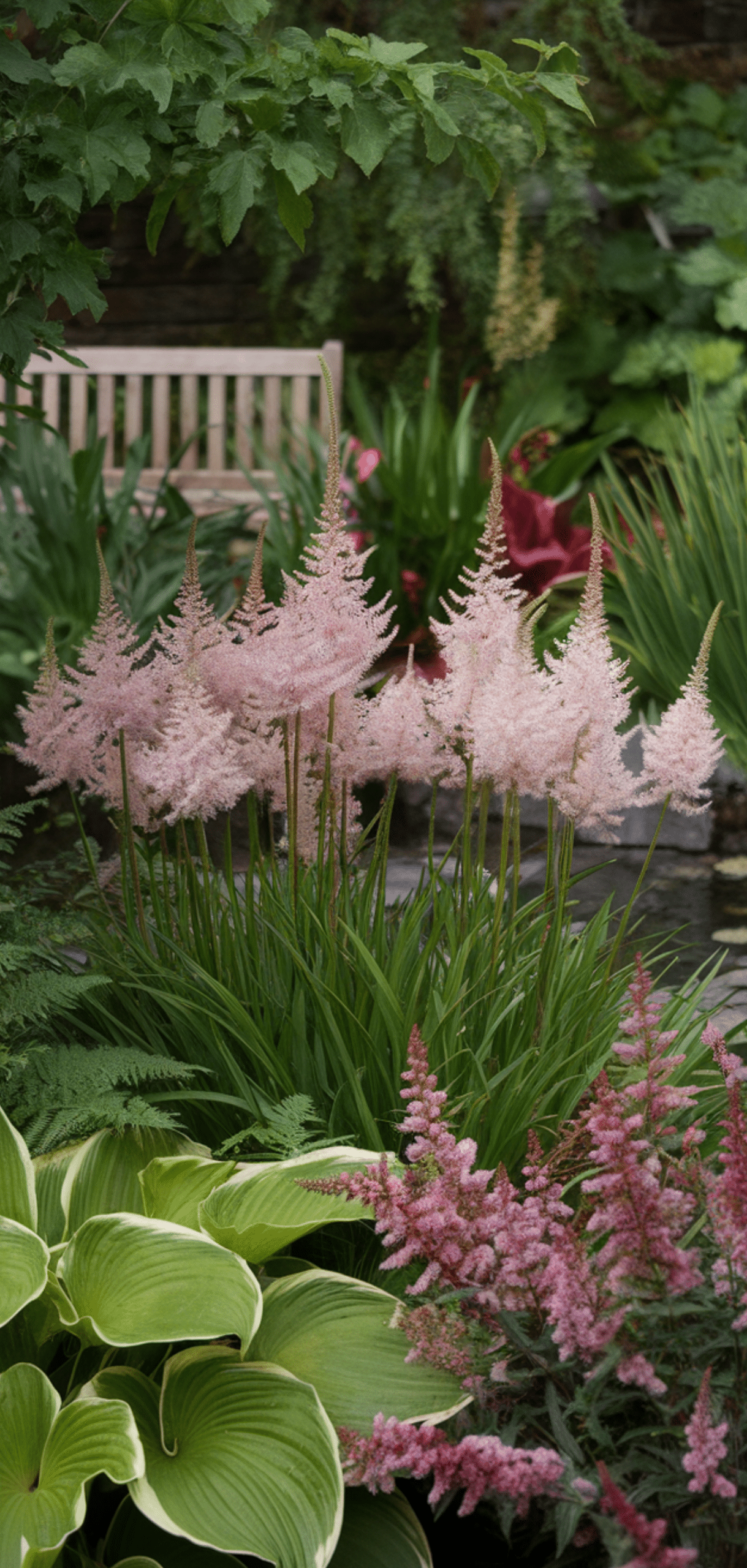
Astilbes offer plume-like flowers in pink, red, and white. They prefer consistent moisture and humus-rich soil. Their feathery blooms create striking texture in shady borders.
Tip: Divide every 3–4 years to maintain vigor and prevent overcrowding.
14. Bleeding Heart (Dicentra spectabilis)
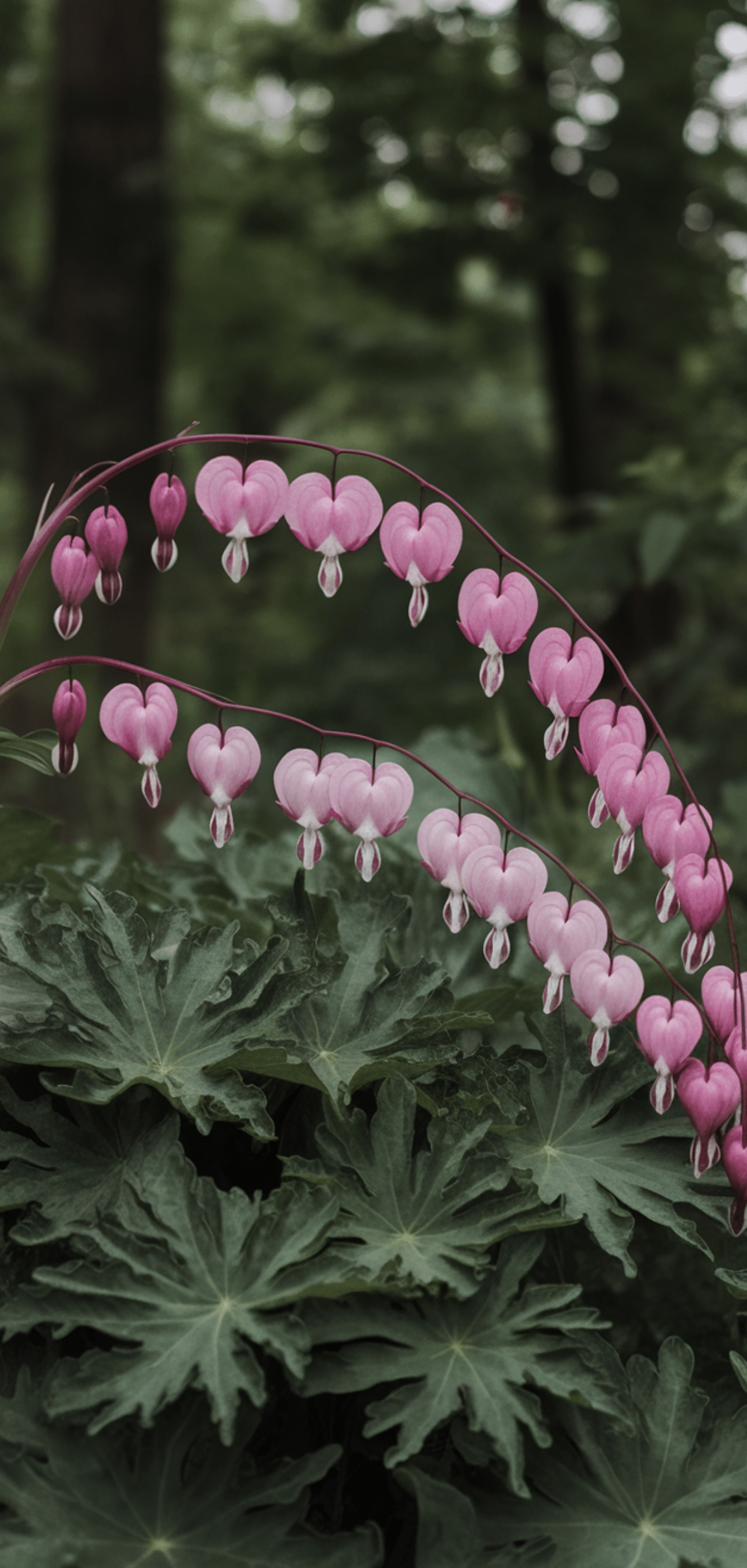
With its heart-shaped, pendulous flowers, the bleeding heart is a shade garden centerpiece. It prefers cool, shaded areas and rich, well-drained soil.
Tip: Cut back foliage after flowering to encourage healthy growth for the next season.
13. Heuchera (Coral Bells)
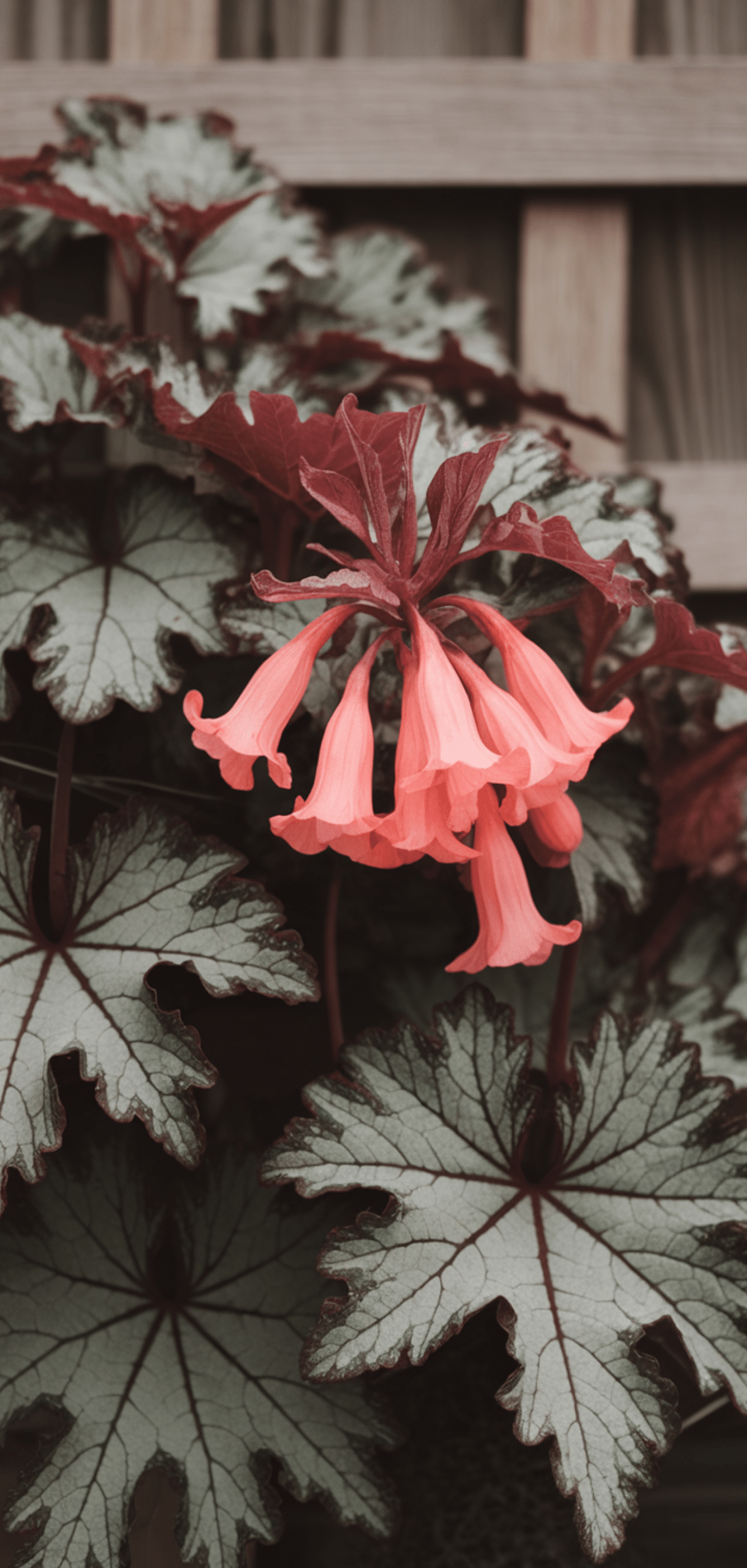
Heucheras provide year-round foliage interest with colors from deep burgundy to bright lime. They tolerate partial shade and need well-drained soil.
Tip: Combine multiple foliage colors for a visually dynamic border.
12. Foamflower (Tiarella cordifolia)
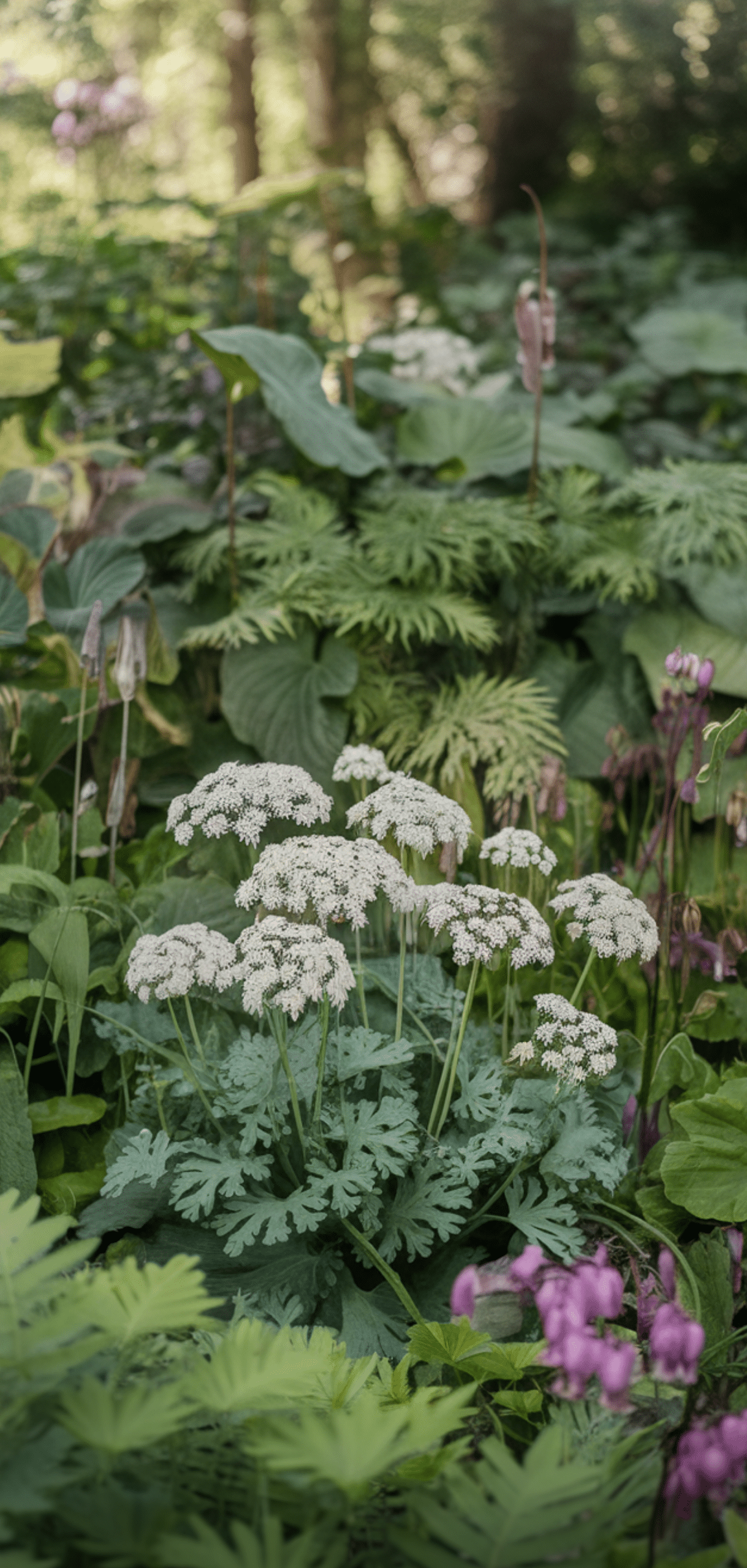
Foamflowers feature delicate, frothy white or pink flowers atop foliage with intricate veining. They prefer cool, moist soil and partial shade.
Tip: Plant as groundcover to suppress weeds and maintain soil moisture.
11. Solomon’s Seal (Polygonatum spp.)
Solomon’s Seal is elegant with arching stems and small, bell-shaped flowers. It prefers dappled shade and rich, moist soil.
Tip: Excellent for naturalizing in woodland gardens; allows self-seeding for effortless growth.
10. Brunnera (Brunnera macrophylla)
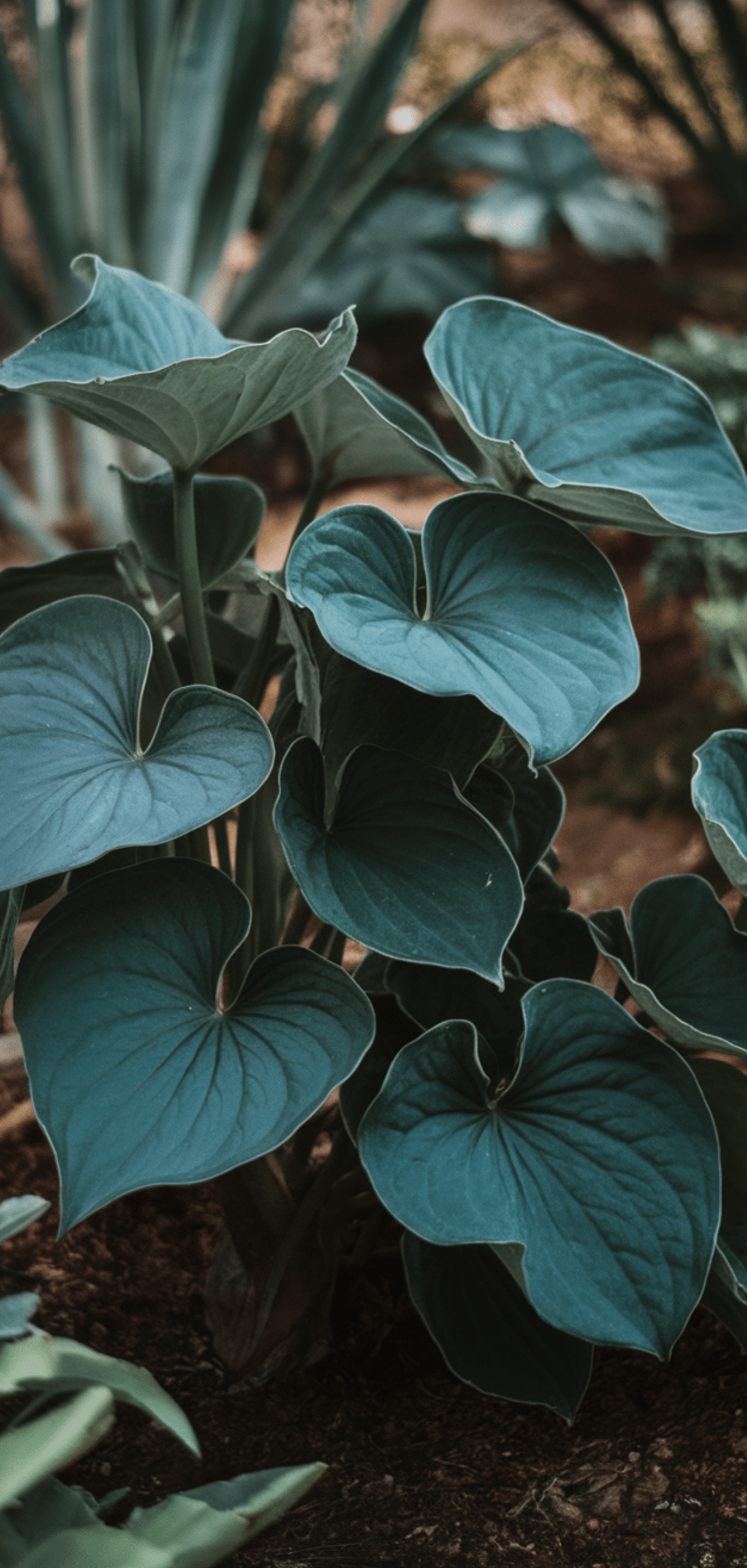
Brunnera, also known as Siberian bugloss, produces bright blue forget-me-not-like flowers in spring. Its heart-shaped leaves thrive in shade.
Tip: Protect from hot afternoon sun to prevent leaf scorch.
9. Japanese Forest Grass (Hakonechloa macra)
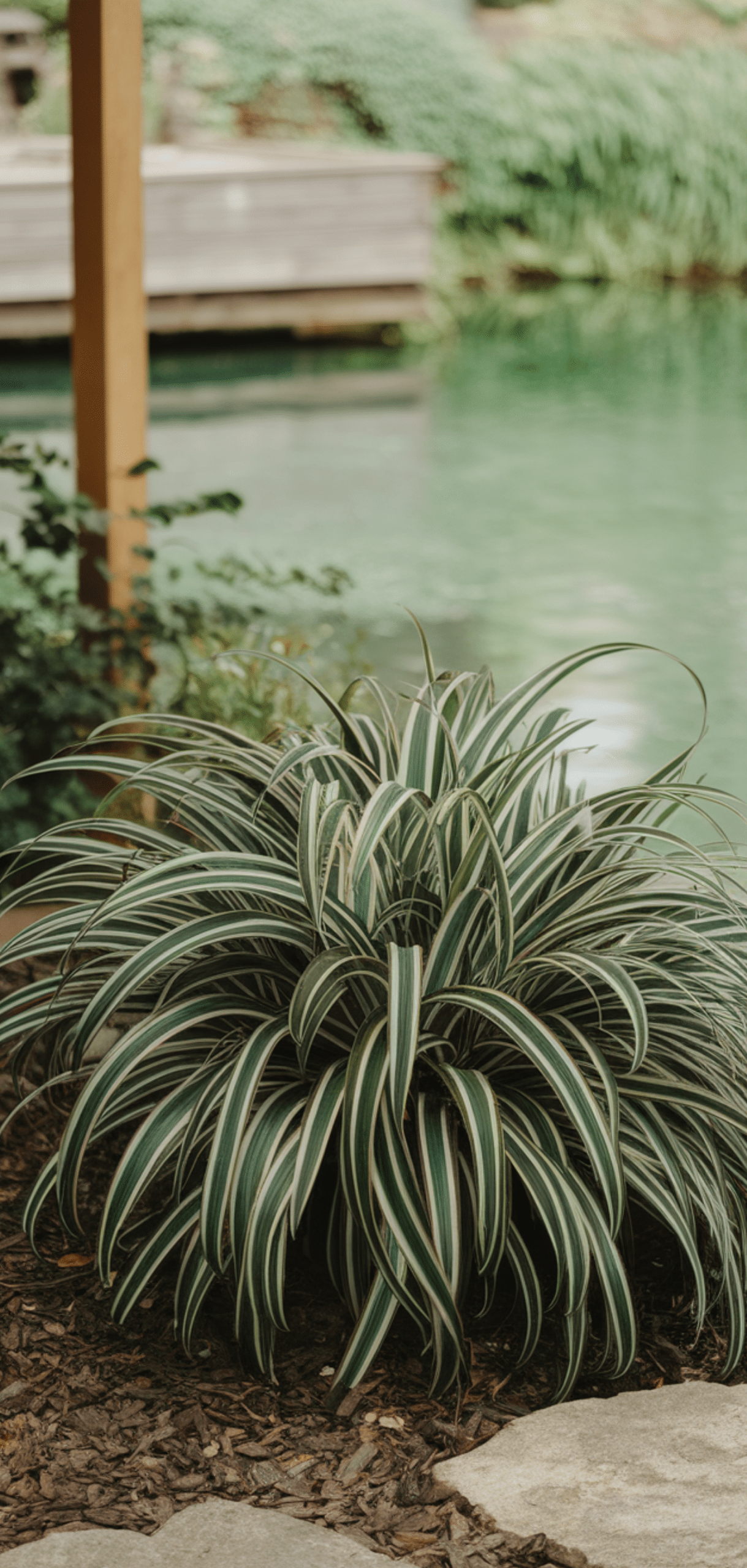
This ornamental grass forms graceful mounds with golden or variegated foliage. It grows best in filtered shade with consistently moist soil.
Tip: Use as an edging plant or to soften garden borders with a flowing texture.
8. Lungwort (Pulmonaria spp.)
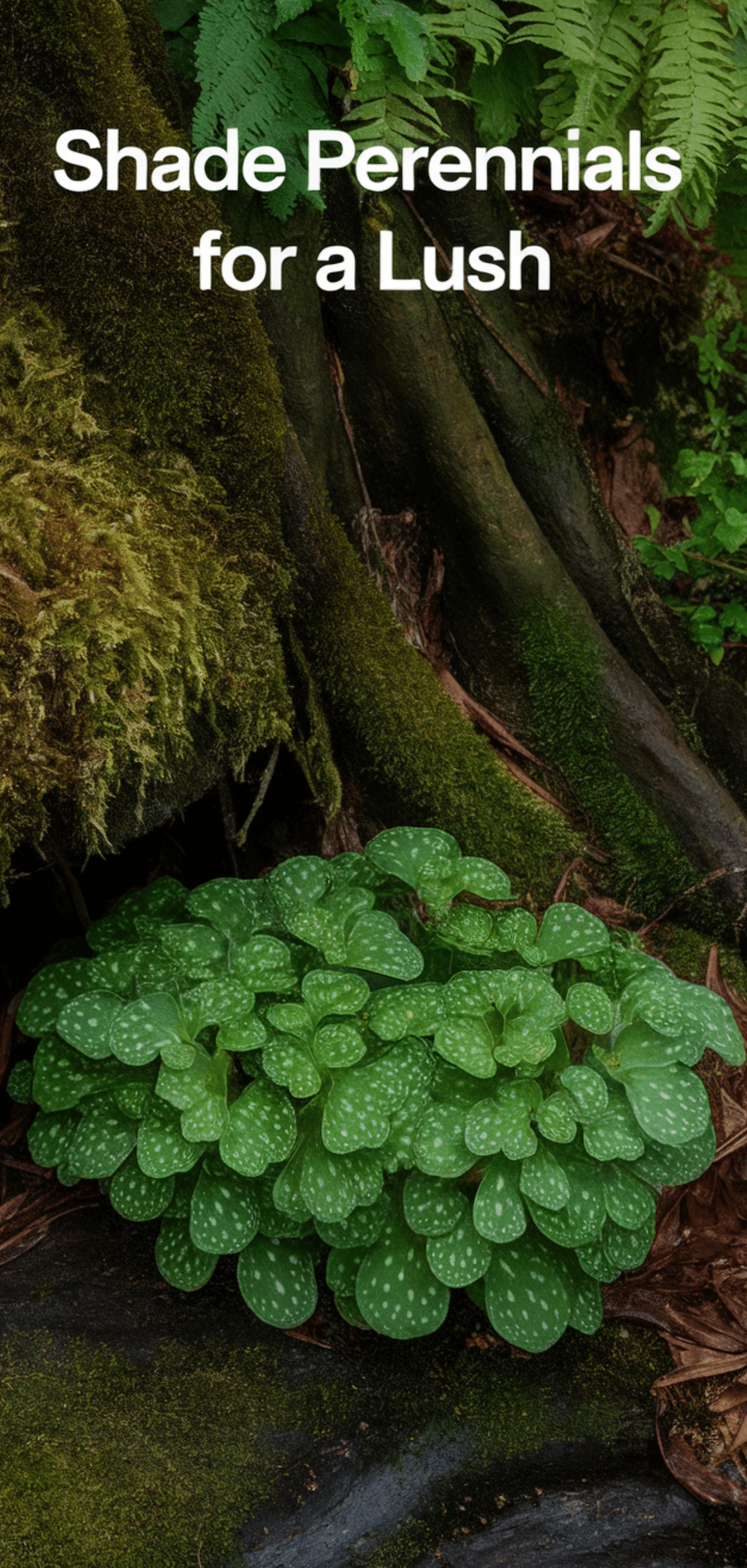
Lungwort offers spotted foliage and early spring flowers in pink, blue, or purple. It prefers moist, well-drained soil in partial to full shade.
Tip: Remove spent flowers to encourage prolonged blooming and tidy appearance.
7. Ferns (Various species)
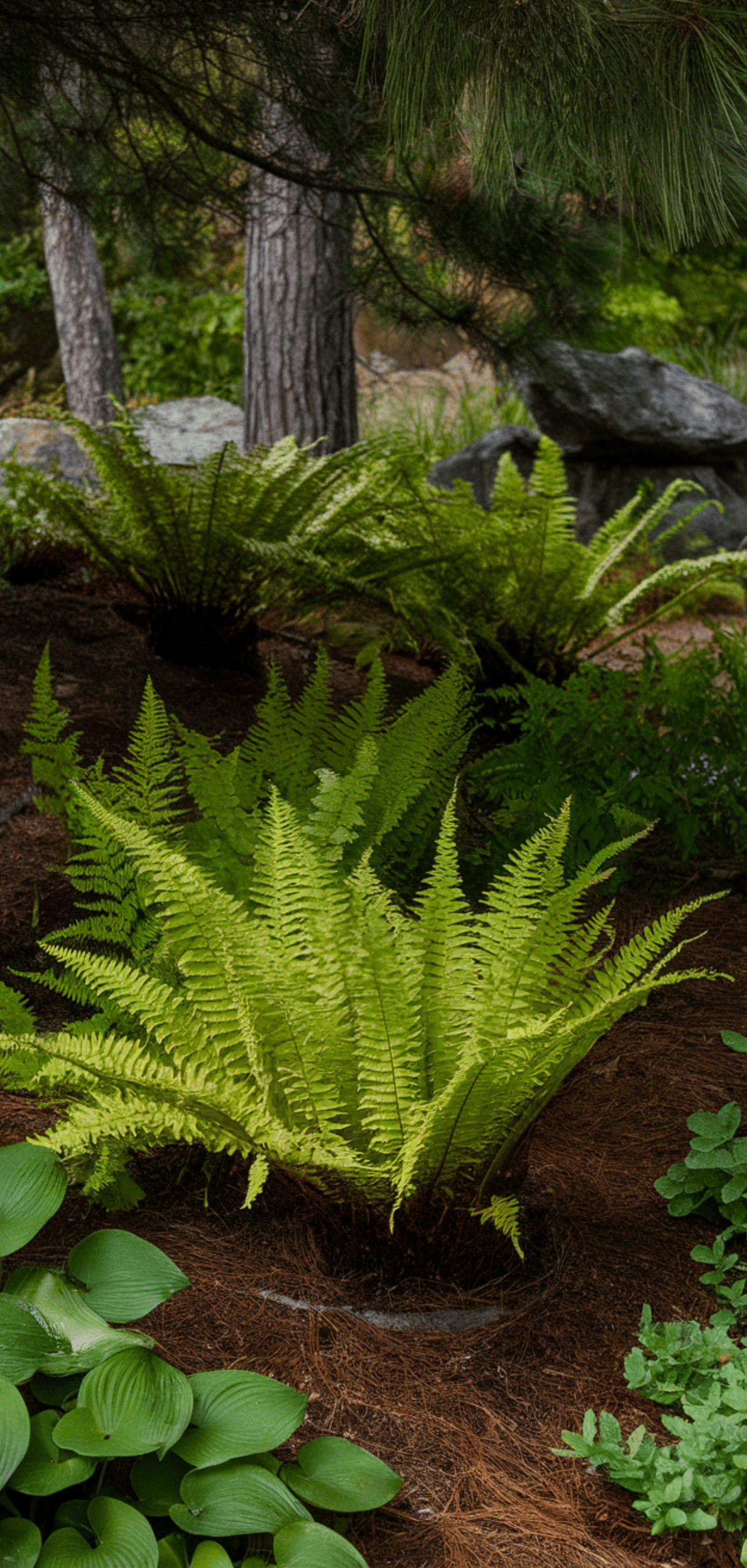
Ferns like the Japanese Painted Fern and Lady Fern thrive in shaded, moist environments. Their feathery fronds add depth and elegance.
Tip: Maintain consistent soil moisture and avoid compacted soil for optimal growth.
6. Ajuga (Ajuga reptans)
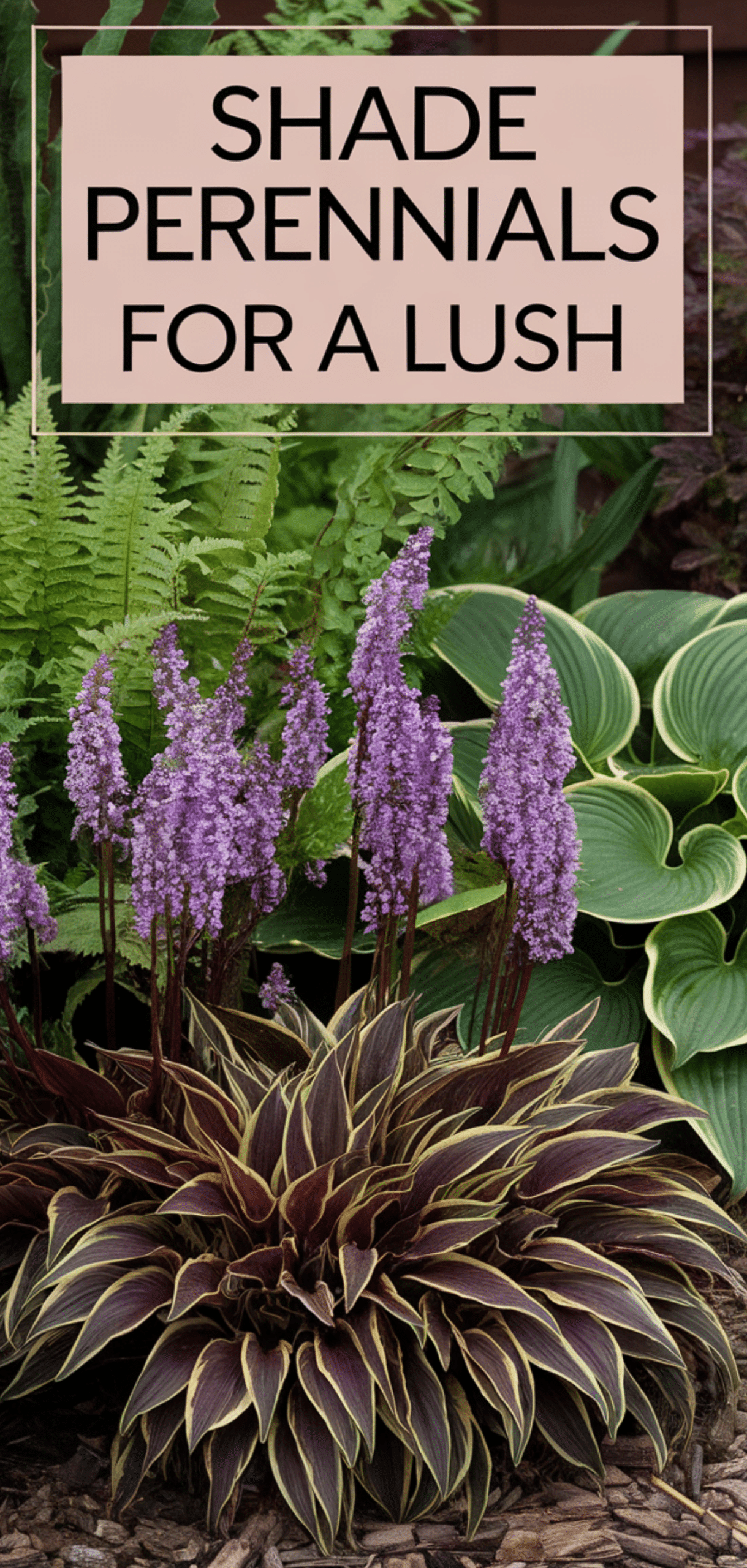
Ajuga, or Bugleweed, is a low-growing groundcover with glossy foliage and blue flower spikes. It tolerates full to partial shade.
Tip: Ideal for suppressing weeds and filling in bare patches between taller perennials.
5. Brunnera ‘Jack Frost’
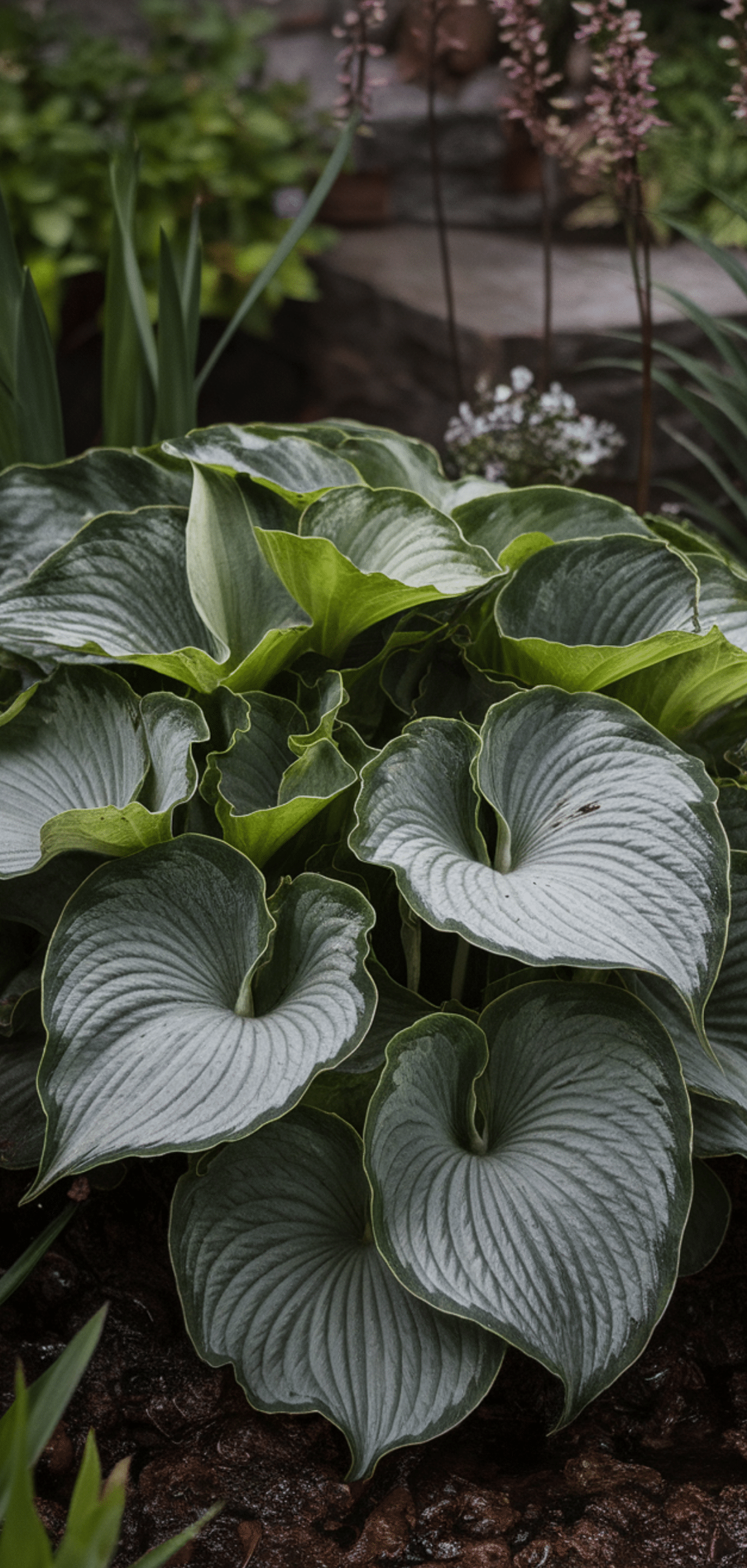
Distinct from standard Brunnera, ‘Jack Frost’ has silvery leaves with green veins and small blue flowers. Performs best in shaded beds with rich soil.
Shade Perennials Tip: Plant with complementary foliage plants to enhance silver-blue contrast.
4. Pulmonaria ‘Trevi Fountain’
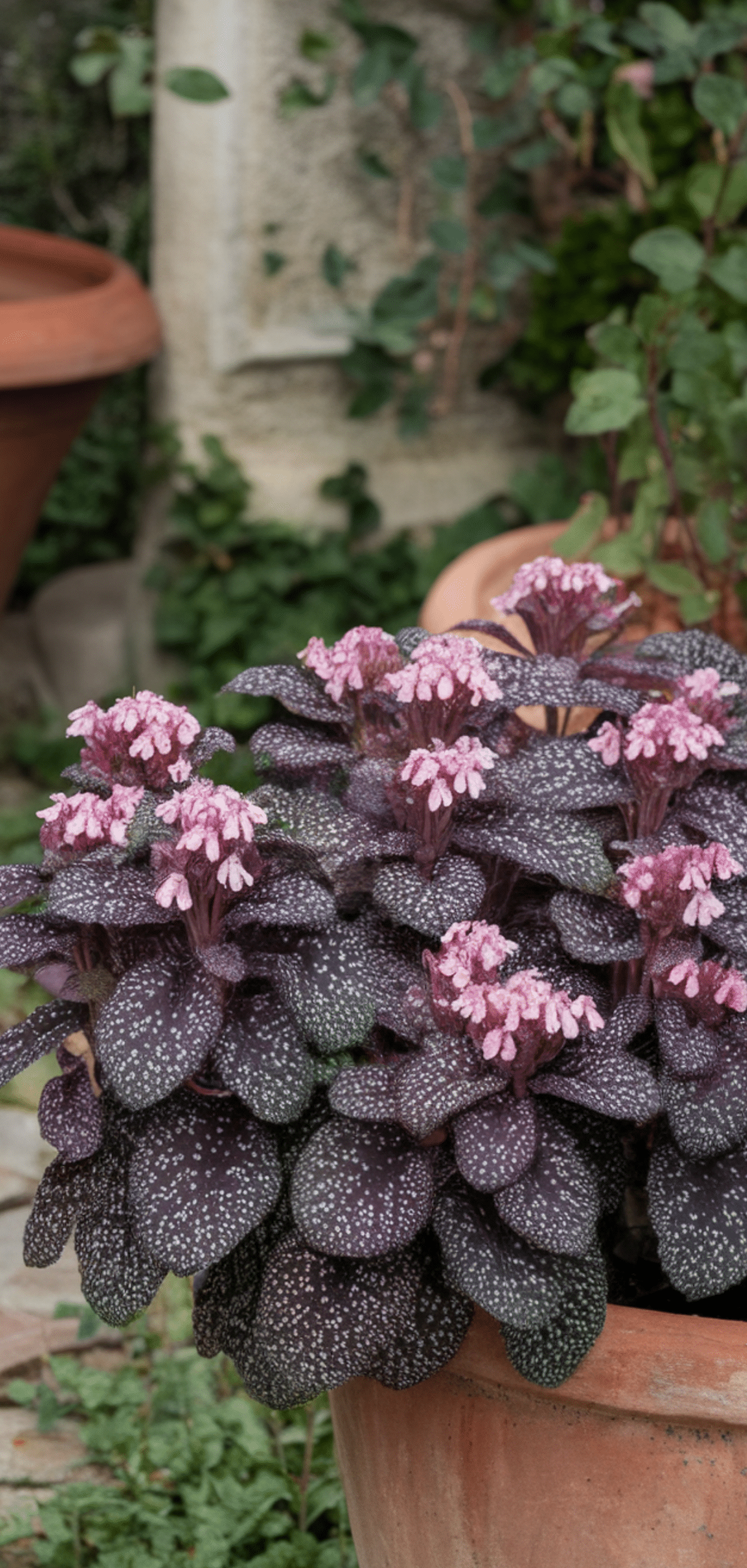
A hybrid lungwort, Pulmonaria ‘Trevi Fountain’ features striking silvery leaves with dark green spots and vibrant pink-to-blue blooms.
Shade Perennials Tip: Works well as an underplanting for deciduous shrubs.
3. Creeping Jenny (Lysimachia nummularia)
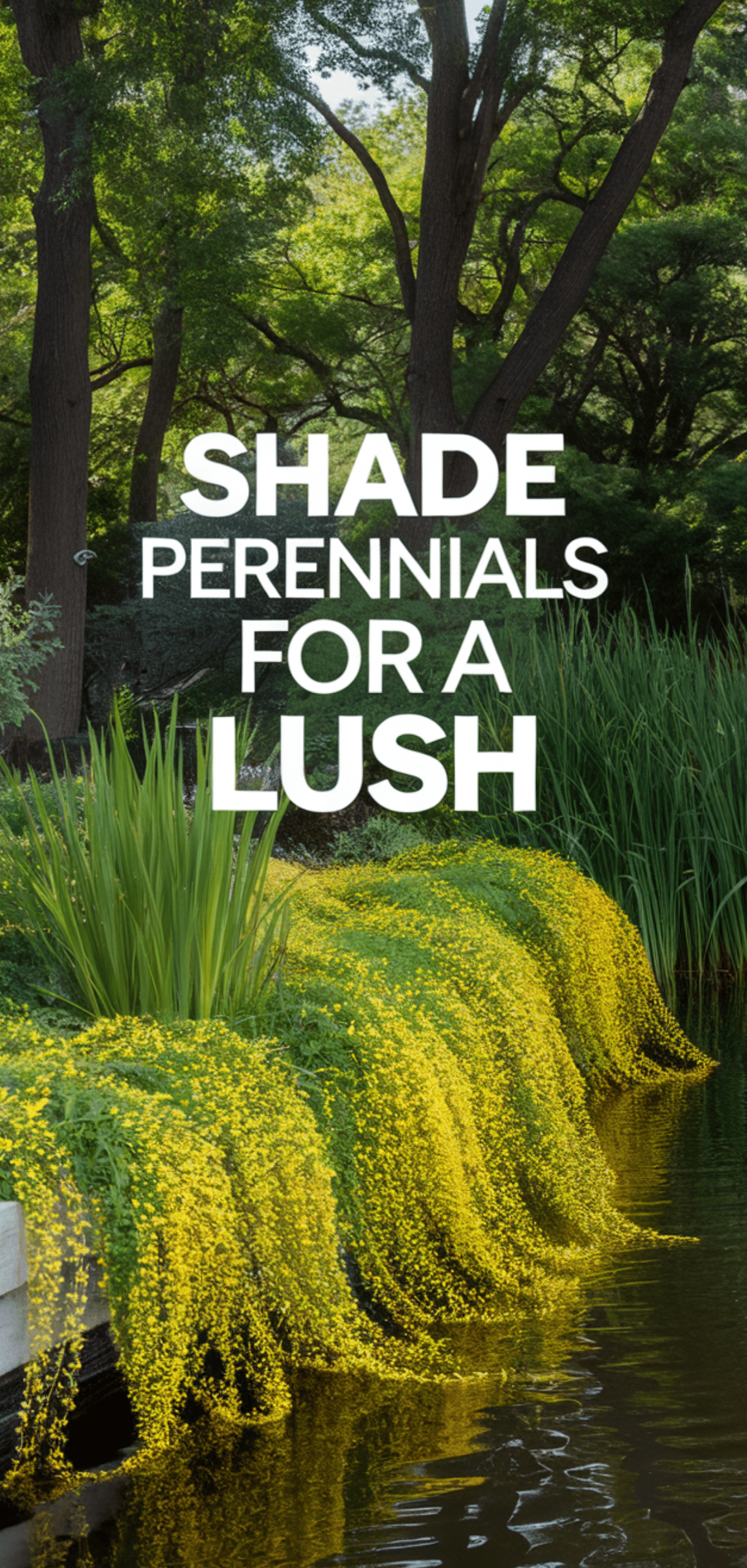
This trailing perennial adds bright chartreuse foliage to shady areas. It prefers consistently moist soil and partial shade.
Shade Perennials Tip: Monitor spread; it can become aggressive in some garden beds.
2. Hellebores (Helleborus spp.)
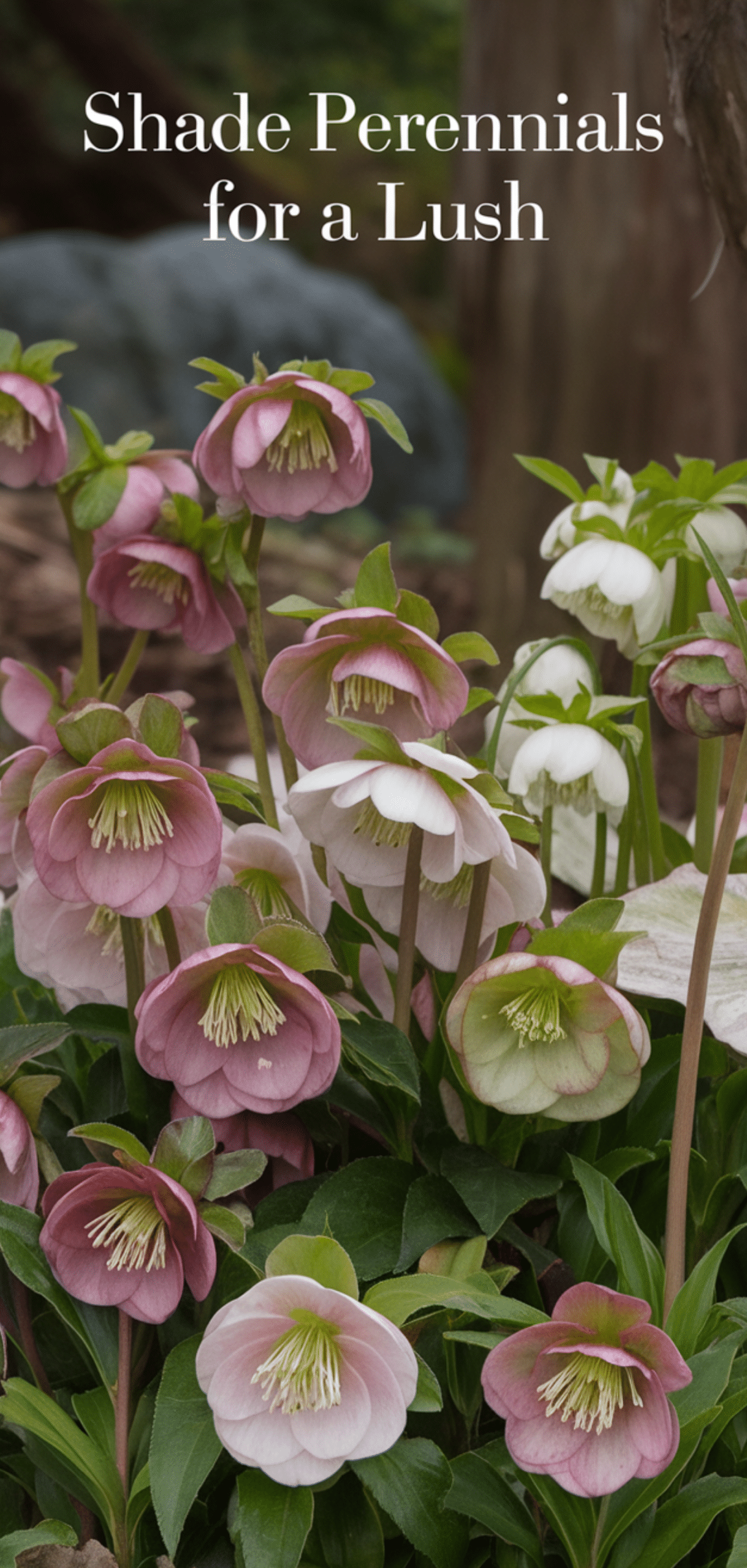
Hellebores, or Lenten roses, bloom in late winter or early spring with long-lasting flowers. They prefer partial shade and well-drained soil.
Shade Perennials Tip: Protect from harsh winter winds and provide mulch for root insulation.
1. Trillium (Trillium spp.)
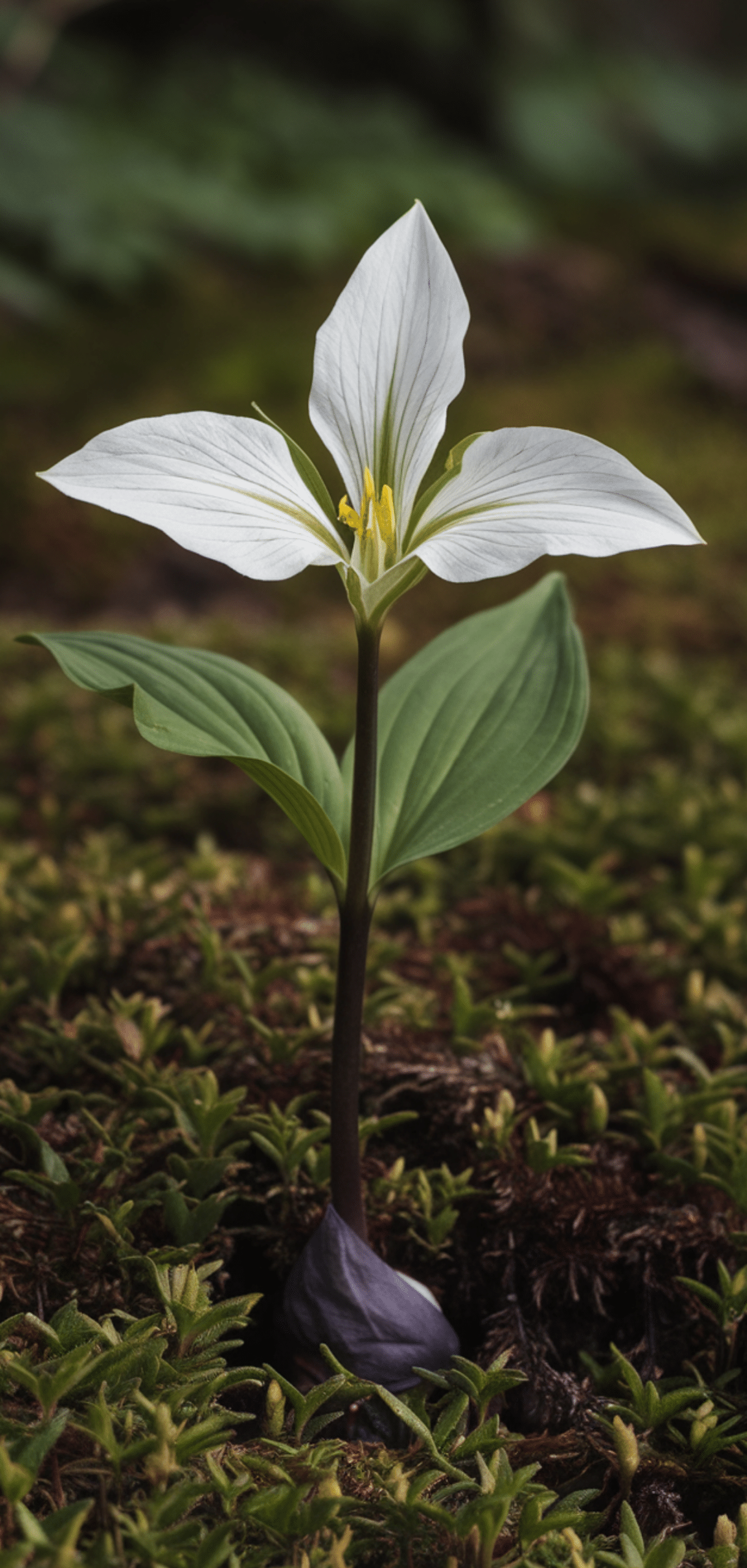
Trilliums are native woodland plants with unique three-petaled flowers. They flourish in rich, humus-filled soil and deep shade.
Shade Perennials Tip: Ideal for naturalizing under trees; patience is key as they establish slowly but reward with years of beauty.
Conclusion
By carefully selecting these sixteen shade perennials and applying proper soil, water, and spacing strategies, we can transform any dark garden corner into a vibrant, low-light paradise. Each plant contributes unique color, texture, and seasonal interest, ensuring year-round appeal.
Enjoyed this post?
Share the love with another mom!
Every share helps this little blog grow — thank you so much