
Make sure to join my list for Weekly Tips and Recipes to Your Inbox
17 Perfect Small Backyard Farming Ideas

A little note: Some images in this post may come from third-party sources and are shared purely to inspire you. All credit goes to their original creators. Visit our Image Credits Policy for more information.
Backyard farming used to feel like an impossible dream for me because my own yard looked more like a forgotten patch than anything close to a farm.
I kept hearing people argue about what counts as a real farm, and it almost discouraged me from even starting.
Some said a few raised beds were just a garden, others swore that dirt and worms in a bucket already qualified as a worm farm, and someone else insisted one giant pumpkin could earn the USDA definition of a farm.
I remember mentioning my article about 17 Beautiful Fall Window Boxes and laughing at how crafting felt easier than growing a single tomato. I felt like I was faking it every time I put a seed in the ground.
My first season showed me how much I did not know. The soil was terrible, the layout made no sense, and my early attempts at peppers failed miserably, even though people online bragged about turning trays of seedlings into money-making pepper farms.
I started with chickens, too, because everyone said they were easy, but my coop was barely holding together, and I spent more time chasing them out of the neighbor’s yard than collecting eggs.
Still, I kept building. I fenced the garden, dug raised beds, hauled compost, and added arches for climbing vegetables, and slowly the space started to change.
I planted weird seeds just to see what would happen: tigger melon, red noodle beans, and yard-long cucumbers. I canned my first batch of produce and gave jars to neighbors. Every time something grew, it felt like proof that I could actually do this.
The turning point came when I stopped comparing my backyard to everyone else’s and focused on creating something that felt like mine.
I learned when to weed, how to test soil, why my chickens needed a better coop, and how a simple water line could save me hours of dragging a hose around.
I even added flowers to brighten the space and planned for bees next season. One day, I looked around at the raised beds, buzzing insects, fresh eggs, colorful vines, and realized my backyard farming dream had quietly become real.
The solution was not perfection, but showing up, learning, and letting the yard grow with me instead of against me.
What We're Exploring
- 01 17. Vertical Gardening for Limited Space
- 02 16. Raised Beds for Easy Soil Management
- 03 15. Companion Planting to Boost Yield
- 04 14. Herb Spiral for a Compact Herb Garden
- 05 13. Container Gardening for Flexibility
- 06 12. Compost Bin for Sustainable Nutrients
- 07 11. Raised Chicken Coop for Eggs
- 08 10. Aquaponics System for Integrated Farming
- 09 9. Pollinator-Friendly Plants
- 10 8. Compost Tea for Liquid Fertilizer
- 11 7. Small Fruit Trees and Bushes
- 12 6. Seasonal Crop Rotation
- 13 5. Mulching for Moisture and Weed Control
- 14 4. DIY Greenhouse for Extended Growing Season
- 15 3. Worm Composting for Nutrient-Rich Castings
- 16 2. Rainwater Harvesting for Sustainable Irrigation
- 17 1. Succession Planting for Continuous Harvest
- 18 Conclusion
17. Vertical Gardening for Limited Space
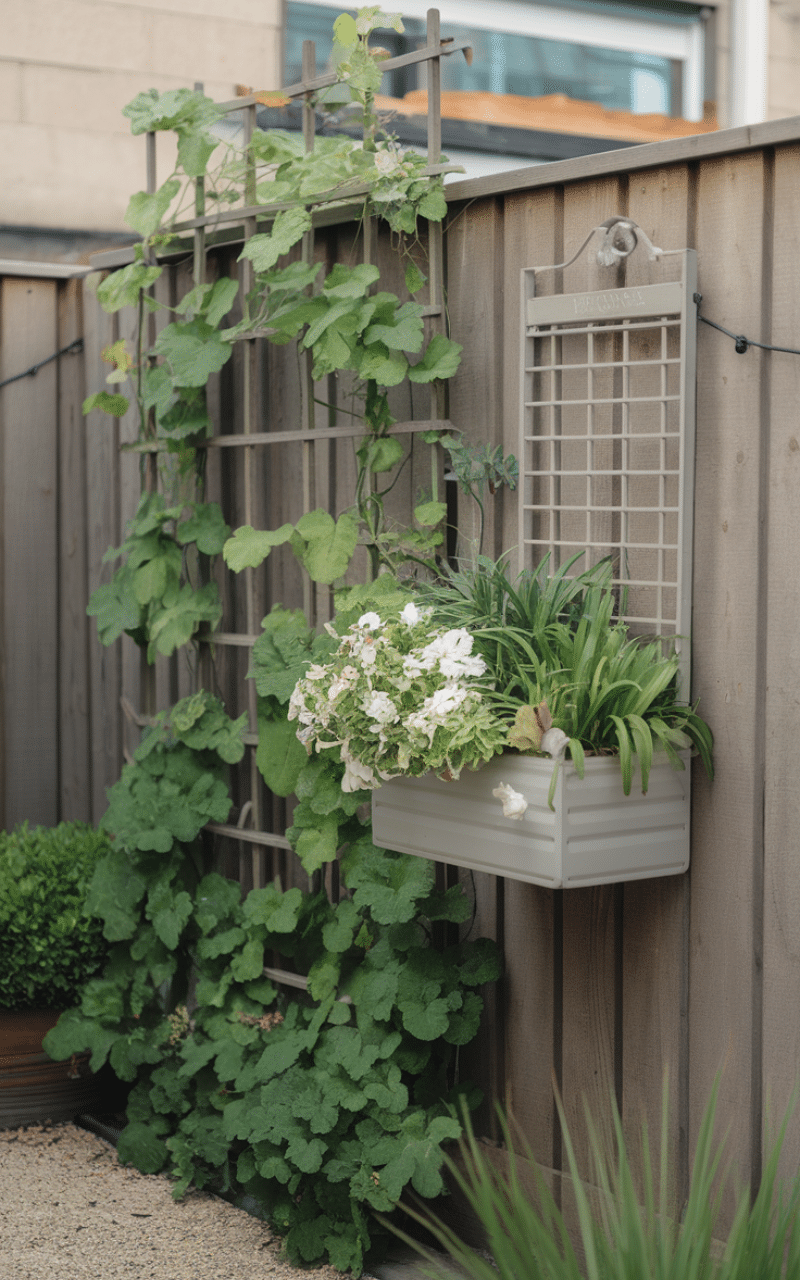
Growing plants vertically using trellises, wall-mounted planters, or hanging pots maximizes small backyard space.
Small Backyard Farming Tip: Use sturdy trellises and regularly prune plants to maintain growth and prevent overcrowding.
16. Raised Beds for Easy Soil Management
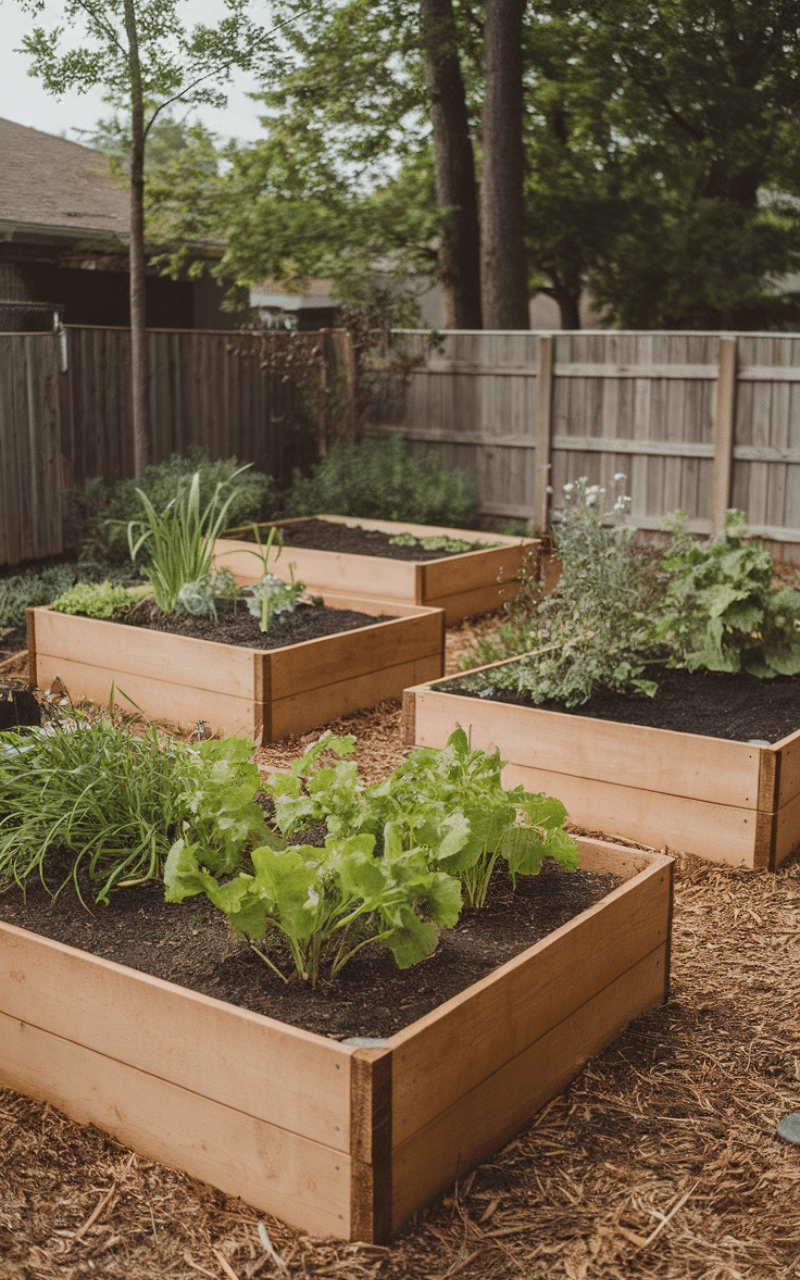
Raised garden beds improve drainage, soil quality, and accessibility for planting and harvesting.
Small Backyard Farming Tip: Build beds with durable, untreated wood and fill with a mix of compost and topsoil for optimal growth.
15. Companion Planting to Boost Yield
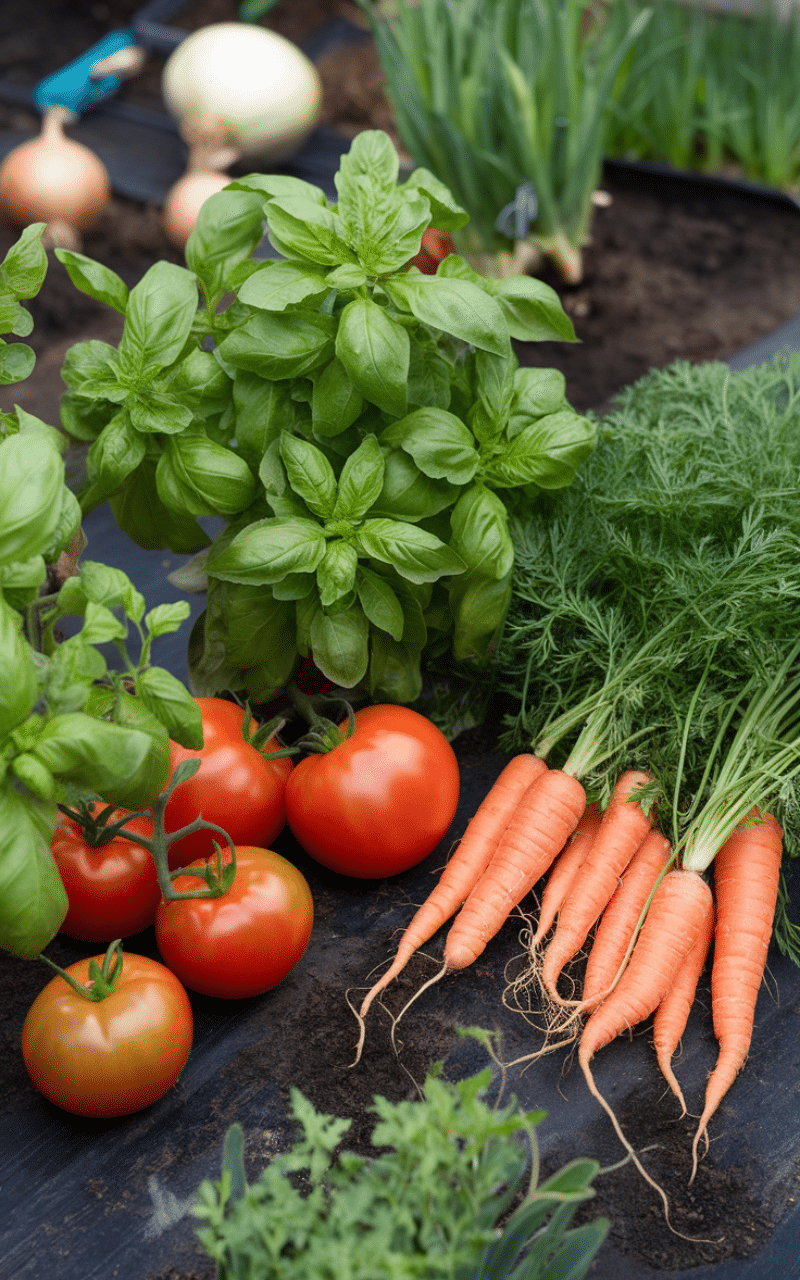
Planting compatible crops together reduces pests and increases productivity.
Small Backyard Farming Tip: Pair tomatoes with basil or carrots with onions to enhance growth and natural pest control.
14. Herb Spiral for a Compact Herb Garden
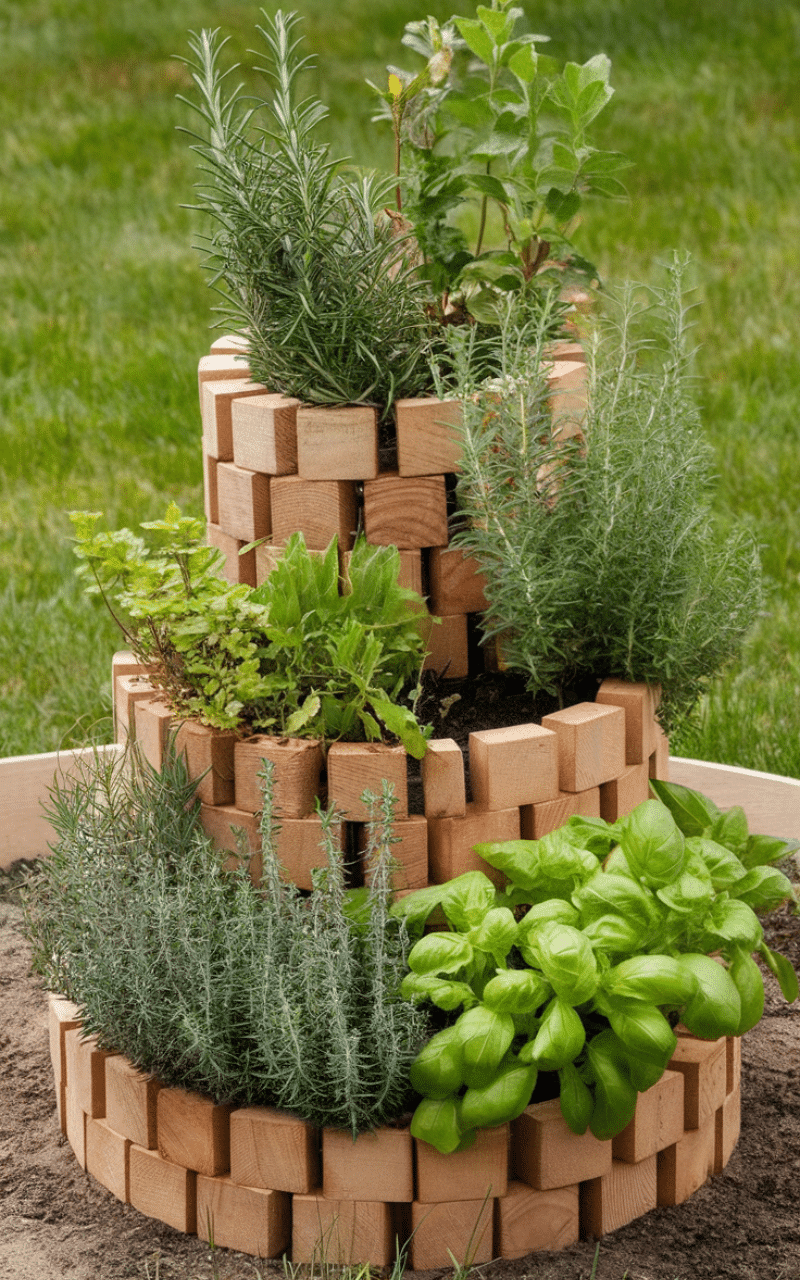
A spiral garden allows multiple herbs to grow in a small vertical space with varied sunlight exposure.
Small Backyard Farming Tip: Place sun-loving herbs at the top and shade-tolerant herbs at the bottom for optimal growth.
13. Container Gardening for Flexibility
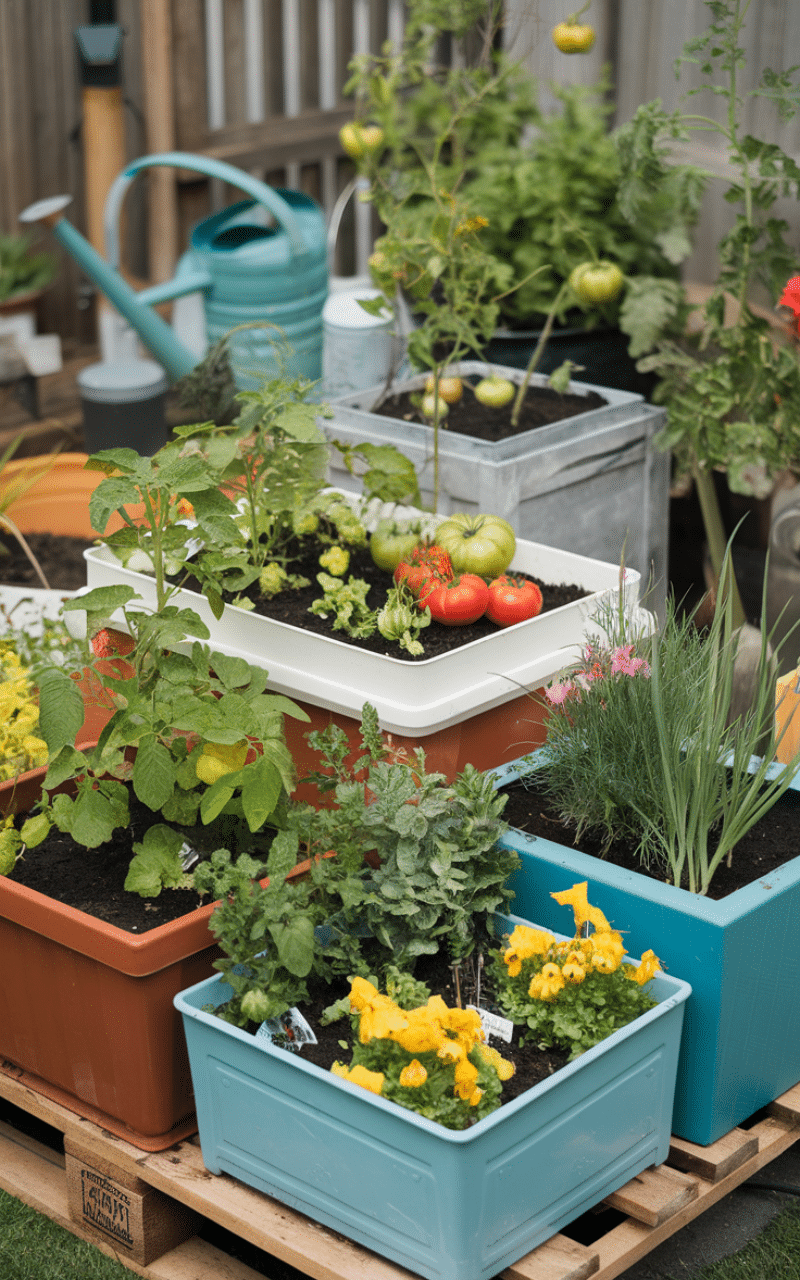
Containers allow growing vegetables and fruits on patios, decks, or small patches of ground.
Small Backyard Farming Tip: Choose containers with drainage holes and rotate plants to ensure even sunlight exposure.
12. Compost Bin for Sustainable Nutrients
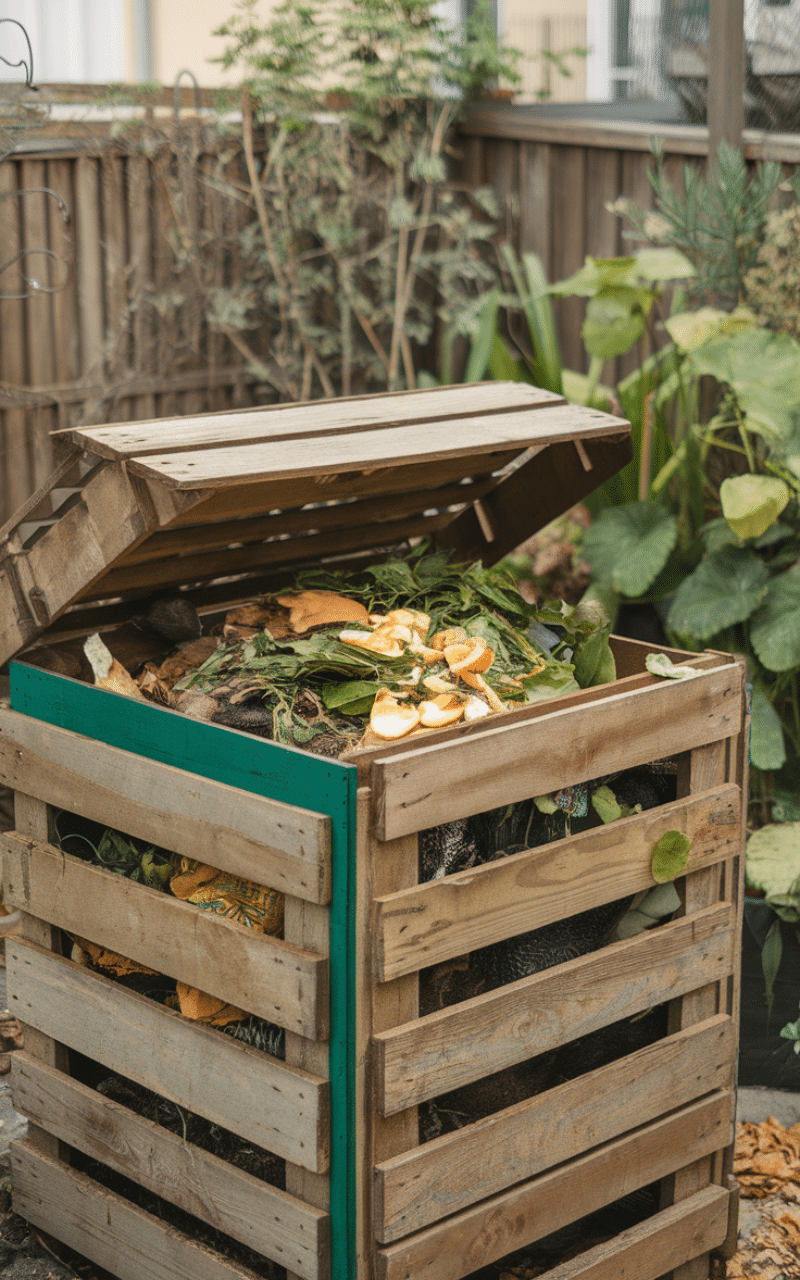
Creating a compost bin turns organic waste into nutrient-rich fertilizer for your plants.
Small Backyard Farming Tip: Layer green and brown materials, and turn regularly to speed up decomposition.
11. Raised Chicken Coop for Eggs
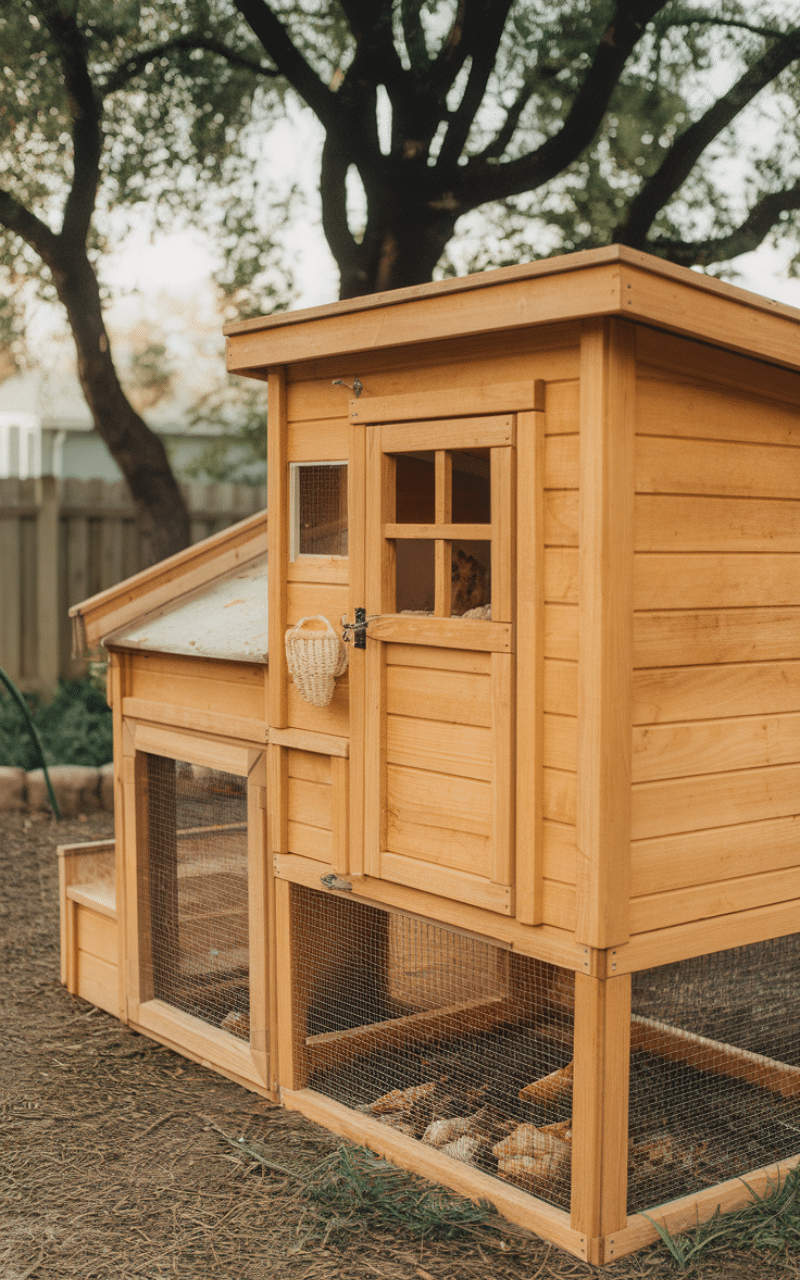
A compact backyard chicken coop provides fresh eggs and natural pest control.
Small Backyard Farming Tip: Ensure adequate ventilation, predator protection, and a small run area for chickens to roam.
10. Aquaponics System for Integrated Farming
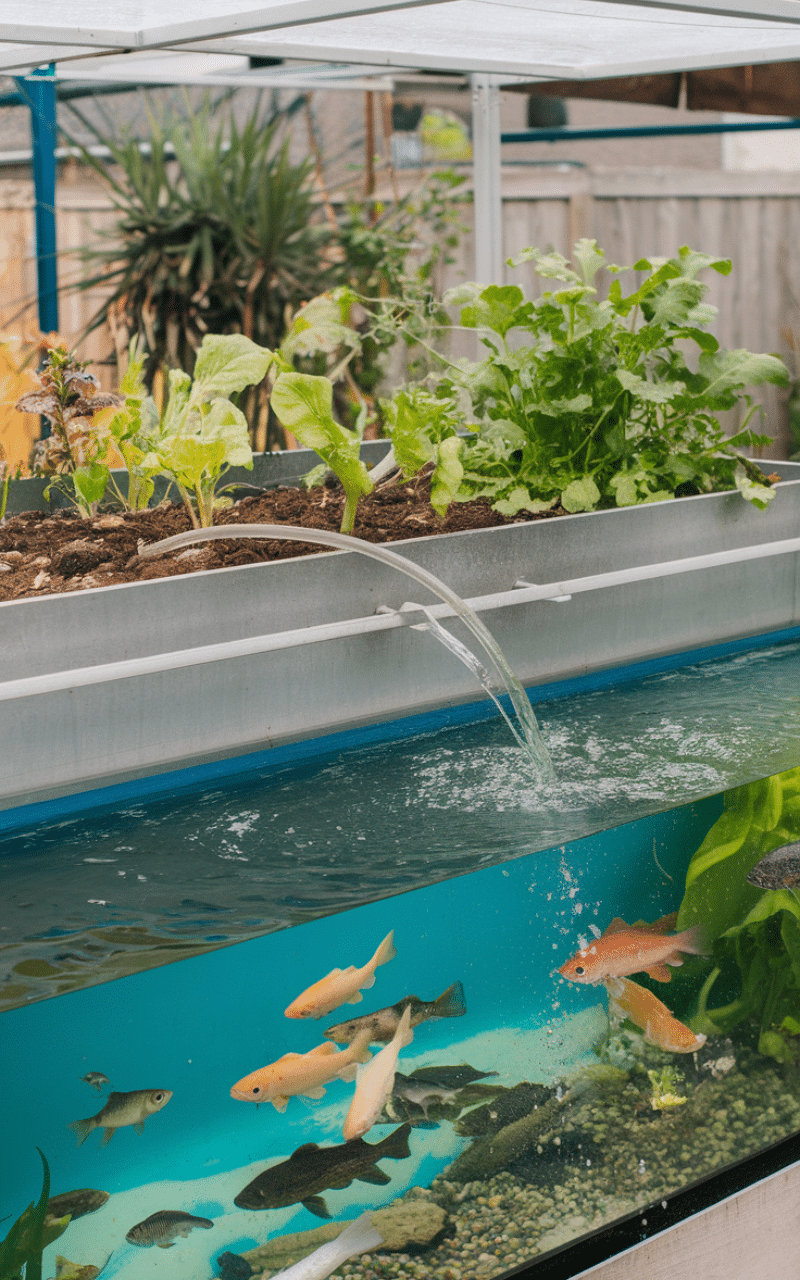
Combining fish and plants in a closed-loop system maximizes productivity in a limited space.
Small Backyard Farming Tip: Maintain water quality and balance fish feeding with plant nutrient uptake for a healthy system.
9. Pollinator-Friendly Plants
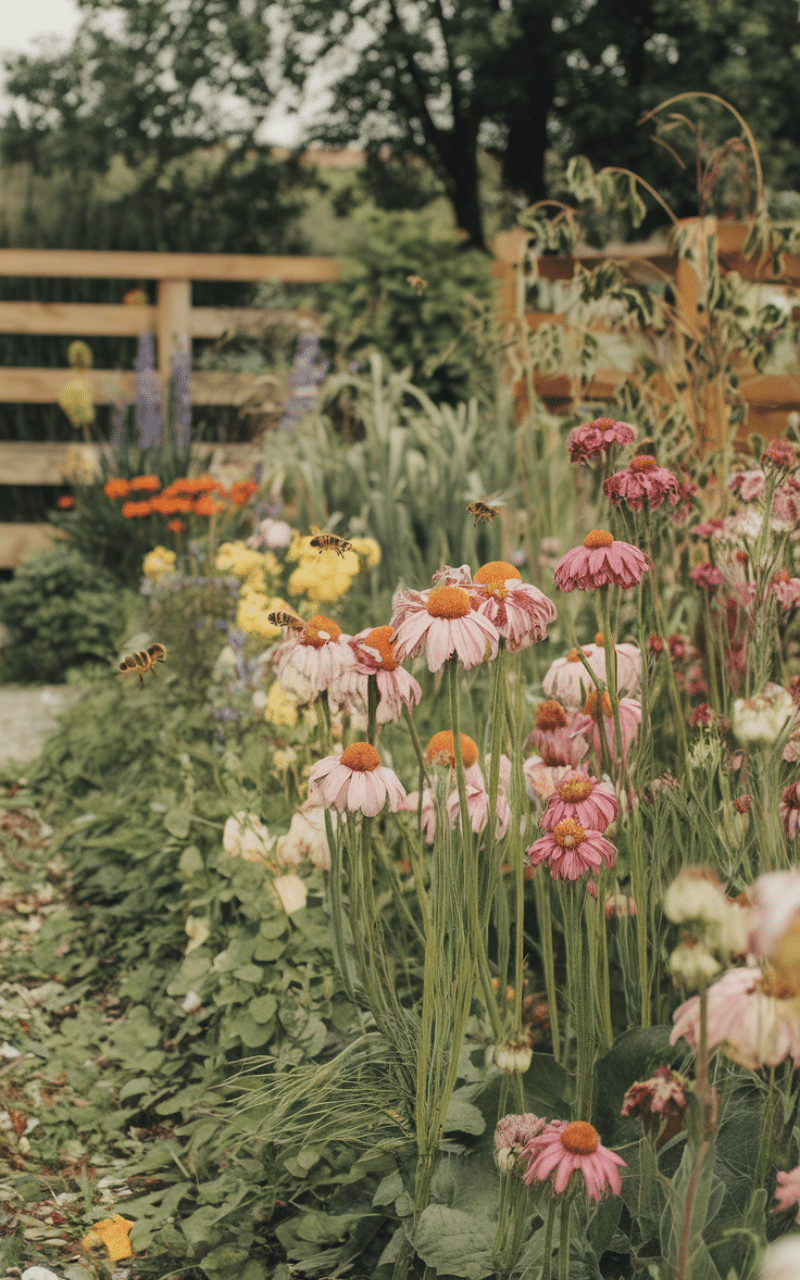
Including flowers and plants that attract bees, butterflies, and other pollinators increases crop yield.
Small Backyard Farming Tip: Plant native flowering species and avoid pesticides to encourage beneficial insects.
8. Compost Tea for Liquid Fertilizer
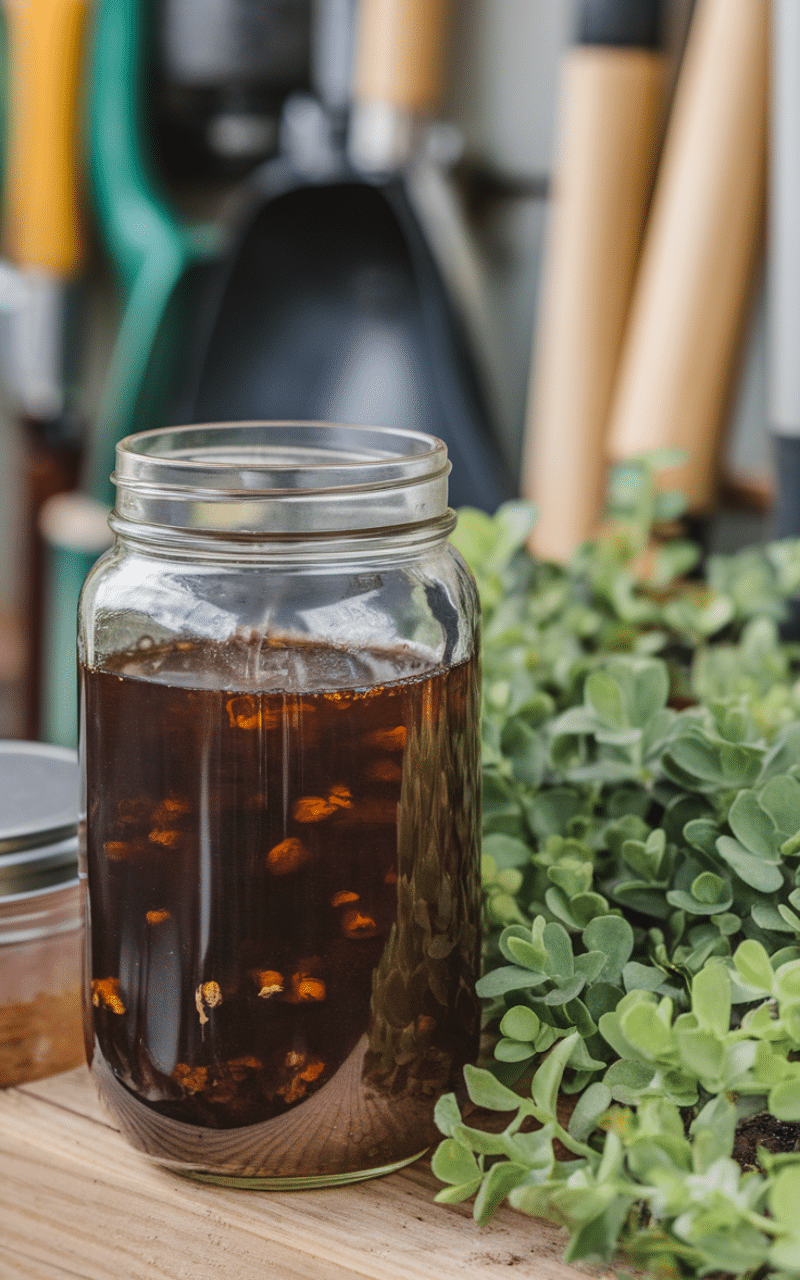
Using compost tea nourishes plants quickly and supports soil microbes.
Small Backyard Farming Tip: Brew tea from mature compost and apply directly to plant bases or as a foliar spray.
7. Small Fruit Trees and Bushes
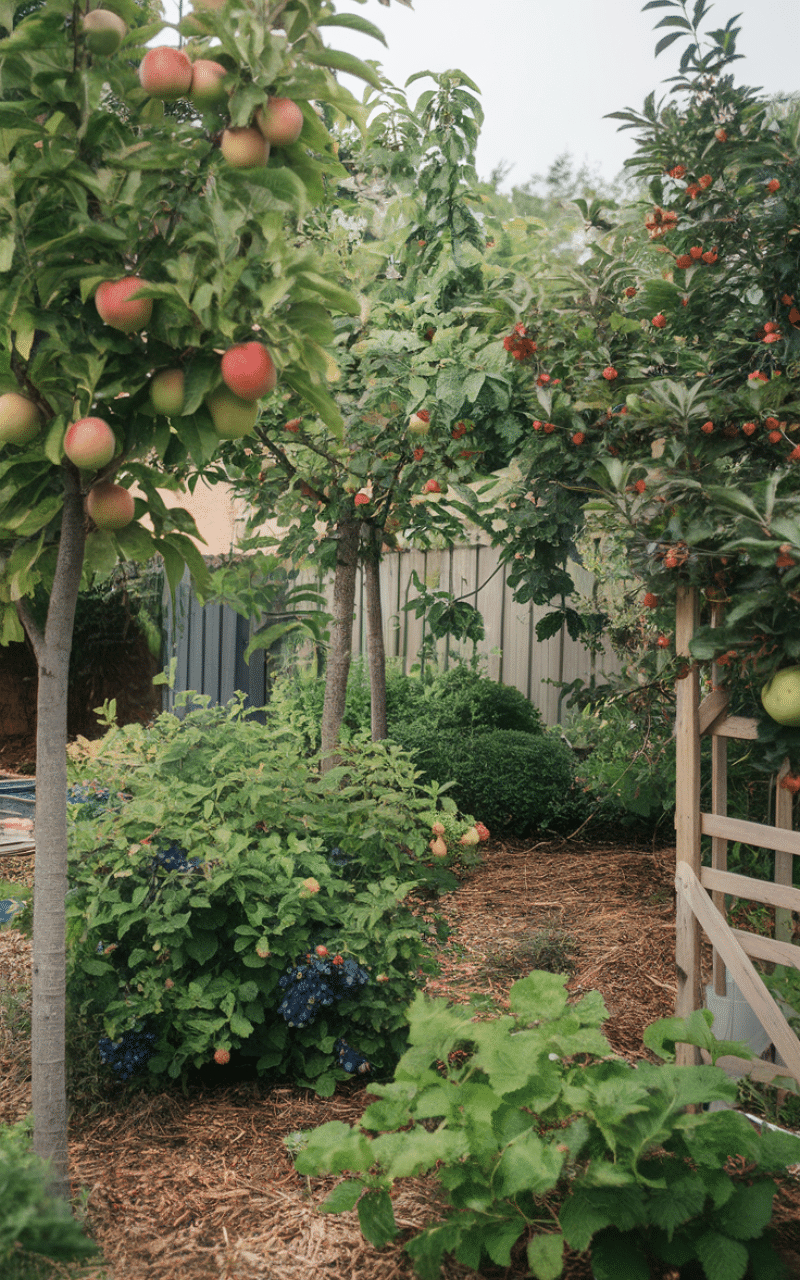
Dwarf fruit trees and berry bushes provide fresh produce without taking up much space.
Small Backyard Farming Tip: Select compact varieties and prune annually to maintain size and productivity.
6. Seasonal Crop Rotation
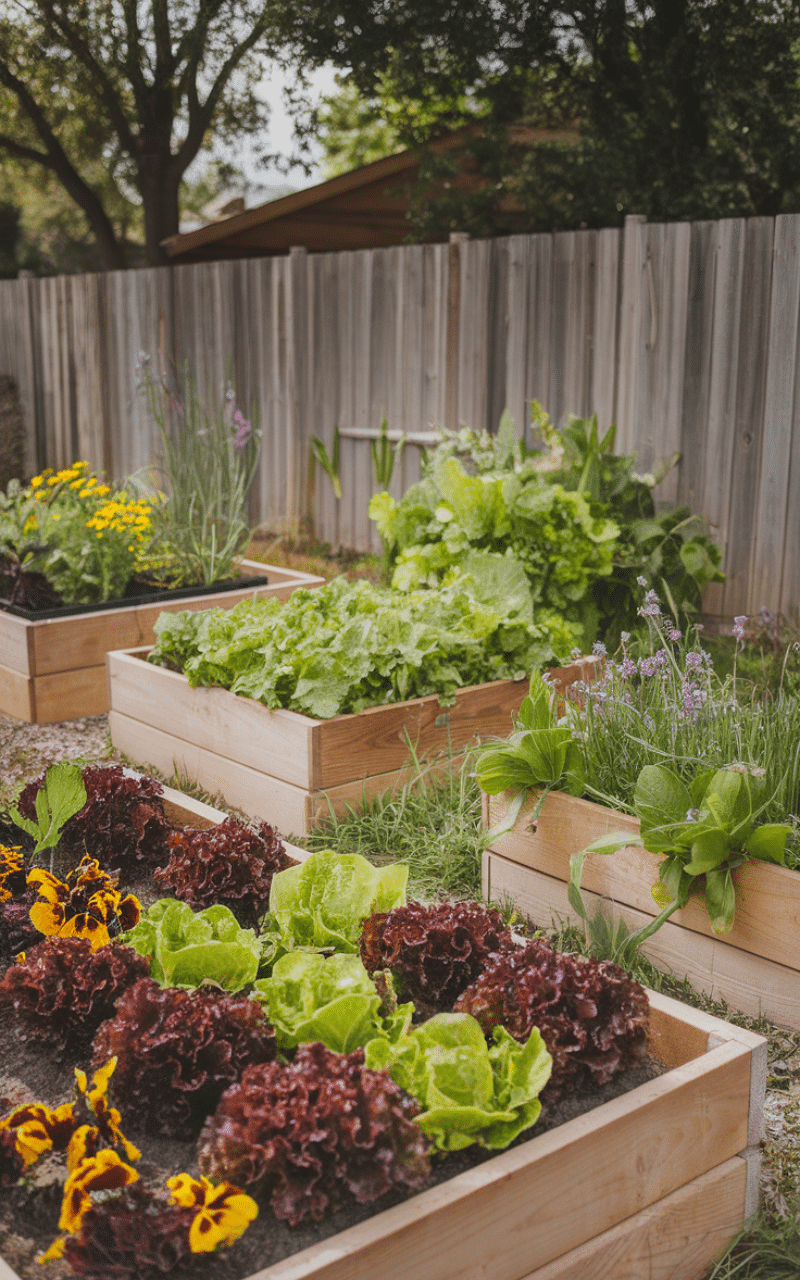
Rotating crops prevents soil depletion and reduces pest buildup.
Small Backyard Farming Tip: Keep a planting schedule and swap plant families each season to maintain healthy soil.
5. Mulching for Moisture and Weed Control
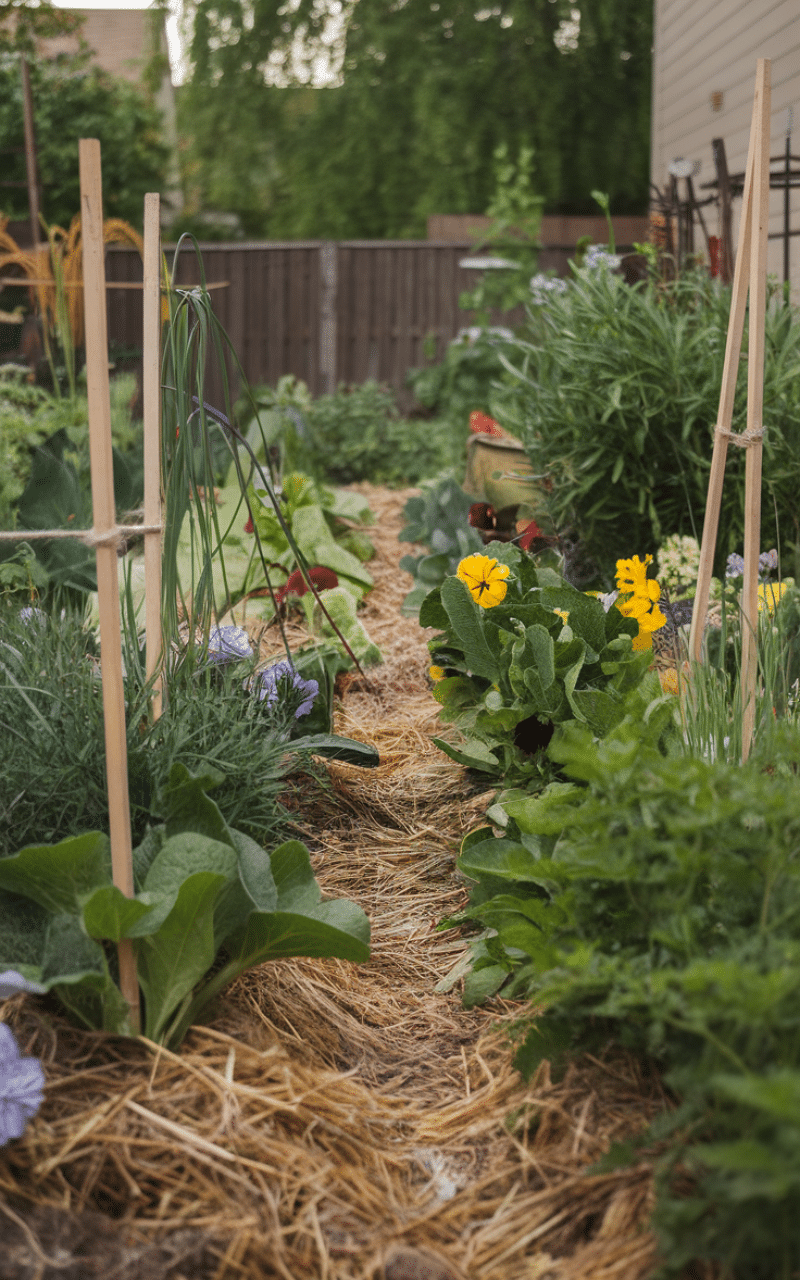
Mulching reduces water loss and keeps weeds in check around plants.
Small Backyard Farming Tip: Use straw, wood chips, or leaf litter, and replenish mulch regularly to maintain effectiveness.
4. DIY Greenhouse for Extended Growing Season
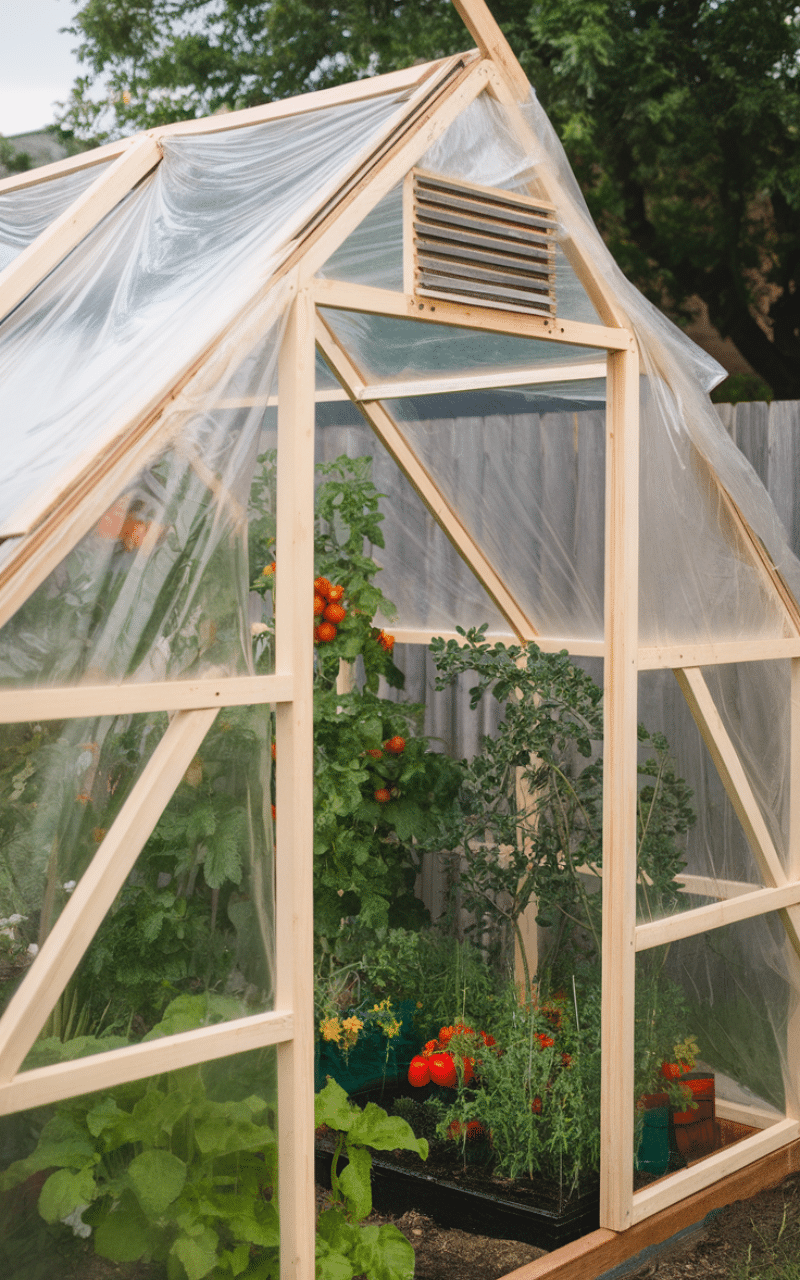
A small greenhouse allows for year-round gardening and protects plants from harsh weather.
Small Backyard Farming Tip: Choose transparent panels for sunlight, and add ventilation to prevent overheating.
3. Worm Composting for Nutrient-Rich Castings
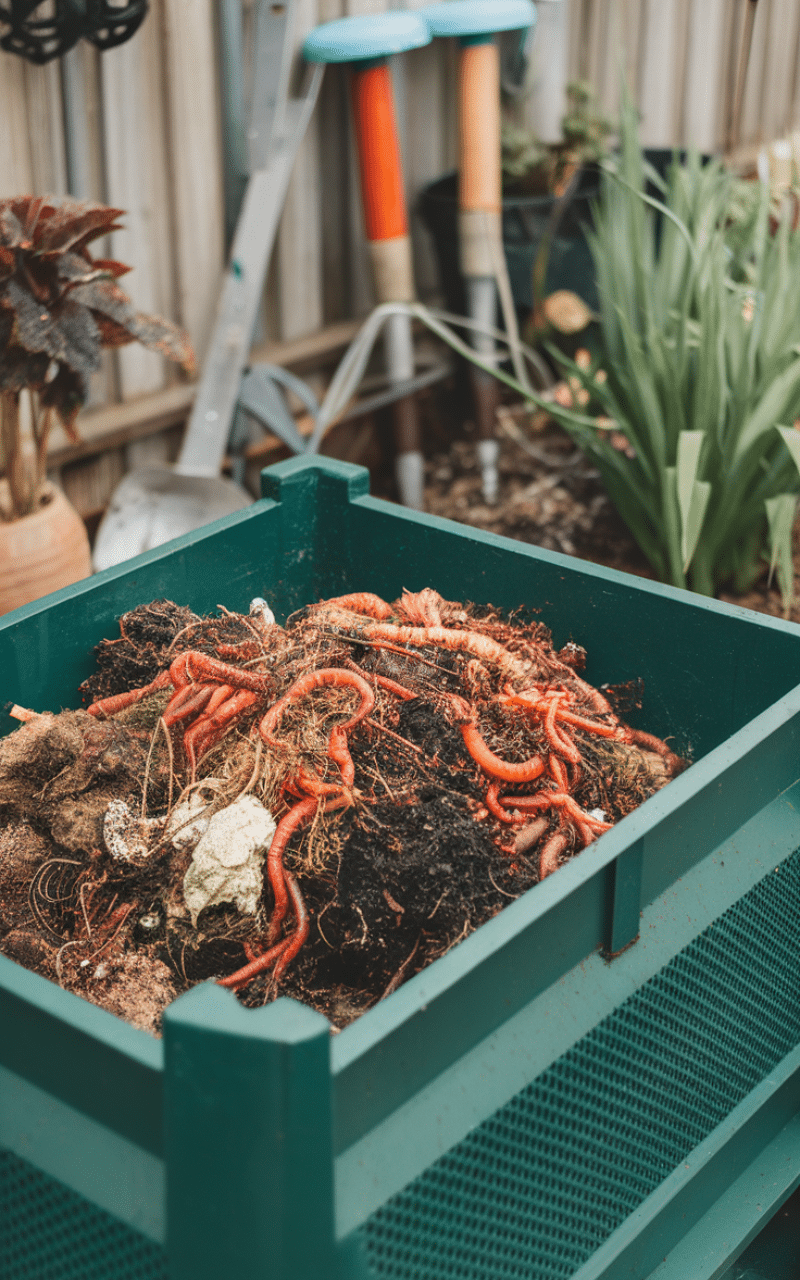
Vermiculture produces worm castings, a potent natural fertilizer for gardens.
Small Backyard Farming Tip: Maintain a moist, dark bin and feed worms small amounts regularly to avoid odors.
2. Rainwater Harvesting for Sustainable Irrigation
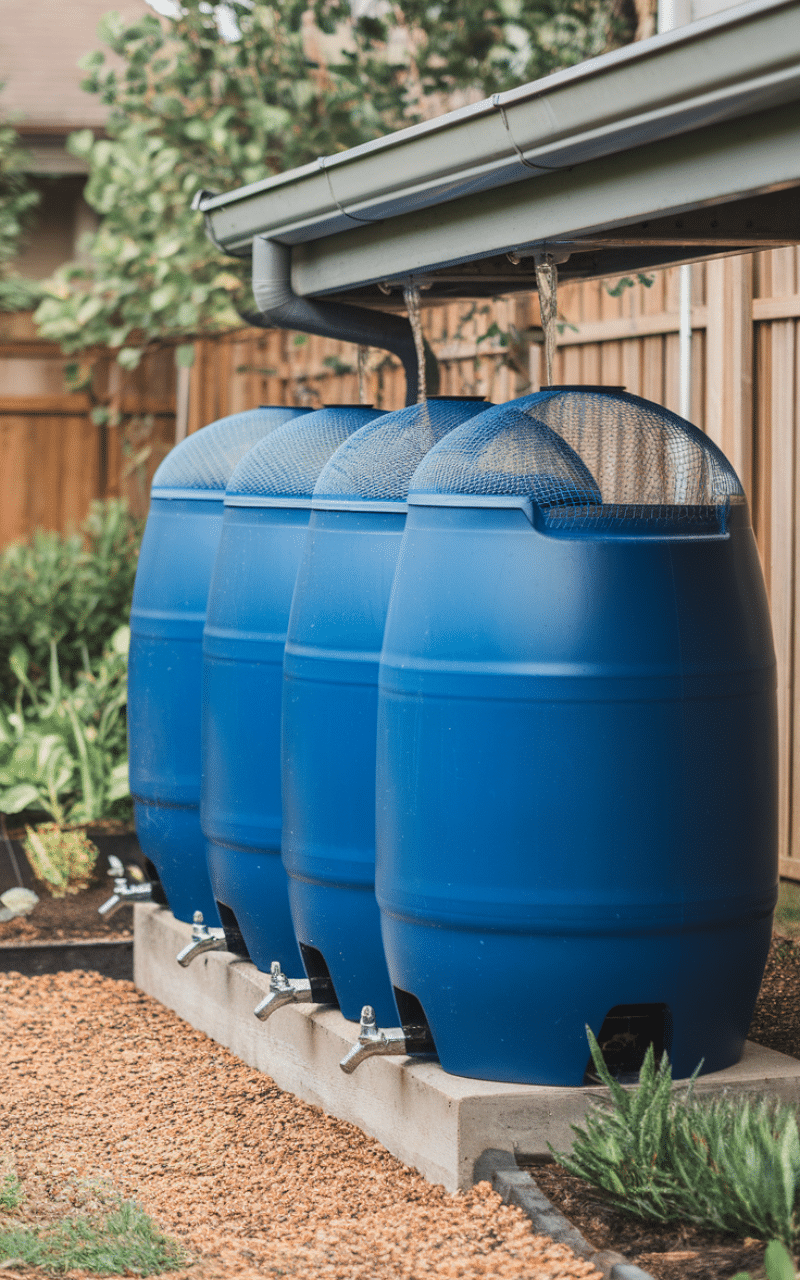
Collecting rainwater reduces dependence on municipal water and supports eco-friendly gardening.
Small Backyard Farming Tip: Use barrels with fine mesh covers to keep debris and mosquitoes out.
1. Succession Planting for Continuous Harvest
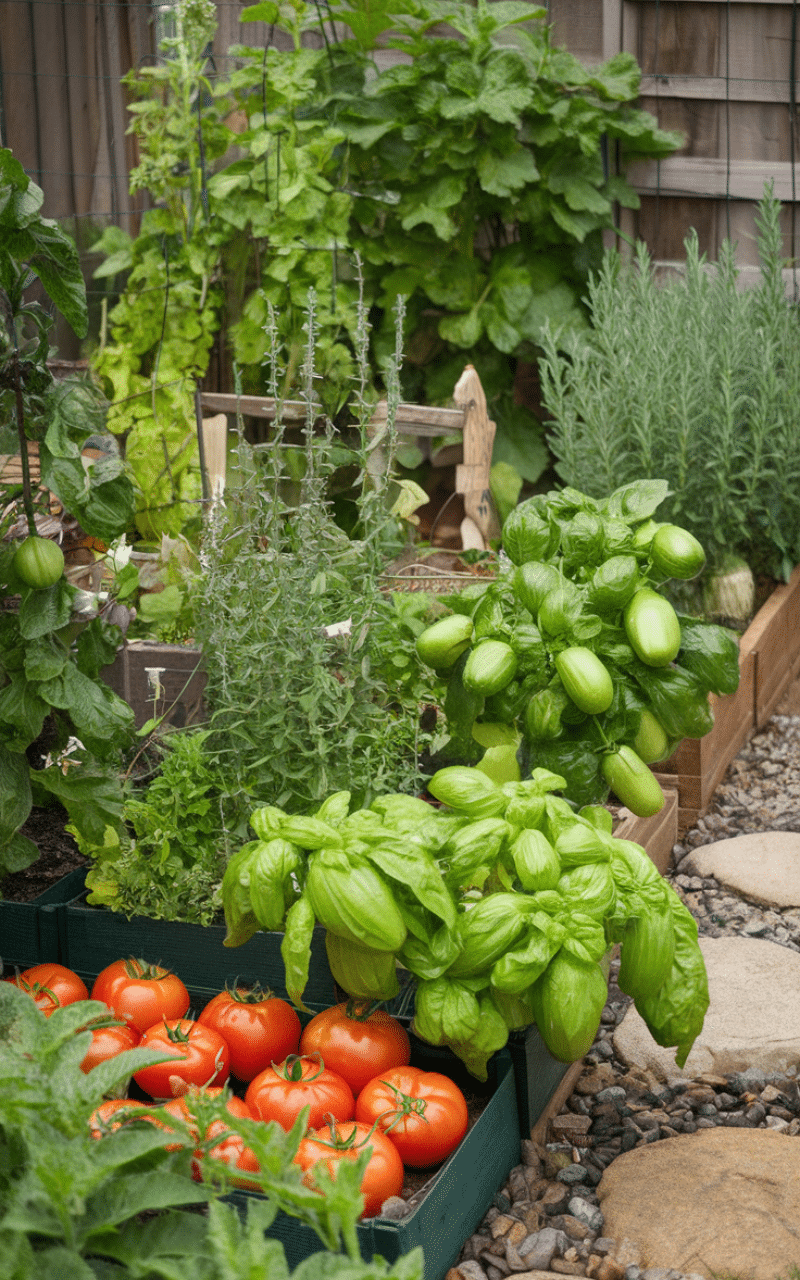
Staggering planting times ensures a steady supply of fresh vegetables and herbs.
Small Backyard Farming Tip: Plan planting schedules for each crop type and track growth timelines to maintain consistency.
Conclusion
Even a small backyard can become a productive farm with careful planning and creative solutions. By implementing these 17 ideas, you can grow vegetables, herbs, fruits, and even keep small livestock sustainably. Each tip focuses on maximizing space, improving yield, and maintaining a healthy, eco-friendly backyard environment for year-round productivity.
Enjoyed this post?
Share the love with another mom!
Every share helps this little blog grow — thank you so much