
Make sure to join my list for Weekly Tips and Recipes to Your Inbox
18 Creative Raised Brick Garden Edging Ideas

A little note: Some images in this post may come from third-party sources and are shared purely to inspire you. All credit goes to their original creators. Visit our Image Credits Policy for more information.
I’ll never forget the frustration of standing over my backyard path, staring at my half-finished project. The bricks for my brick garden edging were wobbling, and every step I took made them shift slightly.
I didn’t want to use a ton of polymeric sand, and I wasn’t sure if regular sand mixed with cement would hold. Every tutorial I found online seemed to assume perfect conditions: straight lines, level ground, and ideal edging materials.
Mine? Not so much. The plastic snap edging I had put down expanded in the sun and bent everywhere, and the pavers themselves weren’t quite level. I felt like I’d already made mistakes that couldn’t be fixed.
After a bit of trial and error, I discovered the solution. First, I removed the plastic edging completely; it was useless. Then I dug a shallow bed and poured a 1/2-inch layer of concrete, placing each brick carefully on top.
I pushed the concrete up along the side away from the dirt to act as support. This simple step stabilized the bricks instantly. Over time, I learned that even good-quality pavers can move if they aren’t started straight, so I used a string line to make sure my edges were perfectly aligned.
Adding crushed limestone underneath further prevented settling and gave a firm foundation. By taking the time to level the base and secure the bricks properly, the entire garden path transformed from a wobbly eyesore to a clean, stable border.
Now, my brick garden edging has held up beautifully for over a year. Not a single weed has sprouted between the bricks, and the borders stay perfectly straight no matter how much I walk on the path.
It taught me that a strong foundation and proper installation matter more than shortcuts. If you’re tackling a similar project, start with leveling, set your bricks on a thin concrete bed, and don’t skimp on base material.
Trust me, once you get it right, your garden will look polished and professional. For more backyard inspiration, I also wrote about DIY Living Room Geometric Accent Wall Ideas, which sparked a lot of my own creativity indoors while I tackled outdoor projects.
What We're Exploring
- 01 18. Classic Straight-Edge Design
- 02 17. Curved Garden Borders
- 03 16. Staggered Brick Pattern
- 04 15. Double-Layer Brick Edge
- 05 14. Integrated Pathway Edging
- 06 13. Herringbone Pattern
- 07 12. Raised Herb Garden Border
- 08 11. Terraced Edging for Slopes
- 09 10. Decorative Brick Caps
- 10 9. Mixed Materials Edge
- 11 8. Raised Vegetable Garden Edge
- 12 7. Brick and Gravel Combo
- 13 6. Low-Rise Flower Bed Border
- 14 5. Mosaic Brick Design
- 15 4. Circular Raised Beds
- 16 3. Integrated Seating Wall
- 17 2. Rustic Brick Edge
- 18 1. Elevated Planter Edging
- 19 Conclusion
18. Classic Straight-Edge Design
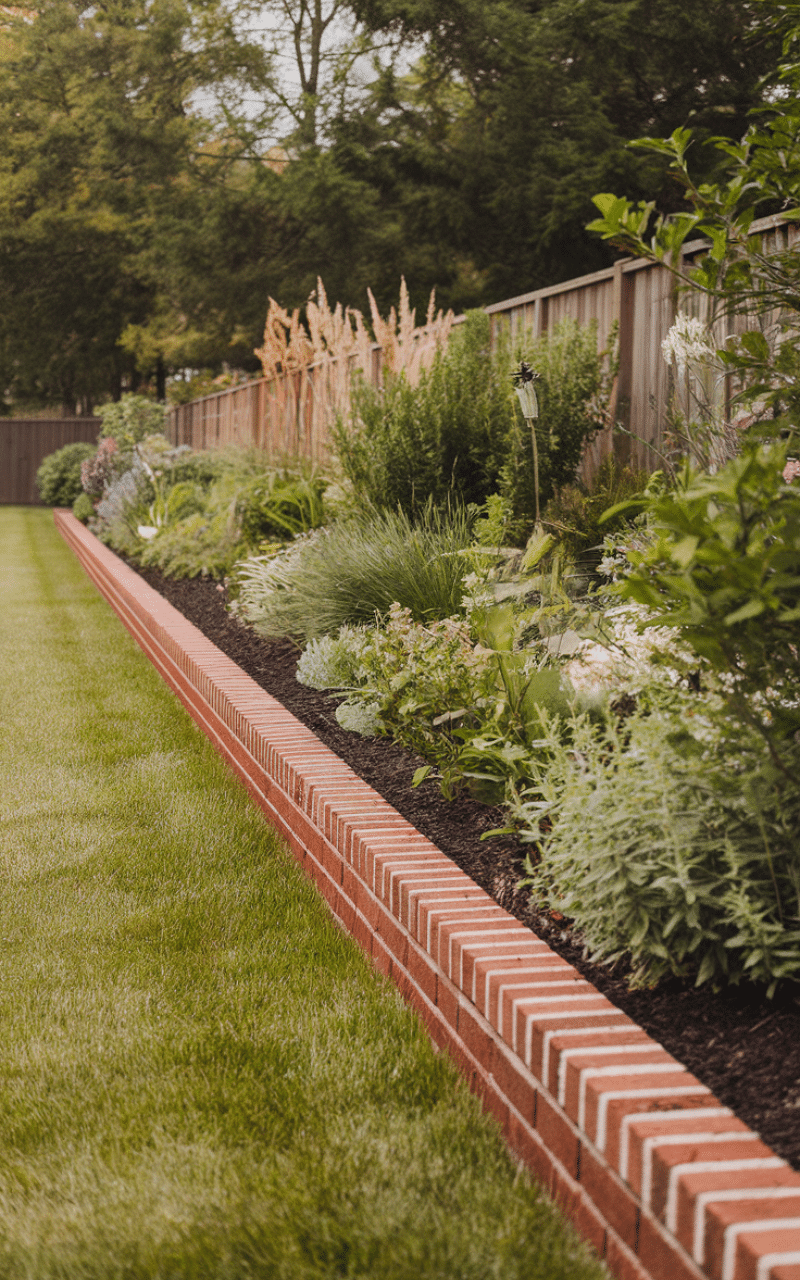
A straight-line raised brick border is simple yet elegant, providing a clean boundary between your lawn and garden beds.
Raised Brick Garden Edging Tip: Use level bricks and compact soil beneath to ensure even height and durability.
17. Curved Garden Borders
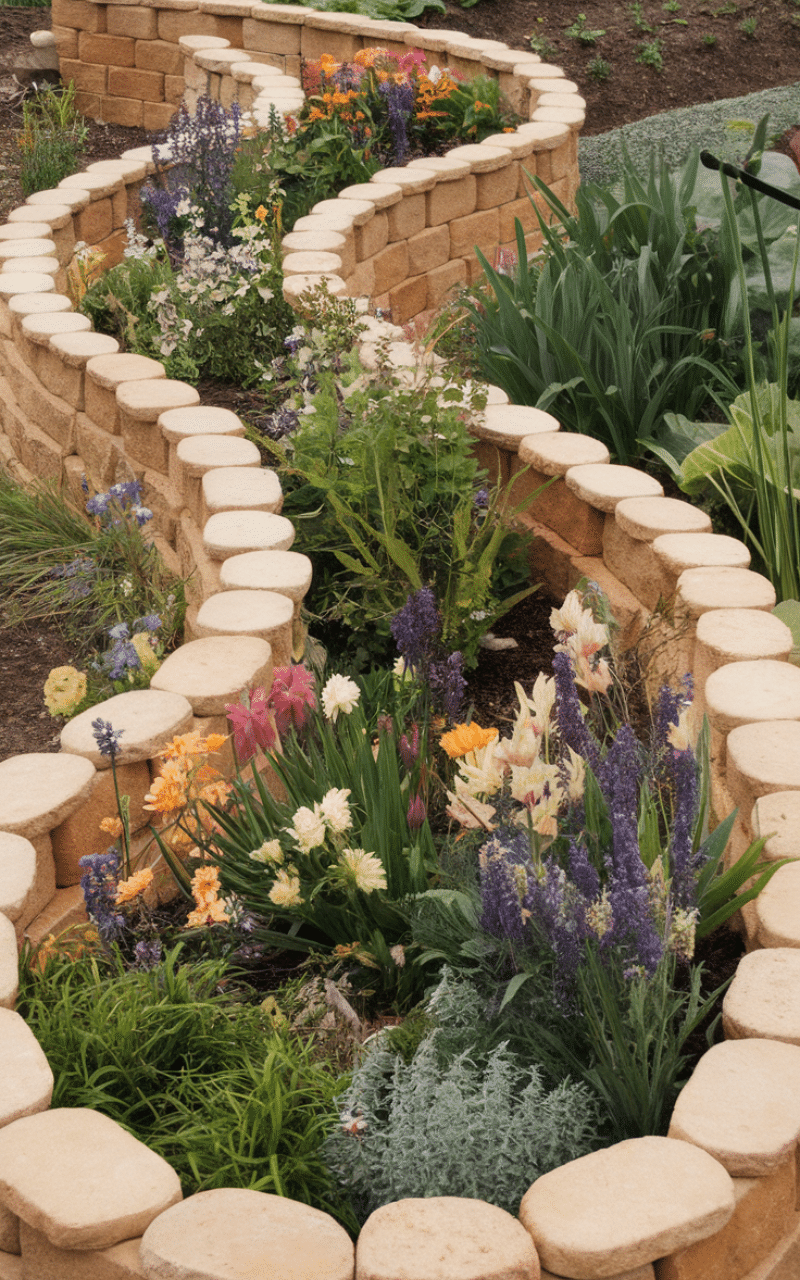
Soft, flowing curves create a natural and inviting appearance in flower beds and vegetable plots.
Raised Brick Garden Edging Tip: Mark your desired curve with rope or spray paint before laying the bricks for a smooth contour.
16. Staggered Brick Pattern

Staggered or running bond patterns add visual interest and break monotony in long edges.
Raised Brick Garden Edging Tip: Alternate brick joints for stability and aesthetic appeal.
15. Double-Layer Brick Edge
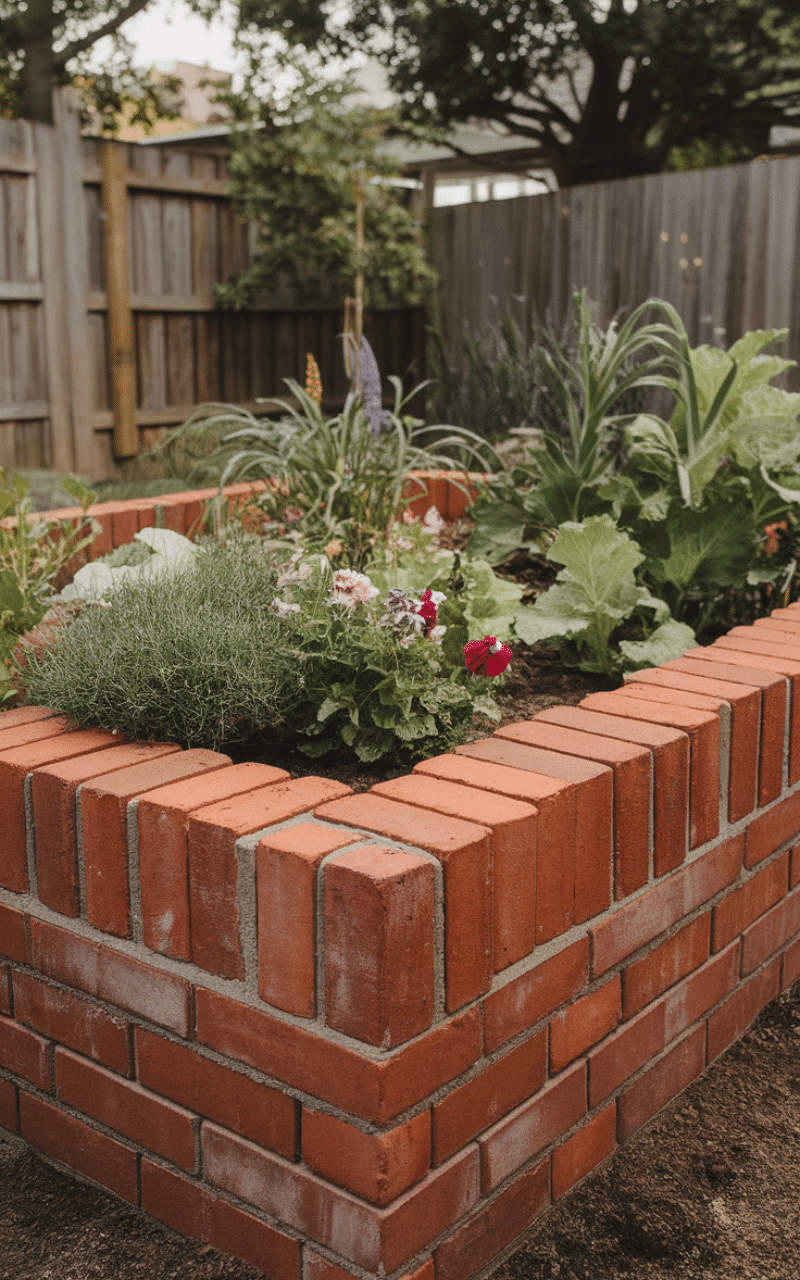
Using two brick layers increases height, perfect for raised beds or controlling soil erosion.
Raised Brick Garden Edging Tip: Use mortar or landscape adhesive between layers for extra strength.
14. Integrated Pathway Edging
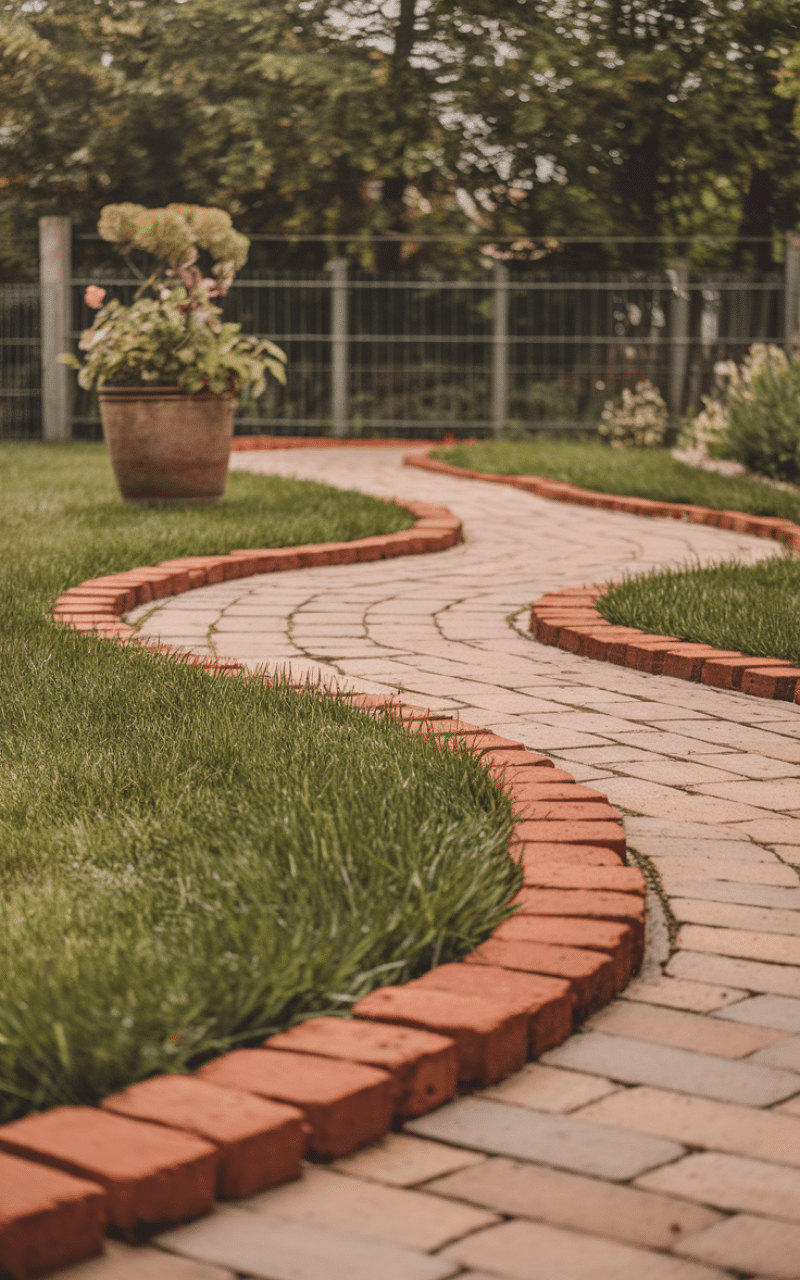
Combine brick edging with walkways to create defined paths through your garden.
Raised Brick Garden Edging Tip: Ensure bricks are flush with the path surface for easy walking.
13. Herringbone Pattern
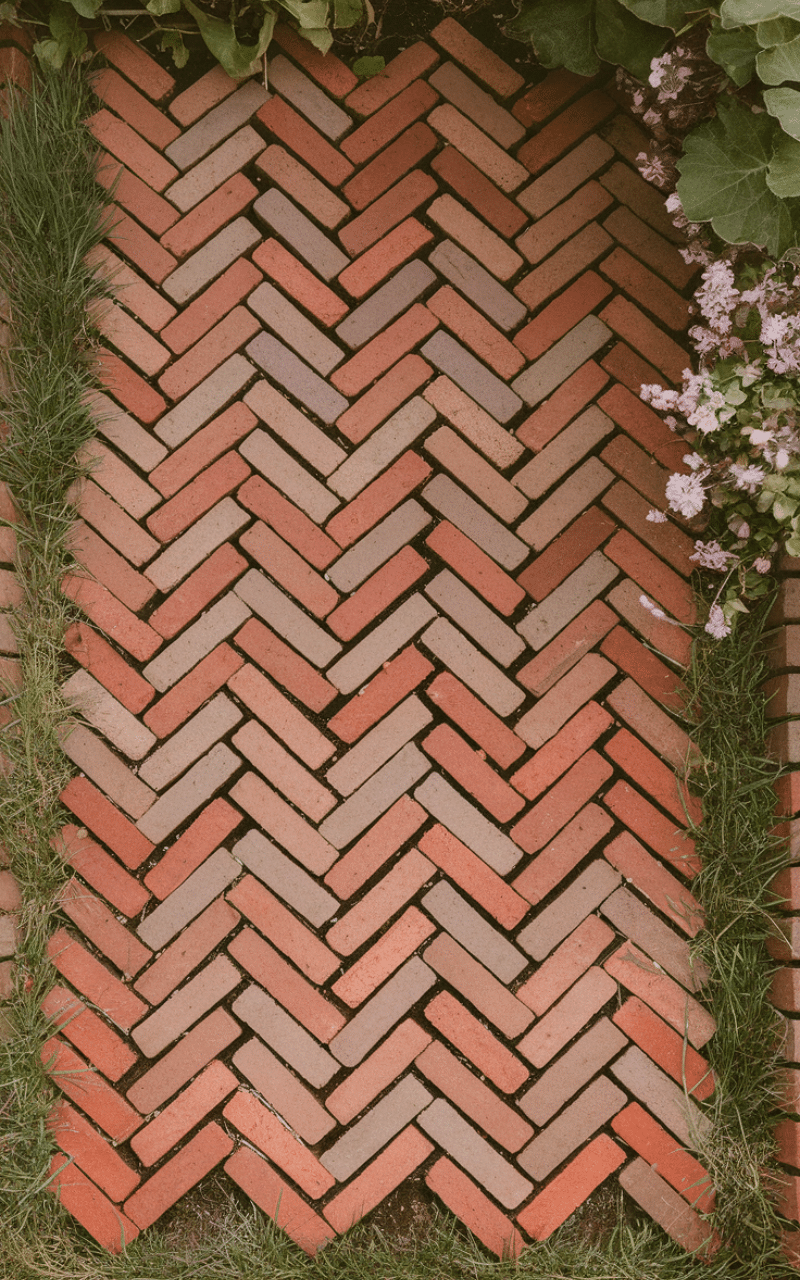
Arrange bricks in a herringbone pattern for a classic, textured look around flower beds or patios.
Raised Brick Garden Edging Tip: Use sand to fill gaps and stabilize the pattern against shifting.
12. Raised Herb Garden Border
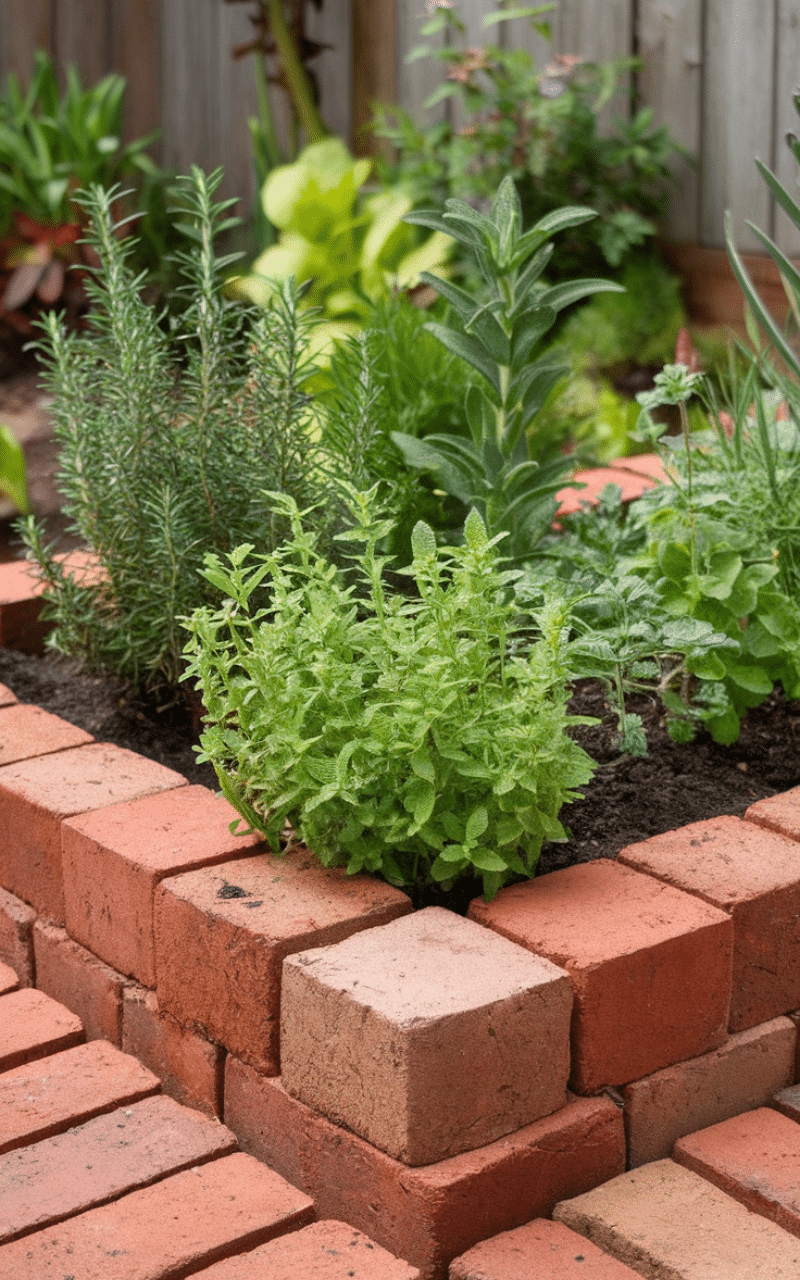
Use bricks to define a dedicated herb garden, keeping pathways clear and plants organized.
Raised Brick Garden Edging Tip: Consider slightly taller edges to prevent soil spillage and aid in watering control.
11. Terraced Edging for Slopes
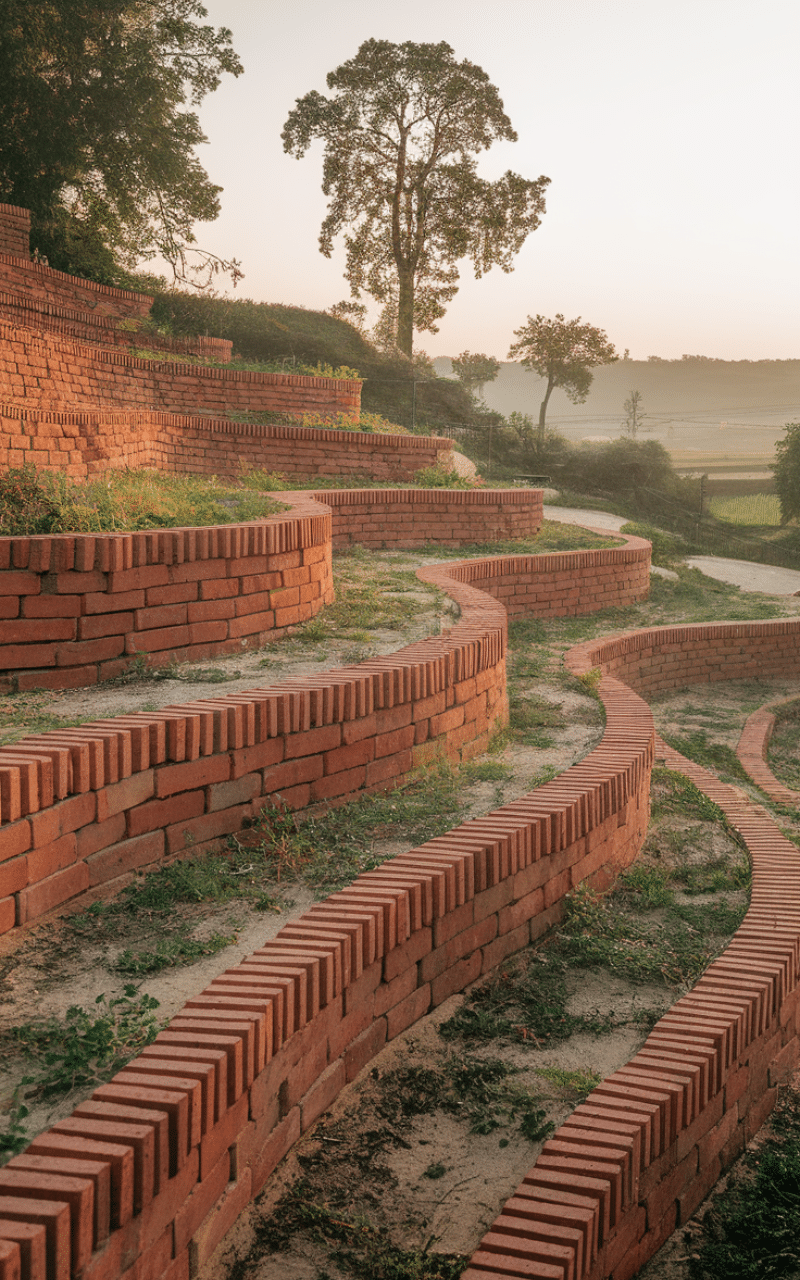
Terraced brick edging works well on inclined gardens, preventing soil erosion and creating visual tiers.
Raised Brick Garden Edging Tip: Secure each terrace with compacted gravel or mortar for long-term stability.
10. Decorative Brick Caps
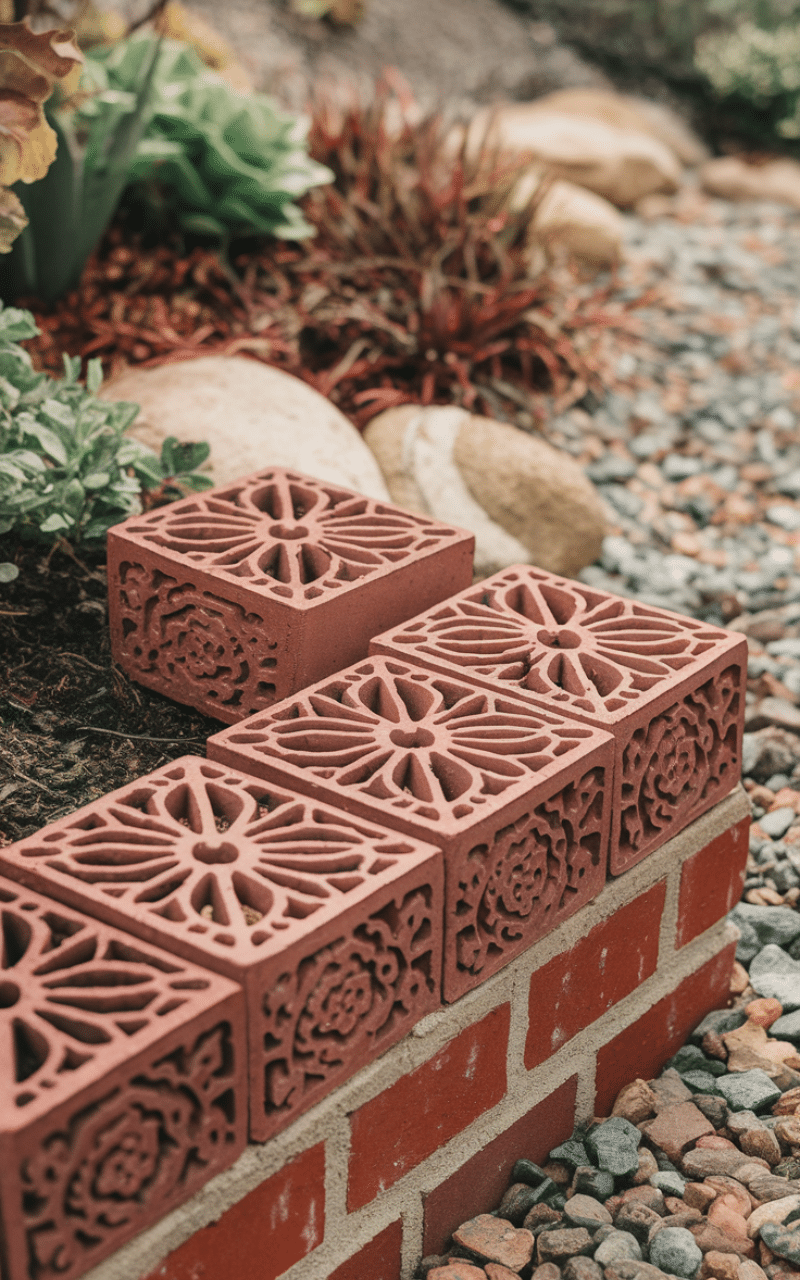
Top your edging with patterned or curved brick caps for a polished finish.
Raised Brick Garden Edging Tip: Choose caps that complement your brick color and landscape style.
9. Mixed Materials Edge
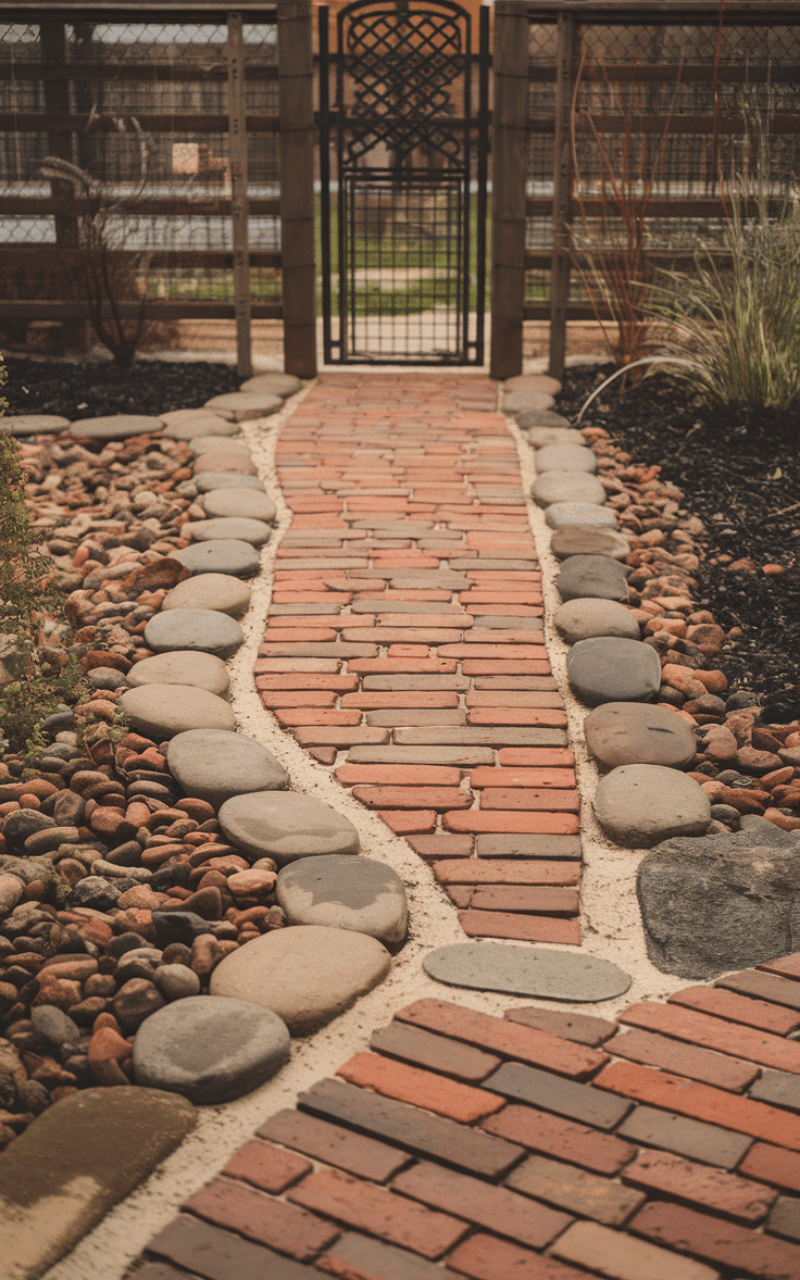
Combine bricks with natural stones or pavers for a more eclectic, textured border.
Raised Brick Garden Edging Tip: Maintain a consistent height between materials to ensure seamless integration.
8. Raised Vegetable Garden Edge
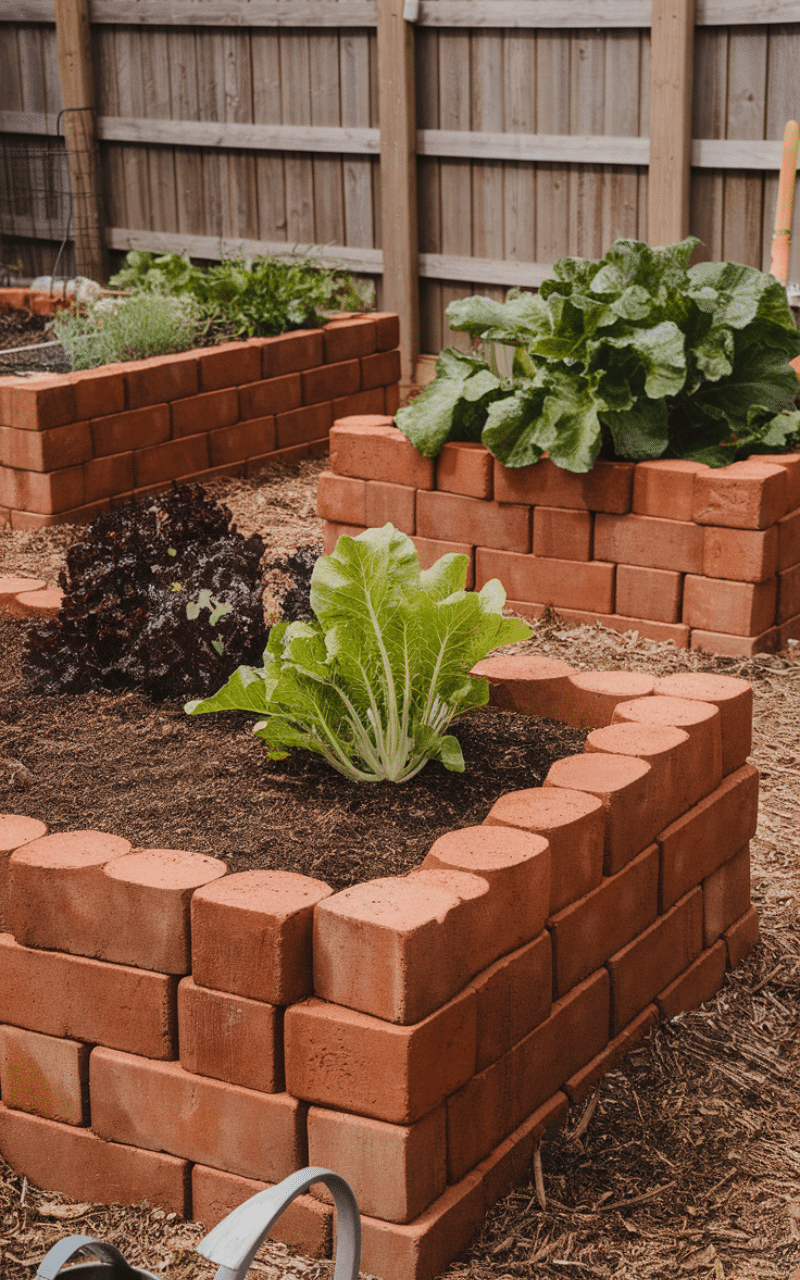
Define vegetable beds with bricks to protect plants and soil while giving a structured appearance.
Raised Brick Garden Edging Tip: Incorporate a slight inward slope to retain water around plant roots.
7. Brick and Gravel Combo
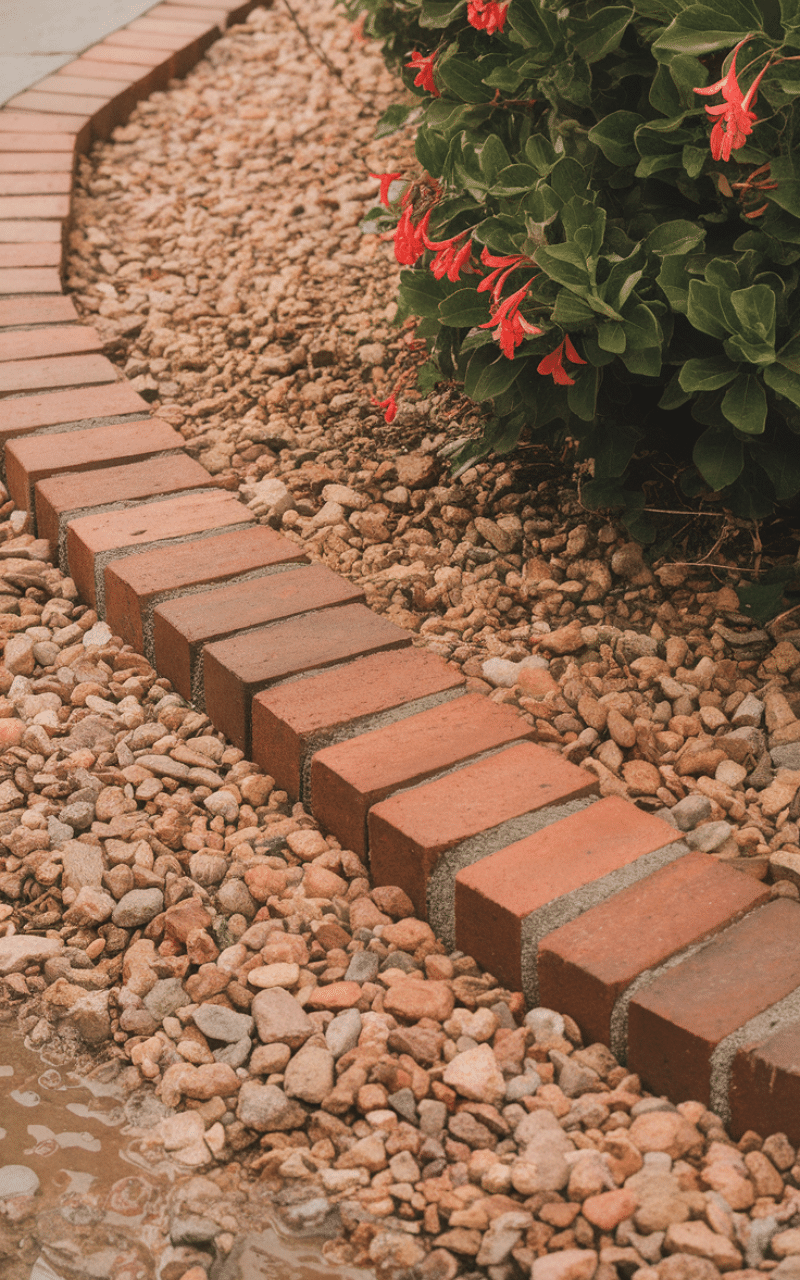
Add gravel behind the brick edge for improved drainage and a contrasting visual texture.
Raised Brick Garden Edging Tip: Lay landscape fabric beneath gravel to prevent weed growth.
6. Low-Rise Flower Bed Border
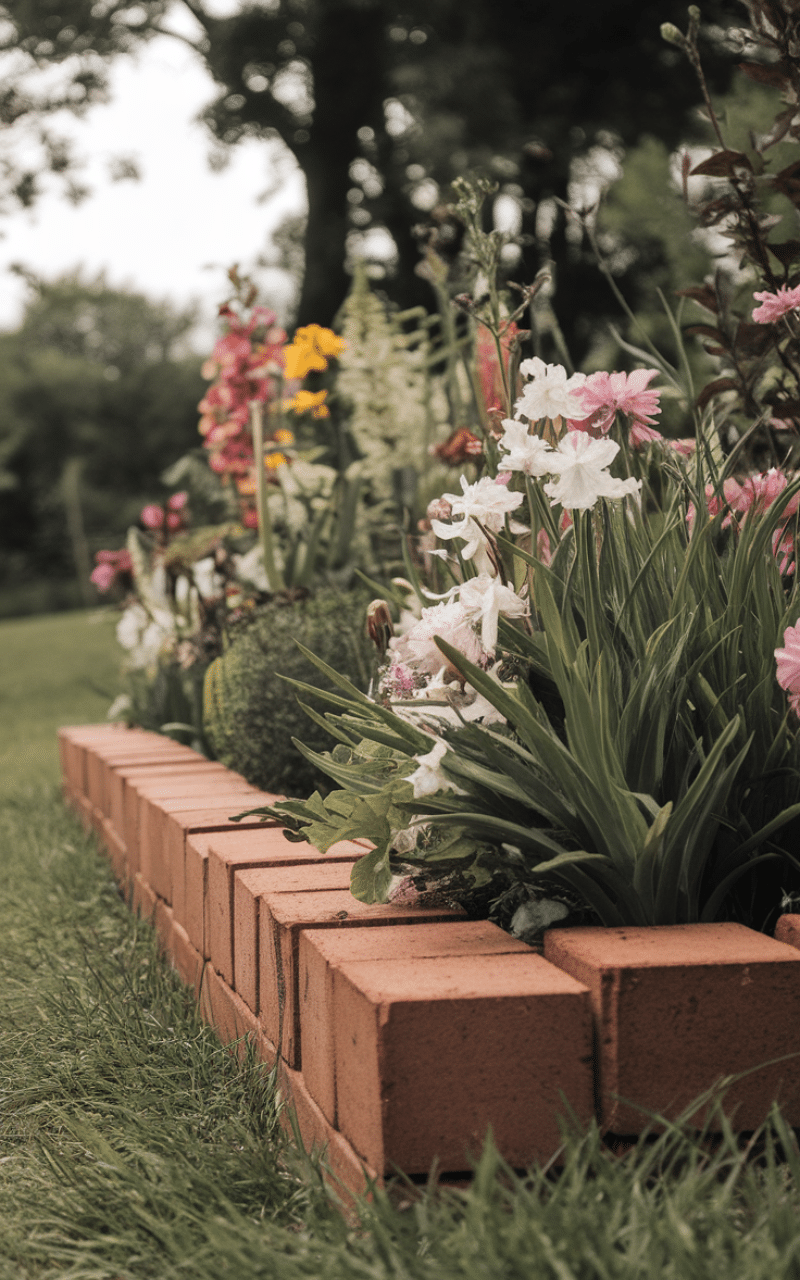
Use single-layer bricks to create a subtle boundary around flower beds without obstructing views.
Raised Brick Garden Edging Tip: Choose bricks with smooth tops for easier mowing and maintenance.
5. Mosaic Brick Design

Incorporate different brick colors or sizes to create a mosaic effect for a unique border.
Raised Brick Garden Edging Tip: Plan the pattern to ensure symmetry and consistency.
4. Circular Raised Beds
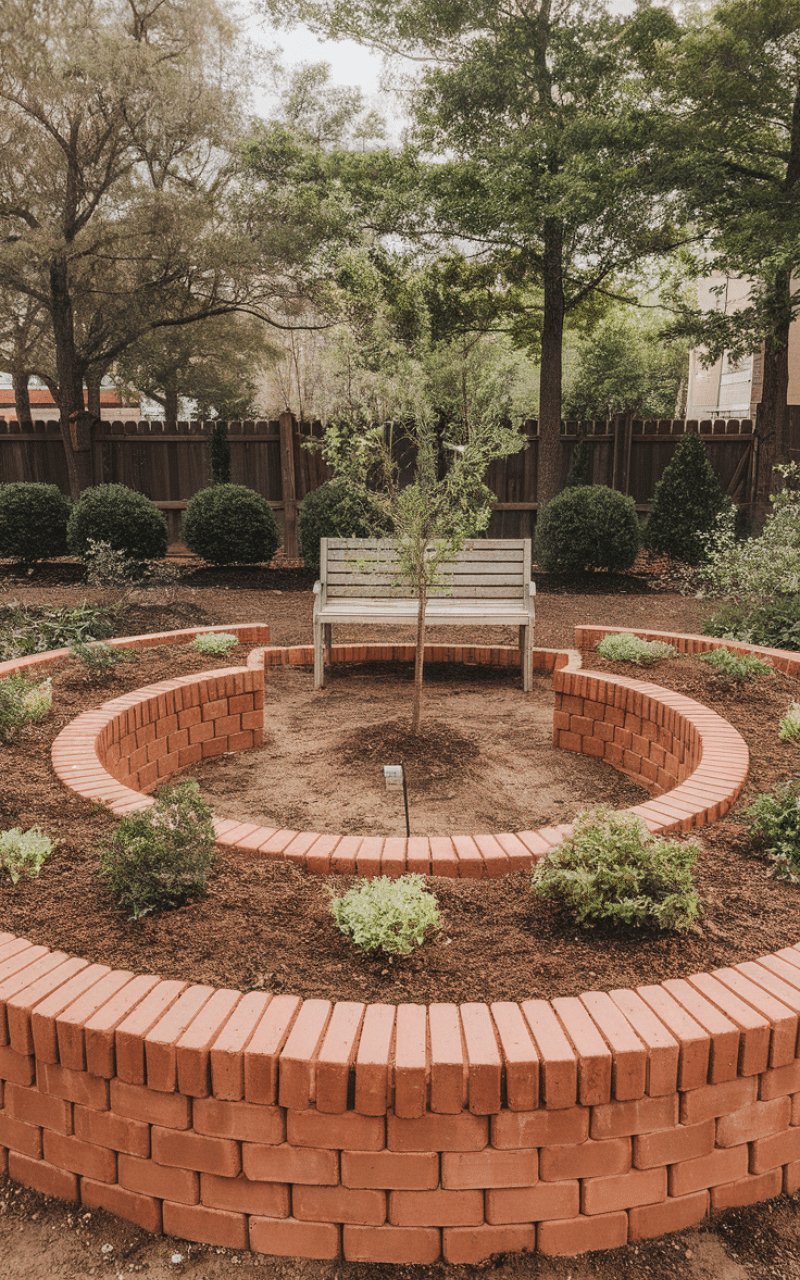
Construct circular brick borders for trees, shrubs, or feature plants, creating a focal point in your garden.
Raised Brick Garden Edging Tip: Use smaller bricks or cut bricks to maintain the curve’s integrity.
3. Integrated Seating Wall
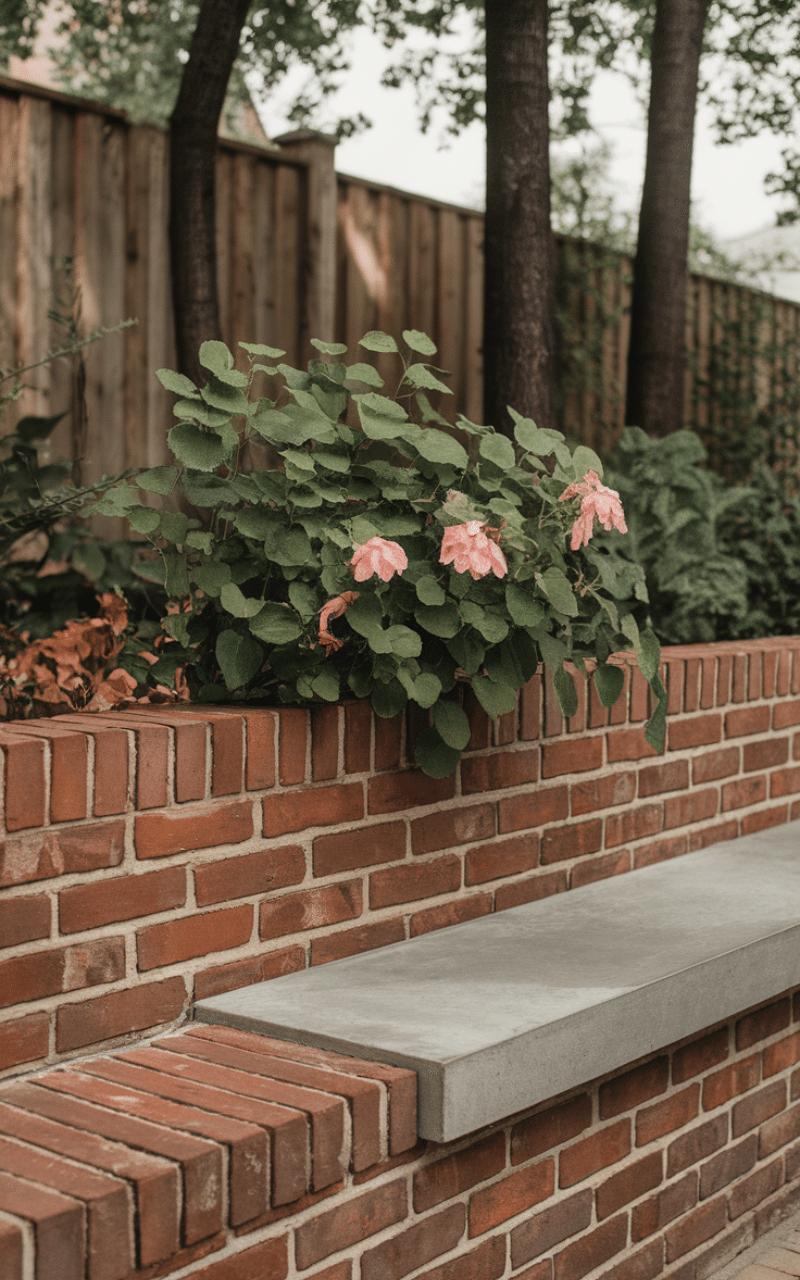
Combine raised brick edging with a low bench for a functional and stylish garden feature.
Raised Brick Garden Edging Tip: Ensure the top layer is level and comfortable for seating.
2. Rustic Brick Edge
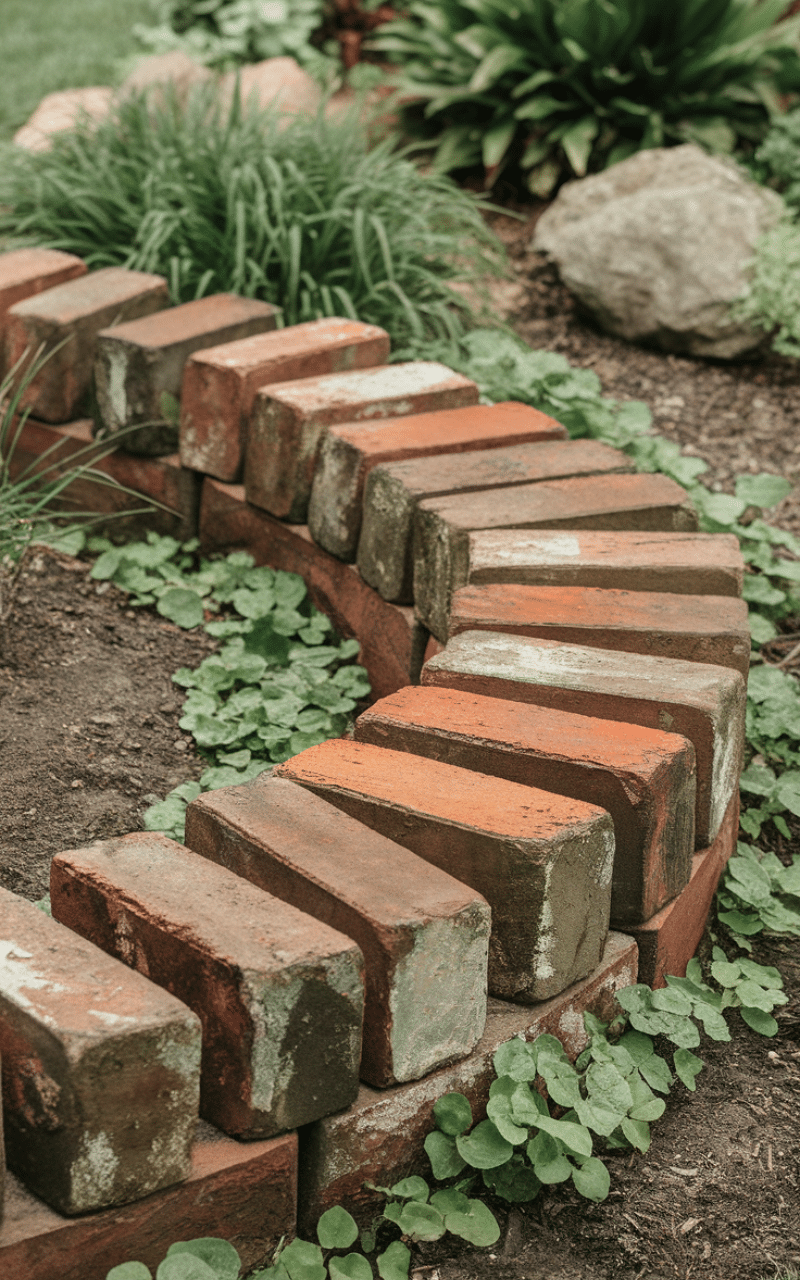
Use reclaimed bricks for a rustic, weathered look that blends naturally with garden greenery.
Raised Brick Garden Edging Tip: Clean and seal old bricks to prevent crumbling and moss growth.
1. Elevated Planter Edging
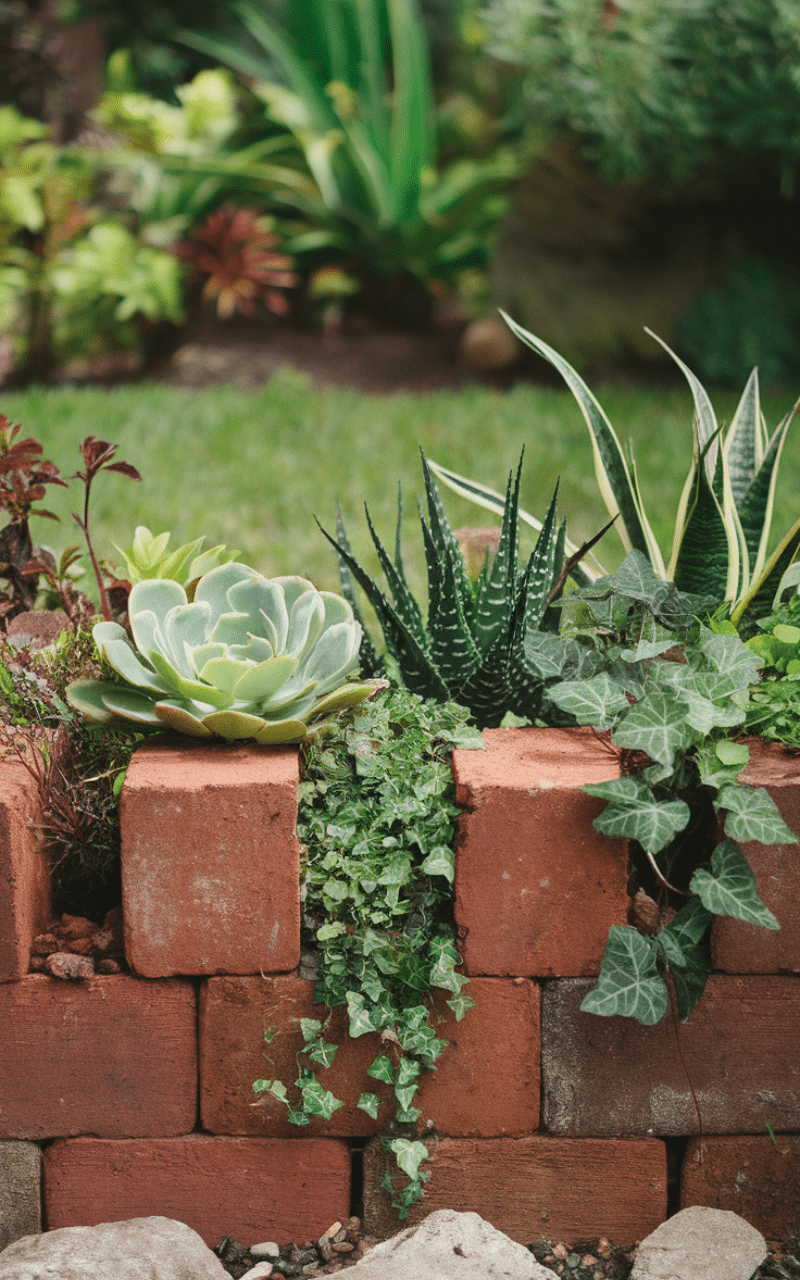
Turn raised brick borders into mini-planters by leaving space inside for additional planting.
Raised Brick Garden Edging Tip: Ensure proper drainage by adding gravel at the base before soil.
Conclusion
Raised brick garden edging is a versatile solution that blends functionality with aesthetic appeal. From straight borders to curved terraces and mosaic designs, these 18 ideas offer practical and creative ways to elevate any garden space. By carefully selecting brick patterns, heights, and complementary materials, your garden can achieve a professional, cohesive, and timeless landscape look that enhances both beauty and structure.
Enjoyed this post?
Share the love with another mom!
Every share helps this little blog grow — thank you so much