
Make sure to join my list for Weekly Tips and Recipes to Your Inbox
18 Inspiring Bamboo plant Secrets To Thriving Indoor

A little note: Some images in this post may come from third-party sources and are shared purely to inspire you. All credit goes to their original creators. Visit our Image Credits Policy for more information.
When I first heard my neighbor’s horror story, I never imagined the Bamboo plant could create so much chaos. His simple plan to add a little green privacy turned into a fast-spreading mess that crossed fences, ruined lawns, and caused an entire street to panic.
Listening to everyone complain about critters, pests, and surprise shoots breaking through the soil made me hesitate before planting anything similar, even though I had already mentioned I have an article about Lavender Apartment Inspirations. The whole thing made the Bamboo plant feel more like a warning than a plant.
The more I looked into it, the more confusing the Bamboo plant became. Some people swore it produced incredible shade and fresh oxygen; others insisted it would take over every space within reach. I read about running types that move like wildfire and clumping types that behave politely but need warm climates.
I even had a friend show me a plant she thought was bamboo, but turned out to be dracaena, which explained why it behaved so differently. Every story reminded me how easy it is to make mistakes when you only focus on beauty and forget how powerful the Bamboo plant truly is.
Eventually, I realised the solution was balance and preparation. The Bamboo plant can be a fantastic addition if you take it seriously from the start. Proper barriers, the right variety for the climate, and consistent maintenance completely change the experience.
What once seemed like an invasive nightmare becomes a controlled shade-giver and an elegant screen. Instead of fearing it, I learned how to work with it, and that shift turned the problem into a peaceful green solution.
What We're Exploring
- 01 18. Use Filtered or Distilled Water
- 02 17. Maintain Consistent Room Temperature
- 03 16. Provide Bright Indirect Light
- 04 15. Change Water Regularly
- 05 14. Keep Roots Submerged, Not Stalks
- 06 13. Fertilize Sparingly with Liquid Food
- 07 12. Choose the Right Container
- 08 11. Protect from Temperature Extremes
- 09 10. Dust the Leaves Frequently
- 10 9. Prune Yellowing Leaves Promptly
- 11 8. Repot When Root-Bound
- 12 7. Use Pebbles for Support
- 13 6. Encourage Twisting with Light
- 14 5. Mist Occasionally for Humidity
- 15 4. Disinfect Yellowing Stalks
- 16 3. Propagation Through Cuttings
- 17 2. Avoid Direct Exposure to Vents
- 18 1. Monitor for Pests Regularly
- 19 Conclusion
18. Use Filtered or Distilled Water
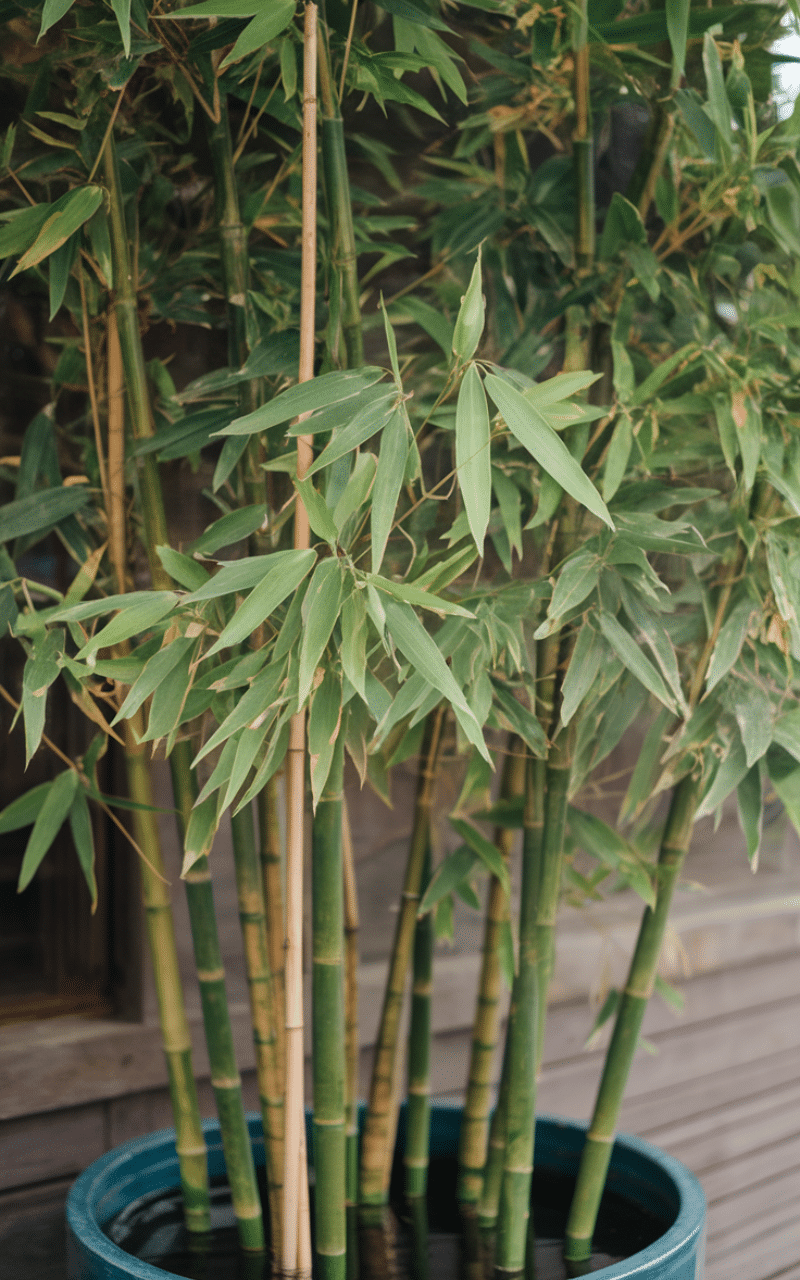
Always provide your Bamboo plant with filtered bottled or distilled water because the chlorine and chemicals commonly found in tap water can cause the leaf tips to turn brown thus fluoride in particular can be toxic over time leading to yellowing of the stalk so allowing tap water to sit uncovered for 24 hours can help some of the chlorine dissipate but the purest water is always best for optimal health so clean water is the single most important secret to a happy long-lived plant.
17. Maintain Consistent Room Temperature
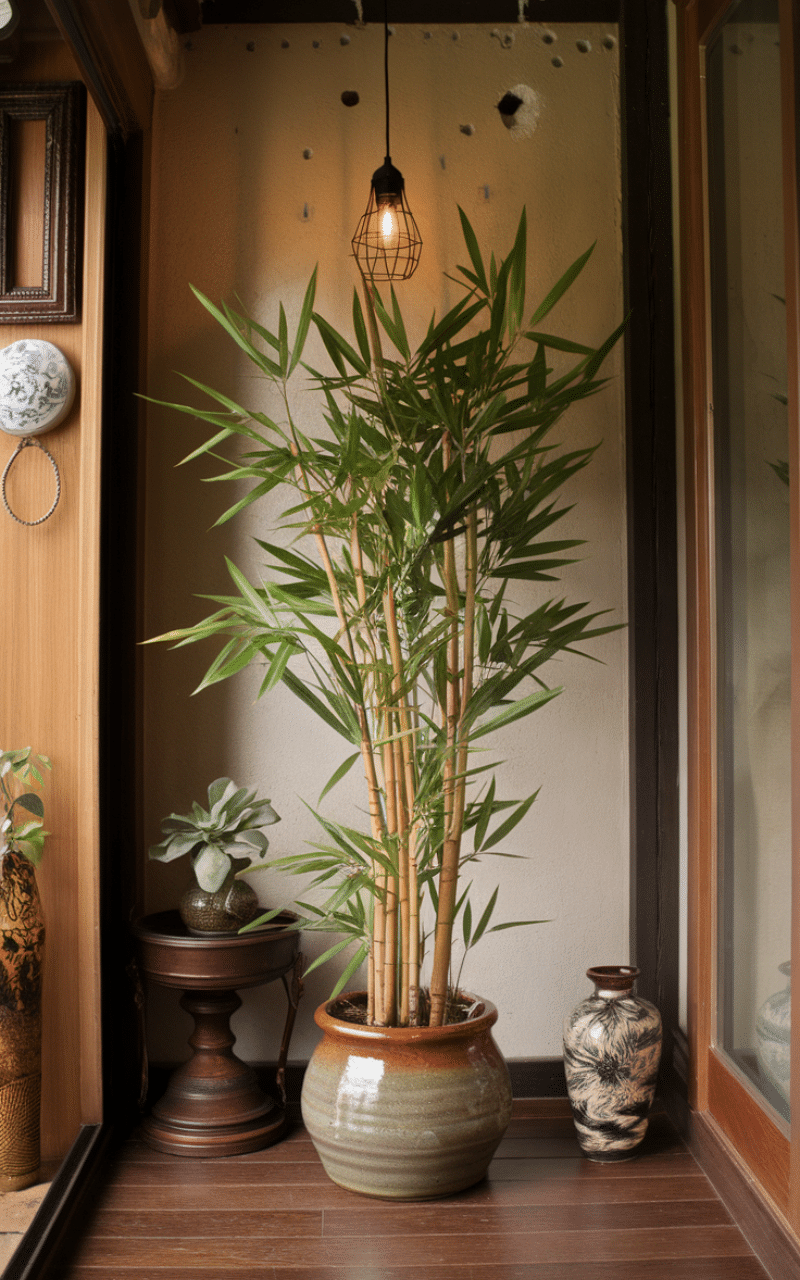
Keep your Bamboo plant in a room with a stable temperature generally between 65°F and 90°F (18°C and 35°C) because sudden fluctuations or exposure to drafts can stress the stalks and impede growth so avoid placing the plant near air conditioning vents or heat registers which can dry it out quickly thus a consistent warm environment mimics its tropical origins ensuring the plant stays comfortable and robust so protect it from cold window glass during the winter months.
16. Provide Bright Indirect Light
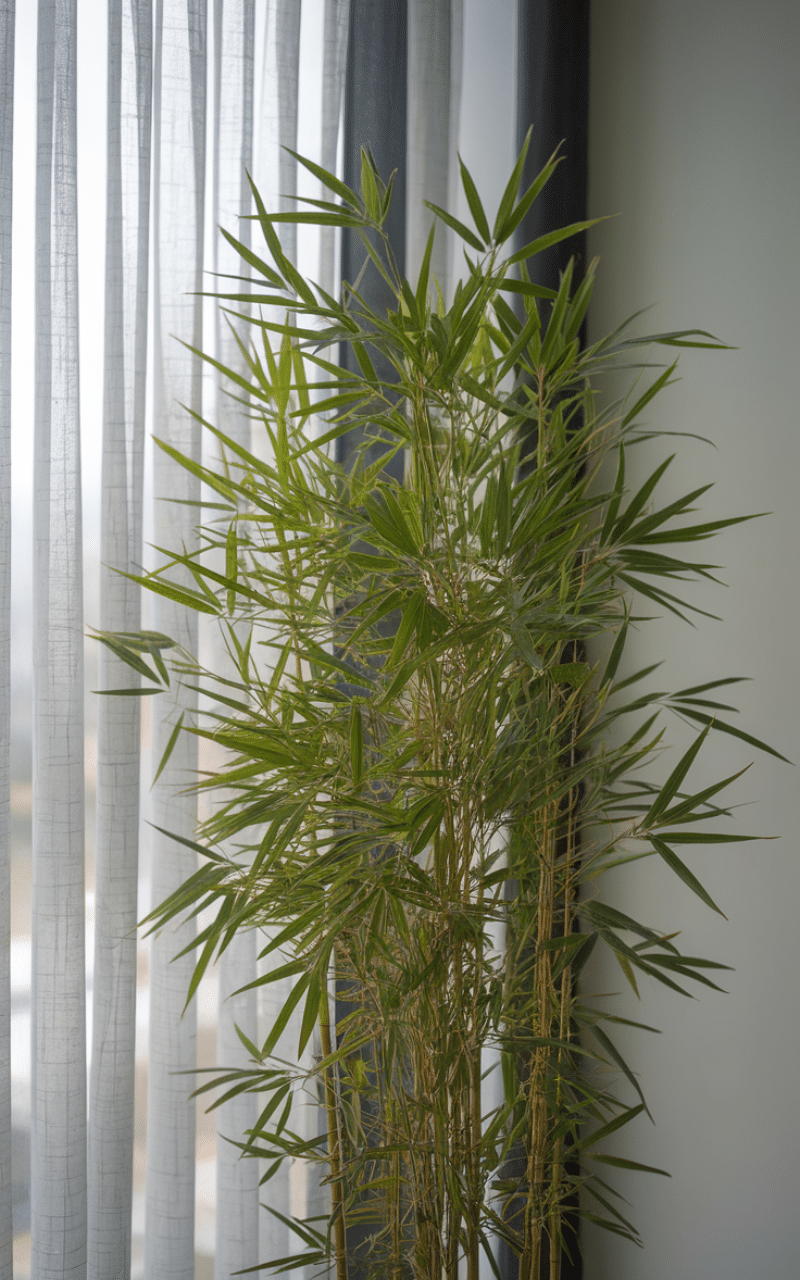
Position your Bamboo plant where it receives plenty of bright indirect sunlight because direct harsh sun can scorch the leaves and cause them to yellow or burn quickly so the plant thrives best near a window that gets filtered light such as an east-facing one or one covered by a sheer curtain thus insufficient light will cause the plant to stretch or become leggy losing its compact attractive shape so achieving this balance of brightness without direct intensity is key to a vibrant green color.
15. Change Water Regularly
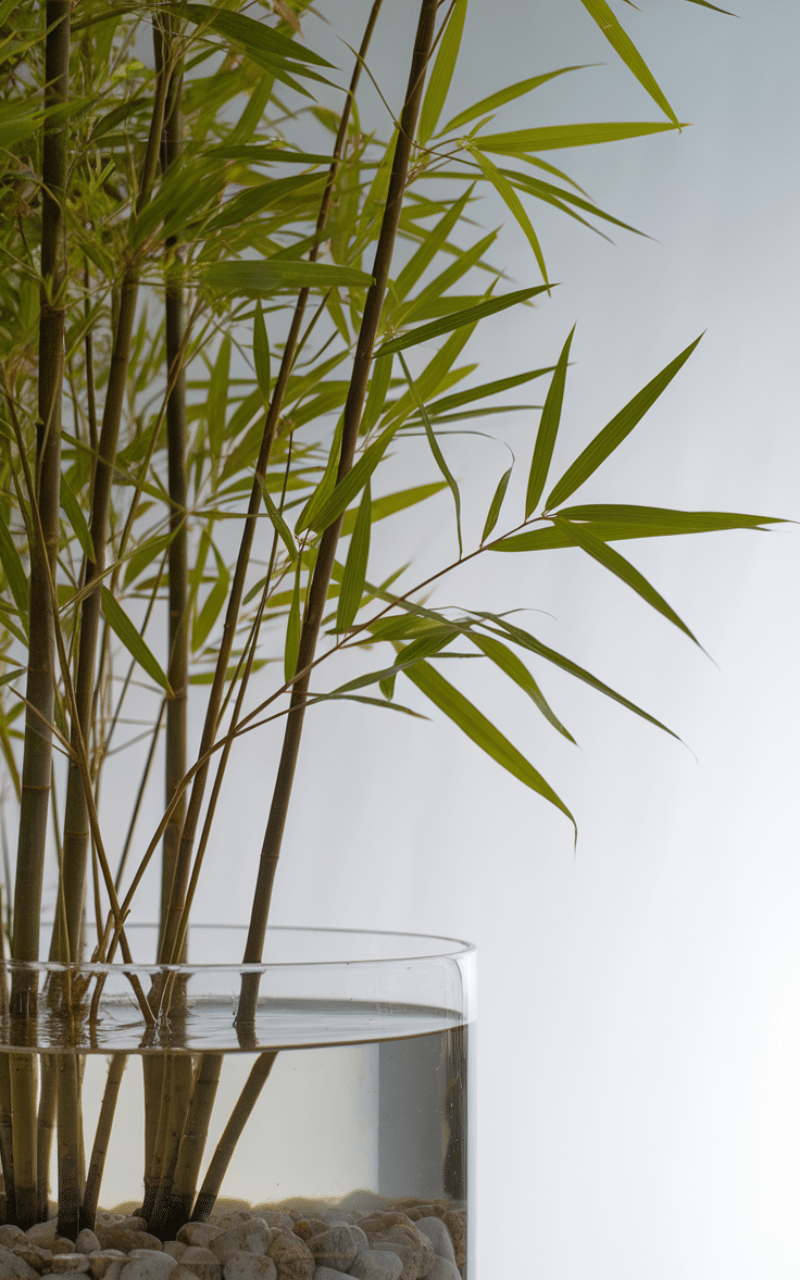
If you are growing your Bamboo plant in water change the water completely every one to two weeks because stagnant water can become a breeding ground for bacteria and algae which will harm the roots so always rinse the pebbles or rocks thoroughly before adding the fresh clean water back to the container thus maintaining a fresh oxygenated environment is crucial for preventing root rot which is the most common killer of water-grown bamboo so a clean environment promotes healthy root development.
14. Keep Roots Submerged, Not Stalks
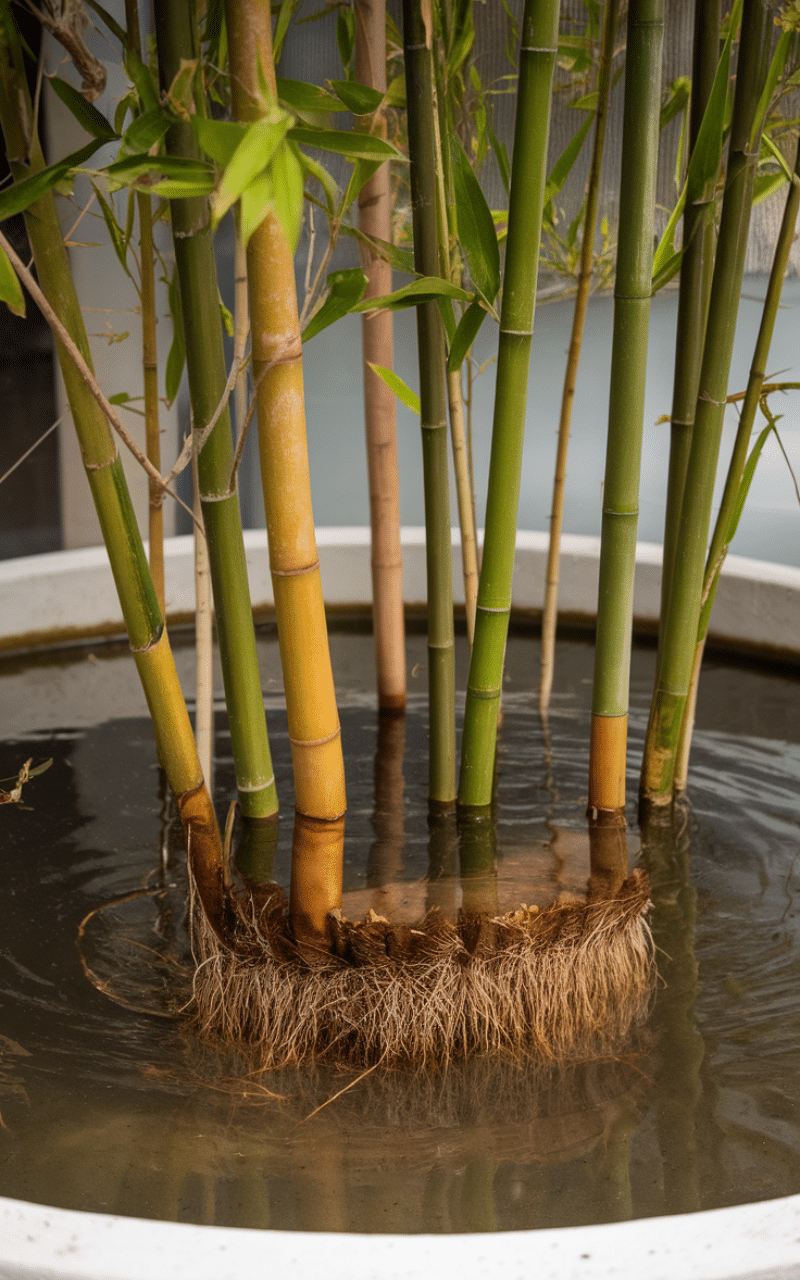
Ensure that only the roots of your Bamboo plant are submerged in water leaving the stalks exposed to the air because keeping too much of the stalk underwater can encourage rotting above the root line so maintain a water level that covers the roots by just a few inches which is enough to provide necessary hydration thus the stalks themselves prefer to remain dry and exposed to prevent fungal issues so monitoring the water line closely is an important step for proper care.
13. Fertilize Sparingly with Liquid Food
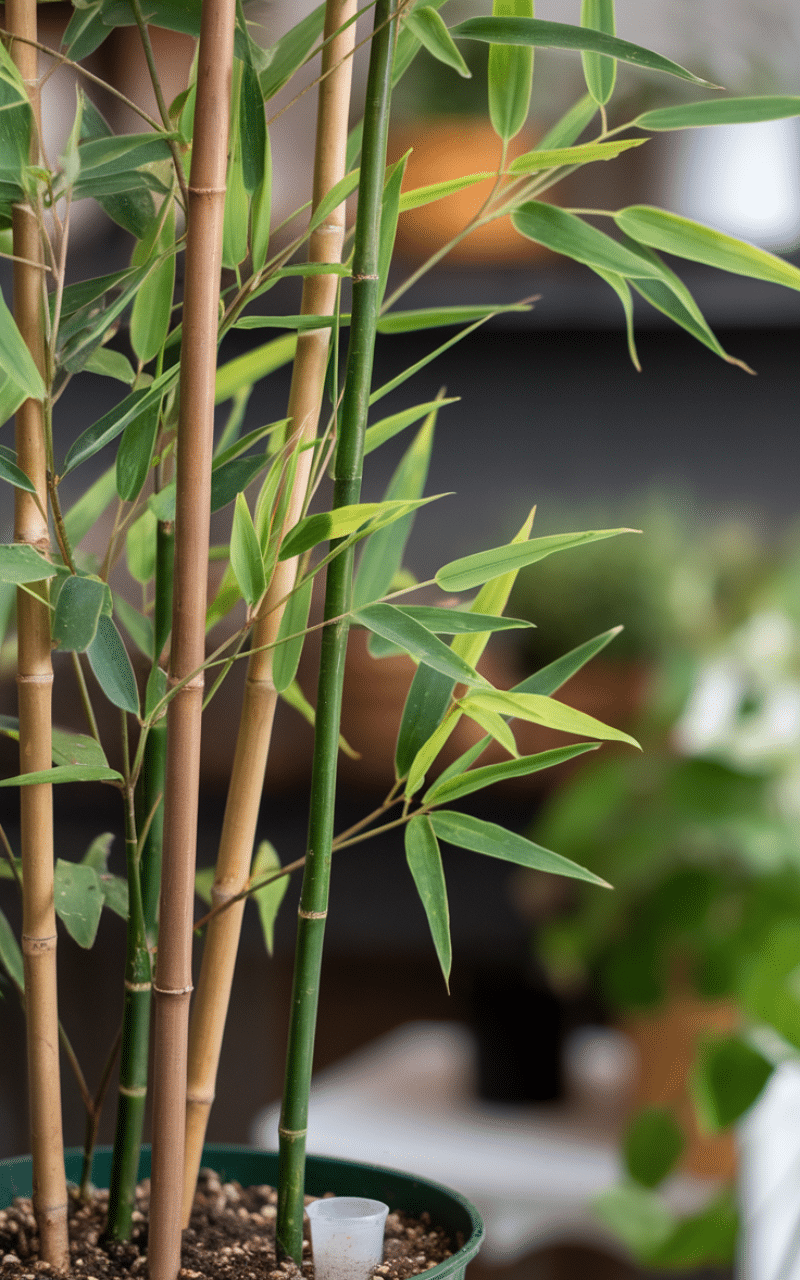
Feed your Bamboo plant very lightly with a diluted liquid houseplant fertilizer perhaps once every two to three months because this plant is not a heavy feeder and too much fertilizer can easily burn the sensitive roots so use a specialized fertilizer formulated for aquatic plants or dilute a standard liquid fertilizer to about one-tenth strength thus over-fertilization can quickly lead to yellowing leaves and general distress so a tiny amount is all that is needed to provide essential nutrients for sustained growth.
12. Choose the Right Container
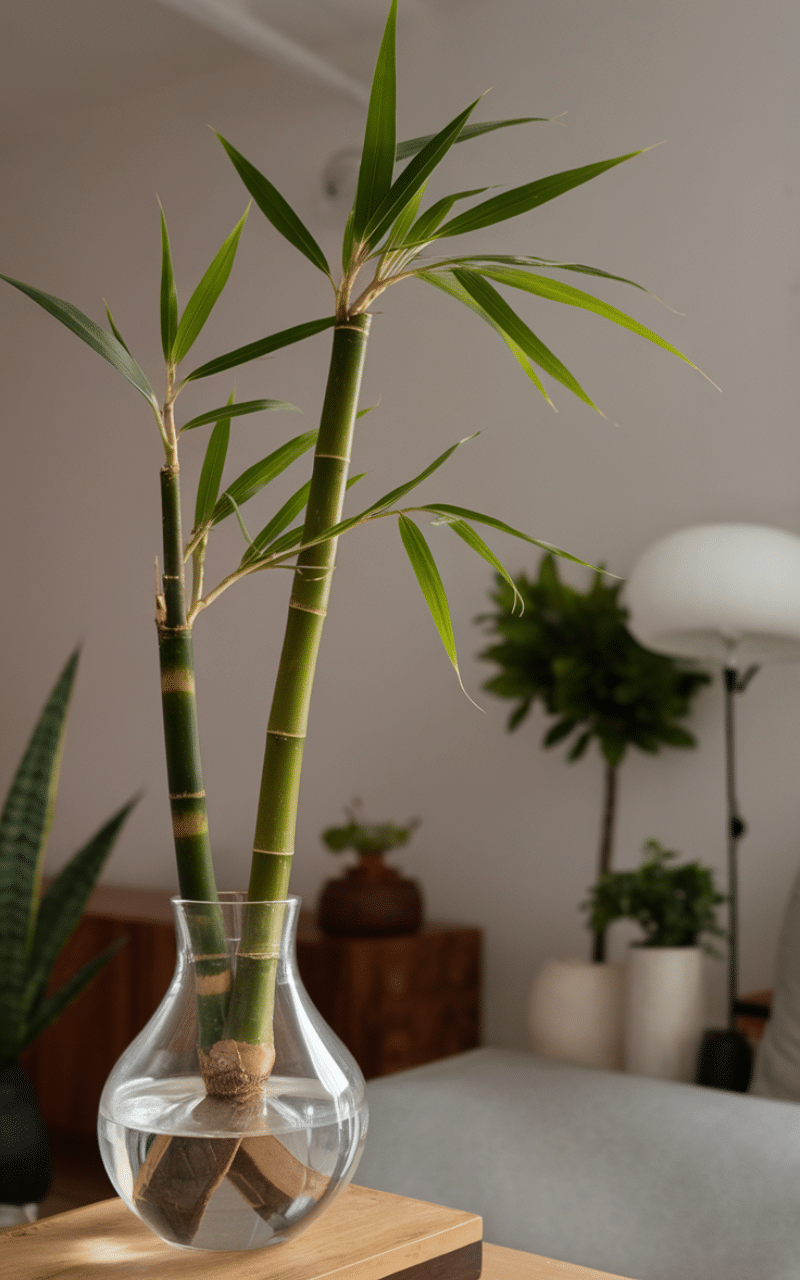
Select a container for your Bamboo plant that is stable and slightly heavy especially if it holds several stalks because the plant can become top-heavy as it grows potentially tipping over a lightweight vase so a clear glass vase allows you to easily monitor the water level and root health which is highly beneficial thus ensure the container has enough room for the roots to grow without being cramped so stability and visibility are key factors in choosing the perfect home.
11. Protect from Temperature Extremes
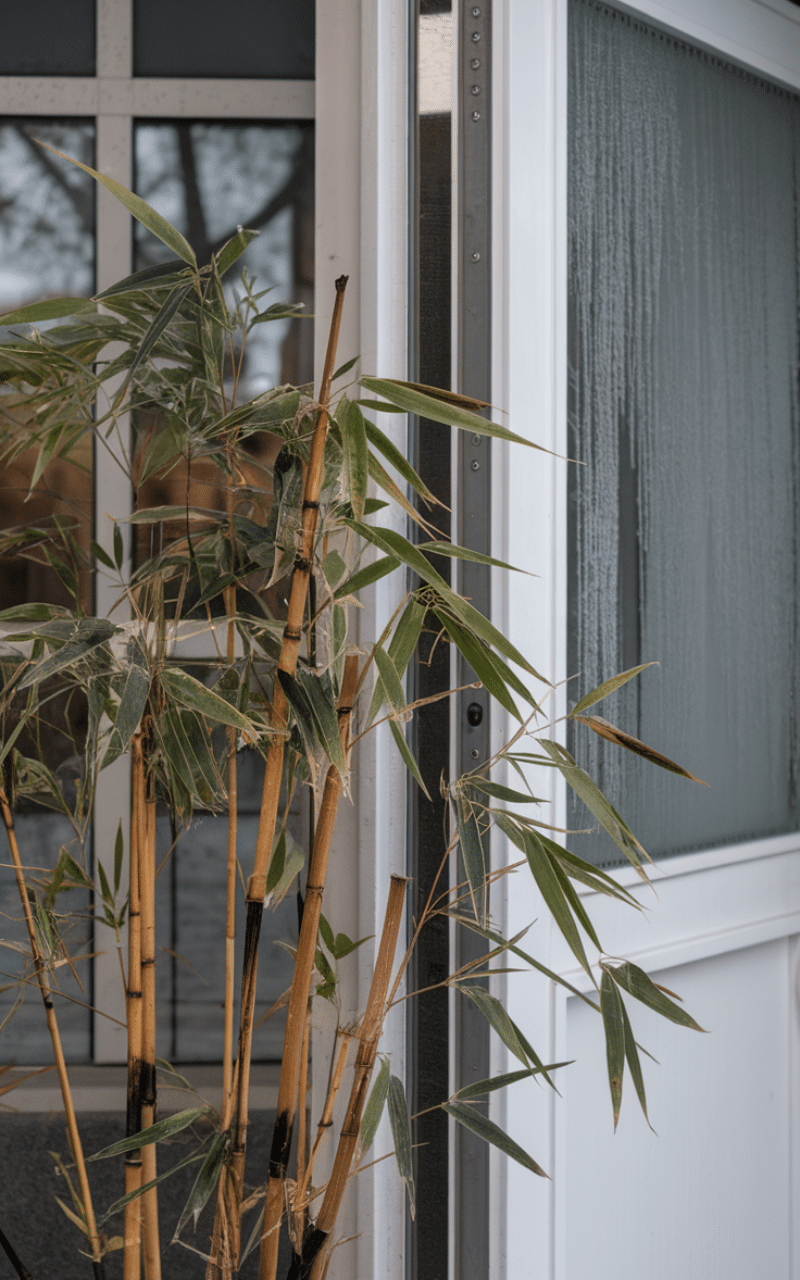
Never place your Bamboo plant directly next to exterior doors or drafty windows particularly during cold spells because exposure to sudden blasts of cold air can quickly shock and damage the leaves and stalks so this cold damage can manifest as blackened or mushy areas that are irreversible thus maintaining a buffer from all extreme temperature changes is essential for the longevity of your Bamboo plant so place it slightly inland from the wall or window for protection.
10. Dust the Leaves Frequently
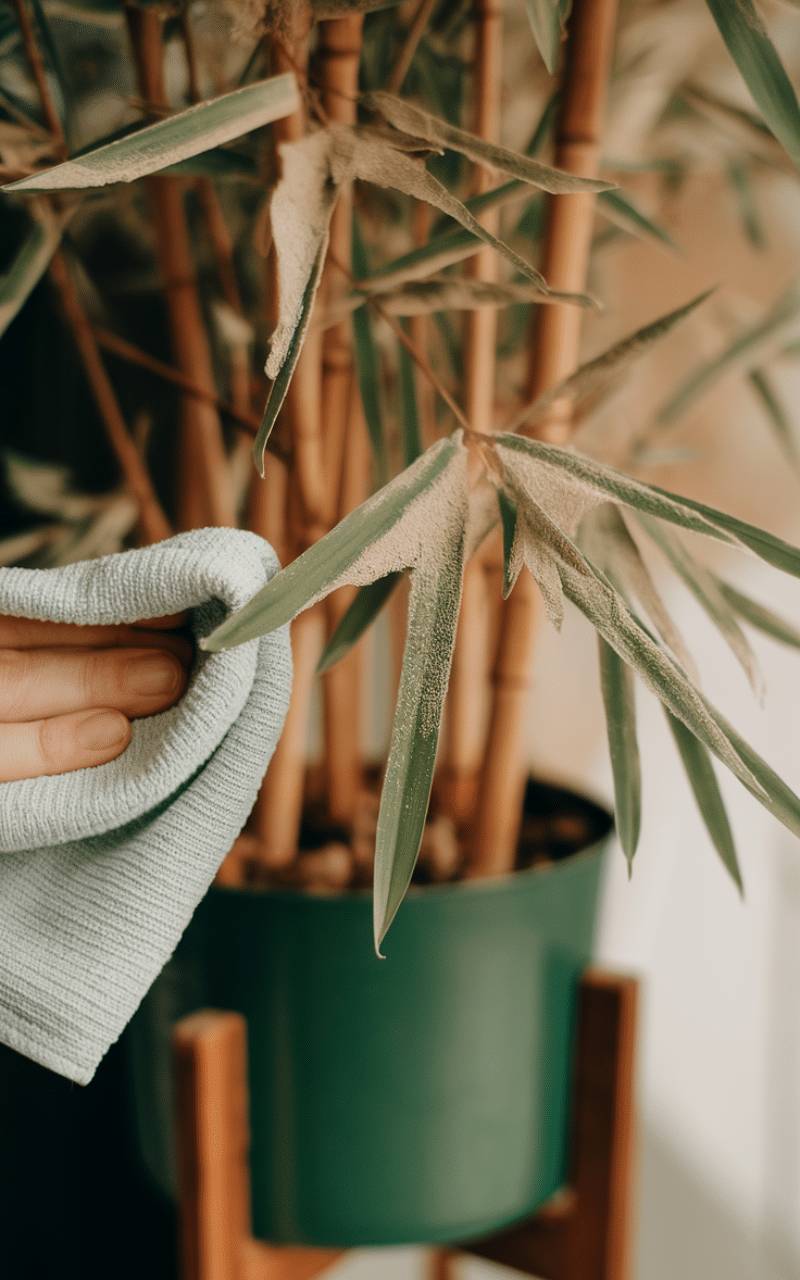
Gently wipe the leaves of your Bamboo plant with a damp soft cloth every few weeks because dust accumulation can block light absorption hindering the plant’s ability to photosynthesize effectively so clean leaves ensure the plant can efficiently convert light into energy promoting vigorous growth thus this simple cleaning ritual is a vital part of basic Bamboo plant maintenance that is often overlooked so removing the dust keeps the plant looking fresh and vibrant.
9. Prune Yellowing Leaves Promptly
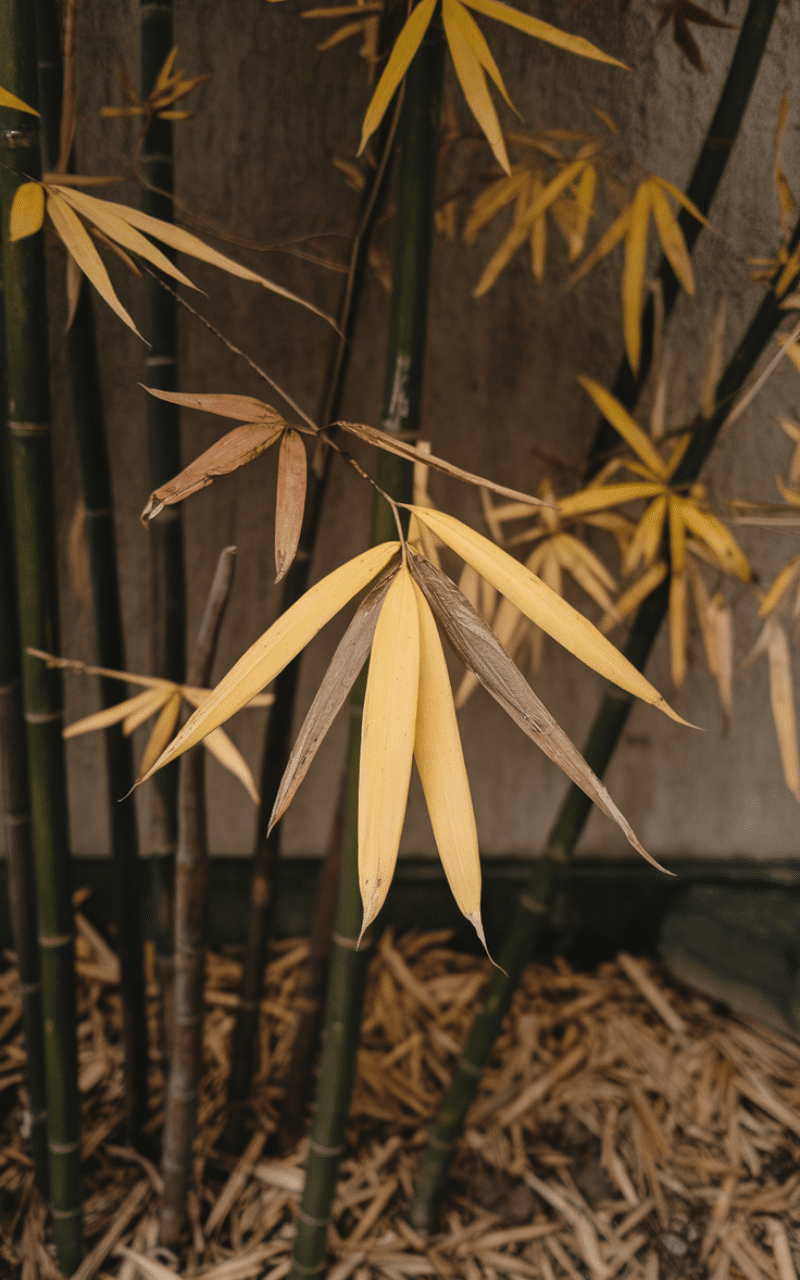
Remove any leaves on your Bamboo plant that turn yellow or brown immediately using sharp clean scissors or pruning shears because dead or dying foliage is an unnecessary drain on the plant’s energy resources so pruning directs the plant’s energy towards healthy new growth maintaining a tidy appearance thus yellowing leaves can also sometimes indicate a health issue such as over-fertilization or poor water quality so prompt removal helps in plant recovery.
8. Repot When Root-Bound
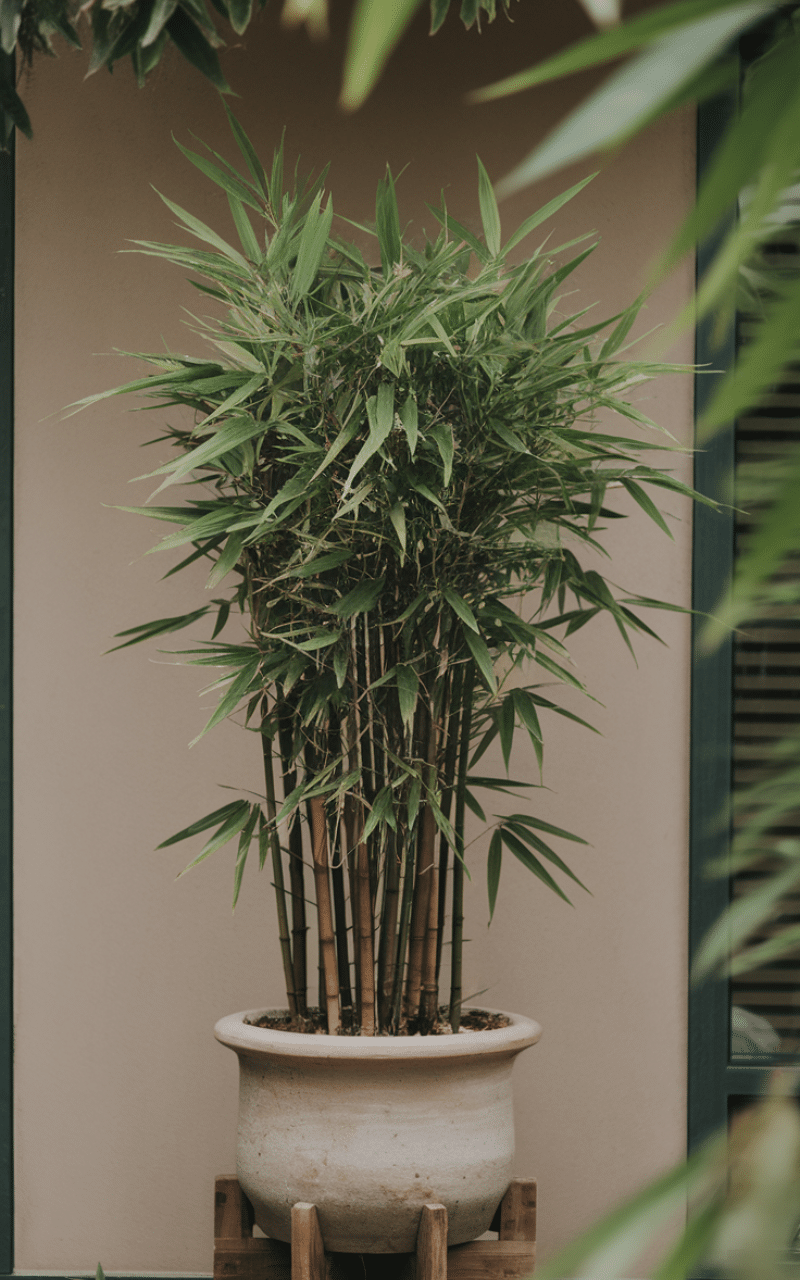
If your Bamboo plant is growing in soil or if the roots in the water are starting to look severely crowded consider repotting it into a slightly larger container because restricted roots cannot effectively absorb water and nutrients which stunts growth so if growing in water simply transfer the plant to a wider vase that allows the roots more room to spread out thus giving the roots ample space to develop is essential for continued health and upward growth of your Bamboo plant so spring is the best time for repotting.
7. Use Pebbles for Support
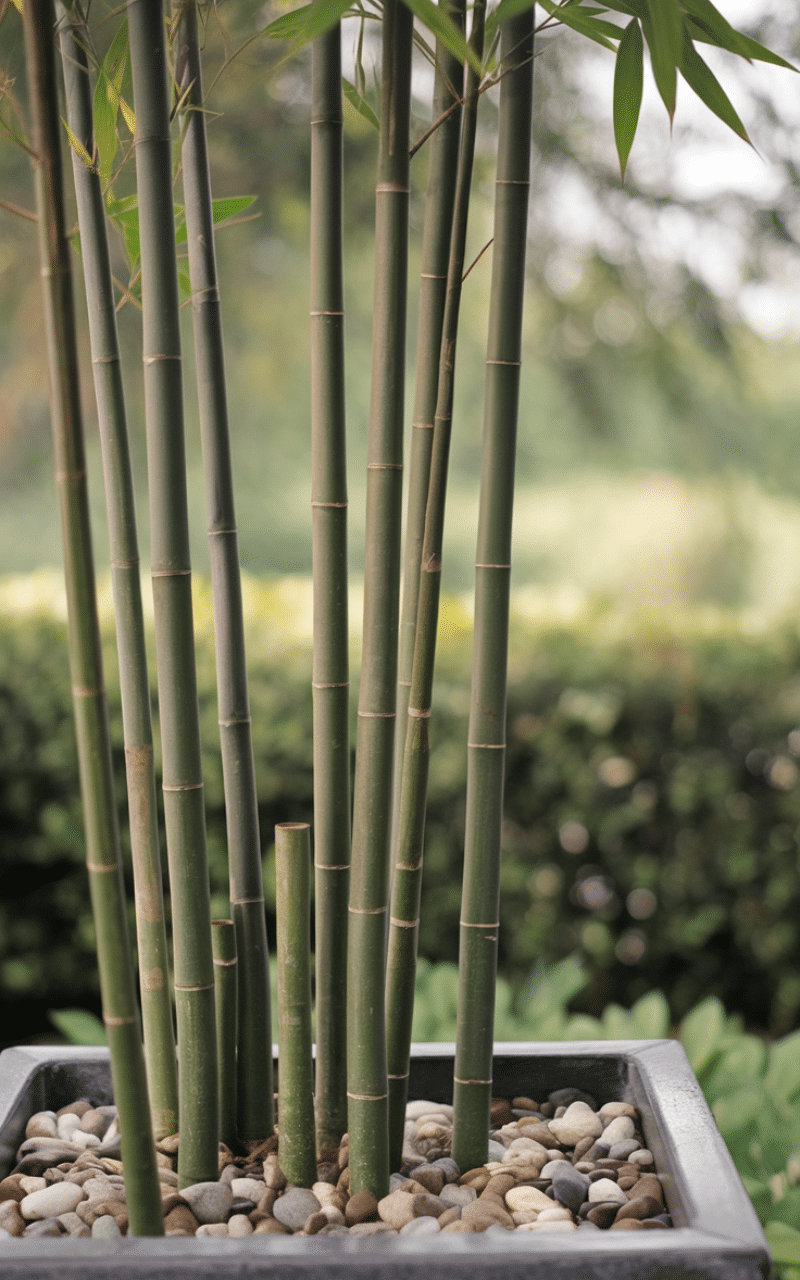
Place small decorative pebbles glass beads or polished stones in the base of the container to anchor the stalks of your Bamboo plant securely in an upright position because this prevents the stalks from leaning or falling over which can disrupt root development so always ensure the pebbles are thoroughly cleaned before use to avoid introducing bacteria into the water thus the stones provide essential stability without interfering with the necessary water environment so they also add a lovely aesthetic touch to the display.
6. Encourage Twisting with Light
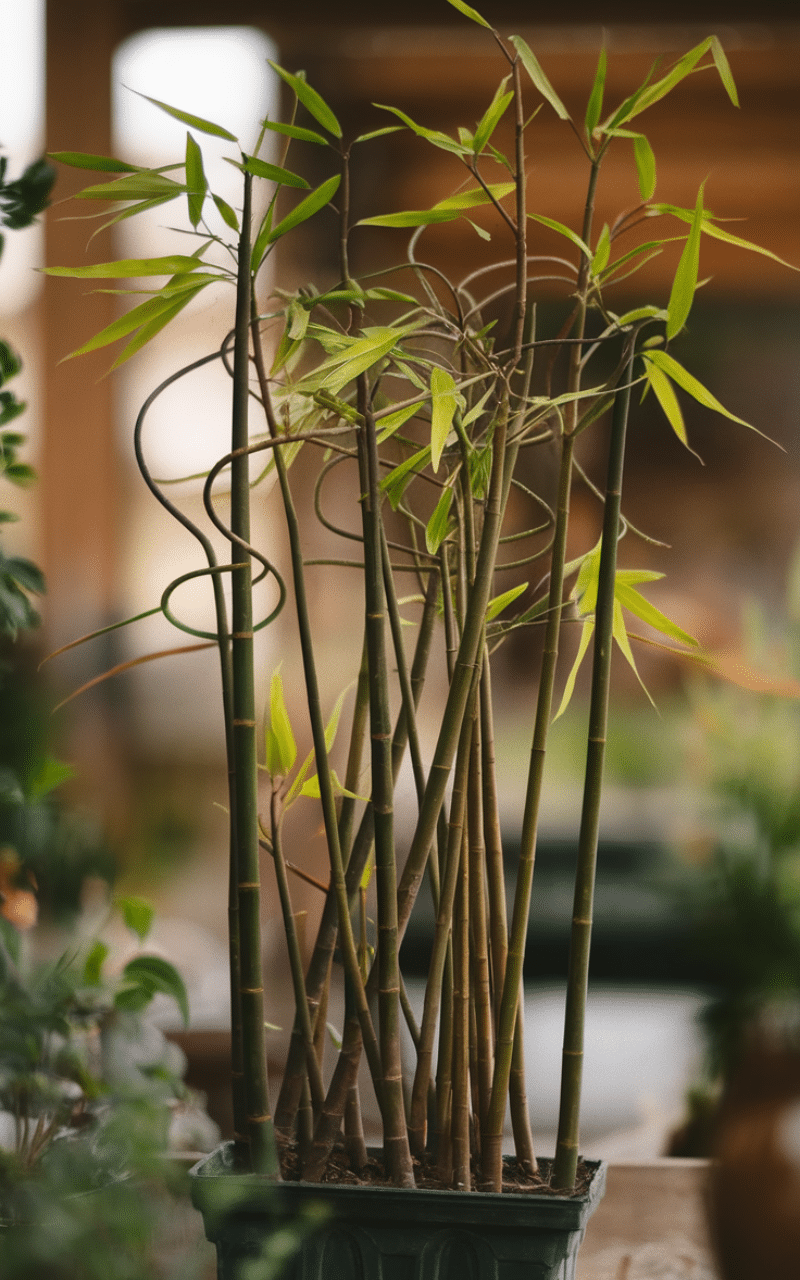
Gently turn your Bamboo plant periodically if you wish to encourage the stalks to twist or curve because the plant naturally grows towards the light source so rotating the container causes the plant to constantly seek the light creating those beautiful characteristic spirals thus this is how the iconic curly shapes are formed which makes for an incredibly unique and artistic Bamboo plant display so be gentle and allow the plant to adjust slowly over time.
5. Mist Occasionally for Humidity
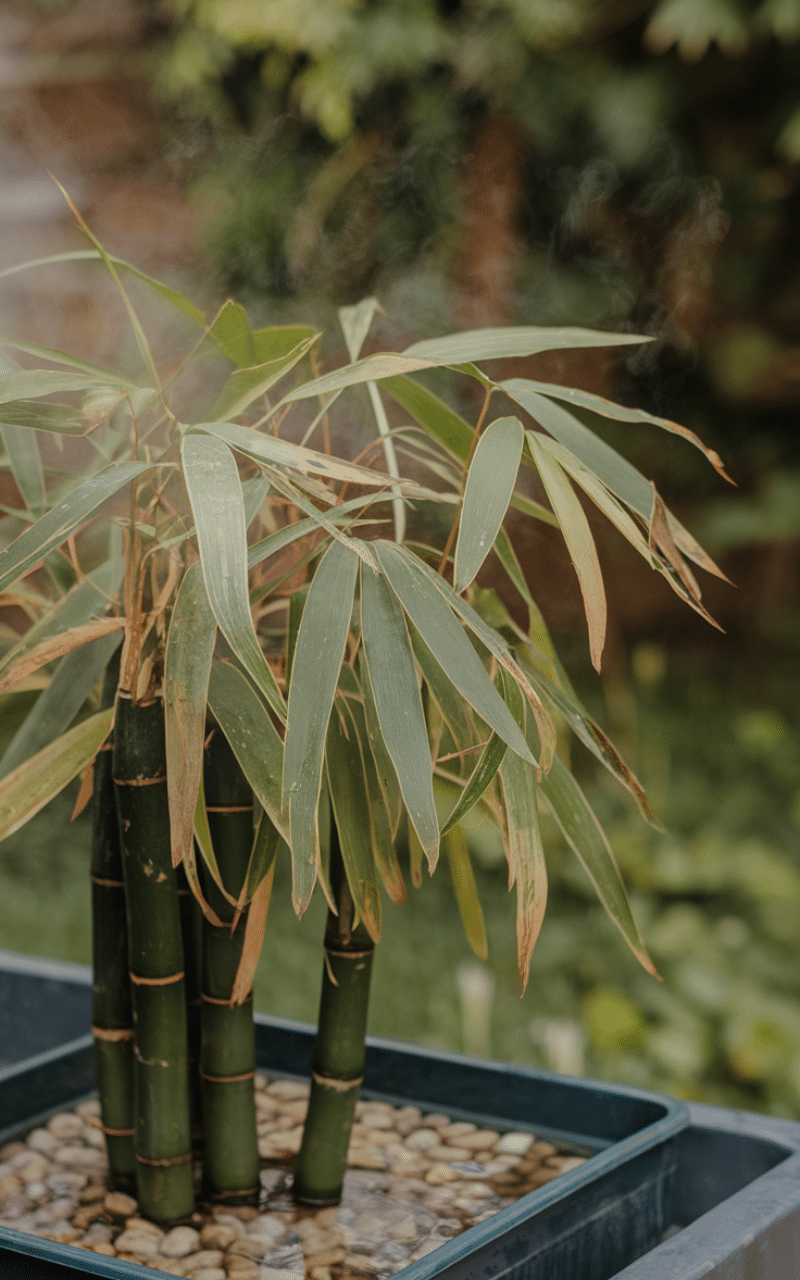
Mist the leaves of your Bamboo plant with purified water occasionally especially during dry winter months or if you live in a low-humidity climate because the plant appreciates the higher humidity levels found in its native tropical habitat so a light misting helps prevent the leaf tips from drying out and turning brown thus increasing the ambient moisture around the foliage is a simple way to boost the overall health of your Bamboo plant so you can also place the container on a humidity tray filled with pebbles and water.
4. Disinfect Yellowing Stalks
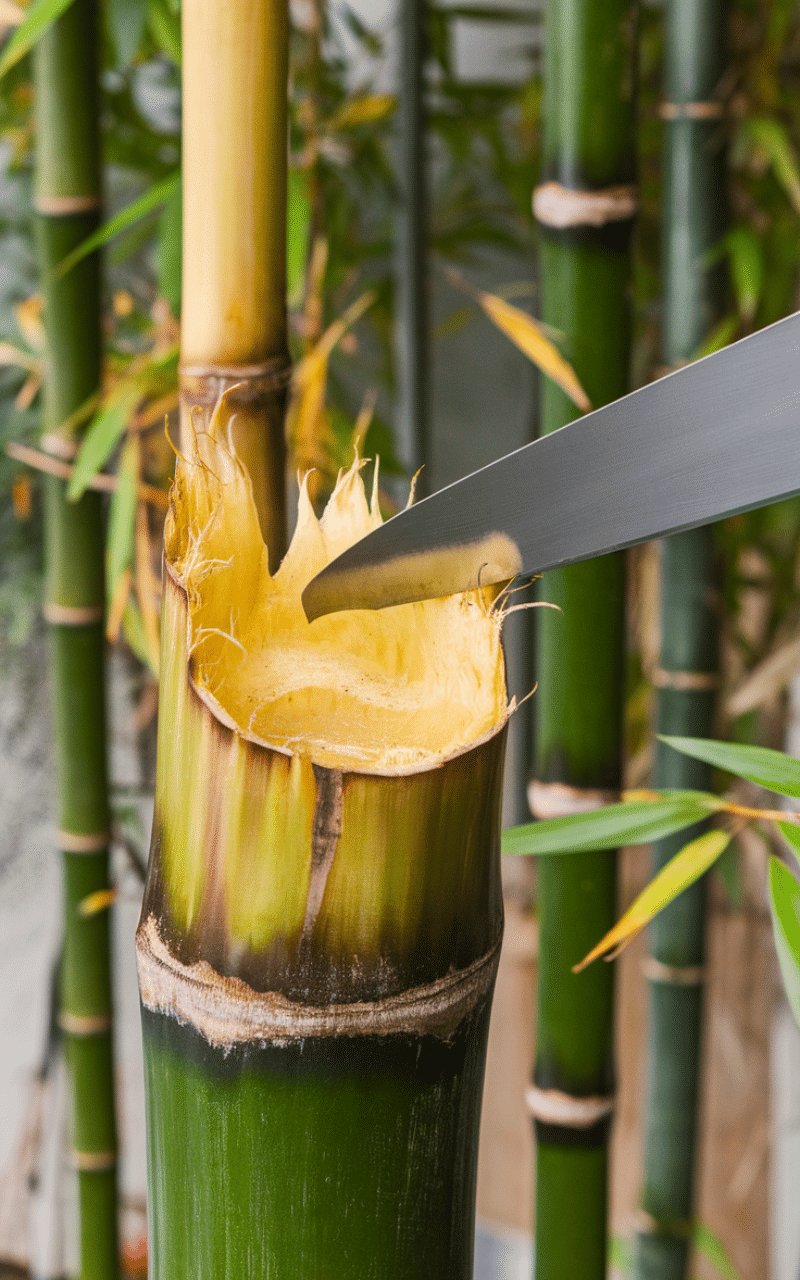
If an entire stalk on your Bamboo plant turns yellow and feels mushy remove it immediately and examine it for signs of rot because this can spread quickly to healthy stalks so use a clean sharp knife to cut away the affected stalk then dip the cut end in melted paraffin wax to seal it off thus this preventive measure stops the rot from spreading further ensuring the safety of the rest of your Bamboo plant arrangement so sealing the wound is a crucial step in plant first aid.
3. Propagation Through Cuttings
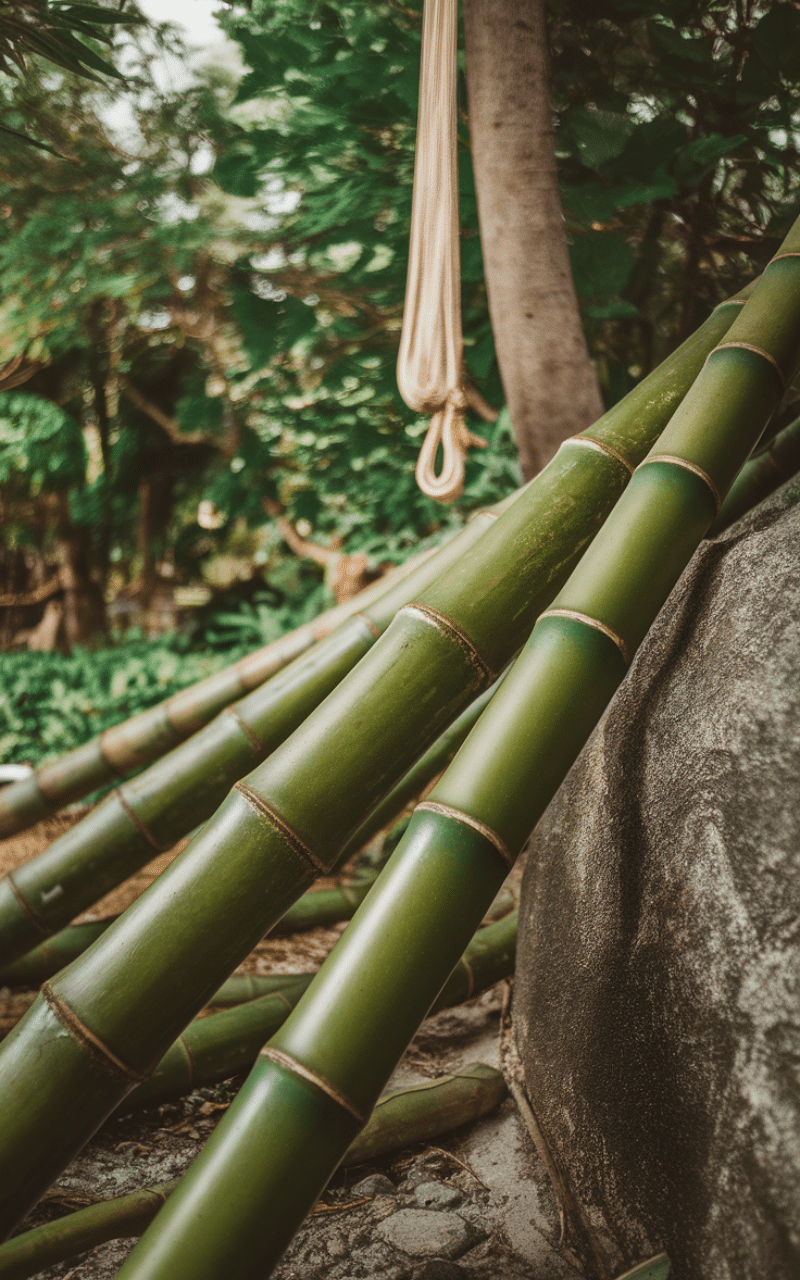
Propagate your Bamboo plant by taking cuttings from healthy stalks above a node then rooting them in water or moist soil because this allows you to create new plants from existing growth so ensure the cutting has at least one node and a few healthy leaves before placing it in the rooting medium thus this is a fun and rewarding way to expand your collection or share your Bamboo plant luck with friends and family so new roots should appear within a few weeks of successful cutting.
2. Avoid Direct Exposure to Vents
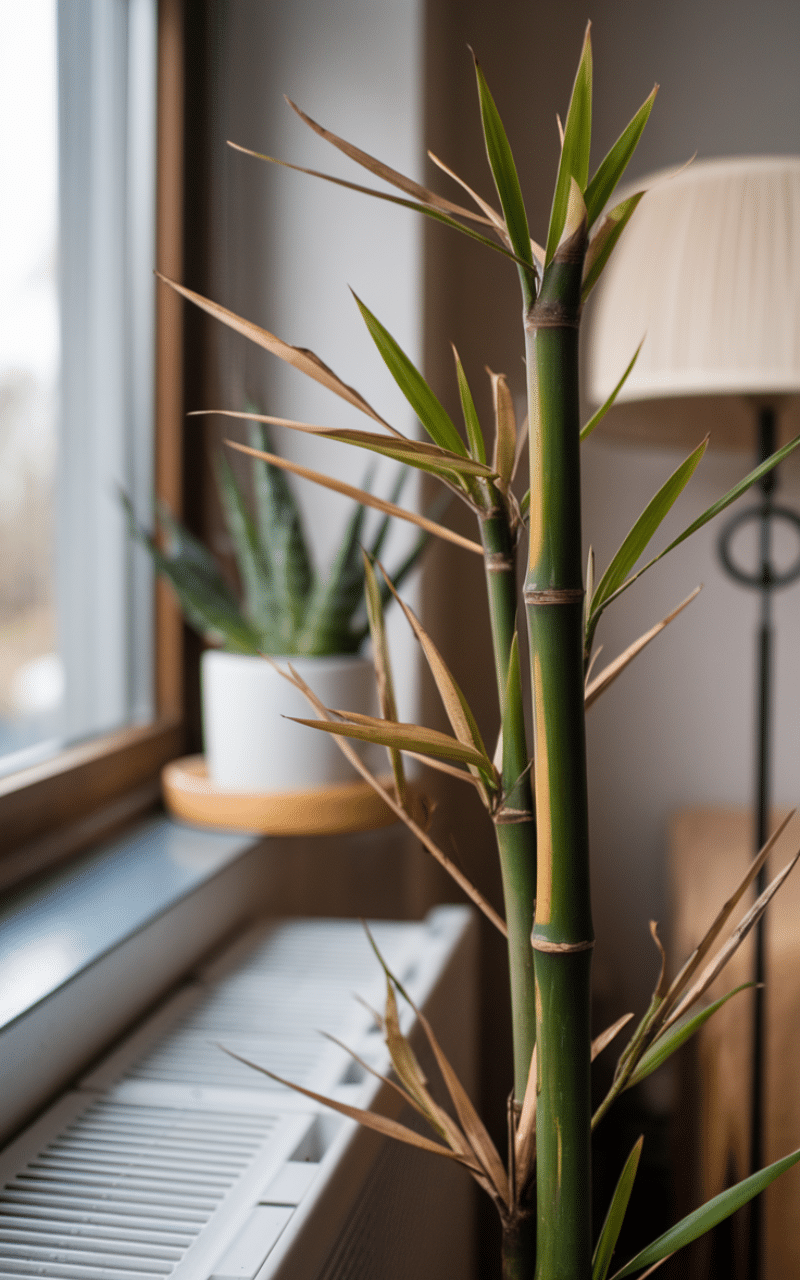
Place your Bamboo plant away from direct airflow from heating or cooling vents because this rapidly dries out the foliage and the water container causing stress and browning of the leaf tips so consistent air movement robs the plant of essential moisture which is detrimental to its health thus finding a sheltered spot with stable air circulation is much better for a continuously thriving Bamboo plant so this simple placement adjustment can prevent a lot of common issues.
1. Monitor for Pests Regularly
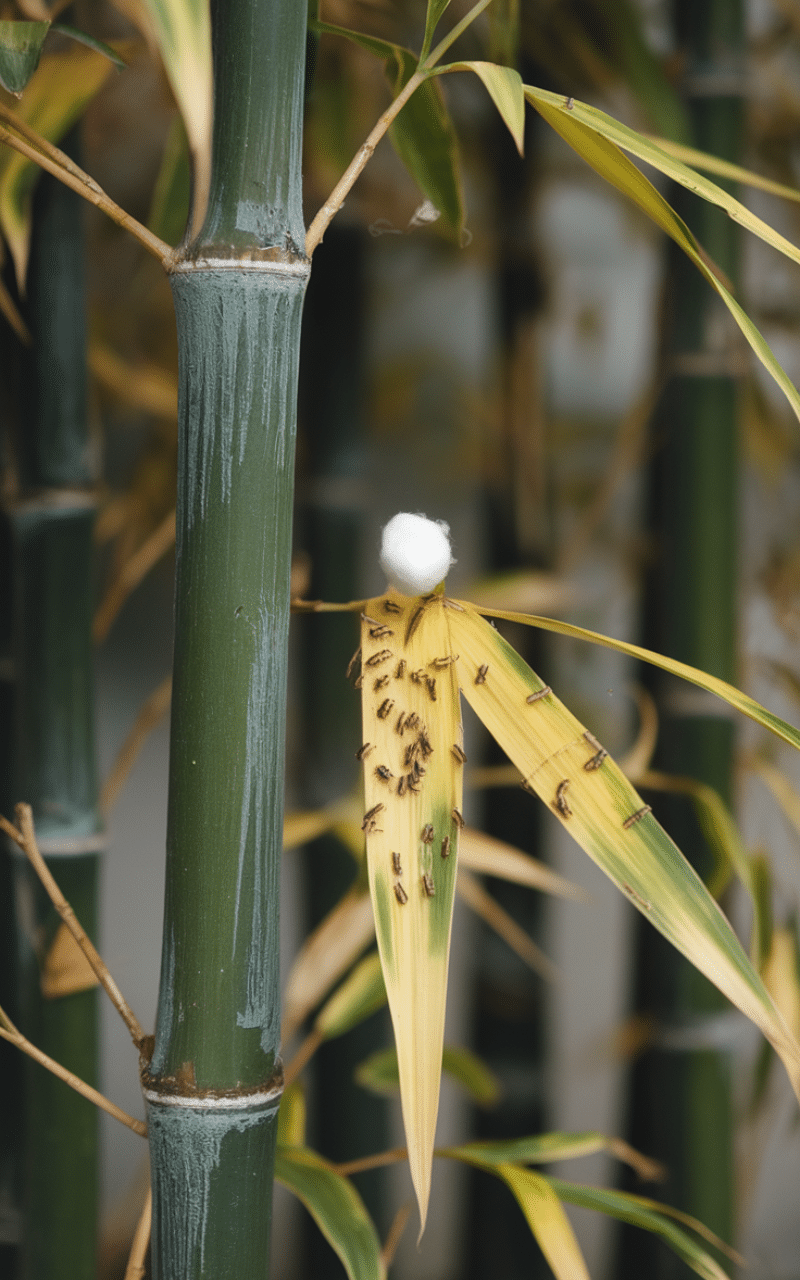
Inspect your Bamboo plant regularly for common houseplant pests like spider mites or mealybugs because these tiny invaders can rapidly weaken the plant if left unchecked so if pests are found gently wipe the affected areas with a cotton swab dipped in diluted rubbing alcohol or insecticidal soap thus early detection and treatment are vital for maintaining a clean and healthy Bamboo plant so keep an eye on the underside of the leaves and the joints between the stalks.
Conclusion
Nurturing a healthy vibrant indoor Bamboo plant is a rewarding experience that requires only consistency and a few mindful practices so by focusing on providing clean water bright indirect light and stable temperatures you can ensure your symbolic houseplant continues to thrive thus embracing these secrets to successful Bamboo plant care will not only keep your plant green but also bring its promise of good fortune into your space so start implementing these simple changes today and please consider subscribing to my blog for more detailed décor guides and inspiration for your next home project.
Enjoyed this post?
Share the love with another mom!
Every share helps this little blog grow — thank you so much