
Make sure to join my list for Weekly Tips and Recipes to Your Inbox
17 Amazing Coop Plants That Thrive Around Your Chicken Haven

A little note: Some images in this post may come from third-party sources and are shared purely to inspire you. All credit goes to their original creators. Visit our Image Credits Policy for more information.
When I first started thinking seriously about long-term survival and community resilience, my mind kept coming back to one simple but powerful idea: the Coop. The Coop wasn’t just about chickens or eggs; it symbolized something big, a small ecosystem of people, when the rest of the world might not.
I used to imagine a grid-down future, where power was scarce, the internet was gone, and we had to rely on our own hands and each other to survive. That’s when I realized: if the Coop was going to be the heart, then the plants thriving around it would be its lifeblood.
At first, my vision for the Coop was overly complex quotas and strict rules. I thought structure would create stability. Twenty families, twenty crops, a perfect plan. But as the discussions went on, I saw the flaws.
People wanted freedom to grow what they loved, to trade what they had, to share when they could. Monocropping sounded neat on paper, but nature doesn’t like neat; it likes balance. One gardener reminded me that pests love uniformity, that biodiversity is the real secret weapon.
Another pointed out that a Coop should be a place of therapy and joy, not regulation. That’s when I took a step back and really looked at my garden, the herbs swaying near the nesting boxes, the tall sunflowers guarding the compost heap, the marigolds deterring pests, and it all clicked.
A thriving Coop doesn’t need strict management; it needs harmony. Companion planting, native pollinator flowers, hardy greens, and alliums (I actually have a full article about Allium Garden Ideas if you want inspiration!), these are what make a Coop come alive.
The plants feed the chickens, the chickens feed the soil, and the soil feeds the community. The solution wasn’t control; it was cooperation, just like the name suggests. The more we share, plant, and trade, the stronger we grow together.
So, if you’re dreaming of long-term survival or simply a healthier way of living, start small, plant wisely around your Coop, and let nature show you how resilience really grows.
What We're Exploring
- 01 17. Comfrey (Symphytum officinale)
- 02 16. Oregano (Origanum vulgare)
- 03 15. Marigolds (Tagetes spp.)
- 04 14. Mint (Mentha spp.)
- 05 13. Amaranth (Amaranthus spp.)
- 06 12. Sunflowers (Helianthus annuus)
- 07 11. Grapevine (Vitis spp.)
- 08 10. Nasturtium (Tropaeolum majus)
- 09 9. Calendula (Calendula officinalis)
- 10 8. Thyme (Thymus vulgaris)
- 11 7. Borage (Borago officinalis)
- 12 6. Chives (Allium schoenoprasum)
- 13 5. Yarrow (Achillea millefolium)
- 14 4. Lemon Balm (Melissa officinalis)
- 15 3. Sage (Salvia officinalis)
- 16 2. Rosemary (Rosmarinus officinalis)
- 17 1. Nasturtium (Tropaeolum majus)
- 18 Conclusion
17. Comfrey (Symphytum officinale)
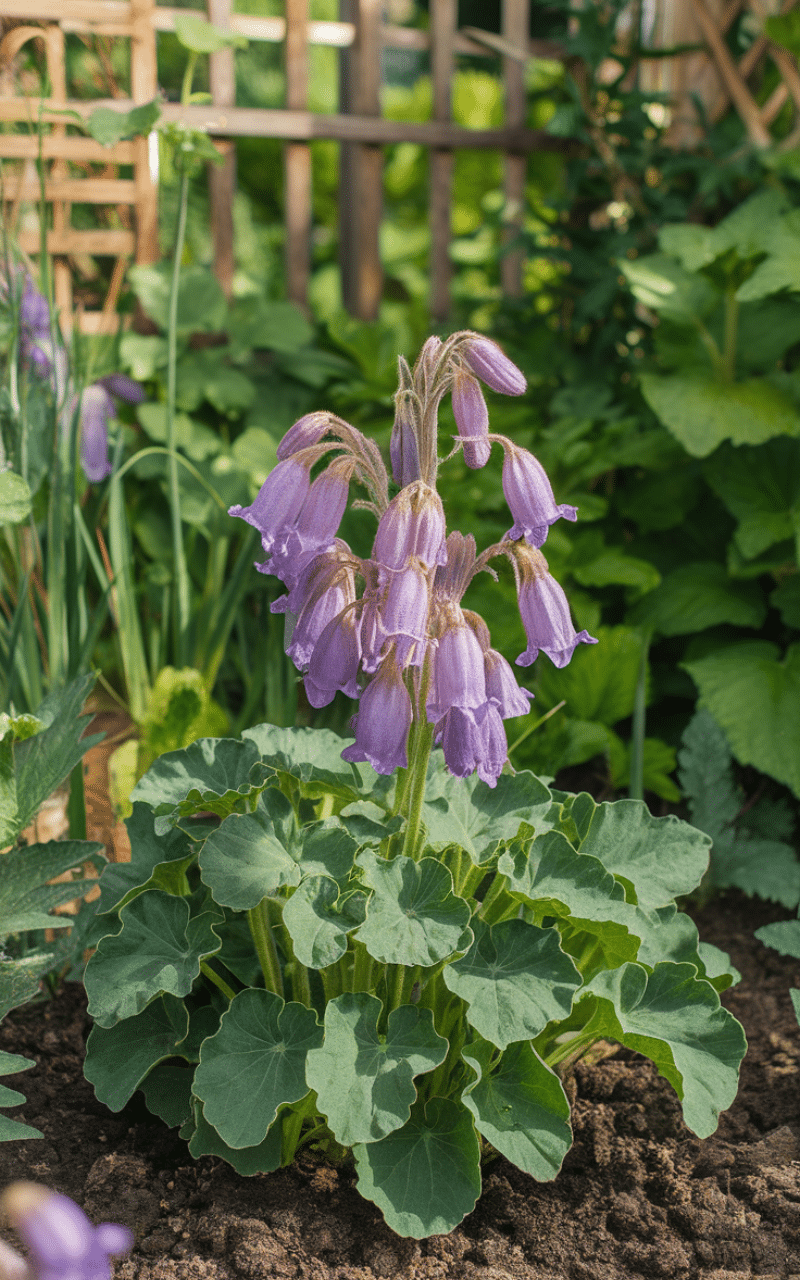
Comfrey is a perennial powerhouse packed with nutrients, providing high-protein leaves for your chickens and enriching the soil when composted. Tip: Plant in partial to full sun and well-draining soil. Harvest leaves regularly to keep the plant productive and prevent it from spreading uncontrollably.
16. Oregano (Origanum vulgare)
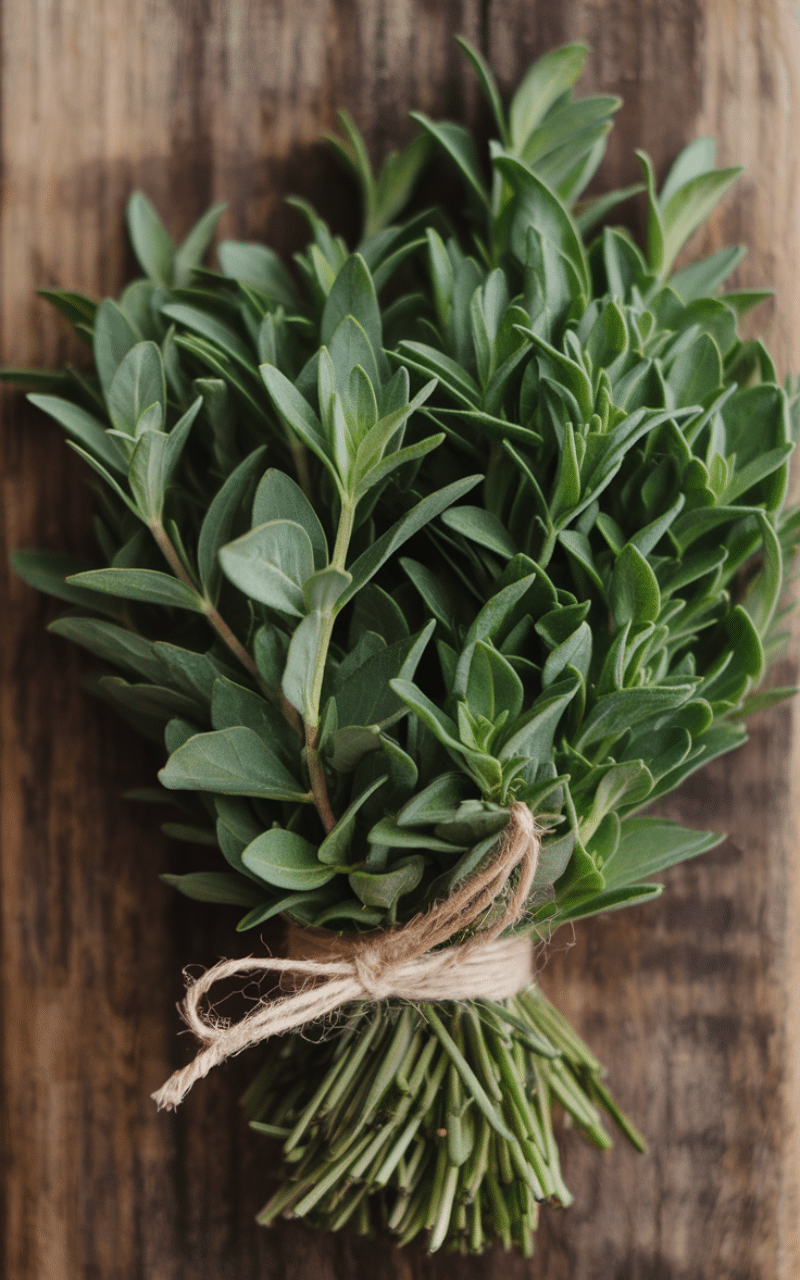
Oregano has natural antimicrobial properties, promoting chicken health while doubling as a flavorful herb for your kitchen.
Tip: Grow in full sun with well-draining soil. Trim after flowering to encourage bushy, continuous growth.
15. Marigolds (Tagetes spp.)
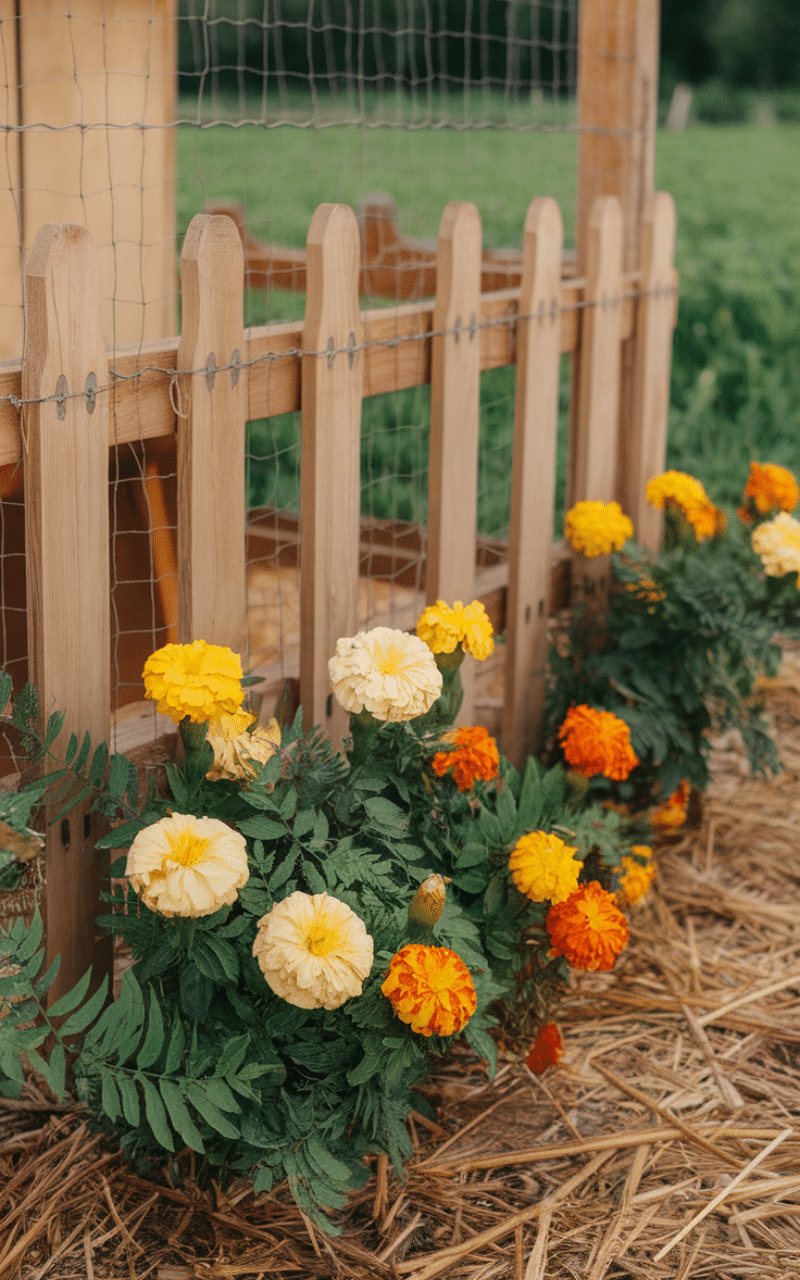
Marigolds repel pests like aphids and mosquitoes and add cheerful color around the coop.
Tip: Plant in full sun. Remove spent blooms to encourage longer flowering periods.
14. Mint (Mentha spp.)
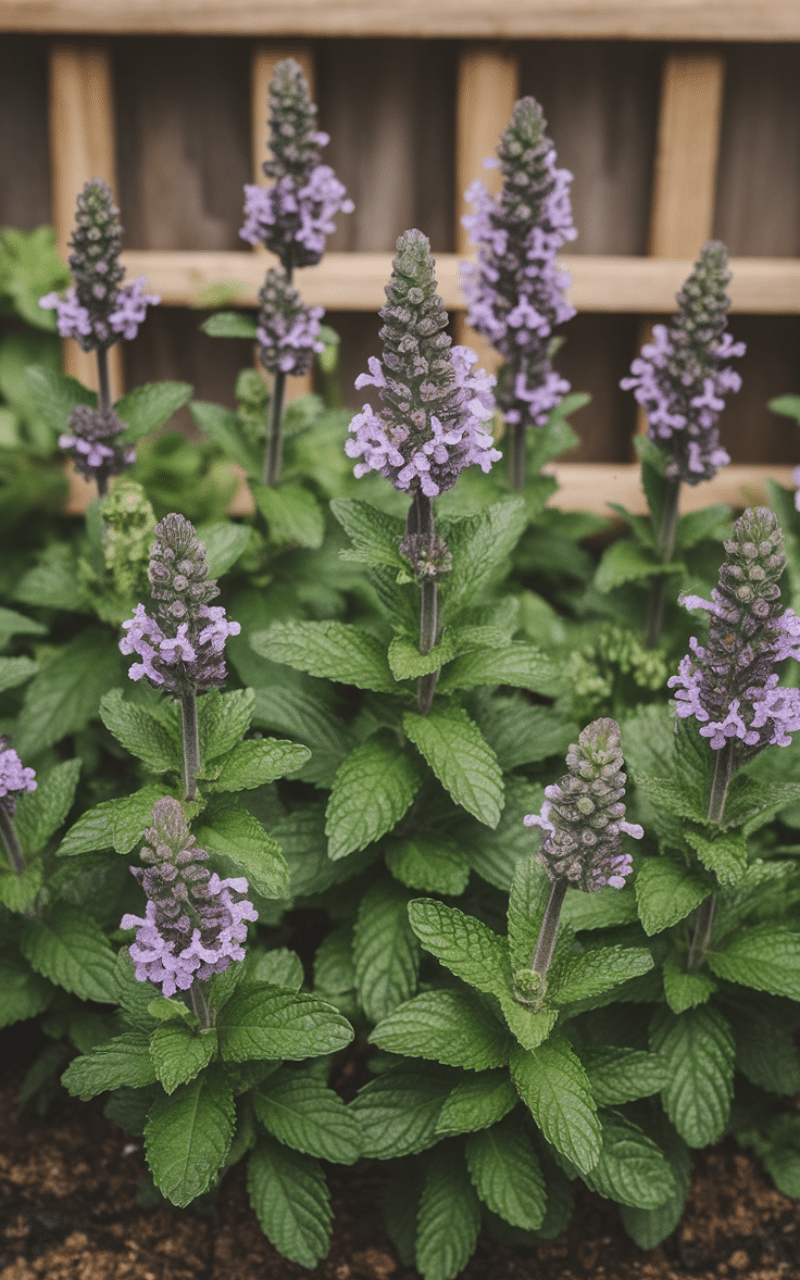
Mint helps mask odors, deters insects, and can be harvested for tea.
Tip: Plant in containers to prevent aggressive spreading. Provide partial shade and consistently moist soil.
13. Amaranth (Amaranthus spp.)

Amaranth produces protein-rich seeds and attracts pollinators, benefiting both the garden and chickens.
Tip: Plant in full sun with well-drained soil. Harvest seeds when mature and dry before feeding.
12. Sunflowers (Helianthus annuus)
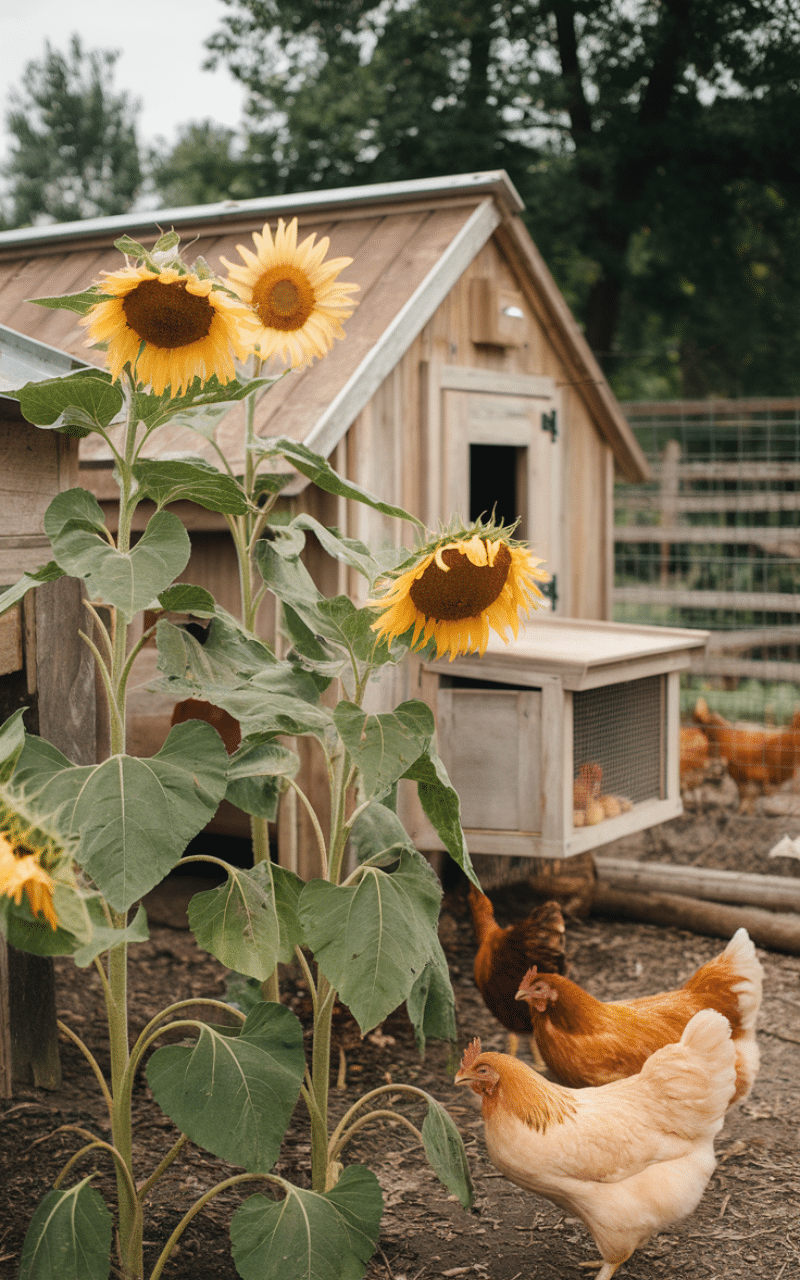
Sunflowers provide shade and seeds that chickens enjoy, adding vertical interest to the coop area.
Tip: Plant in full sun and protect young plants with wire cages until they’re established.
11. Grapevine (Vitis spp.)
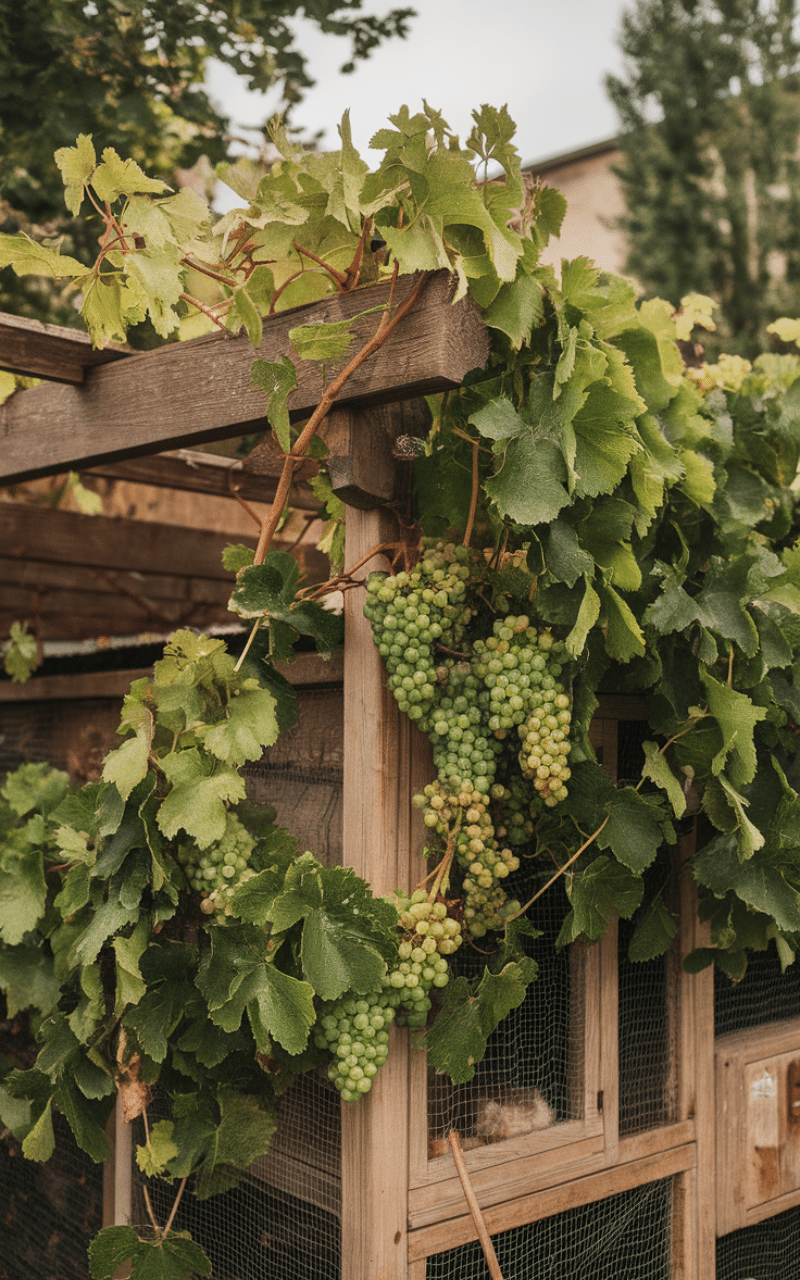
Grapevines offer edible fruit and shade, creating a natural pergola effect around the coop.
Tip: Train vines on trellises, ensure full sun exposure, and prune regularly for healthy growth.
10. Nasturtium (Tropaeolum majus)
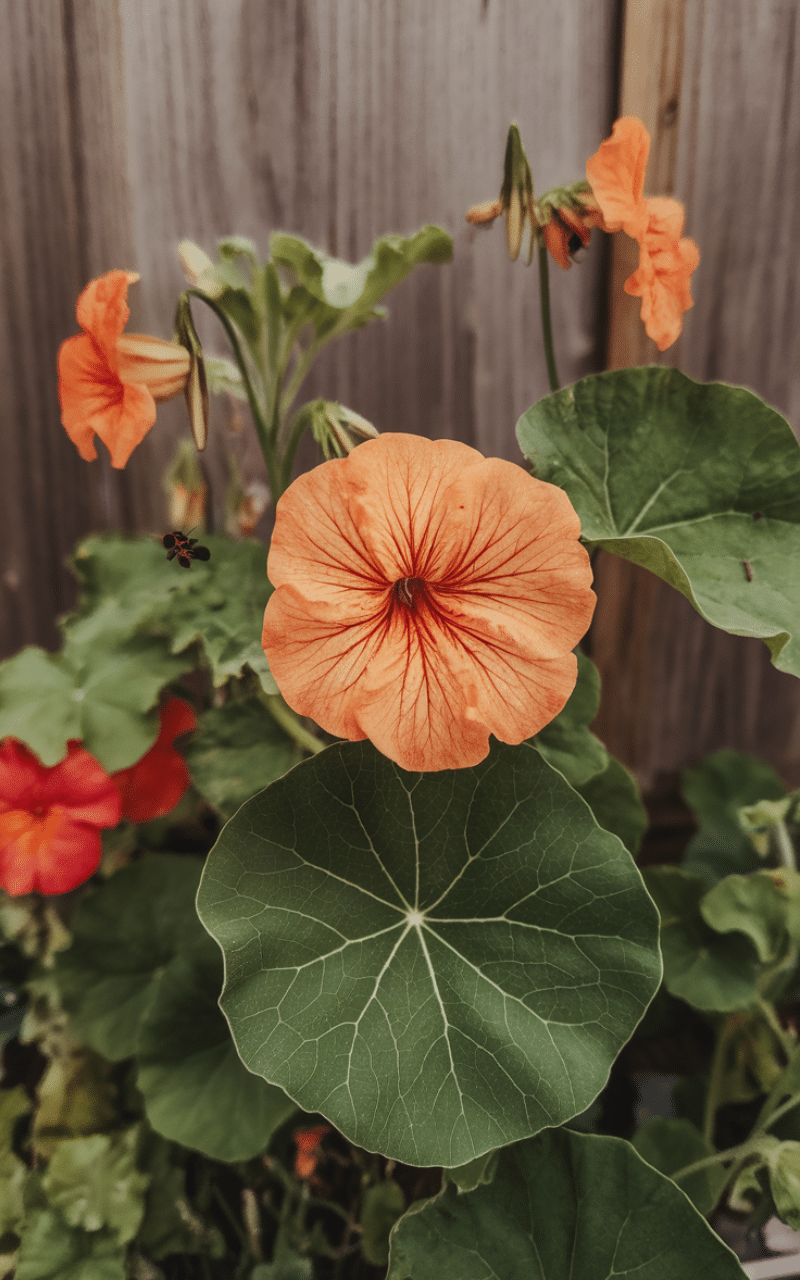
Nasturtiums attract beneficial insects and can serve as an edible treat for chickens.
Tip: Plant along coop borders in sunny locations. Use flowers and leaves in the chicken run.
9. Calendula (Calendula officinalis)
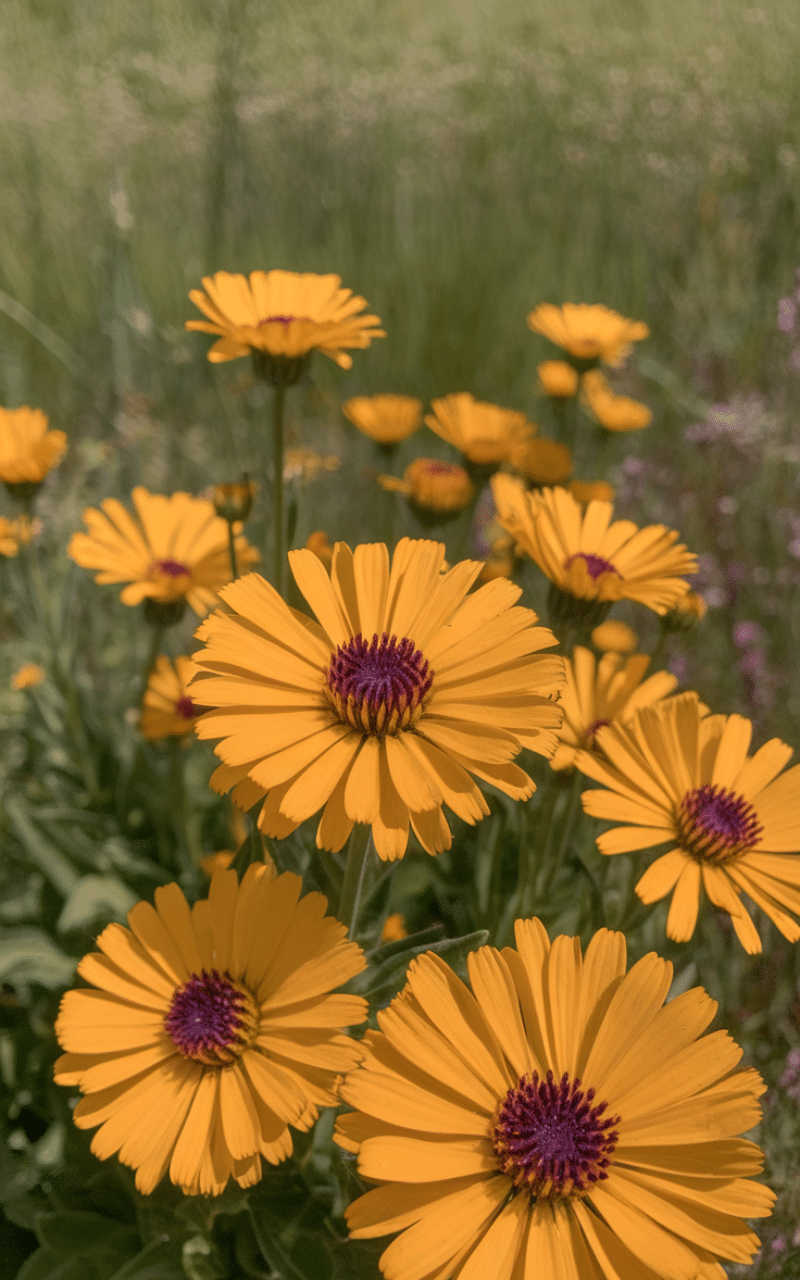
Calendula flowers repel some insects and provide medicinal properties for minor cuts or pecking injuries.
Tip: Grow in well-draining soil and full sun. Deadhead to encourage continuous blooming.
8. Thyme (Thymus vulgaris)
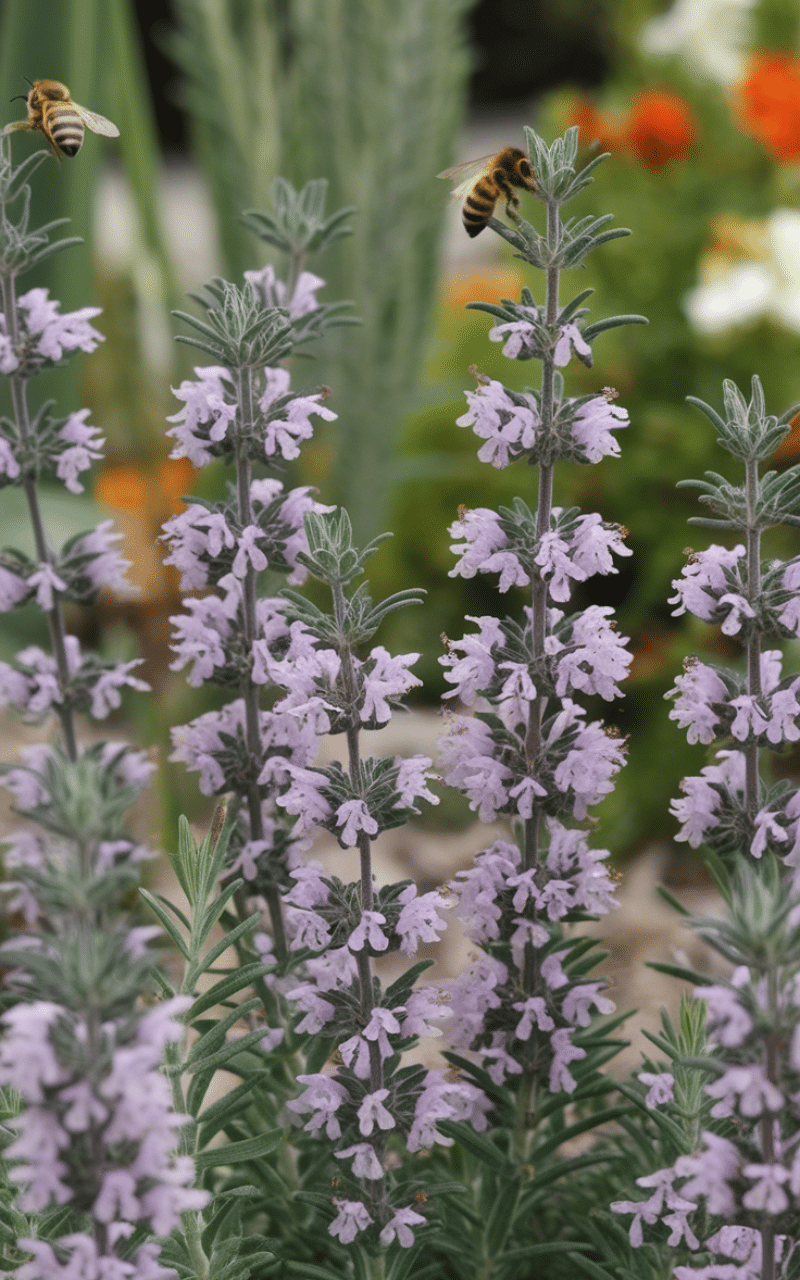
Thyme supports chicken health with antimicrobial qualities and attracts pollinators to the garden.
Tip: Plant in sunny, well-drained areas. Trim regularly to maintain bushy growth.
7. Borage (Borago officinalis)
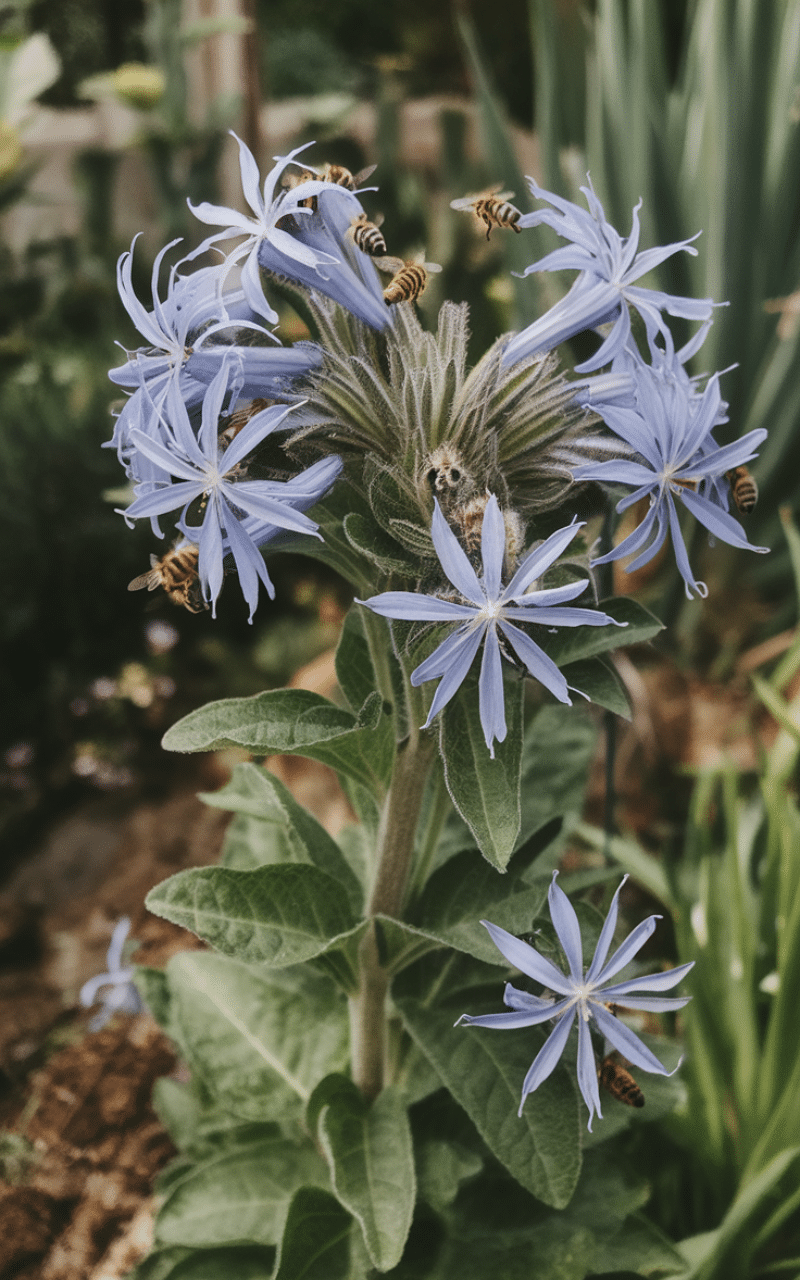
Borage adds blue star-shaped flowers, attracts pollinators, and the leaves are safe for chickens to eat.
Tip: Plant in full sun and allow self-seeding for continual growth year after year.
6. Chives (Allium schoenoprasum)
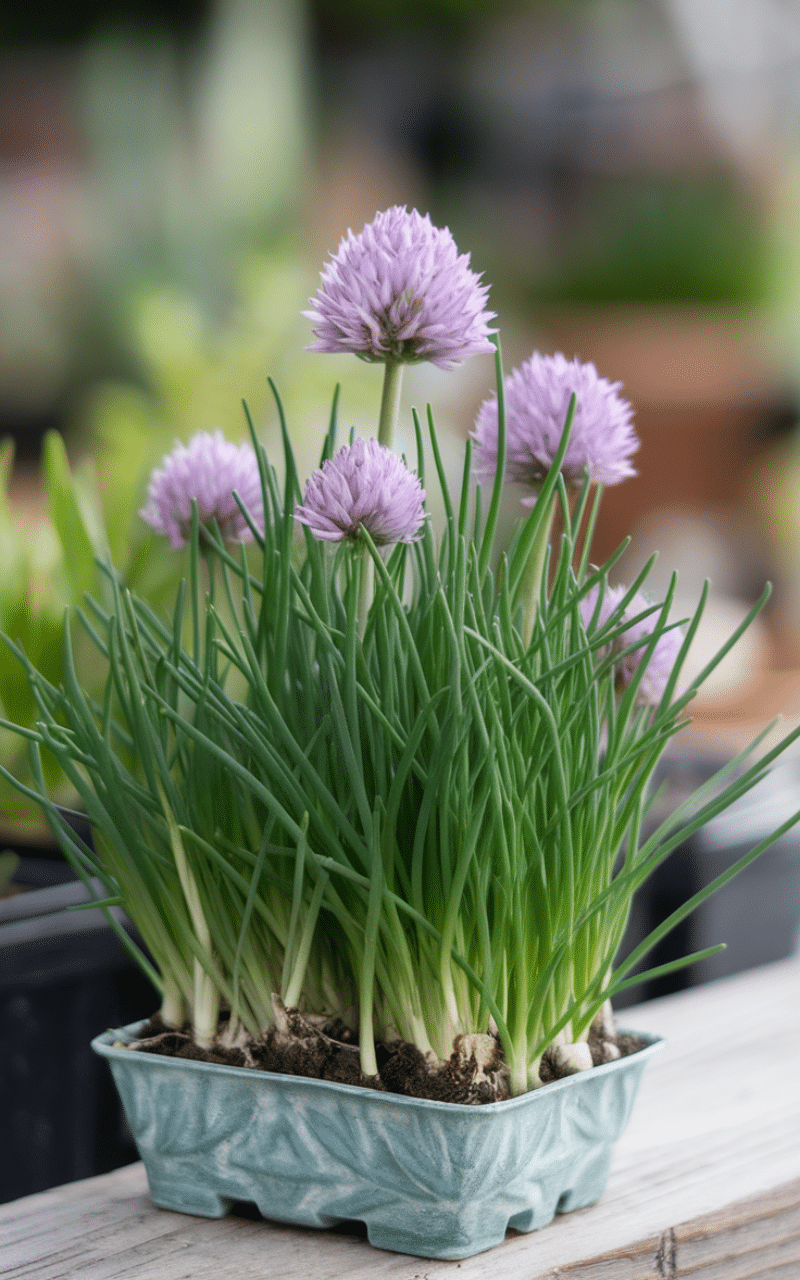
Chives naturally repel pests like mites and flies, supporting a healthier coop environment. Tip: Plant in sunny spots with well-drained soil. Harvest leaves regularly without removing more than one-third at a time.
5. Yarrow (Achillea millefolium)

Yarrow attracts beneficial insects and improves soil health.
Tip: Plant in full sun. Harvest flowers for herbal remedies or leave to support pollinators.
4. Lemon Balm (Melissa officinalis)
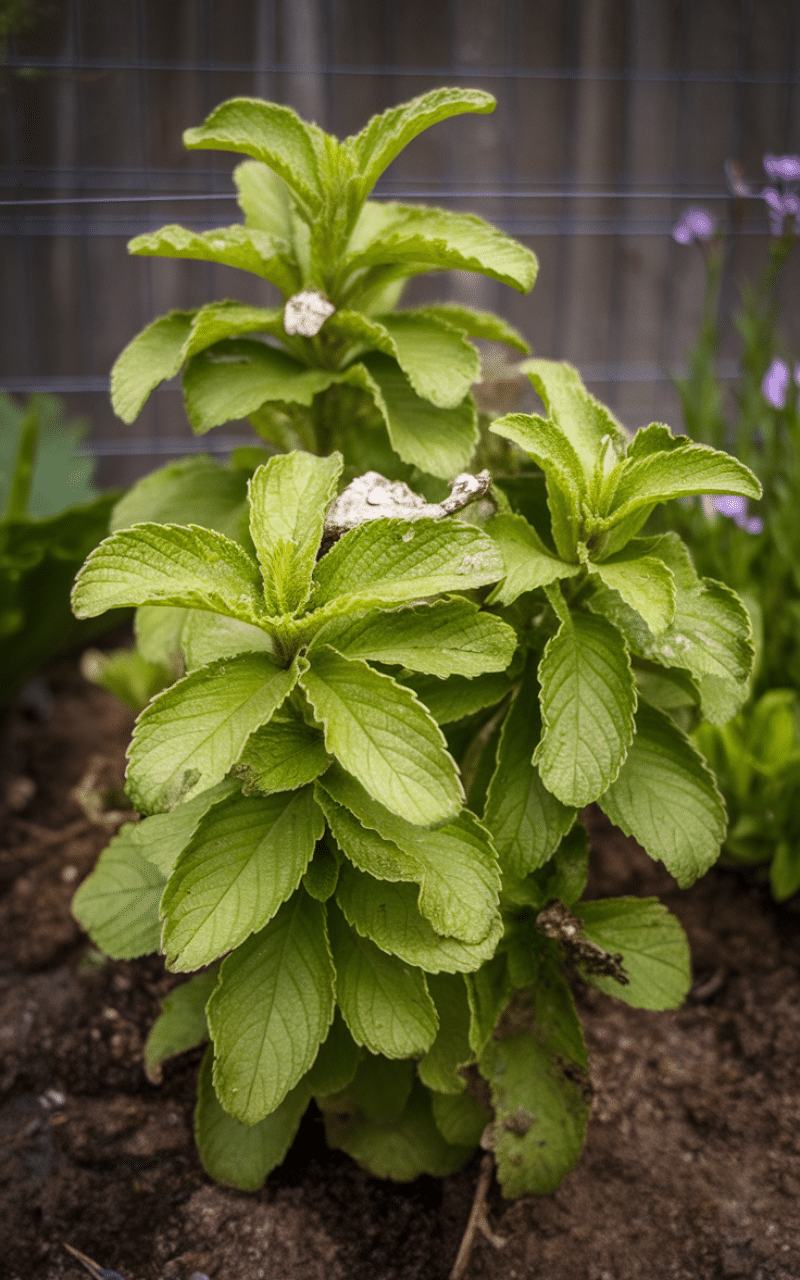
Lemon balm offers a soothing aroma and edible leaves for chickens and humans.
Tip: Grow in partial shade and manage spreading by trimming and harvesting regularly.
3. Sage (Salvia officinalis)
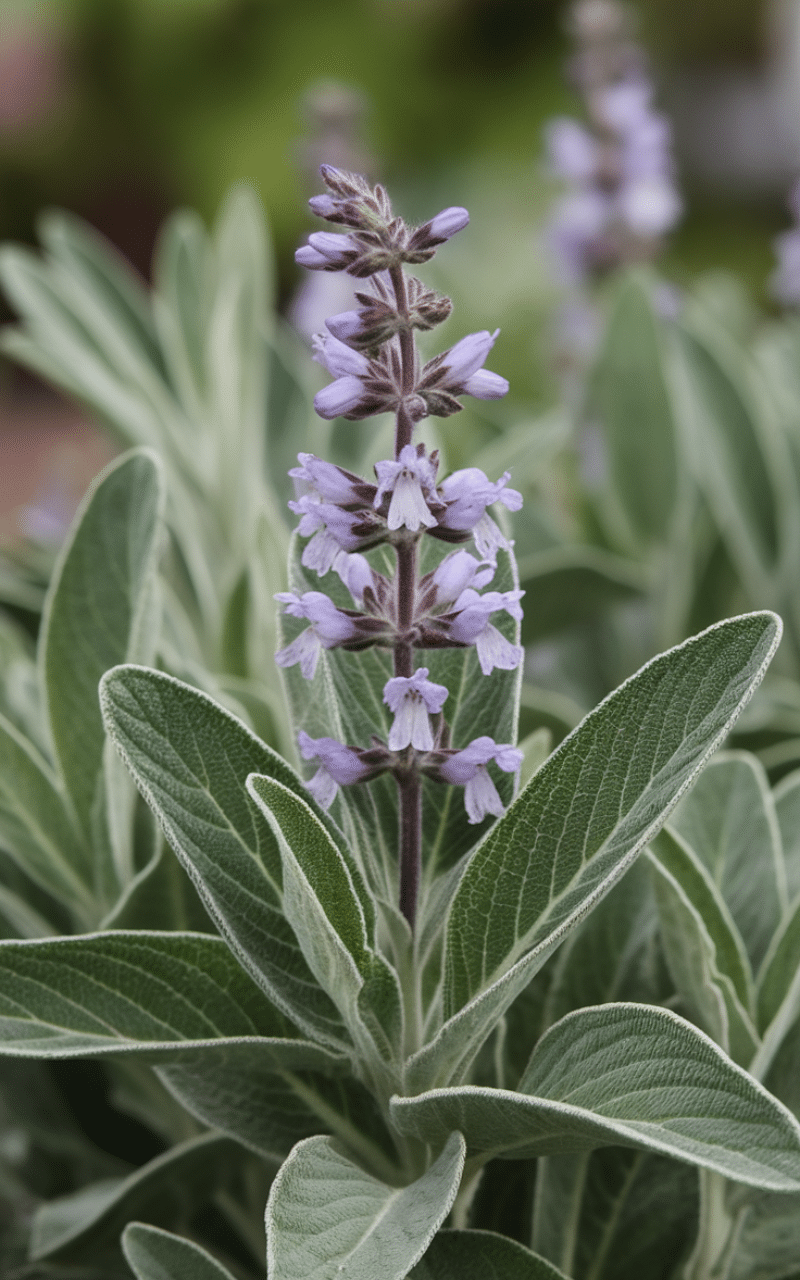
Sage has antiseptic properties and is attractive to pollinators.
Tip: Plant in full sun with good drainage. Cut back after flowering to encourage fresh growth.
2. Rosemary (Rosmarinus officinalis)
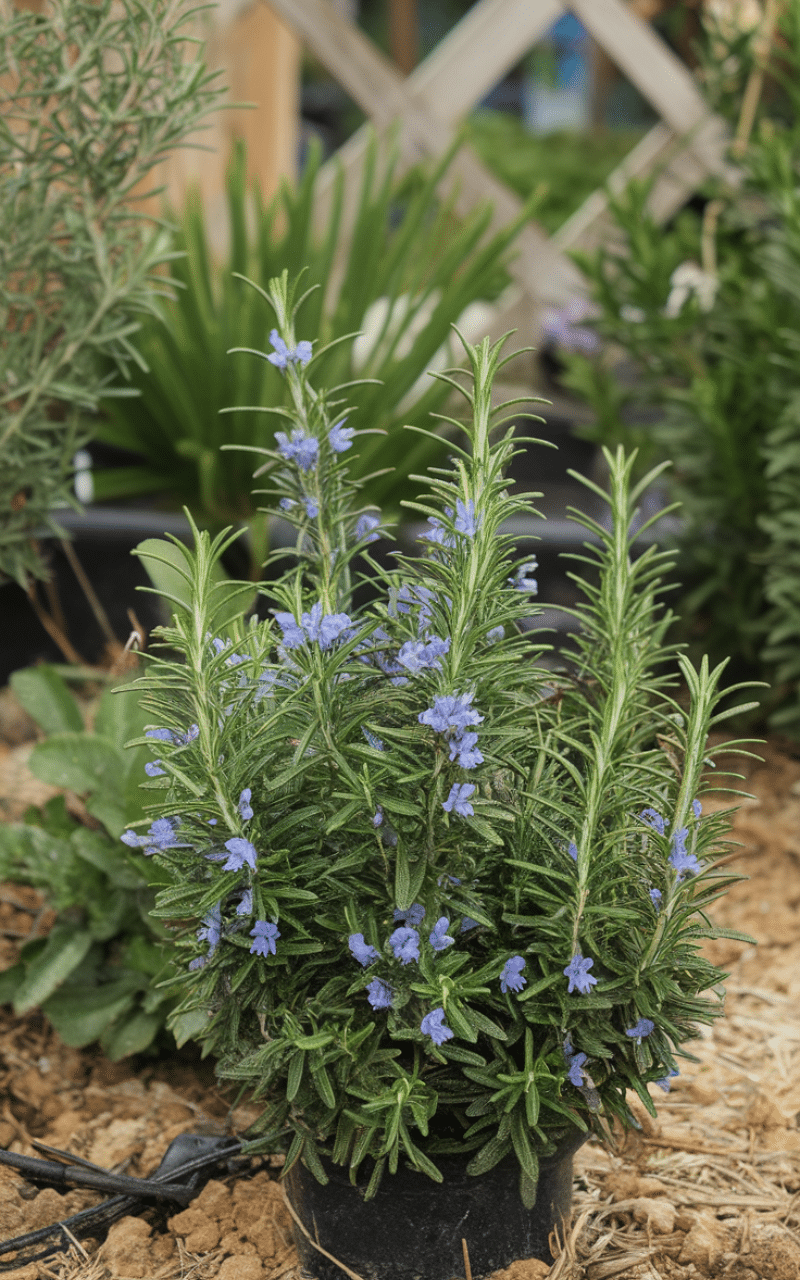
Rosemary repels insects and adds structure to the coop garden.
Tip: Grow in full sun and well-draining soil. Trim after flowering to maintain shape.
1. Nasturtium (Tropaeolum majus)

Nasturtium is edible, vibrant, and naturally deters pests while providing chickens with a nutritious treat.
Tip: Plant in sunny or partially shaded areas. Use as a ground cover or along fencing for dual benefits.
Conclusion
Planting strategically around your chicken coop creates a healthier, more productive, and visually appealing environment. By integrating these 17 plants, we enhance natural pest control, provide nutrition and shade, and build a dynamic ecosystem where chickens and plants thrive together.
Enjoyed this post?
Share the love with another mom!
Every share helps this little blog grow — thank you so much